
Atlanta Housing Market Forecast for 2027

Atlanta's real estate market takes far more than gut instinct to find your way through it. Prices have climbed steadily for years, mortgage rates are still stubbornly high, and the number of available homes is well below what a balanced market would need. That's pretty paralyzing when you're trying to plan a big move two years out - and it doesn't help that every new headline seems to contradict the last one.
Atlanta continues to draw attention, and it's easy to see why. The metro has become a magnet for transplants from higher-cost cities, a popular destination for corporate relocations and a reliable source of new job growth across a number of industries. A strategy that was built around 2022 conditions or rate forecasts from earlier this year may already be a little out of step with where the market actually stands.
Job numbers, permit activity, migration patterns and lending conditions all move slowly enough that you can plan around them - it's just what a longer-range outlook is built for. From what I can tell, the buyers and sellers who get the most value out of these forecasts are the ones who use them as a planning framework instead of a promise of what's ahead. Atlanta's trajectory through 2027 points toward modest price growth, a persistent shortage of inventory and the continued expansion out into the suburbs. None of that will favor anyone who waits for the perfect time to act - because that time has a way of never quite arriving in a market like this one!
Let's talk about what Atlanta's housing market has in store for 2027!
Where Will Atlanta Home Prices Go by 2027
Atlanta home prices are still on their way up (that trend is expected to hold through at least 2027) but not at the frantic pace of 2021 and 2022. The growth has settled into something far more gradual and measured since then. The Federal Housing Finance Agency's home price index shows this same pattern across a wide stretch of Sun Belt metros, and Atlanta fits right in line with that.
It's a strong time to be in the market from a buyer's perspective. The days when buyers made snap decisions and waived everything just to stay competitive are largely behind us - it's a pretty big change. A buyer can sit down, work through the numbers, compare a few different properties and move at a pace that makes sense for a choice this big. None of that was on the table a few years ago.
Plenty of buyers confuse "slower growth" with "prices going down" when those two ideas are not the same at all. A market that has lost momentum is very different from a market that's actually reversing course.
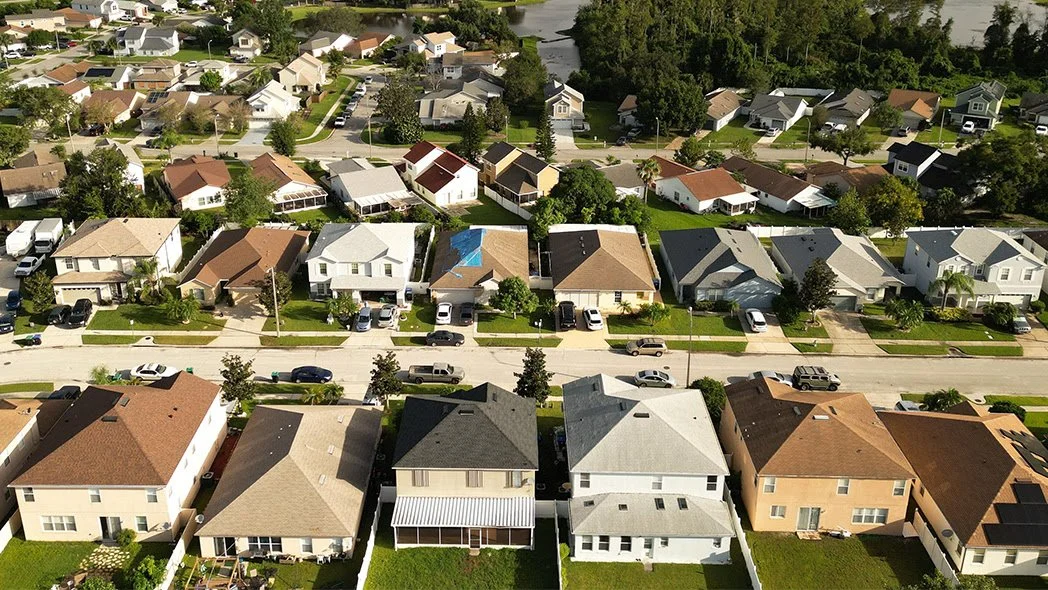
Prices in Atlanta are still going up - just not as fast as they were during the peak years. A decent chunk of buyers are parked on the sidelines, and they won't make a move until prices come down. That drop might not arrive the way they're hoping. A slower pace of appreciation does not mean buyers will suddenly see big discounts.
What the market has now is worth something. A 4% annual increase is a whole lot more workable than a 15% one - factors like monthly payments, loan qualifications and general affordability all look considerably better in that environment. The window for buyers is still very much open.
But a wait-and-see strategy has some downsides attached when prices are only headed in one direction.
New Jobs Pull People Into the Metro
Georgia's film tax credits turned Atlanta into one of the most active production hubs in the country, and the steady pipeline of work draws in cast, crew and support staff who all need a place to live. An anchor like Tyler Perry Studios is a large-scale operation that brings new residents into the metro area year after year - and by all accounts it's not going to slow down anytime soon.

Tech and logistics work the same way. Rivian's planned plant to the east of Atlanta is expected to bring thousands of jobs to a region that was already on an upward trajectory. These aren't temporary or seasonal positions either - they're long-term jobs. This carries quite a bit of weight for the local housing market.
Job growth matters, and it's not hard to see why - workers who relocate for work aren't casually scrolling through listings on a whim. They already have a start date and a deadline to find a place, and they need to move fast.
Many of these newcomers come from places like New York, San Francisco or Seattle where housing prices are much higher. Atlanta looks like a pretty solid deal by comparison. That mindset holds demand far more steady than the local economic numbers on their own would ever suggest.
With all that said, job growth and home sales don't line up perfectly. Not every new job in the metro area actually gives you a home buyer. Some workers rent, and others move into existing households or settle into short-term arrangements as they get established in a new city. Job growth drives housing demand on something less than a one-to-one basis. Treating it like a one-to-one relationship will lead you to overestimate how fast the market is going to move.
Too Few Homes for Too Many Buyers
New construction is up across the outer counties, and the numbers are worth a look. Forsyth, Cherokee and Douglas have all seen a rise in building permits over the past few years. New homes still reach the market at a pace well below what demand needs.
A fair chunk of this actually does come back to price. Land in these counties is expensive in its own right - and labor shortages drag out builder timelines. Zoning in many of these areas also caps how dense the new development can get, and this puts a hard limit on the number of homes builders can realistically deliver in a given year.
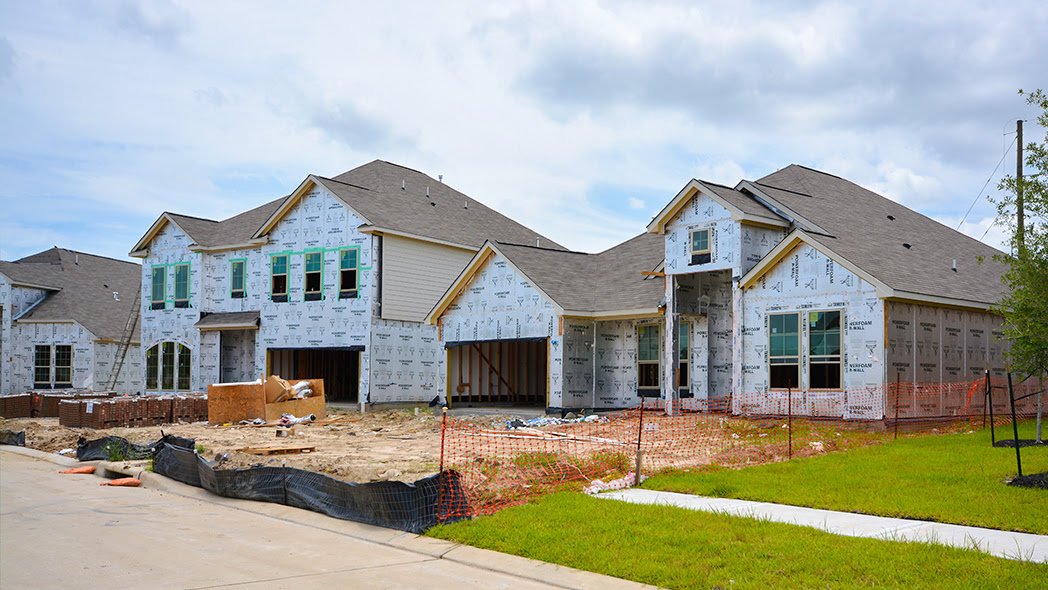
One force works directly against buyers. A massive number of existing homeowners locked in mortgage rates below 3% or 4% during the pandemic, and at today's rates they have almost no financial reason to sell and take on a new loan. That pulls a large chunk of inventory off the table - and new construction alone won't make up for what's been lost from the existing home supply.
Prices are holding firm - supply and demand in Atlanta's fastest-growing neighborhoods are too far apart for builders to close on their own, and it's been that way for a while. The competition for available homes isn't easing up, and the deeper forces behind it aren't going away anytime soon.
The Suburbs Are Growing Faster Than the City
Suburbs like Cumming, Woodstock and Douglasville are expected to grow faster than intown Atlanta neighborhoods through 2027, and the price difference between these areas is a big part of why. A family can get a four-bedroom home with a yard out in Cumming for roughly the same price as a two-bedroom condo near the BeltLine. That value is what's pulling so many buyers farther outside the city.
The BeltLine effect is very real, and it's not hard to see why. Those years of investment in trails, restaurants and walkable development have pushed intown prices up at a pretty steady pace - and nothing about that trend means that it's going to slow down anytime soon as we go into 2027.
The suburbs make a strong case, and those numbers can be pretty desirable. It's worth a careful look at what you would spend in total before you lock anything in.
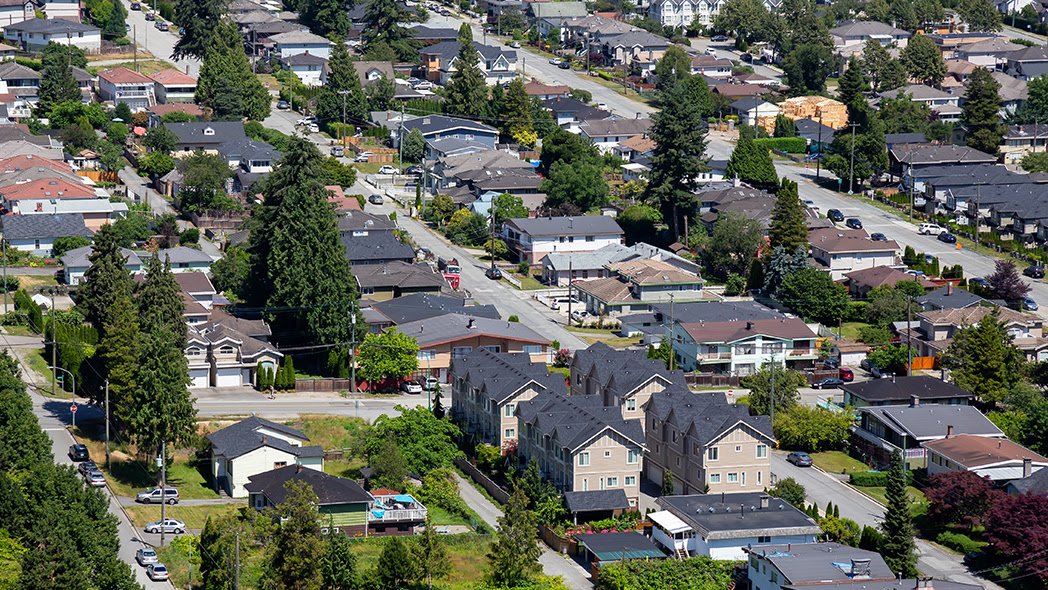
The costs of a longer commute on GA-400 or I-20 pile up fast. Gas is one expense. But the wear on your car and the hours that you lose to traffic every week are real costs too. Some families weigh that against a bigger yard and more square footage and decide the trade-off is worth it. Others look at the full numbers and find that the gap is much narrower. Either one can be the right call. A sticker price alone just can't give you the full picture.
Much has changed in suburban areas like Woodstock over the past decade. The new schools, expanded retail options, and better infrastructure have made day-to-day life out there more convenient than it used to be. A community that feels that well-rounded makes a longer commute much easier for buyers to live with.
The Atlanta market has real potential, and both paths have something to give you - which one makes more sense for you just comes down to what your day-to-day life actually looks like.
What Mortgage Rates Do to Your Budget
Mortgage rates are expected to stay elevated through most of 2027, which has very real consequences for what buyers can realistically afford. The Federal Reserve has kept rates higher for longer than expected, and a big reversal doesn't look like it's coming anytime soon. That prolonged pressure on the market tends to pull demand away from higher-priced homes - which is actually great news if your budget falls in the $400,000 to $600,000 range. Before your search even begins, a single percentage point difference in your mortgage rate can move your monthly payment anywhere from $200 to $300 on a $500,000 home.
A difference like that is real money. That gap can change what feels affordable to you long before you've ever set foot in a home.

Rate timing is one of the most popular strategies that buyers use - hold off until rates come down and then make your move. The problem is that every other buyer has the exact same plan. When rates do fall, everyone rushes back into the market at the same time and competition comes right back with them. That lower rate ends up attached to a noticeably higher home price. Run the numbers on the monthly payment, and it lands in almost the same place it would have been anyway. A perfect window to buy a home doesn't come along, and the longer you wait for one, the more it tends to cost you in the long run.
Atlanta's $400,000 to $600,000 range has some genuine room to negotiate at the moment, partly because a decent chunk of buyers have decided to sit it out. With not as many buyers competing for the same homes, you have a bit more time to weigh your options without feeling rushed, and sellers are a bit more willing to work with you at the table. Rate conditions are what open or close that opportunity - and right now that door is wide open.
Outside Forces That Could Move the Market
Atlanta got hit pretty hard during the recession. Home values fell so fast and so far that a massive number of owners ended up owing more on their mortgages than their homes were actually worth - and many stayed in that position for years. A hole like that takes a long time to climb out of, and Atlanta's experience is a reminder that even strong local markets can get pulled under when national economic conditions turn against them.
Even the most well-researched forecast is still an educated guess, full stop. Analysts put work into these projections - drawing from historical patterns, economic indicators and data to build them out. The problem is that none of that preparation lets you see a sudden unemployment spike, a big policy change or a national credit event before it hits. The 2008 crash left even the most experienced economists without real answers - not because they weren't doing their jobs but because some forces just don't give any advance warning before they arrive.

This is relevant to you if you're planning to buy or sell. It's worth asking yourself how much your financial plan can depend on one particular forecast being right. A plan that leans on a single predicted outcome doesn't leave much room for flexibility if the market ends up going a different way.
None of this is meant to talk you out of making a move. Atlanta has shown real staying power over the years, and the forces driving its growth (job expansion, population movement and continued development) are all still very much in play. A forecast is a tool and a useful one at that. Where it works best is as one part of your process instead of the whole foundation of it. Leave a little room for flexibility in your plan, and you'll be in a much better position no matter which direction the market ends up going.
The Right Plan for Buyers and Sellers
Getting pre-approved before you start your search is one of the smartest moves that you can make - whether you're ready to buy or you're still in the early stages, it tells you what you can realistically afford, and it puts you in a much stronger position when you finally find a place that you want to put an offer on. Sellers and their agents take pre-approved buyers much more seriously. That alone can work in your favor when the market gets competitive.
One of the bigger mistakes that I see on the buyer side is when buyers waive the home inspection just to make an offer look more competitive. That trade-off can end up costing far more than the deal was ever worth.

It's worth taking a closer look at a sale before you rule it out. Pull up your numbers before you decide on anything - your mortgage payoff, your equity, what you would net after the closing costs and what your finances actually look like going forward. Plenty of sellers decide against it before they ever run the numbers - and the math usually comes out better than they had expected.
The price is the other big part of this. The 2022 market was unlike anything we'd seen in years, and plenty of sellers are still pricing their homes based on those numbers. Pricing to a market that no longer exists pushes buyers away - and homes listed that way tend to sit far longer than they need to.
No matter which side of the deal you're on, a plan that's built around your own timeline, your budget and your personal goals is the strongest position that you can be in.
Moving to Atlanta?
The full picture is quite reassuring. Prices are still going up - just not at any alarming rate. Demand is holding steady, and that makes sense when you look at the jobs, the population growth and the amount of investment money that's still coming in. Supply is still tight, and the suburbs are continuing to expand - none of that's likely to change much between now and 2027.
Let this be the main lesson that you take away - a forecast is a way of reading where the market is most likely headed so you can choose something that fits your life (your budget, your timeline and what you want out of a home). The buyers who come out ahead are usually the ones who had a plan and stuck with it when the market got a bit uncertain.
The main question is what your next move looks like and whether you have the right team around you to make it with confidence.
The Justin Landis Group is built for this. We'd love to help you find a home that actually fits your life in Atlanta - give us a call and let's find it together.