
Do You Pay Taxes at Closing When Buying in Atlanta?

Buying property in Atlanta means you'll be writing a few checks at the closing table. Most transactions split these costs between the buyer and the seller - some fall on your shoulders, others get covered by the person selling the property. What makes this a bit tough is that you won't always know the exact numbers until just a few days before the closing, and you finally get your hands on the documents.
Atlanta buyers will run into four main tax categories when they reach the closing table. Property tax proration is the first one, and it gets calculated based on when your closing date falls. Georgia's state transfer tax comes next. That one is figured out as a percentage of whatever the sale price happens to be. Financing a home means you'll also be paying an intangible recording tax on your mortgage loan. Standard recording fees come last, and these cover the cost to file your deed with the county. These costs are actually pretty modest in Atlanta compared to a lot of other markets around the country. A buyer who picks up an average $400,000 home with financing will pay somewhere around $1,200 to $2,000 in direct tax costs at closing.
Those charges come to around 0.3% to 0.5% of what you pay for the house, and they are pretty manageable when you plan for them from the start. Property tax prorations are usually the biggest line item in the tax section on your settlement statement - it's money that goes back to the seller for the property taxes that they already covered, or it covers their share of the taxes for whatever part of the year that they still owned the home. Every other tax line on your closing statement is a standard government fee that gets added to all Georgia property deals. Cash buyers can skip the mortgage-related intangible tax altogether. Financing your home means you'll pay it just once at closing - it's calculated from your loan amount, and you're done with it.
Here's what you can expect for tax costs at your Atlanta closing!
The Taxes on Your Closing Statement
Closing day in Atlanta means you're going to see a few different tax charges that show up on your settlement statement. Property tax prorations and the state tax on the sale are usually the two biggest line items you'll run into. Your lender will also add an intangible tax that gets calculated based on your total mortgage amount, and the county needs the recording fees to file the documents and make everything official. Atlanta charges these sales taxes in a pretty simple way. The city and county don't pile on any extra taxes on top of what the state already charges. The state rate is what you'll pay, and this consistency makes it much easier to calculate the tax portion of your closing costs well before you sit down at the closing table.
A $400,000 home sale in Georgia is a great way to see how these costs actually break down. The state charges a tax of $1 for every $1,000 of the sale price, so you'd pay $400 on a transaction like this. The intangible mortgage tax tacks on another $600 if you borrowed $300,000 to buy the home. The recording fees are usually between $50 and $100, and they can change a bit from county to county.
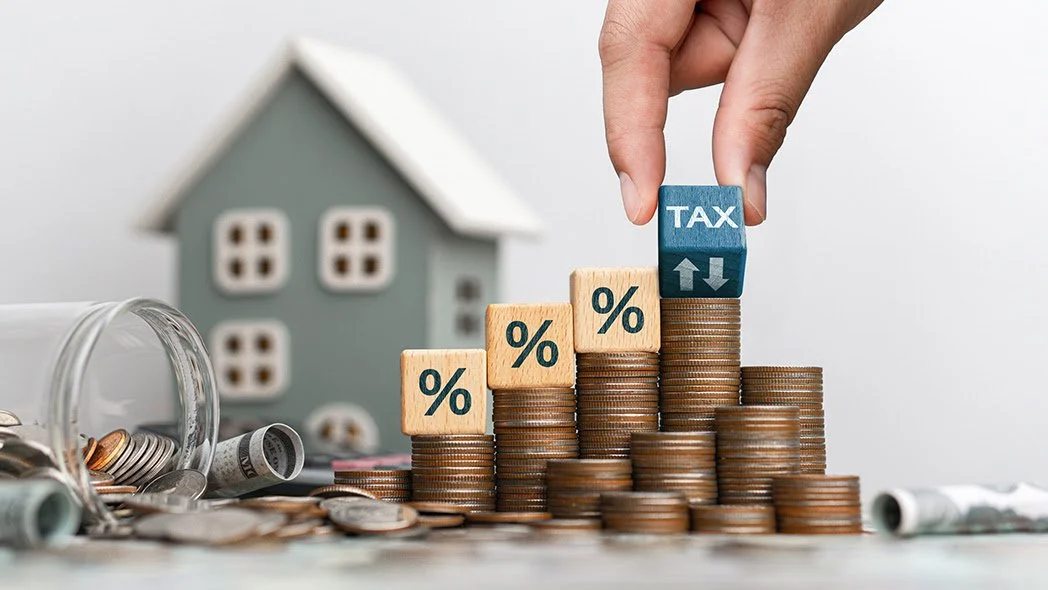
The property tax prorations are going to show up on your closing statement, too. The way it works is that the seller needs to pay the property taxes for the portion of the year that they actually owned the home, so they'll give you a credit for their share from the closing date forward. This makes sure you don't have to pay for the time when they still owned it. The math behind these prorations can look confusing when you first see them. But the next section covers how the calculation works.
These taxes and fees will usually run you between $1,200 and $1,500 on a transaction like this one. Just keep in mind that this total leaves out the property tax proration credit. How much you get back depends on your closing date and whether the seller has already paid their property taxes for the year.
How Property Tax Prorations Work at Closing
Property tax prorations are usually the biggest tax expense on your closing statement. Atlanta deals with property taxes a bit differently from most other cities. The city uses an arrears system - taxes get paid after the year has already ended instead of in advance.
How this works out for you at the closing table is a little unusual, and it might take a minute to wrap your head around it. The seller has been living in the home for some portion of the year. But they haven't paid the full year's property taxes yet because the bill hasn't come due. You're going to wind up crediting the seller for their portion on those taxes at closing - even though nobody has paid them yet. The math on your closing statement might look a bit strange because you're reimbursing them for taxes they still owe but haven't paid.
An example helps to show how this works. Say your closing happens in July, and the seller lived in the home from January through June. They owe 6 months of property taxes, so you'll receive a credit from them at the closing table. The tax bill itself won't arrive until later in the year. When it does, it'll have your name on it as the new owner, and you'll need to pay the full year's worth. That credit from closing covers the seller's portion - they already gave you the money for their half of the year.

Fulton County charges property taxes at a rate between 1.05% and 1.2%. But the way they calculate your bill is a bit different compared to what most homeowners expect. The county doesn't use what you paid to work out what you owe. They work with something called an assessed value that comes out to about 40% of what you paid for the house. A $400,000 home would be assessed at closer to $160,000 - quite a bit lower than the sticker price! From there, your annual property tax bill would come out to between $1,680 and $1,920 for the year.
I see buyers get confused by the proration numbers when they first look at their closing paperwork. The amounts might look a bit higher compared to what you'd think they should be, and that's because you're settling up accounts for time periods that don't line up cleanly with your ownership dates. You're not paying twice for anything, though - each person is paying their fair share for the months that they actually owned the home in that tax year.
How the Georgia Transfer Tax Works
When you buy a home in Georgia, you'll also need to pay a tax on the sale. This tax gets applied to every property sale in the state, and the best part is that Georgia keeps it pretty simple.
Georgia keeps the tax calculation simple to work out - they charge $1.00 for every $1,000 of the sale price. For a home that sells at $400,000, the tax on that deal comes to $400. In most cases, buyers and sellers split this cost right down the middle, so each side ends up paying $200.
If we go back to that $400,000 example from earlier, your share would be $200, and the seller picks up the other $200. Most of the Atlanta property deals follow this pattern. Sale agreements around here show this 50/50 split in nearly every one of them.
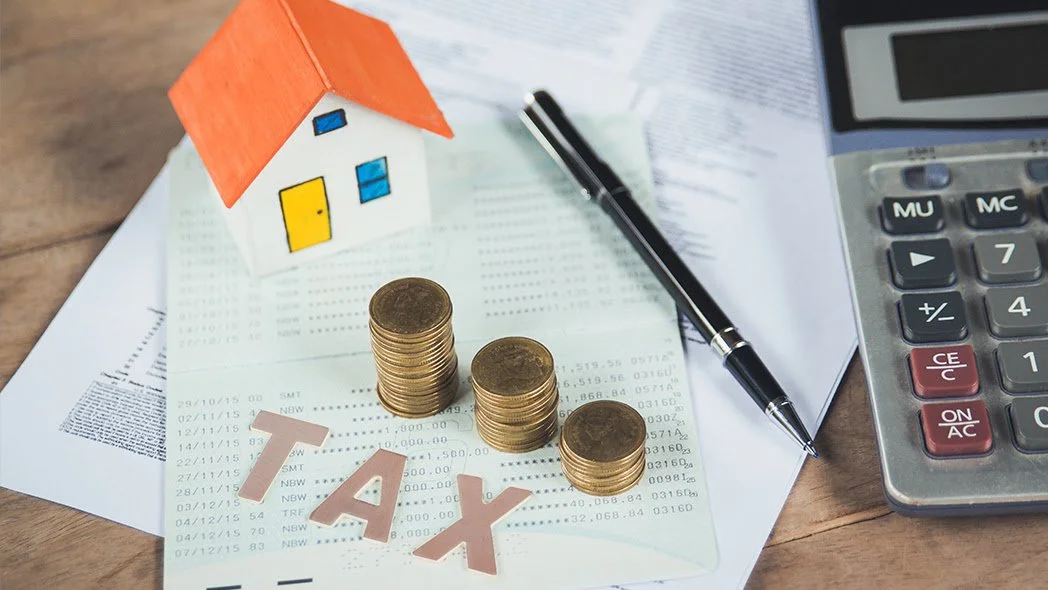
Georgia real estate created this tax to generate revenue for the state and local governments. The money they collect goes directly toward the funding of public services and infrastructure projects all across the state. The rate is fixed, so everyone pays the same standard amount. There's no way to shop around for a better deal, and you can't negotiate or lower what you owe.
The tax works the same way whether you're paying cash or financing. How you pay doesn't change anything about the tax rate. They calculate it based purely on the sale price of the property. A buyer who pays $300,000 in cash will owe the same tax as a buyer who takes out a $300,000 mortgage on that same house.
Your closing agent will add this amount directly to your settlement statement at the closing. Once they get it from you, they'll forward the tax payment to the right government offices on your behalf. It's just one more line item that ends up in the total amount you'll need to pay to close the deal.
The One-Time Tax and Recording Costs
Planning to take out a mortgage for a home in Atlanta means you'll need to factor in Georgia's intangible tax on that loan. It isn't the same as property tax - it's actually a separate charge that comes with your mortgage loan. Cash buyers don't pay this fee at all since they don't take out a loan.
Georgia calls this a privilege tax, and it's just a fee for borrowing money in the property deal. The mortgage itself gets treated like a financial instrument, and it's how the state justifies the charge. It's a one-time payment at the closing, and when you pay it, you never have to worry about it again.

On top of the intangible tax, the deed recording fees show up as another closing cost. Georgia counties usually charge between $30 and $50 for this service. The fee covers the registration process that puts your name on the property in the county's official records and makes it a public record.
These mortgage-related taxes work differently from the annual property taxes you'll pay every year as a homeowner. The intangible tax and recording fees are one-time charges, and you only have to pay them at the closing. After that point, they just become a part of your home purchase history, and you won't need to deal with them again.
Plan Ahead for Your Tax Costs
One of the easiest ways to get around budget stress is to plan ahead for the tax portion of your closing costs right from the beginning. A safe guideline is to set aside between 0.3 to 0.5% of the sale price just for these tax items alone. On its own, that might not sound like much money at all. When you're already stretching your finances to afford a home, though, these smaller percentages matter for how prepared you are when closing day finally arrives.
Around 3 days before closing, a document called the Closing Disclosure will show up in your inbox (or sometimes your mailbox), and it's your official rundown of every cost you're going to pay to close on the house. It breaks everything down into separate sections and keeps the details organized. The tax sections deserve some extra attention because they tell you just how much you owe in taxes and where those numbers come from. Sometimes a line item looks confusing, or it just won't make much sense to you, and when that happens, your lender or closing attorney can go over any of the items like that and help you understand what they actually mean.

During the negotiation phase, your agent can request a copy of last year's property tax bill for the property that you're interested in. This bill gives you a starting point to figure out what your prorated share is going to be at closing. The final amount might change a bit based on when in the year you close and if there have been any recent tax increases or reassessments in that particular area. At least you'll have a ballpark number to work with as you get ready for your other closing costs and fees.
These taxes come straight from the government, and that means the amounts are fixed and set in stone. Sellers can't help lower them, and buyers can't negotiate them down either. Finding out what you owe well before the closing day gives you time to get ready mentally and financially. You don't want to feel rushed or overwhelmed at the closing table with dozens of documents to sign.
A few days before your closing, the attorney will send over the instructions that tell you the amount you'll have to pay and where it needs to go. The payment has to come in as either a wire or a cashier's check - personal checks aren't going to be accepted for closing costs. Make sure to plan ahead and get one of these two payment methods ready well before your closing date!
Moving to Atlanta?
You'll see a few tax line items listed on your closing statement. The total amount is usually pretty fair. Most buyers in Atlanta pay between 0.3% and 0.5% of their buying price in taxes at closing when you add up the line items. Compared to what buyers have to pay in other big cities around the country, Atlanta is one of the better-priced markets for this. Your lender and closing attorney are going to calculate these fees for you based on the property you purchase and where it's located, which means that you won't need to worry about whether the numbers are correct or try to do the math yourself.
The whole process feels way less stressful when you have an idea of what to expect ahead of time rather than sorting through mystery line items at closing. Just remember - they're one-time costs. When you pay them, you're done with them forever. The long-term benefits you get from a home in Atlanta (like the equity you build or the roots you put down in a community you care about) make these early costs much easier to justify.

To find the right home in Atlanta, you need someone in your corner who knows the financial side and what life is actually like in each neighborhood. Maybe you're ready to make this city your new home - and if you are, Atlanta has plenty to offer! Each neighborhood has its own personality and feel, and no two areas feel quite the same. Local knowledge makes the difference when you're trying to decide where you want to live. Our team knows these communities well, and we can point you to anything from quiet suburban blocks to places with more of that downtown energy. Give the Justin Landis Group a call, and we'll help you find your dream home.