
Buying a Home With a Basement in Atlanta: Pros and Cons

A Midwest transplant who looks at homes in East Cobb or Roswell tends to linger on the listing photos and is pleased to find a familiar basement in Georgia. An Atlanta native who walks through that same house barely sees the finished lower level and instead gets excited about the extra square footage or the possibility of the space as a rental. The two reactions miss something that matters, though. A basement changes the way a home works day to day, and it changes what a buyer needs to check before signing anything.
The appeal makes plenty of sense - more living space, room for in-laws or adult kids, and maybe even a little rental income all read like a win on paper. Georgia basements carry their own baggage, though. Clay soil, heavy rainfall, radon levels and insurance policies that don't always cover what a buyer assumes they do - it all piles up fast, and plenty of buyers end up sorting through it once they're already deep into the process.
Put a basement house next to one without a basement, and the fresh paint and finished walls only tell half of the story. The extra space, natural light and income possibility are nice perks to have. But moisture problems, foundation stress and coverage gaps don't usually show up until something breaks. Buyers who take the time to weigh each side before their next showing are in a much better position than the ones who learn the hard way after closing.
Ask about the sump pump, the grading outside and what the insurance policy actually excludes before the square footage wins you over. A finished basement can be a genuine asset in this market - but only when a buyer goes in with the right questions ready. Skip those questions, and the "bonus space" everyone loves could become the most expensive room in the house.
Let's weigh the benefits and drawbacks to see if a basement home fits what you need!
Hilly Land and the Reason Atlanta Has Basements
Atlanta sits right in the Piedmont region, and this location explains why basements are so common around here. The land rolls and dips with the natural slope, and builders work with that shape instead of stacking everything up. Put a house on a hillside lot, and you have a pretty easy setup for a walkout or daylight basement because part of the foundation already sits exposed wherever the ground drops away. That extra space below ground usually turns into a den, a home office or just a spot for storage, and it can add actual value to the property.
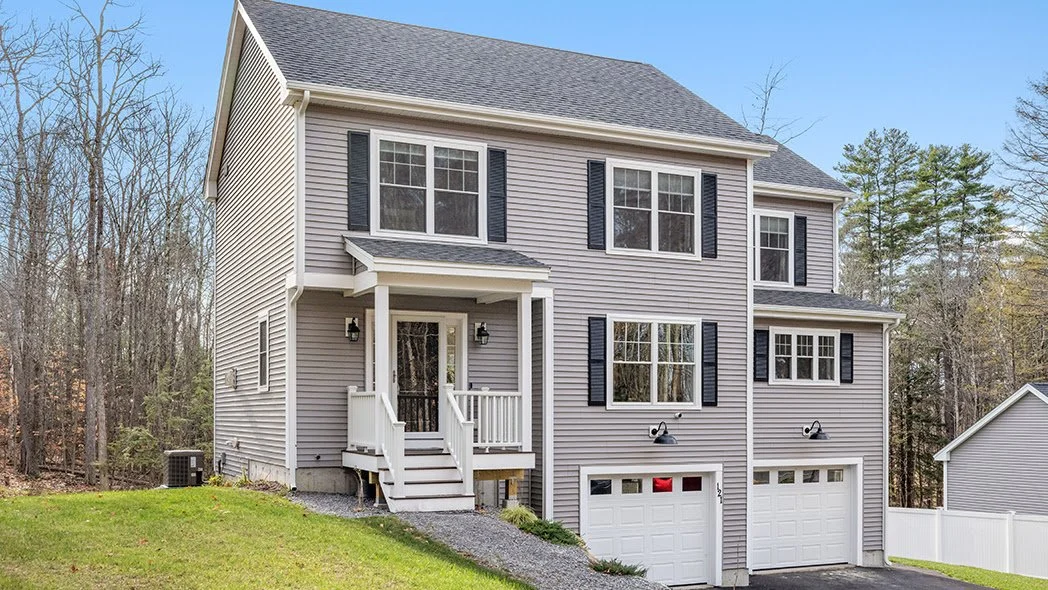
Savannah and Jacksonville play out differently altogether. The land stays mostly flat around those parts, and the water table sits very close to the surface. Try digging a basement in that soil and you'll be fighting water before the project even gets off the ground. Builders in those areas usually skip basements and pour slab foundations because it just makes more sense when the ground below does not leave much room to work with. Slab foundations also cost less to build and are easy to maintain since there's no crawl space or basement to worry about.
The choice to build into a hill instead of adding another floor on top can depend on some pretty easy logic. Cost plays a big part - a basement can add some square footage without the price jump that comes with building upward. A sloped lot also gives homeowners some natural light and outdoor access on the lower level, and that's something a flat lot just can't offer. I've seen plenty of newcomers skip right past this until they are knee-deep in house hunting, and by then it's usually too late to factor that in. Anyone shopping for a home in this region should ask early on whether the lot and soil even allow for a basement. That answer can shape the whole budget.
More Space, Cool Air, and a Rental Option
A basement gives you room to grow without the headache of a full addition or a move to a bigger place. That extra square footage can become a home theater, a playroom or just a quiet corner where you can get away from everyone else for a while. Land and renovations in this city aren't cheap by any means, so extra space already built in from day one can add genuine value.
Basements also stay cooler in the summer, and in Atlanta, that matters all the time. The upstairs gets very hot through July and August. But the lower level holds onto that cool air without any help. Some families practically move downstairs for a few months just to escape the heat.
But safety matters as well. Atlanta has seen its fair share of tornado activity, and a basement gives you a safe place to wait out bad weather. That option alone can help ease your mind.
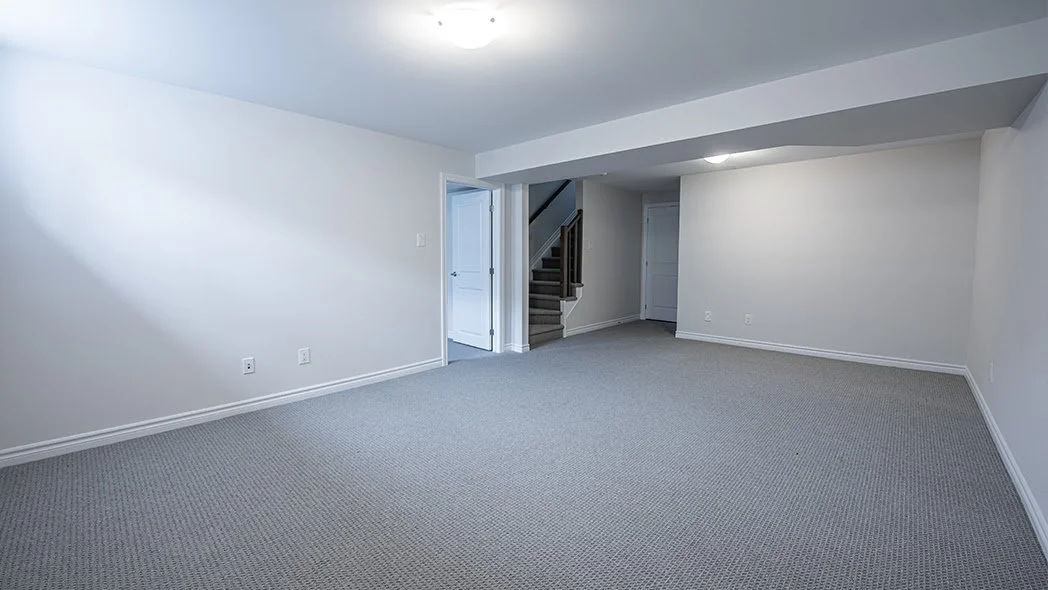
There's also the chance to turn that space into its own separate living area, though it helps to understand how different types of Atlanta homes handle foundation and structural considerations before you start. Atlanta lets you build accessory dwelling units under some zoning regulations, so a basement could become a legal in-law suite or a rental unit. Families often use that lower level to house an aging parent or to give an adult child a place to stay as they sort out their next steps. Everyone stays close, and no one has to give up their privacy completely.
And if you don't need that space for your family, it can bring in some rental income instead, provided you check the short-term rental permit requirements for your neighborhood. A finished basement apartment tends to pull in steady tenants in a city with housing demand like Atlanta's, especially as the local housing market continues to shift. That said, it raises a bigger question worth some thought early on - whether the extra income is worth letting a stranger share your home. For some homeowners, the answer is an easy yes - the rent check makes up for just about anything. For others, the idea of a tenant's footsteps overhead (or underfoot) is enough to make them rethink the whole plan. Whatever you choose, it's helpful to try to know where you stand before any walls come down.
Neighborhoods That Reward a Walkout Basement
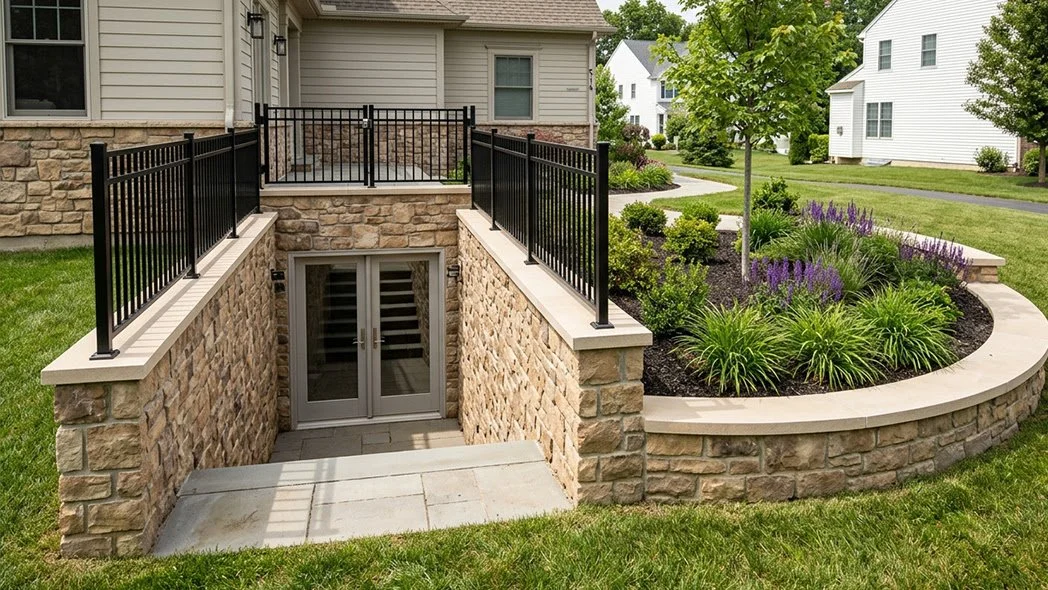
A finished basement's resale value can depend on where your house happens to sit. A walkout basement can add a decent chunk of change to your sale price in hilly neighborhoods like Druid Hills. Frederick Law Olmsted's firm planned those rolling streets way back when, and that's why homes sit on natural slopes that make a walkout basement possible. Buyers in these areas usually expect a finished lower level, and they're willing to pay extra to get one.
Recent sales back this up. Homes with finished basements in the hillier parts of Atlanta have sold for noticeably more than similar homes without one. That price gap is big enough that it's worth working into your budget if you're house hunting in these pockets of the city.
A basement finished without the right permits can drag your home's value down instead of raising it. Appraisers and inspectors know what to look for, and they'll usually catch it. Then buyers are going to want answers that you might not have. Ask for the permit records before you count that finished basement as pure value.
Head out to the flatter suburbs past the city and this whole conversation starts to matter quite a bit less. Homes built on flat lots usually don't have the option for a walkout, and basements out there tend to serve as storage space or a rec room instead of something that raises resale value. Buyers in those neighborhoods usually care more about square footage and yard space than whether the basement has a finished walkout. It's a different market with different goals, and what drives value in Druid Hills won't always carry the same weight a few miles away.
Clay Soil and Water Can Hurt Your Foundation
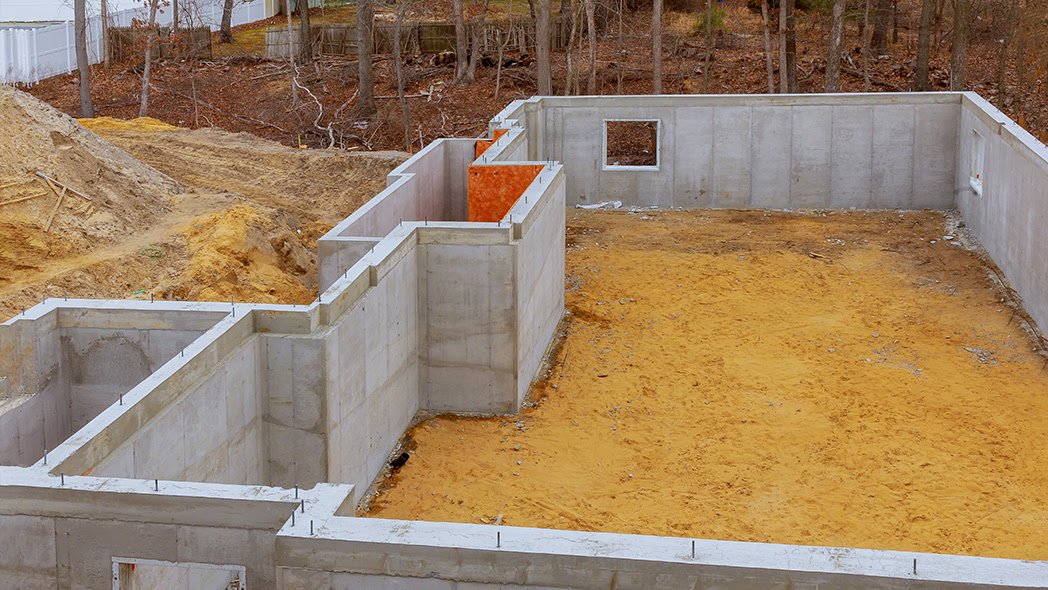
Georgia's red clay looks beautiful out in a yard. But it turns into a problem once a basement gets built on top of it. The clay holds onto water instead of draining it away. It swells up and pushes hard against basement walls once it's soaked through. That pressure can eventually crack the walls open and let water seep in where it never did before.
A basement that's always stayed dry can still be at risk too. Atlanta saw flooding back in September 2009 that was extreme enough to be remembered for years, and homeowners never expected it. Basements that had stayed dry for decades suddenly saw water come in through walls that had never let water through before. A dry past doesn't guarantee a dry future.
That's why drainage systems matter if you're shopping for a basement home. French drains pull water away from the foundation before it turns into a bigger issue, and sump pumps handle whatever water manages to sneak through anyway. Waterproofing can add some more protection for the walls as well.
None of these systems come cheap. It's worth building the cost into your budget before you buy - and in some cases, asking the seller for concessions to cover it is worth considering. A home without any of these protections already in place might need them added shortly after you move in - it's an expense worth planning for ahead of time.
That musty smell might just be the old carpet, or there could be something bigger happening underneath it. Moisture has usually snuck in somewhere it shouldn't have if you notice that smell.
Keep an eye out for a few other warning signs as you tour a basement. Water has usually been seeping through if you see white chalky stains on the walls, and it leaves mineral deposits behind over time. Cracks in the walls or floor can point to pressure that builds up from the soil around the foundation. You don't need to walk away immediately over any of these signs. But each one is worth bringing up with the seller.
Basement Radon Levels Matter Across Georgia Homes
Basements usually hold more radon than the rest of a house, mostly because they're closer to the ground - it's right where the gas works its way in. The EPA has radon zone maps broken down by county, and it's worth taking a few minutes to see how the metro Atlanta counties compare to each other. Some areas can average higher than others. But maps only give you a general picture - they won't tell you what's actually going on in your own house.
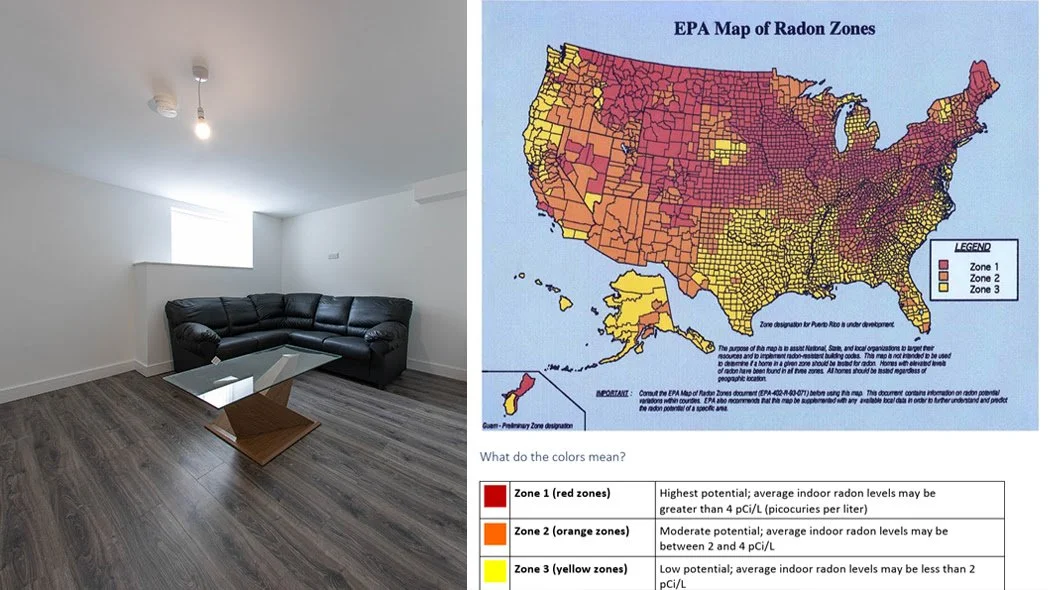
A test is the only way to get an answer that fits your own home. The EPA recommends taking steps to bring that number back down once results hit 4 pCi/L or higher. When levels do come back high, a mitigation system pulls radon out from under the foundation and vents it safely outside to bring those levels down significantly.
Many buyers never bother testing for radon, mostly because the gas gives off no smell, no color and no obvious sign that it's even in the house. It's easy to believe that everything has to be fine if nothing seems off. But radon can build up slowly over months and years without anyone realizing it. That alone makes testing worth doing no matter how clean or sturdy a house may look.
A couple hundred dollars might feel like quite a bit to spend on a radon test. But think about what's at stake once your health is involved - especially if you plan on spending years in that same house. That small cost buys reassurance.
Questions to Ask About Inspections and Insurance Coverage
A basement throws a few extra items onto your inspection list. Ask the inspector to look closely at the foundation for cracks or movement on top of the standard checks. Ask about moisture barriers too because they help stop groundwater from pushing through the walls. And the sump pump deserves attention on its own - have the inspector actually run it just to make sure it kicks on and drains the way it's supposed to.
Next on your list - insurance. Most standard homeowners policies skip flood damage. It makes sense to pull up the FEMA flood maps and see where the property falls if the home sits near the Chattahoochee River. Give your insurance agent a call and ask point-blank whether sump pump backup coverage is included in the policy. It's a minor add-on that's barely a blip in your monthly premium. But it could save you from a repair bill that would hurt.

Older intown neighborhoods bring their own risks too. In areas like Grant Park, the sewer lines have been in the ground for decades, and these aging systems can back up during heavy storms and send water right back into a basement. It's worth asking the seller or a neighbor whether any backups have happened before when you're looking at a home in one of these neighborhoods.
This is where things can get expensive. You don't want to find out what your policy leaves out after you've already filed a claim and watched it get denied. It's a pretty rough way to learn about a gap in coverage.
Sit down with your insurance agent before closing and ask one easy question about what the policy covers. A basement can add value and space to a home and give it the extra square footage that everyone wants.
Moving to Atlanta?
Add it all up and the trade-off is easy to pin down - extra space and maybe some rental income on one side and water, radon and insurance problems on the other. Neither one cancels out the other - that's the whole point. A finished basement can make a home feel bigger, more flexible and worth more money. But that's only true if what's underneath (the structure and the paperwork) checks out. Buyers who come out ahead treat that lower level like its own mini-project within the bigger process of buying a home instead of leaving it as an afterthought.
Grab your checklist one more time. Pull the radon test results or get one scheduled if that hasn't happened yet. Ask for the permit records on any finished basement work. Call the insurance agent and get a straight answer in writing on what the policy actually covers and what it doesn't. Go through the basement yourself and look for those small warning signs mentioned earlier - stains, cracks or a smell that lingers too long. None of these steps will take much time. But the cost of skipping them usually runs higher than just asking would have.
It's worth saying plainly that buyers who ask the toughest questions early usually end up the happiest in their homes. They did their homework before signing anything, and the groundwork meant fewer problems once the moving trucks pulled away. Give yourself some time to adjust once you're settled in because you're still figuring out how your particular basement holds up through a full year of Atlanta weather. That adjustment period is normal and manageable once you've already covered the basics.
It gets quite a bit easier to choose the right neighborhood, slope and basement setup for your life when you work with a person who already knows this city inside and out. Atlanta's lively energy makes it feel like the sort of place that you would want to call home. Every neighborhood has its own feel, and it seems like every street corner has something worth learning about. Getting a true feel for what makes Atlanta special takes a bit of local knowledge, and that's right where Justin Landis Group comes in (yes, that's us). Our team helps you land on the right fit, whether you're hoping for a quiet place tucked away in the suburbs or a house closer to the action downtown. Get in touch with Justin Landis Group now, and we'll help you find your dream home.