
How Atlanta Lot Setback Rules Affect Your Home Value

Property lines mark the edge of your lot, and you'll have to know that. But setback standards are what actually dictate how much of that land you can build on. Most homeowners in Atlanta don't give these invisible boundaries much thought until something goes wrong - maybe an appraiser catches a violation during a refinance, or a neighbor files a complaint about a new fence that's sitting too close to the property line. When one of these pops up, the problem gets expensive and hard to fix very quickly.
Setback laws tell you how far your house (or any structure on your property) has to be from the front street, from the side property lines and from the rear boundary line. These distances are going to change depending on what zoning district you're in, and these measurements can have a big effect on everything from your curb appeal to what your home is actually worth if you go to sell it. Following the setback limits means your home will fit in nicely with the rest of the neighborhood, and buyers usually pay more for homes that match the surrounding properties.
Atlanta's zoning laws have changed quite a bit, and one of the bigger updates lets property owners build accessory dwelling units much closer to their rear property lines than they were before. For homeowners who want to do everything by the book, this opens up some great options that weren't available just a few years ago. Anyone buying a property or planning a big renovation should take the time to verify that everything is actually compliant before they sign anything or start construction.
Let's look at how these setback laws could affect your property's worth and what you can do with it.
What the Atlanta Setback Rules Mean
Front yard setbacks in Atlanta neighborhoods usually fall between 35 and 50 feet, and this depends on where you are. This distance gets measured from the property line back toward the house. Everything within that zone has to stay open and free of any permanent structures - no sheds, no garages, nothing that stays put.
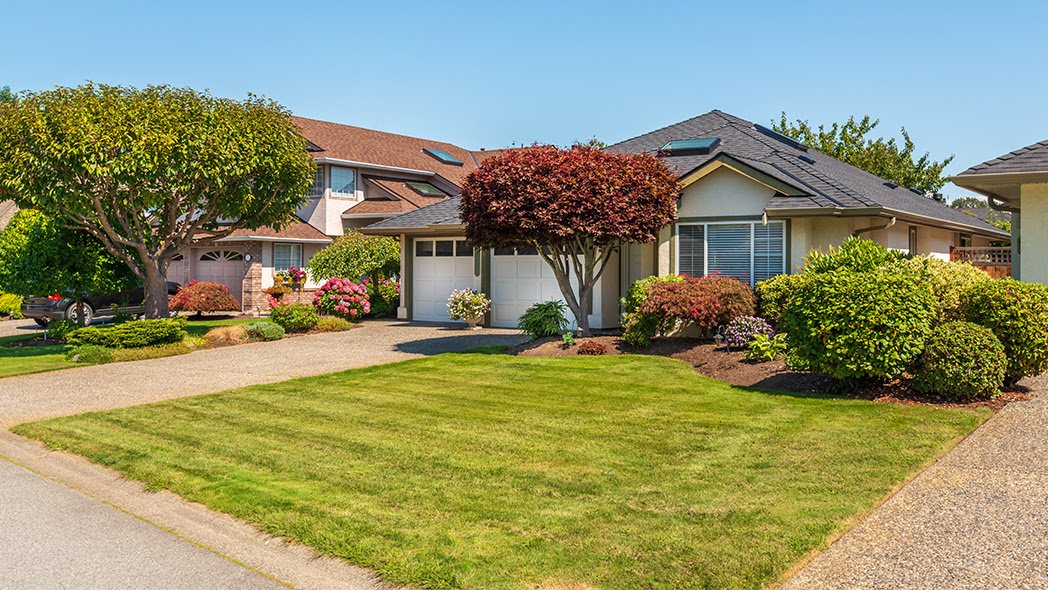
Side yard setbacks usually fall between 7 and 10 feet on each side of the home. Corner lots are a bit different, though, and they'll need to have more space on the side that faces the street. The rear setback is a little more variable, and usually it'll measure between 7 and 15 feet. The part of the city that you're in will change that rear number. These measurements can change quite a bit from one zoning district to another.
A 40-foot setback might not mean much if you read it on a zoning form. But it's roughly the same distance as two large SUVs parked bumper to bumper. For a 10-foot side yard, we're talking about just enough width to walk comfortably down the side of your house with a little breathing room on either side. These numbers can sound vague and technical. Picturing them in your own yard helps make sense of them.
Narrow lots make the math quite a bit harder. A property that's 50 feet wide sounds like enough room to work with - the setbacks change that fast. You'll need to subtract 7 feet from one side and 10 feet from the other, which leaves you with only 33 feet of buildable width for your house. And the front and rear setbacks will eat into your usable space as you move from the front of the property to the back.
How Setbacks Affect Your Property Value
A property that violates Atlanta's setbacks will cost you some money, and we're not talking about pocket change here. Appraisers will usually deduct 5 to 15% from a home's value when a structure sits too close to the property line. That discount covers the legal liability on your hands.
Lenders treat setback violations as a big problem, so most of them won't approve a refinance until the property owner corrects the problem. A deck or fence could sit on the property for 15 years, and nobody raises a concern. Everything looks fine until a buyer orders a survey before closing. When that survey comes back, any existing violation is documented right there on the report, and the complications start to pile up from there.
Sellers get stuck in a pretty tough situation when this happens. One option is to pay out of pocket to move or tear down whatever structure sits over the property line. Or you could apply for a variance from the city, which can take months and cost some money, with no guarantee it'll actually get approved. The last option is to accept that most of the buyers are going to walk away once they see the encroachment on the title report.

Every now and then, a previous owner decides to add a shed or expand their patio and never checks the setbacks first. It can sit there for years as nobody pays attention or makes a fuss. Eventually, a buyer comes along and orders a survey, and the violation shows up right on the plat - documented and impossible to ignore.
When an encroachment shows up on a survey, it puts everyone involved under a lot of pressure. Any plans to sell the property or to refinance it are going to come to a sudden stop, and you're now looking at costs that weren't part of the original budget, and it doesn't even matter how small the encroachment is - once it shows up on the official survey and the lender reviews it, a small overlap can shut down your transaction.
Atlanta Loosened the Rear Setback Rules
Atlanta adjusted its setbacks a few years ago, and the entire reason was to help out homeowners who wanted to build accessory dwelling units on their properties. These are the smaller rental units that get built in the backyard area behind your main house (all on the same lot, of course). The city lowered a few of the rear setbacks, and this change meant property owners could actually move forward with these builds without nearly as much red tape to work through.
After these were updated, homeowners gained a lot more freedom to either bring in rental income or create a separate living space for family members right on their property. An ADU will usually add between $30,000 and $60,000 to your home's value. The exact amount depends on the square footage and the quality of the finishes that you choose to put in. It's equity that you'll see reflected in your sale price when you sell.
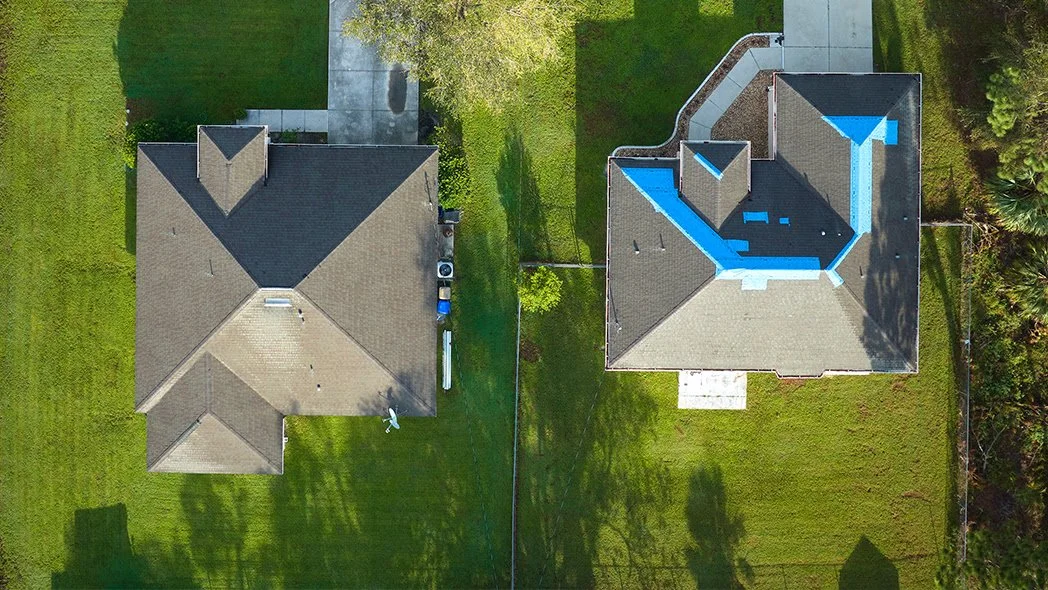
Most homeowners want to know if their backyard is big enough to make this work. The updated requirements help. But they don't guarantee that every property will qualify. Your zoning district makes a big difference in what you're allowed to build and where you can put it on your lot.
Different neighborhoods have different requirements, and some neighborhoods are much stricter than others with what they'll approve. The relaxed setbacks can help in most cases, though they won't automatically guarantee approval for every property. I'd recommend grabbing the exact measurements of your lot and comparing them closely against what the city permits in your particular area.
The best part here is that thousands of Atlanta homeowners can finally benefit from an option that wasn't available to them until recently. As long as your lot qualifies, building an ADU could turn out to be one of the smartest financial moves you'll ever make for your property.
When Your Property Needs a Variance
A variance through Atlanta's Board of Zoning Adjustment takes significant effort. The board has fairly strict standards for what they need to see before they'll grant your request.
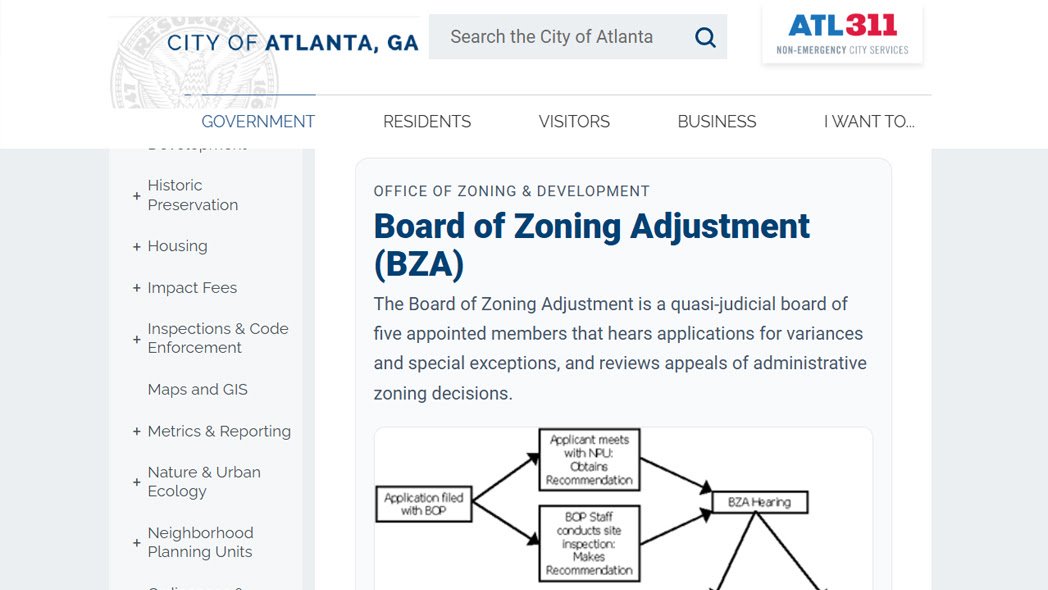
Application fees alone can run you anywhere from $1,500 to $3,000, and those costs don't even include other expenses like land surveys or professional architectural drawings that you might need. When you pay those fees, the money is gone permanently - it doesn't matter what choice the board ends up making on your application. Approval rates across the city usually hover around 60%, which means there's a real chance you could lose all that money and walk away with nothing.
Denials are pretty common with these requests. The board reviews every application individually and will compare the hardship that you're claiming against the standards that are already in place for the neighborhood.
Even smaller projects like backyard decks or swimming pools can need a variance if they cross over your setback lines. The problem happens when your lot's layout doesn't match up with what the zoning code lets you do. Garage expansions or covered patios fall into this same category - they look modest in size, but they run into identical setback problems.
Homeowners have to factor in the expense and the uncertainty before they commit to this type of project. Some choose to move forward with it because their property has a constraint that's very hard to work around - maybe the lot has an irregular shape, or maybe the land slopes steeply and makes the standard construction almost impossible. Other homeowners will back away from it once they see the price tag and learn that their odds of being approved are like a coin flip.
It works best when a property has some physical limitation that makes it into a legitimate candidate for an exception. You should document everything, and in most cases, you're also going to have to present your case at a hearing in front of the board. The board members will ask why your lot should get a different treatment when the other lots in the same zoning district don't.
Check the Setbacks Before You Buy
Too many owners who buy property or plan to build on it don't bother to verify the setback requirements ahead of time. Pulling permits and researching local codes takes time up front, and skipping it tends to backfire substantially. Give it a few months, and you could be staring at rejected permit applications, or worse, you find out that the property already has code violations.
The first step is to get a property survey from a licensed surveyor - it's a map that shows where your lot lines are and how much space you actually have between your house and those property boundaries. If you don't have a recent survey, you're just guessing whether your property meets local zoning requirements or has enough room for whatever you want to build.

One more call that'll really pay off is to the Atlanta Department of City Planning, and you should make it before you buy any property. A staff member will pull up the zoning file for your address and talk to you about the setbacks that apply to that particular lot. The whole conversation usually takes about an hour, give or take, and the time investment can save you from buying a property that won't actually let you build the deck or garage you had in mind.
Another step worth taking is to pull up your city's zoning maps and review them closely. Those maps break down which district your property sits in and what restrictions that particular classification has. Most cities post these documents online through the planning department website, so you can usually access them pretty easily.
These checks do take some time and effort on the front end, and they can seem a bit tedious when you're ready to move forward.
Moving to Atlanta?
These little details matter for your property value and how comfortable the place is to live in from day to day. A property that crowds right up against those boundary lines tends to turn into a constant source of frustration for the owner, and it gets even worse if you ever want to sell it or add on something like a deck or a garage later.
You don't want to plan your dream addition for months and then find out later that it won't work because of a setback violation.

Atlanta has dozens of neighborhoods to choose from, and each one feels different from the next. If you're new to the area, it can start to feel like too much pretty fast - you might wonder which part of the city actually matches what you're looking for.
Justin Landis Group has the local expertise to help with that. We work with buyers every day to help them find the right neighborhood for their lifestyle. Maybe you want something quiet and family-friendly in the suburbs, or maybe you want to be right in the middle of where everything's happening downtown.
Give the Justin Landis Group a call, and we'll help you find your dream home!