
How to Sell an Atlanta Home With Unpermitted Work
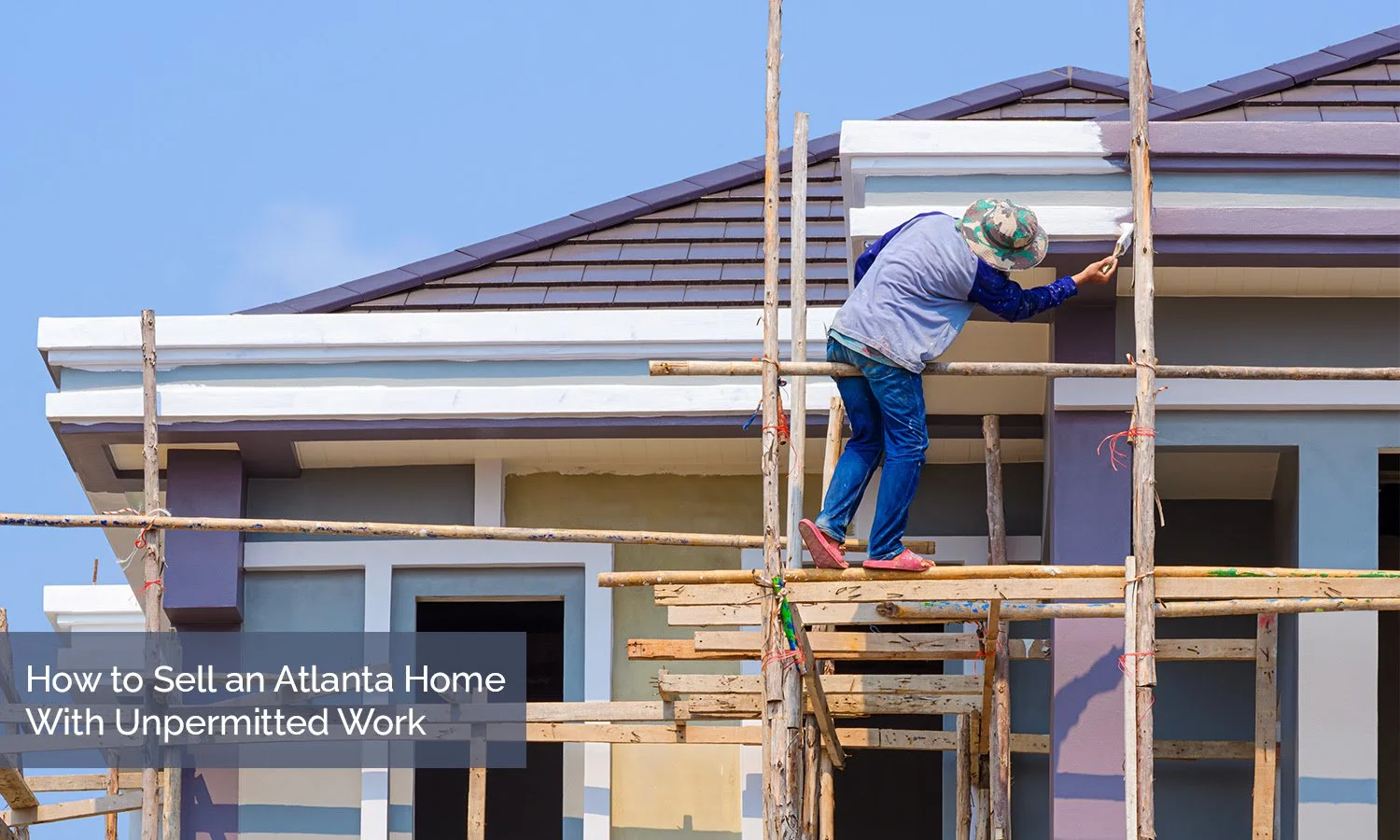
Unpermitted work can complicate a home sale, and it won't disappear on its own over time. A previous owner may have finished the basement years ago without ever pulling the right permits. Or maybe you added a bathroom a decade ago and just never filed the paperwork with the city. In either case, buyers are going to ask questions when they discover unpermitted work. Their lenders will want answers, too. Real estate agents might push for price reductions or adjustments before they feel comfortable with the deal. Atlanta expects sellers to disclose unpermitted work under the state's disclosure laws, and that's not optional. Skipping the disclosure or trying to hide the work can lead to legal problems for years after the closing is done.
This happens to plenty of sellers in Atlanta. The older neighborhoods are full of homes that have been bought and sold five or six times, and each owner added their own updates over the decades. A garage that was turned into a bonus room. A porch that got enclosed. A deck that was expanded into the yard. Usually, nobody notices any of this until an appraiser or inspector shows up and starts to compare what they actually see to what's on file with the county.
Unpermitted work on your Atlanta home won't necessarily torpedo the entire sale. But it does mean you'll need to approach it differently than you would with a traditional listing. Most buyers with FHA loans or conventional financing are going to have a pretty hard time - their lenders probably won't approve the deal. Cash buyers might still be interested, though they tend to come in quite a bit lower compared to what you'd get on the open market. Let's talk about what actually qualifies as unpermitted work here in Atlanta, what Georgia's disclosure laws expect you to tell the buyers, how these missing permits are going to limit the number of qualified buyers who are interested in your property and the main options available to you - whether you pull permits retroactively and make repairs to bring it in line with the code, or you lower your asking price to account for the issue when you put your house on the market.
Let's go through the best strategies to sell your Atlanta home with unpermitted work!
Projects That Count as Unpermitted
The first step when you deal with unpermitted work is to see if what you have actually needs a permit. Atlanta's Department of City Planning doesn't ask for permits on every home project, and most minor work doesn't need one at all. Basic repairs and cosmetic updates fall into this category, and the city tends to be pretty lenient about them. Big structural changes or anything that increases your home's square footage are treated very differently, and the city is going to want to see the permits for that work.
Garage conversions are one of the most common ways this happens. Homeowners will take their two-car garage and turn it into an extra bedroom or maybe a home office, and lots of the time, they just skip the permit process completely. Bathrooms get added all of the time without permits, too. Basements are another place where this tends to happen - a homeowner will take what was just a storage area and convert it into a full living space, and they do it all under the radar without pulling any permits.
Porches and decks can create plenty of problems for homeowners as well. The previous owner may have decided to screen in the back porch at some point, or maybe they built out a big deck off the kitchen. If they never bothered to pull the right permits for all that work, you're the one who ends up with the fallout when you try to sell.
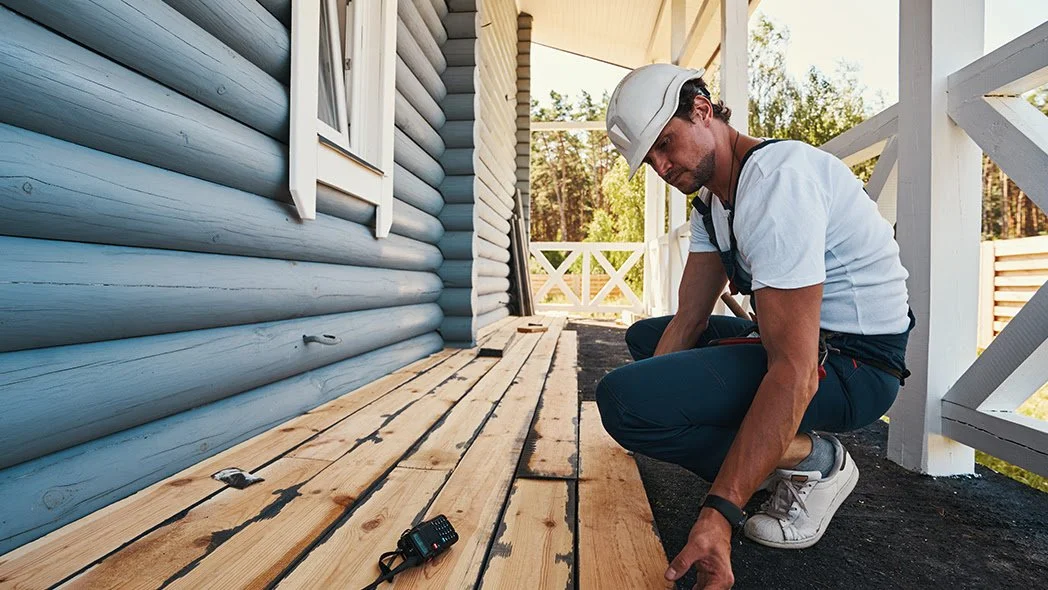
Plenty of homeowners don't have any idea they're living with unpermitted work. A homeowner might buy a house with a finished basement or an extra bathroom that's already been added. Everything looks fine and works the way it should, so there's no real reason to question any of it. Fast forward a few years to when it's time to sell, and the buyer's inspector finds out during the inspection that the work was never actually permitted. The previous owner decided to skip the entire permitting process, probably years or decades before you signed their paperwork.
Unpermitted work can look professional. A basement could be finished beautifully with lots of care and attention put into the details. If nobody ever bothered to file the paperwork with the city, though, it's still unpermitted work. How well the job was done and if it was all done legally are two separate questions.
What You Must Disclose in Georgia
Georgia has some regulations about unpermitted work that matter when you're ready to sell your house. Every seller in the state has to fill out a form (it's called the Georgia Residential Property Disclosure Statement), and on that document, you'll have to list out any material defects that you're aware of.
Unpermitted additions and changes to your home are what real estate professionals call material defects. Once you're ready to sell, you're going to have to disclose these modifications to any buyer who shows interest in your property - and the disclosure has to happen early in the process, way before anyone sits down at the closing table.

We've seen homeowners get tempted to leave this information off their disclosure forms, just hoping that it won't turn into a problem later. Maybe that addition or renovation happened 5 or 10 years back, and as far as you can tell, everything has held up just fine.
When a buyer finds out about the unpermitted work after the deal has already closed, they can sue you for it. Georgia courts usually rule in favor of the buyers in situations where the sellers hid problems they already knew about. Structural changes and home improvements that never went through the permit process fall right into that category of known problems you were supposed to disclose.
Legal claims can pop up long after you've closed on the sale. A lawsuit can land at your door months later. Buyers are going to need to prove that you knew about the unpermitted work and decided not to tell them about it. Once they can prove it, you're going to be responsible for covering the repair costs and depending on the situation, you could be looking at extra penalties on top of that.
The best way to protect yourself is to be honest on your disclosure form. Buyers will have the facts they need to decide if they want to move forward. Some buyers will ask you to get the permits taken care of before the sale closes. Other buyers might want to negotiate the price down a bit and take care of the permit situation themselves after they buy the house.
In either case, you're going to have done what Georgia law asks of you. And you've also covered yourself against any future claims that you tried to hide something significant from the buyer!
Why Unpermitted Work Limits Your Buyers
Financing is where most sales run into problems when there's unpermitted work involved. Conventional lenders are going to catch structural changes that were never permitted during the appraisal process. Most lenders will refuse to fund the loan when big additions or renovations skipped inspections completely.
This shrinks the pool of interested buyers dramatically. Your options narrow down to cash buyers or maybe a buyer who's willing to work with alternative financing. Cash buyers know what position this puts you in. With your buyer pool now at a fraction of its normal size, they have leverage - and they will use it to push for a lower price.

Your bank account is going to take a hit on this one. On average, homes with unpermitted work sell for between 5% and 15% less than similar properties where the work was documented and approved through the city. Depending on what your home is actually worth, that percentage discount can mean tens of thousands of dollars coming right out of your final sale price. One big reason for the lower selling price is the buyer pool - you're just not going to have as many interested parties who want to take care of the permit problems. The other reason is buyer protection. Any buyer who moves forward with the sale knows that they're inheriting a property with unresolved permit problems, and they want a lower price to compensate for that extra burden.
Title insurance providers can also create big problems during this process. A lot of them will refuse to issue you a policy when they find out about the unpermitted work, mainly because it creates future claims and possible legal problems. You're going to lose most of your buyers without title insurance in place - and yes, that includes the cash buyers too.
The better news is that you have a few options if you want to fix this first. A lot of homeowners will tackle the permit problem head-on and get everything worked out themselves before they ever put the property on the market. Others will adjust their asking price to account for the missing permits and then sell to buyers who don't mind taking on that responsibility themselves after closing.
Pick the Right Path for You
Finding unpermitted work at your home gives you three main options to handle it. Each option comes with a different timeline, a different price tag and a different level of effort from you.
With the retroactive permit path, you're going back to the Atlanta Department of City Planning to apply for permits after the work has already been done. You'll need to submit paperwork that shows what was completed, and an inspector will verify that everything you did meets safety codes. Permit fees usually run anywhere from $500 to $2,000, and what you pay varies with the scope of your project. An inspector has to come out and review the work in person. They may also ask you to make some changes or fix a few issues before approval (which could extend your timeline).
You could also hire licensed contractors who can take all that unpermitted work and bring it to code. It can get expensive pretty fast because older work almost never lines up with what modern codes call for. Your contractor may need to open up walls or make structural changes. On the positive side, you'll have work that's permitted and code-compliant, so it won't turn away buyers or create problems when they're trying to get financing from their lender.
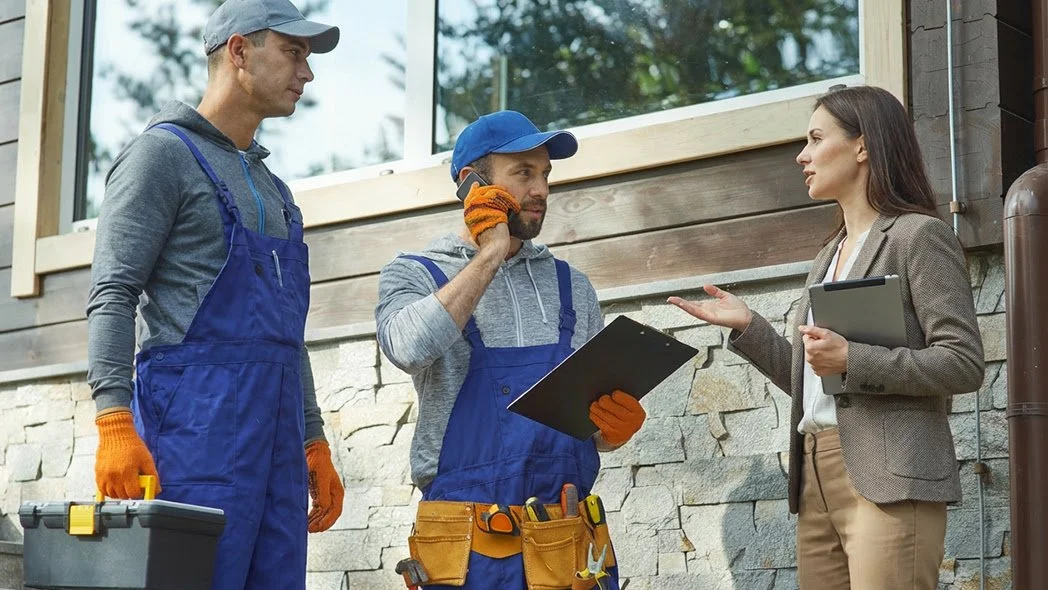
A third option is to sell the home as-is and just adjust your asking price to account for the unpermitted work. It saves you time and money right from the start. The tradeoff is that your pool of buyers gets much smaller. Traditional buyers who need a mortgage usually can't move forward with a home that has code violations - their lenders just won't approve the financing when permit problems are on the table.
Different property owners have different needs, so there's no universal answer about which path works best for your goals. Your timeline is going to be one of the biggest factors in the decision. If your goal is to sell quickly, a full retrofit probably isn't realistic. When you have a few months to work with, though, the permit path can become a lot more practical - you're likely to get more interested buyers, and you can justify listing it at a higher price.
Stay Ahead of the Buyer's Concerns
When you're ready to list your home, you'll have to know how much any unpermitted work is going to cost to fix. Contact a few local contractors and ask them for written estimates on what it would take to bring everything to code. When a buyer wants to knock $10,000 off your asking price for a problem that might only cost you $3,000 to fix, you'll have the paperwork right there to back up your numbers.
With those estimates in hand, you can price your home accurately from the very beginning. You won't be stuck guessing at how much to discount the price or just making up a number that sounds about right - you'll actually know how much to adjust based on what it will cost to fix everything. When a buyer tries to lowball you over the missing permits, you'll have the repair costs to show them instead of just accepting whatever they throw out there.

A pre-listing inspection is well worth doing as well. Find an inspector who knows their way around Atlanta's building codes and have them go through your home before it's listed. Discovering problems on your own terms keeps you in control of the conversation with buyers about what needs to be fixed and how much it's going to cost. Once a buyer's inspector finds something wrong during the inspection, you've already lost your upper hand. At that point, the negotiations are in full swing, and you'll have to explain or defend the problems as everyone's waiting for your response. Knowing about the problems ahead of time lets you be honest about them from the beginning and adjust your asking price to match what the house is worth.
An inspection report that's ready to go also proves to buyers that you've been honest about what's actually going on with your property. When they look through it, they can tell you weren't trying to hide anything from them. Of course, some of the buyers will still walk away. But the buyers who stay are already working with the same facts and information that you have. Everyone's on the same page at that point, and that means you can usually settle on a fair price without spending weeks going back and forth.
Moving to Atlanta?
Unpermitted work doesn't automatically kill a sale - it just means you'll probably need to handle it a little differently than you originally planned. Some sellers will go back before closing and get the permits done retroactively. Others take a different path, and they lower the asking price a bit to compensate buyers for the extra work involved. Deals like this close all of the time with buyers who are fine to take care of the permitting work themselves once they own the place. What matters is that you figure out which path makes more sense given your situation, and then you should be honest about everything from day one.
You should know your legal responsibilities under Georgia law before you list your house. Staying ahead of these means you won't run into any nasty shocks late in the selling process that cost you money or kill the deal completely.

Every home will find the right buyer eventually - sometimes it just takes a little more time and the right strategy to connect with buyers who see the value in what it offers, even with a few hurdles to work through. Whether you're thinking about a move to Atlanta (or maybe you're already here and ready to put your home on the market), the Justin Landis Group would love to talk with you about everything that's involved. We've worked in this market for years, and we know it inside and out, and we know how to show off homes in ways that connect with the buyers who are actively looking. Ready to buy or ready to sell? Our team will be there to talk with you about every step along the way.
Contact the Justin Landis Group, and we'll help you find the perfect match!