
Do Georgia Sellers Have to Disclose Foundation Issues?
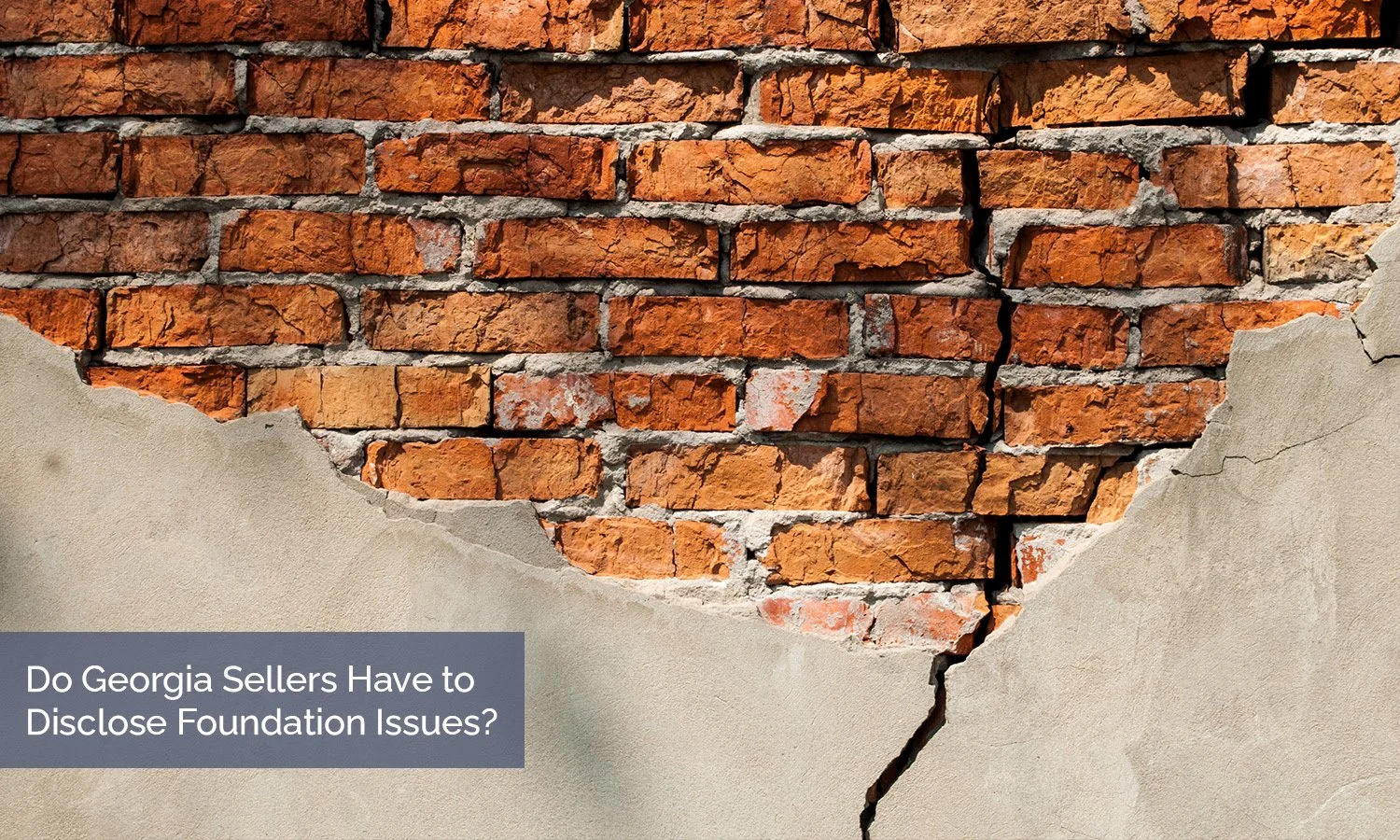
Georgia is what's known as a caveat emptor state, and what that means for buyers is that they need to do most of the homework themselves and look into the properties before they buy. Even so, sellers still can't hide problems that they already know about - like foundation problems in particular. The law actually expects sellers to be honest about any foundation problems they know about - even though buyers do most of the research on their end. A lot of homeowners aren't sure where to draw the line between what buyers need to check out on their own and what sellers are supposed to disclose.
Georgia courts treat the deliberate concealment of structural defects as a serious issue, and the penalties can be harsh. When a seller knows about foundation problems and decides to hide that information from the buyers, the law lets those buyers go after treble damages, which means triple the damages they can prove. This gives sellers a strong financial reason to be honest about what's going on with the property.
Here's what Georgia law expects if you sell a home with foundation problems.
What the Law Says About Foundation Problems
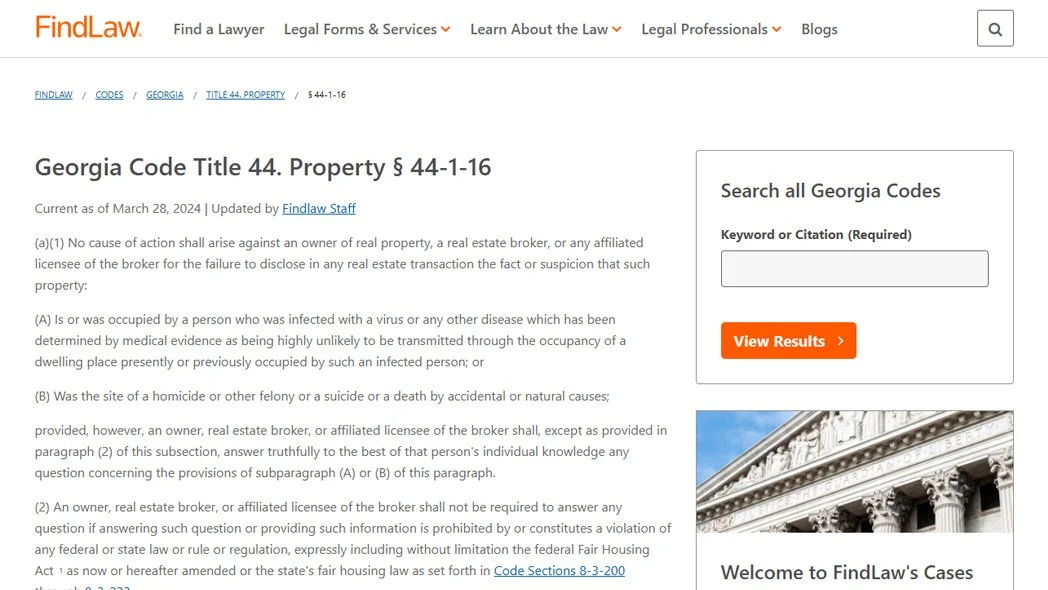
Georgia actually has a law that covers this exact scenario. The law is called O.C.G.A. § 44-1-16, and it requires all sellers to fill out a document called a Property Disclosure Statement before they can close on the sale. This statement asks a series of questions about anything and everything that might affect the home's value or its safety.
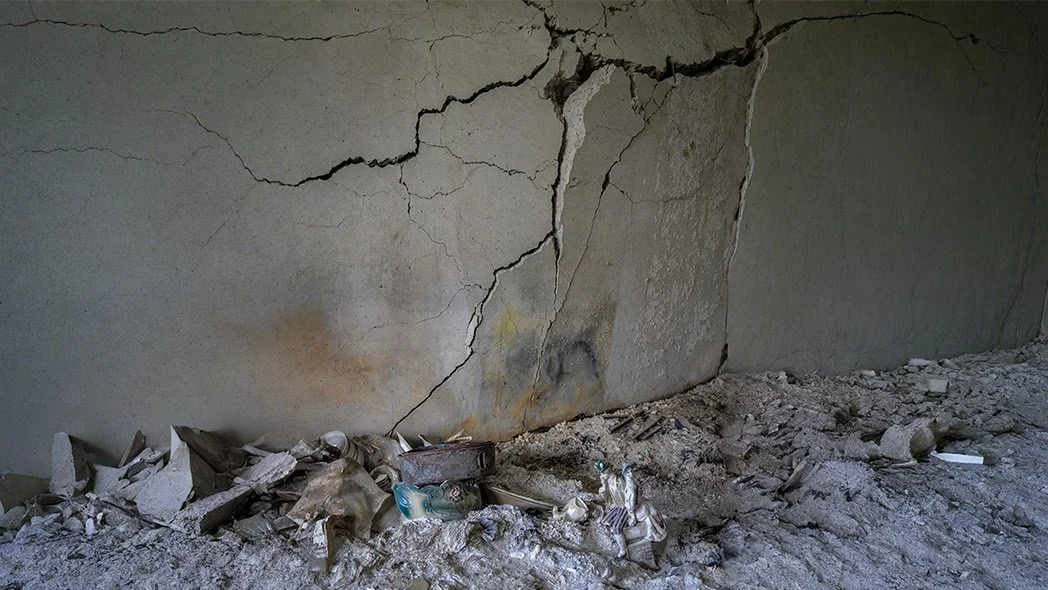
Georgia's disclosure law is built around what's called "known defects," and this means any problems that you, as the seller, have actually seen or dealt with personally. Issues like cracks spreading through the basement walls over the years or doors that refuse to stay latched because the house has settled unevenly are problems that belong on your disclosure form. The state isn't expecting you to turn into an amateur home inspector or to shell out money for an engineer to hunt down possible hidden problems. All you need is to be honest about the issues you've personally observed or experienced during your time in the property.
Georgia lawmakers put this disclosure law in place to protect home buyers from a pretty bad situation. Before this law existed, buyers could buy a house, move their belongings in and only then find out about serious problems with the property. Maybe the seller knew about foundation problems the whole time, but just decided not to say anything. Buyers would be stuck with expensive repairs that nobody had warned them about.
The disclosure form asks about foundation problems. But it doesn't stop there - it also covers quite a few other home systems and parts. Questions about the roof, the plumbing, the past water damage and a few other categories will all be included on the form. For the foundation section specifically, the form wants to know about any defects or malfunctions that you know about. Any time that the answer is yes, the seller needs to give a written explanation about what's going on.
This doesn't mean that you'll have to disclose suspicions or random guesses. All you'll have to report are the actual facts. You can write just that on the form when you've legitimately never seen any problems with your foundation, and nobody has ever said anything to you about it.
Which Foundation Problems Need Disclosure
Foundation problems are a great example of when this gets a bit tricky. A couple of hairline cracks down in your basement probably won't meet the threshold for a material defect. Bigger problems are a different story. Cracks that get bigger over time or walls that start to bow inward - these definitely count as material defects and need to be disclosed. Water seepage is another one to watch for. If moisture comes through your foundation again and again, that's something you'll have to mention to the buyers.
Foundation problems can show themselves in ways that aren't always easy to spot. A door that suddenly won't close all of the way anymore is a sign that something underneath your house has started to move around. Cracks are worth keeping an eye on too - they usually show up right above your doorframes or in those corner places where two walls meet up.
Any past repair work on your foundation also needs to be part of your disclosure. Whether you hired a contractor to fix foundation problems years ago or maybe you patched up some cracks yourself, you have to tell the buyers about it. It doesn't matter if the repairs were successful and your foundation looks great now - the fact that there were problems at all is information that the buyers need to have. You'll have to be upfront about your foundation's repair history before anyone tries to buy your property.
One way to look at this is to ask yourself if the problem would affect a buyer's choice about your house. A foundation that settles and makes your floors uneven will make most buyers pause. Structural problems that show up in an inspector's report will have the same effect on them. Problems like these fall squarely into the category of material defects.
Foundation Disclosure Forms and Required Documentation
Georgia has a disclosure form for foundation problems called the Property Disclosure Statement. Sellers have to fill this out so they can let buyers know about any structural problems with the property.
Sellers need to fill out the form before the buyer signs a buying contract, or they can give it at the same time that the contract gets signed. The timeline on this has a bit of flexibility to it. What matters is that buyers have to see it before they're locked into buying.
Part of the form is dedicated to questions about the property's condition. A few of these questions cover the foundation and the other main structural elements of the building. Sellers have to disclose every defect and every bit of damage that they're aware of - especially if any of it could weaken the structure or cause big problems for whoever buys the property down the line.

Foundation problems can come up at any point during a sale. If a seller discovers something new after they've already submitted the disclosure form but before the closing day arrives, they're legally obligated to revise it. The fact that they turned in the paperwork earlier doesn't matter. When a new problem pops up, the law says that they need to update their disclosure. The seller has to file a revised form with the new information included if any problem comes to light after the first submission.
Most sellers will usually hang on to their paperwork - repair receipts, inspection reports and any documentation from the contractors who worked on the foundation. That paperwork backs up whatever they wrote on the disclosure form. Even better, it shows buyers that they actually took care of the problems when they came up, instead of just hoping nobody would ask about them.
The disclosure form is one more document in a process that already has lots of paperwork. It ends up being helpful for everyone involved. Sellers get to create a record that documents what they knew about the property and when they actually found out about it.
What Happens When You Hide Foundation Problems
Sellers in Georgia who try to hide foundation problems from buyers are making a risky bet, and it's the kind that can turn around and cost them dearly. When buyers discover concealed defects after the sale has closed, they have legal options to go after the seller who hid the problems. Legal claims like this could force sellers to pay for the entire cost of repairs that should have been disclosed before the sale went through.
The money piles up fast when foundation problems come into the picture. Repairs alone are going to cost a few thousand dollars at a minimum for most jobs, and they can jump into the tens of thousands if the damage turns out to be very bad. On top of the cost of repairs themselves, sellers usually wind up having to pay for the buyer's attorney fees and the different court costs that pile up throughout the legal process.
If the situation gets bad enough and escalates to the worst-case scenario, a seller who hides foundation problems could actually face fraud charges. Georgia courts take this type of deception seriously. When a seller knows about a defect and deliberately hides it from the buyer (or lies about it on their disclosure forms), they're no longer just acting unethically. At that point, they've broken the law.

Buyers have a few ways to prove that a seller already knew about foundation problems before closing on the property. Old repair receipts work very well as proof. Email chains or text messages where the seller was talking about the foundation with the contractors work just as well. Neighbors can help too - they may have seen the foundation work happen at the property, or maybe they remember the seller mentioning the problems during a conversation.
Any home inspection reports from when the seller tried to sell it before can tell you plenty about what's been going on with the property. Those reports show you just what problems they knew about and when they first found out about them. Even a structural engineer's report that's been tucked away in their files for years can become helpful evidence if it goes to court. What buyers need to prove is that the seller actually knew about the defect and chose not to disclose it.
Georgia courts have sided with the buyers in these types of cases in the past. When sellers don't disclose big problems with a property, the legal system actually protects the buyers in a meaningful way. It's all designed to make real estate deals honest and fair for everyone involved, and it gives you recourse when a seller tries to hide important information from you.
Common Myths About Your Disclosure Duty
Georgia law is pretty strict about what sellers must disclose. An as-is sale doesn't get you off the hook completely. You still need to disclose any foundation problems that you're already aware of. What the as-is clause actually does is remove your responsibility to fix those problems before closing. It doesn't give you permission to hide known defects or withhold information from buyers - that's a different situation, and it could land you in legal hot water later.
Inheritance properties usually fall into a bit of a gray area for disclosure. Inheriting the house through an estate means you probably won't know everything about its history or what happened before it became yours. You'll still need to fill out the disclosure form as best as you can, and for anything you don't know the answer to, you can mark it as "unknown" on the form. Just remember that's only for matters you legitimately have no knowledge about - it's not a free pass to skip over the problems you're actually aware of.

Foundation problems can come up right in the middle of a transaction as well. Maybe an inspector finds some cracks that you never saw before, or a heavy rainstorm comes through and shows drainage problems you didn't know existed. When you become aware of these problems, you're legally obligated to update your disclosure and inform the buyer. The "I never heard about it" defense won't work here, and neither will ignoring what you have learned - even if the sale is already underway.
Age doesn't give you any pass on this. A bungalow from the 1920s has to follow the exact same disclosure laws in Georgia as a house that was just finished last year. An older home could have more problems just because it's been around longer. But that doesn't mean you can skip over telling the buyers about them.
It's actually pretty simple - knowing about any foundation damage or problems means you'll have to disclose that to the buyers. The way you sell the property doesn't change this obligation, and neither does your ownership timeline. It doesn't matter if you've owned the home for six months or sixteen years; you still have to tell them what you're aware of.
Moving to Atlanta?
Georgia law requires you to disclose foundation problems to buyers if you're aware of them. It isn't optional or discretionary - it's legally mandated, and the reasoning behind it makes plenty of sense. Foundation repairs can cost tens of thousands of dollars, and buyers deserve to know what condition the house is in before they make a big purchase. Disclosure laws like this are here to protect the seller and the buyer, and they help to make sure everyone understands what to expect before any contracts are signed.
Legal battles over undisclosed problems are messy and expensive when better communication and the right paperwork could have prevented the whole situation. Foundation problems don't always kill a sale. Sometimes the sale price gets renegotiated, or maybe the repairs get done before the final closing happens. Plenty of houses with a history of foundation problems change hands successfully when all parties know what they're working with from day one.

The documentation matters here, and Georgia has disclosure laws that spell out what you'll have to share with buyers. Honesty and transparency about problems like this actually accomplish two goals for you - they build trust with buyers and protect you legally if questions come up later.
You'll want to work with a team that knows what to look for when you want to find a place that checks your boxes. Maybe you want a quiet suburban neighborhood, or maybe you'd rather be close to the action downtown - in either case, the Justin Landis Group has helped plenty of families to make these exact decisions. Give us a call, and we'll work with you to find a home that actually feels right.