
Is Georgia a Buyer Beware State for Home Buyers?

A home purchase in Georgia is one of the largest financial decisions most of us will ever make. And still, plenty of buyers get to the closing table, sign the papers and walk away feeling great - just to find out weeks or months later that the seller never once mentioned a leaky roof that had been freshly painted over, a basement that fills with water every spring or an HVAC system that was barely holding on. At that point, it makes sense to ask whether the seller was actually supposed to disclose any of that.
Georgia law tends to favor the seller on this one. The state operates under something called the common law doctrine of caveat emptor - which is Latin for "buyer beware." What that means in practice is that the responsibility of finding problems with a property lands almost entirely on the buyer. Georgia sellers don't have to disclose nearly as much as sellers in most other states do, and plenty of buyers never figure this out until they're already deep into a deal - or worse, after they've already closed.
The laws aren't entirely one-sided, though. A seller can't flat-out lie to a buyer or give false answers to direct questions about the property. Real estate agents also have their own separate legal obligation to disclose any defects they personally know about, regardless of what the seller has or hasn't shared. These are protections, and they do matter. With that said, they only go so far, and the difference between what's mandatory and what isn't is narrow.
Georgia home purchases have their own legal rulebook, and not being sure what's in it is a gamble. A buyer who knows where the legal protections kick in (and where they stop) ends up in a very different place than one who has to learn the hard way, left spending the first year of homeownership paying for problems that somebody else already knew about.
Let's cover what Georgia's buyer beware laws mean when you buy your home!
The Truth About Buyer Beware in Georgia
Caveat emptor is a Latin phrase that translates to "let the buyer beware," and it's one of the biggest concepts in real estate. The idea is easy - the responsibility to find problems with a home falls on you as the buyer, not the seller.
Real estate in Georgia works a little differently than in most other states, and if you're a buyer, that difference actually matters. Most states make sellers hand over a full disclosure form - one that covers known defects, past repairs and anything else that could affect a home's value. Georgia doesn't follow that same law. For buyers who go into a purchase without realizing that, the consequences can be quite expensive.

Most buyers approach a home purchase with the same basic assumption - the seller is supposed to tell them about anything big. It's a fair assumption. The law doesn't always back it up in Georgia. A seller could know full well about a leaky roof or a crumbling foundation and still stay quiet about it, and once the deal closes, your legal options can be very limited.
Georgia law does prohibit fraud and intentional misrepresentation - sellers can't look you in the eye and make a false claim about the property. That part is at least reassuring. What the law doesn't make them do is volunteer anything they'd rather not share. A seller can just say nothing at all, and in Georgia that silence is usually legal (it's where caveat emptor enters the picture). The difference between actively lying and deliberately staying quiet is wide, and the law doesn't treat the two the same way. Of everything that looks off about how Georgia real estate works, that one bothers me the most.
This all comes back to you - ask the right questions, hire an inspector and do your homework before you ever sign anything. Far too many buyers piece this together well after closing, once their legal options have already narrowed considerably. A great inspector, the right line of questioning and a sense of what sellers are and aren't supposed to disclose - that's your protection here.
Georgia and the Old Buyer Beware Rule
Georgia has held onto the "buyer beware" principle for a very long time, and its courts have backed it up time and time again. The idea itself is pretty easy - a seller had no true obligation to bring up a property's flaws on their own, and it always fell on the buyer to find those problems.
This actually goes back a long way in Georgia property law. The landmark case Wilhite v. Mays (1976) is a good place to start - the Georgia Court of Appeals ruled that a seller's silence about a known latent defect the buyer couldn't have discovered could amount to fraud through passive concealment. That ruling came out of a much older legal tradition in Georgia, one that viewed buyers as capable adults who were expected to look a property over before they committed to it.
For plenty of buyers, that was a brutally hard lesson to learn. If a buyer skipped a full inspection and then turned up something like a cracked foundation or a failing septic system, the law wasn't going to help them much. Without evidence that a seller had actively lied or deliberately concealed something, that financial loss was theirs and theirs alone to absorb.

A little context goes a long way here. Early American property law was built on the assumption that a land sale was a fair negotiation between two adults who could look out for themselves. The buyer had every chance to walk the property, ask hard questions and bring in a professional - all before they signed anything. Georgia courts held tightly to that philosophy well into the twentieth century, and it put a pretty heavy burden on buyers and left them with almost no safety net if something went wrong after closing.
This also wasn't some fringe position or a quirky Georgia holdout - it was the dominant legal standard across most of the country for a very long time.
Georgia Does Not Require a Seller Disclosure
Georgia doesn't make sellers fill out a property disclosure form. Most states do (in those states, the law requires sellers to hand buyers a written account of any known defects before closing). But Georgia takes a different strategy. It's one of the few states in the country where that disclosure isn't mandatory.
The nuance comes in when a seller actually decides to fill one out. Voluntary or not, once a seller signs that form, the law expects full honesty - no wiggle room whatsoever. Any false or misleading information on a voluntary disclosure can still expose a seller to fraud claims and a handful of other legal consequences. A signature on that form still matters, whether anyone asked for it or not.
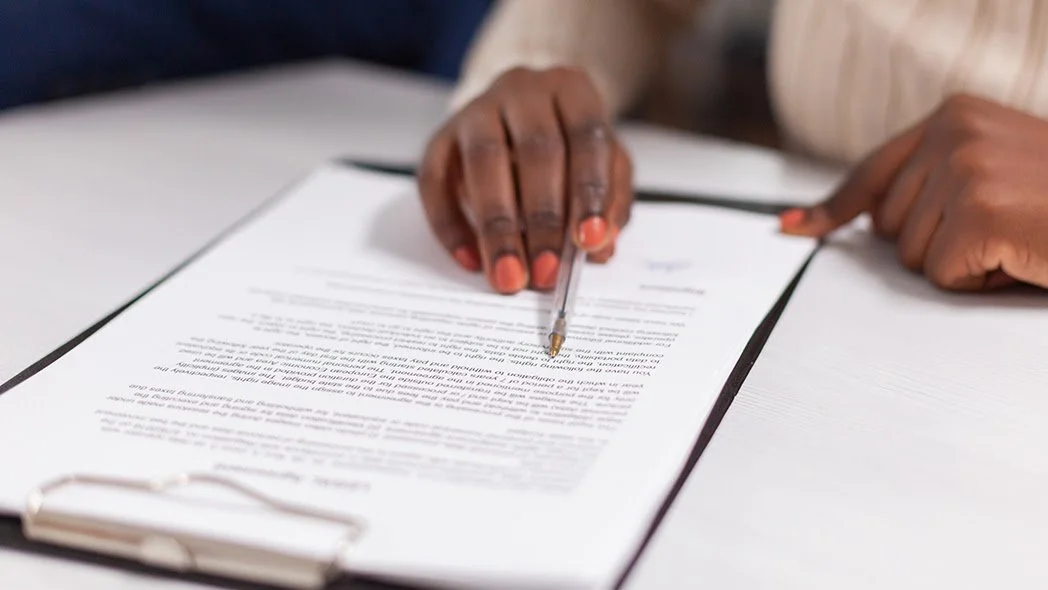
From a buyer's standpoint, a missing disclosure form doesn't have to mean something is wrong - sellers can have all kinds of valid explanations for why they didn't fill one out. What it does mean is that it pays to be a bit more active with your due diligence. A set of questions and a home inspection matter quite a bit more when there's nothing in writing to go on. Don't leave either to chance.
As for legal recourse, Georgia buyers do have some options if something goes wrong after closing. If a seller deliberately lied about a known problem (or actively hid it), there may be legitimate grounds to file a fraud or misrepresentation claim. The word "actively" carries weight in that sentence. Georgia law doesn't hold a seller responsible for silence about something they were never directly asked about. No one is expected to bring something up on their own - but once they're asked a direct question, or once they put something in writing, that changes considerably.
That said, it's a point to keep in mind on either end of the deal.
A Seller Who Lies Can Be Sued
"Buyer beware" has its limits in Georgia, and those limits carry real weight. A seller can't actively lie about a property or deliberately hide a defect they already know about. Once that happens, it's no longer just a plain failure to disclose (at that point, it crosses into fraud or misrepresentation territory). It's a very different conversation.
Under Georgia law, there's a difference between a seller who just stays quiet and one who actively covers something up. Silence on its own is one matter. But a seller who goes out of their way to mislead a buyer is a different story altogether - and Georgia courts have always treated that deliberate concealment as fraud.

Fraud and misrepresentation claims do come up under Georgia real estate law, and buyers have actually won these cases in court before. That said, a successful case can be hard to put together. At minimum, you would need to prove that the seller knew about the defect, that they deliberately covered it up, that you had a reasonable basis to trust what they told you and that you agreed to move forward with the deal.
That evidence is very hard to find after the fact. A case like this usually takes a combination of sources (old contractor records, paperwork, firsthand testimony) to draw a direct connection between what the seller knew and what they did with that information. Real estate deals almost never leave a clean paper trail that tells the full picture on its own. That gap is a big part of what makes these cases so hard to take on. The right legal support, brought in early, matters to whether any of that missing picture ever comes together.
Even so, this exception to buyer beware is a genuine one, and it's something to keep in mind. Georgia sellers can't go quiet and hide behind silence if they've done something to actively mislead a buyer - it's a protection that's worth having well before you ever sit down at the closing table.
Why a Home Inspection Is Worth It
A lawsuit over the wrong home buy is stressful and expensive. That doesn't even account for the time it takes to get one settled. The law in Georgia puts a great deal of responsibility on the buyer to investigate a property before closing, which makes prevention the much better path. A home inspection is one of the best tools that you have for just that.
A licensed inspector will go through the entire home from top to bottom - the roof, the foundation, the plumbing, the electrical system and the HVAC unit. On top of the main systems, they'll also look for signs of water damage, pest activity and mold. These are all issues that are not necessarily obvious on a standard walkthrough, and they usually turn out to be some of the most expensive ones to catch.
Little is more frustrating than moving into a new home and discovering a damp smell from the walls a few weeks later. A home inspection gives you a genuine chance to find these kinds of problems before they ever become your problems.

It's helpful to try to attend the inspection in person. Most inspectors are more than happy to explain what they find, and they'll tell you what needs attention soon versus what's just worth keeping an eye on over time. Ask whatever questions you have - as many as you like. The written report that you get afterward is worth having. But it's no substitute for standing in the basement as the inspector points directly at a crack in the foundation and explains just what caused it.
The inspection report also hands you something concrete to bring back to the table. A failing water heater or a roof that's nearly at the end of its life - those are the types of findings that give you documented proof to work with. That hard evidence helps with what you pay.
A Buyer's Agent Fills in the Gaps
Georgia's disclosure laws give sellers room to stay quiet about the details that matter most, which is where a great buyer's agent proves their worth. An experienced agent will know which questions to push sellers on, and they'll have a feel for when an answer doesn't quite add up. That local expertise is pretty hard to come by.
One of the smartest moves an agent can make is to push for voluntary disclosures. Sellers don't always have to share everything about a property, which leaves room for details to go unmentioned. An agent will ask directly and will know how to frame those questions in a way that makes a seller actually want to cooperate. Everything that ends up on paper is one more layer of protection for you, well before the closing table.
A skilled agent can also write inspection contingencies directly into your contract - it's a clause worth having. That gives you the right to walk away or renegotiate if the inspection turns up problems that the seller never disclosed. Without it, you have quite a bit less to work with once you're already past that point in the deal.

First-time buyers usually focus on the home itself and give the paperwork very little attention, which is understandable, and it happens quite a bit. A Georgia agent with strong experience has seen enough deals to know when something in a contract (or in a seller's response) is worth a second look. That knowledge is what stands between a small oversight and a very expensive one.
Georgia law doesn't make sellers share everything. That gap can work against you. An agent knows where to look and what to push on when something doesn't add up. There are quite a few moving pieces here, and the right one changes what you walk away with.
How to Keep Yourself Safe Before Closing
Georgia's buyer-beware laws put weight on the buyer's shoulders - but that doesn't mean you have to manage it alone. With the right steps in place before closing, you can walk away from the deal in a much stronger position.
First, get your questions in writing. When a seller has to put their answers about the roof, the foundation or past water damage down on paper, it's much harder for them to deny any of it later. Along those same lines, ask the seller to fill out a voluntary disclosure form. Georgia law doesn't actually make them fill one out. But a fair number of sellers will do it anyway, and whatever they write down officially goes on the record.
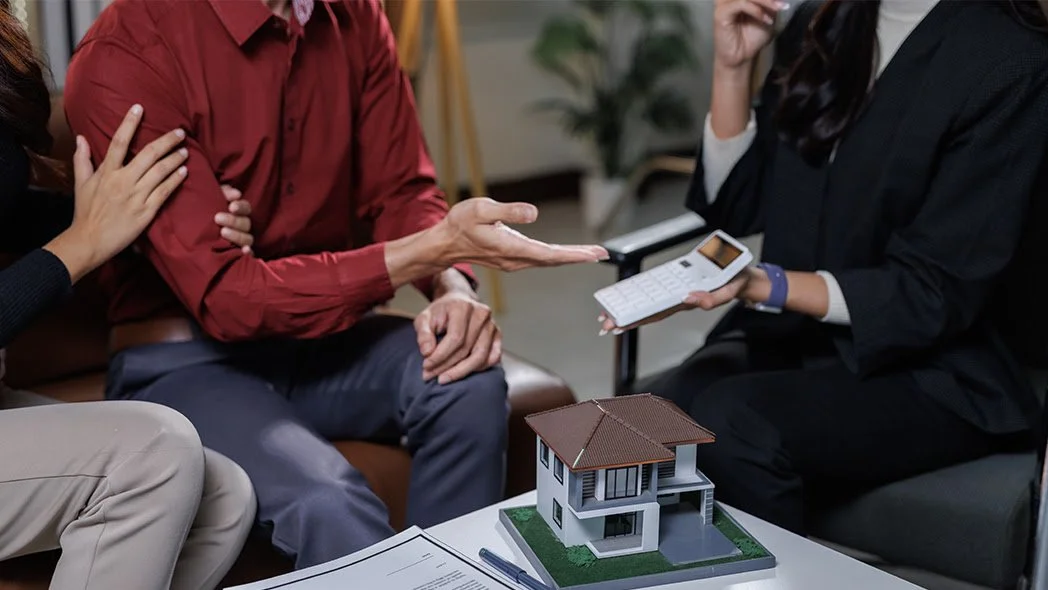
From there, get a full home inspection on the calendar as fast as you can. As you wait on that report, look into the neighborhood yourself - pull up past permits on the property, check the local flood zone maps and find out if any zoning changes have happened nearby. It's a bit more legwork first. But it pays off.
The contract comes next, and it's worth slowing down here. Read every word. If something doesn't sit right with you, get a real estate attorney to look it over. Georgia is an attorney-closing state, which means legal representation at closing is already the norm for most buyers - so you won't be doing anything unusual by bringing one in.
The biggest trap buyers fall into is when excitement rushes them past steps that they shouldn't skip. A home buy is a milestone that matters, and nobody's disputing that. One extra question or one more document to sign can be the difference between a smooth transaction and a very expensive lesson. Take your time and protect yourself.
Moving to Atlanta?
Georgia's "buyer beware" stance can be a little much - but it's not as hard to get through as it sounds. The law puts the responsibility on the buyer - it's just how home purchases happen in this state. This responsibility comes with a set of tools to protect yourself - direct questions, written answers, a careful home inspector and a team that knows the local market. None of these steps are out of reach. Add them all together, and they give you far more protection going into the deal.
That distinction is a fairly big deal, and once it lands, the whole law starts to feel much less one-sided. None of it's stacked in the seller's favor (it just asks that you come prepared and hold up your end before anything gets signed) - it's a basic standard and most buyers who go in well-educated find that it doesn't feel as heavy as they thought it would.

The buyers who actually feel confident at closing are usually the ones who asked the hard questions long before they ever sat down at the closing table (and in my experience, that part does not happen by accident). It takes the right professionals around you who know what to look for and are not afraid to push when it matters.
The right team changes a process like this - and we built the Justin Landis Group for just that. With agents who know Georgia and genuinely care about the home that you land in, every part of the process feels much less like something that you have to have figured out alone.