
Types of Homes in Atlanta and Some Common Foundation Issues
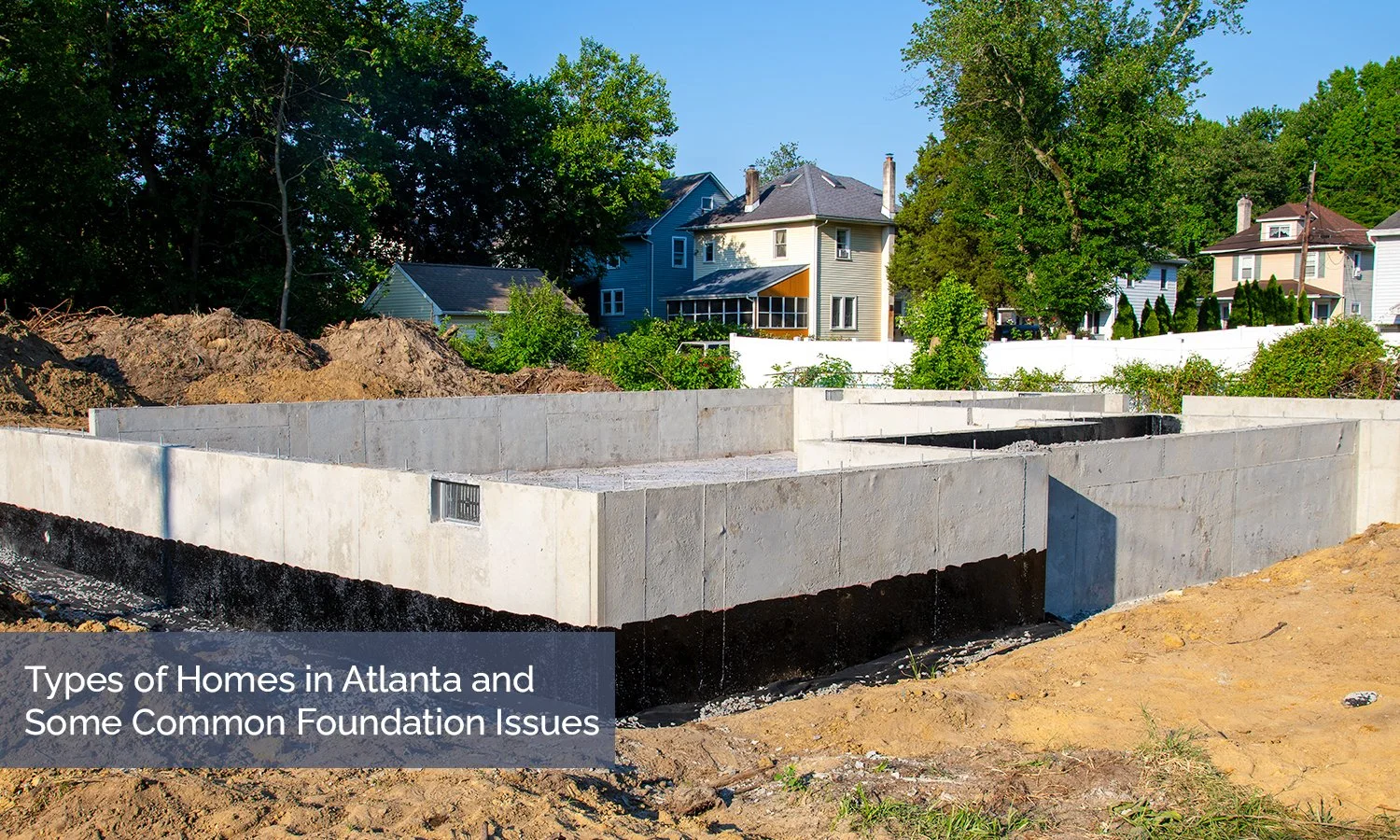
Atlanta sits on some of the most reactive soil in the entire Southeast, and that fact alone already puts nearly every homeowner in the metro at a disadvantage before a single drop of rain ever falls. The red clay beneath the city swells when it gets wet and shrinks back when it dries out. After decades of that same cycle playing out over and over, even a well-built foundation will start to feel it. Add in Atlanta's above-average annual rainfall, and the number of aging homes spread across the metro, and foundation problems are a genuinely widespread issue.
Foundation damage almost never announces itself with any dramatic warning. A door that sticks, a hairline crack above a window frame or a floor with just a slight lean to it - these are easy enough to write off as normal wear and tear in an older home. Writing them off that way is tempting, but in my experience, it's turned out to be a mistake more times than not.
Atlanta's housing stock covers a lot of ground, from mid-century ranch homes and craftsman bungalows to newer slab-on-grade builds. Each style has its own set of weak points. A pier-and-beam home reacts to soil movement in a very different way than a poured concrete slab does, and the warning signs that go along with each one are different as well. The type of foundation that a home is sitting on (and how well it works with Atlanta's soil and weather) is actually the best place to start.
A home is the single largest financial investment most of us will ever make - and the foundation is literally what holds it all together. Even a basic familiarity with how they work is well worth your time.
Let's run through Atlanta's home types and the foundation problems that come with them!
The Most Common Home Styles in Atlanta
Atlanta's housing stock is one of the more interesting ones in the South, and the style of home that you're in can tell you quite a bit about when it was built and how it all came together. The four styles that you'll run into the most (ranch homes, craftsman bungalows, brick colonials and split-levels) are scattered all across the city's neighborhoods, and each of them carries its own history.
Ranch homes and split-levels were at their peak from the 1950s through the 1970s - right in the middle of Atlanta's biggest growth period, when builders were putting up new homes left and right. Craftsman bungalows are actually the oldest of the four, with quite a few of them dating back to the early 1900s. Brick colonials fall somewhere in the middle, with most of them built between the 1960s and 1980s.
If your own home came to mind, that's a great place to start. The architecture of your home can tell you quite a bit about what work and long-term care it's going to need - and all four styles have their own very different maintenance needs.

A craftsman bungalow sits close to the ground, and its foundation was built with the materials and methods of that era. A brick colonial from the 1970s was built on a different set of structural assumptions altogether. A split-level throws in yet another layer on top of all that - multiple floor levels tied into one foundation system means there's a whole extra set of factors at play.
None of that's meant to worry you - it just gives you some context. A little familiarity with your home and what it needs can go a long way, and it makes every conversation about maintenance, repairs or renovations a whole lot more productive.
How Atlanta's Red Clay Moves Your Foundation
Atlanta's red clay soil has a well-earned reputation - it absorbs water and swells when it's wet, then shrinks back down as it dries out. It does this over and over again. That non-stop cycle puts pressure on whatever happens to sit on top of it. Over time, that pressure does add up.

Georgia's climate is especially hard on a home's foundations. The summers here get hot and dry enough to pull a fair bit of moisture right out of the ground, and then the rainy season turns around and pushes it all back in. The soil underneath a home is almost never in the same state from one season to the next (there's a steady low-level movement down there), even on the calmest days.
Even a well-built home can develop cracks over time - the ground underneath it just never quite holds still. A foundation is only as stable as the soil beneath it, and in Atlanta, that soil moves around quite a bit.
Keep this in mind long before a crack ever shows up in your wall or your doors start to stick. Atlanta's red clay doesn't care what neighborhood you live in or how old your house is. A newer build on a freshly graded lot can have the exact same ground-movement problems as a home that has stood for fifty years. From what I've seen, once something does go wrong, the repairs are usually going to be more involved. The soil will do what it does, no matter what sits on top of it.
Slab and Crawl Space Foundations Compared
A slab foundation is what the name seems like - one thick layer of concrete poured directly onto the ground. Atlanta's red clay has a reputation for swelling and shrinking as the seasons change and moisture levels rise and fall. A slab foundation moves right along with it. All that movement adds up over the years, and what you're left with are cracks in the concrete and some uneven areas throughout the floor.
A crawl space foundation is a bit of a different setup. The house is raised up just enough to leave a shallow space between the home and the soil beneath it. That space is a benefit - it gives plumbers and electricians direct access to the pipes and wiring that run under your floor without tearing anything apart to get to them. The trade-off is that all that open space gives you a perfect environment for moisture to collect. When it does, the wooden support beams start to rot, and the concrete piers holding everything in place can slowly work their way out of position.
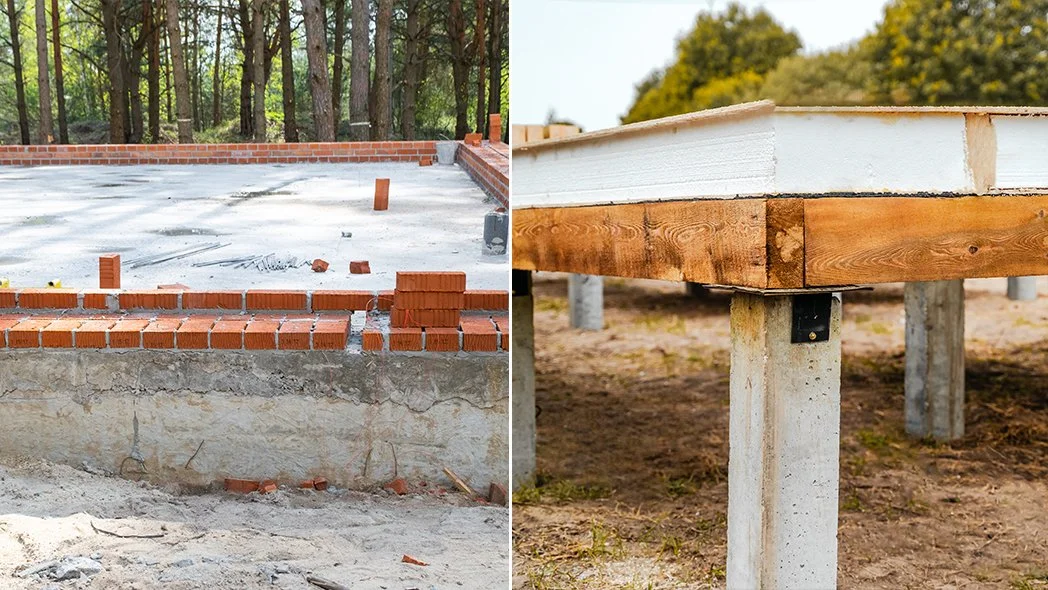
The easiest way to find out what type of foundation your home has is to start at the lowest accessible point on the outside of the house. A crawl space will have a small entry door or vent panel built into the base of the exterior walls. A quick look inside will show you the open space below the floor. If the home sits flat on the ground with no access point underneath, it's almost certainly a slab. Older Atlanta homes (especially those built before the 1980s) usually have crawl spaces, and newer construction leans pretty heavily toward slab foundations. In either case, it's a worthwhile first step - it helps you see what type of wear and movement you should actually be watching for.
What Poor Drainage Does to Your Foundation
Water is actually one of the biggest culprits behind foundation damage in Atlanta, and most homeowners never connect the two until the damage has already started. Cracks, movement and settlement can all be traced back to how water moves around and underneath your home.
Atlanta sees a fair amount of rainfall throughout the year, and the soil here soaks it up pretty fast. Once the ground around your foundation gets saturated enough, it starts to expand and press outward against the walls below your home. Then, as everything dries back out, it shrinks and pulls away from the foundation. That steady push-and-pull cycle puts stress on the concrete over time - and after enough years of it, the wear starts to add up.
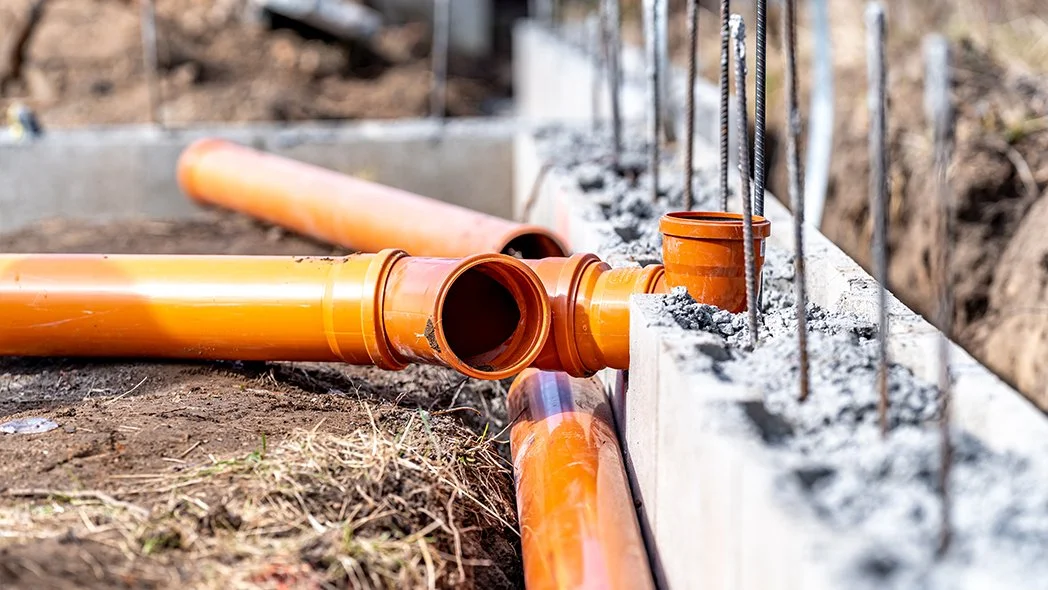
Plenty of Atlanta's neighborhoods were developed back when grading and drainage just weren't a top priority. Rainwater pools near the house instead of moving away from it, and over time, all that standing water finds its way down underneath the foundation and slowly eats away at the soil beneath it. It's a gradual process that can stretch out over years and years (quiet and invisible the whole time), and the damage it leaves behind is very real.
What makes this worse is that even small details around your property can have an effect on where the water ends up. The slope of your yard, the direction of your downspouts and even a low area in your landscaping - it all matters when a heavy storm rolls through. Water is patient, and if there's nowhere for it to go, it will find its own path. That path usually leads right back under your home.
Of all the factors that can damage a foundation, poor drainage is one of the more preventable ones - as long as you manage it before it gets out of hand. A drainage assessment will show you right where the water is sitting around your home and where it needs to go, so it can all be redirected away from the foundation before any damage sets in. It's a much easier problem to fix than a foundation that's already been weakened by years of standing moisture.
What Your Home Could Be Telling You
Doors and windows that stick are probably the most-missed warning sign on this entire list. A door that drags along the floor or a window that won't budge - it's tempting to write that off as an old house being an old house. Wood swells, and everything shifts around a bit - it's no big deal. It's worth a second look, though. That friction is sometimes the first signal a house will try to send you.
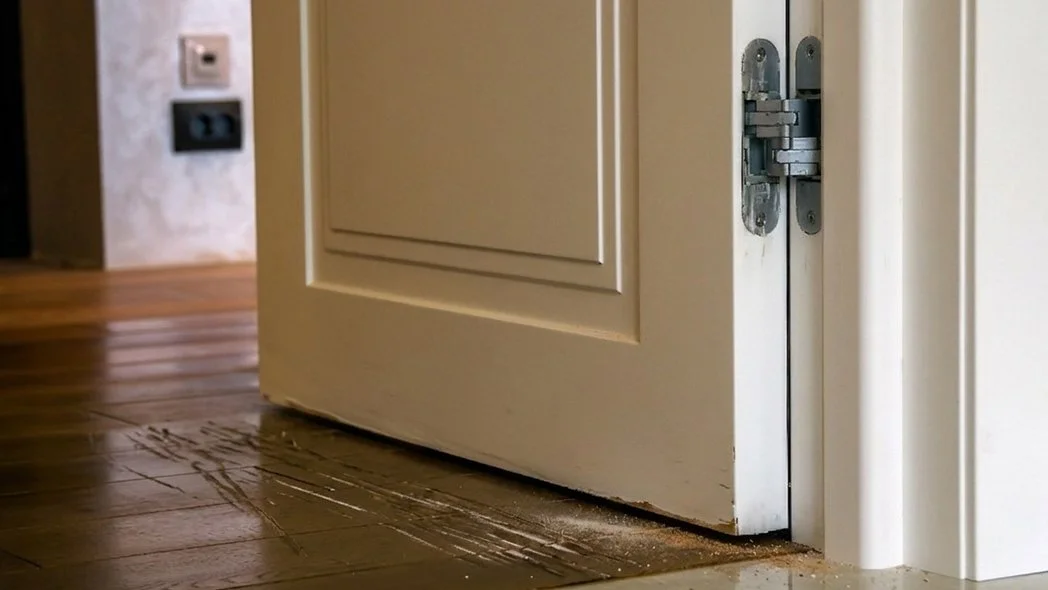
Diagonal cracks near the corners of windows and door frames are another warning sign that deserves a look. These run at an angle, and the diagonal direction is telling you something - one part of the wall has moved at a different rate than the part right beside it. A vertical crack and a diagonal crack are two very different problems.
Uneven floors are a bit harder to wave away. A round object left on what should be a flat surface is actually a pretty reliable test - if it rolls without any help, the ground beneath the home has shifted. The gaps between your walls and ceiling fall into the same category. Those separations appear for a reason, and whatever caused them is almost never something that you'd want to ignore.
None of these signs on their own is enough to draw a conclusion. A sticky door on a humid July afternoon is not worth losing sleep over. What matters is the pattern. When two or three of these issues start happening around the same time, the math starts to look very different. Most of this movement is gradual, which makes it tempting to rationalize each sign away as it shows up. What I'd say is to take a step back and look at the whole picture - a mental inventory of everything that you've picked up on over the past few months, all tallied up, tells a far fuller story than any single sign ever could.
What Age Does to Your Home's Foundation
Homes built between the 1950s and 1980s were put together with the best materials and methods available at the time, and plenty of them held up well. But what was "the best available" back then and what builders know and use today are two very different standards.
A foundation that held up well for 40 years isn't necessarily one that will hold up forever. Georgia's soil goes through full cycles of expansion and contraction every summer and winter. That repeated movement does add up over time. Minor settling that was never a concern years ago can eventually reach a point where the foundation starts to show some of the wear, and once it gets there, it tends to get worse.
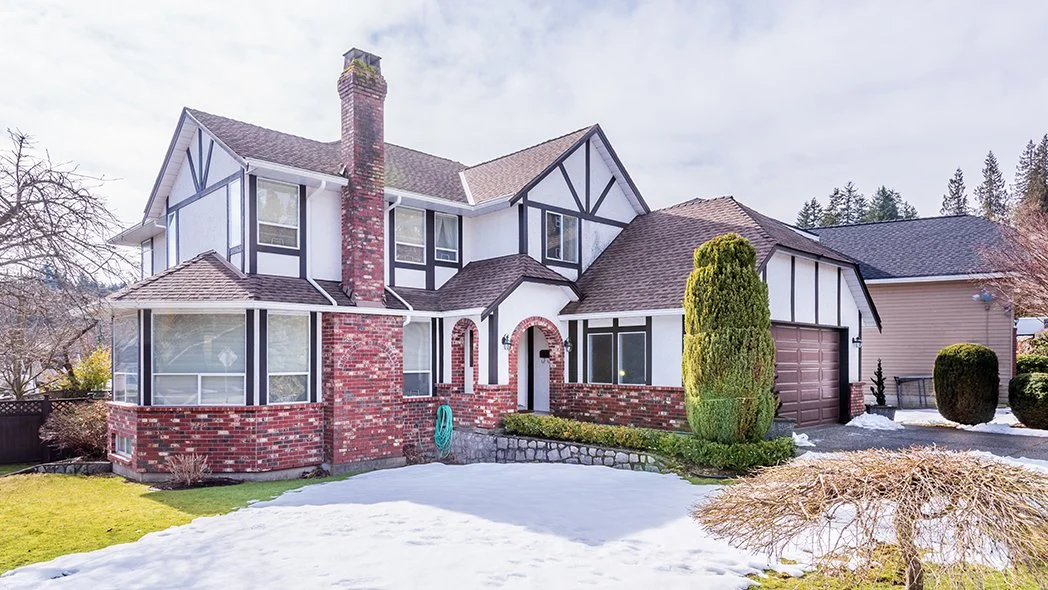
To be fair, Atlanta has plenty of great housing stock from that era, and most of it is still in great shape. Age does shift the picture a bit, though - a foundation with a clean history is a very different story from one that has a reliable future ahead of it.
If your home is from that era, it's worth paying close attention to what the structure is trying to tell you. The warning signs I covered earlier are the same ones to watch for here, and with an older home, they can move fast once they start. The foundation has already been through decades of stress and movement, so it doesn't take much to push it along. A small crack in a newer home might just sit there for years without change. In a home from 1965, that same crack probably has a much longer story behind it.
Catch Foundation Problems Before They Get Worse
Foundation problems in Atlanta don't fix themselves over time. A small crack or a slightly uneven floor can seem like no big deal for now, and most homeowners are tempted to let it sit. What starts as a minor repair can grow into a much bigger (and far more expensive) project if you give it enough time. The sooner you address it, the smaller the bill tends to be and the less of your home that has to be touched in the process.
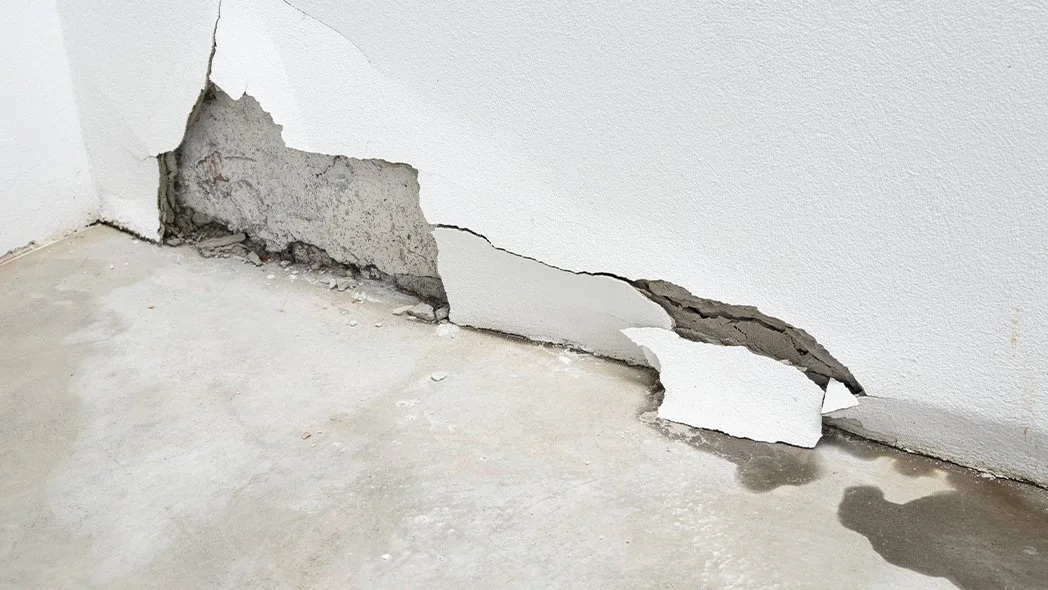
Atlanta homes face the same foundation problems over and over, and the most common repair methods are a pretty direct match for each one. Pier installation is what gets used when a foundation has started to sink or move, which is pretty common around here because of the clay-heavy soil. Crawl space encapsulation is all about moisture control - it seals the space up before that humidity has a chance to quietly work its way into the structure. Slab leveling does just what the name says - it gets a settled concrete foundation back to where it should be. None of these are unusual fixes - they're just the right response to a very local set of conditions.
You don't need a construction background for any of this. The warning signs are usually the type of issue that you can catch on your own with just a little bit of help. A door that sticks or won't close right, a floor that feels uneven underfoot, a crack running along a wall - these are all worth getting checked out. Knowing what to look for and acting on it before it gets worse puts you in a much stronger position as a homeowner in this city.
Moving to Atlanta?
Atlanta's housing market doesn't look like much else in the country, and its foundation challenges are a big part of why. The clay soil that swells and shrinks with every rain cycle, the heavy seasonal moisture, all kinds of foundation types and decades-old housing stock combine to make foundation problems practically inevitable for Atlanta homeowners at some point. The good news is that none of this has to spiral into a big problem. Most of these problems give you plenty of warning before they get too far along, and the earlier you act on them, the easier and less expensive the fix tends to be.
Foundation problems in Atlanta are pretty common, so finding one doesn't have to feel like a disaster - or at least not immediately. What actually matters is how fast a homeowner moves once something starts to show. A sticky door or a diagonal crack above a window frame is not the end of the world - it's more of a sign to get started before it gets worse. The homeowners who come out ahead are usually the ones who took those early signs to heart instead of letting a small problem turn into a much bigger one.

Atlanta is a city where every neighborhood has its own rhythm, and almost every street corner has its own story, which can make the search for the right home here interesting and a little bit tough. The right team behind you can change everything about that experience - it's what Justin Landis Group is all about. Whether a quiet place in the suburbs is a better fit for you or you'd like to be closer to the heart of the city, we're here to help point you in the right direction. Get in touch with Justin Landis Group, and we'll help you find a home that you'll love!