
Septic vs Sewer Costs for Atlanta Suburb Homes
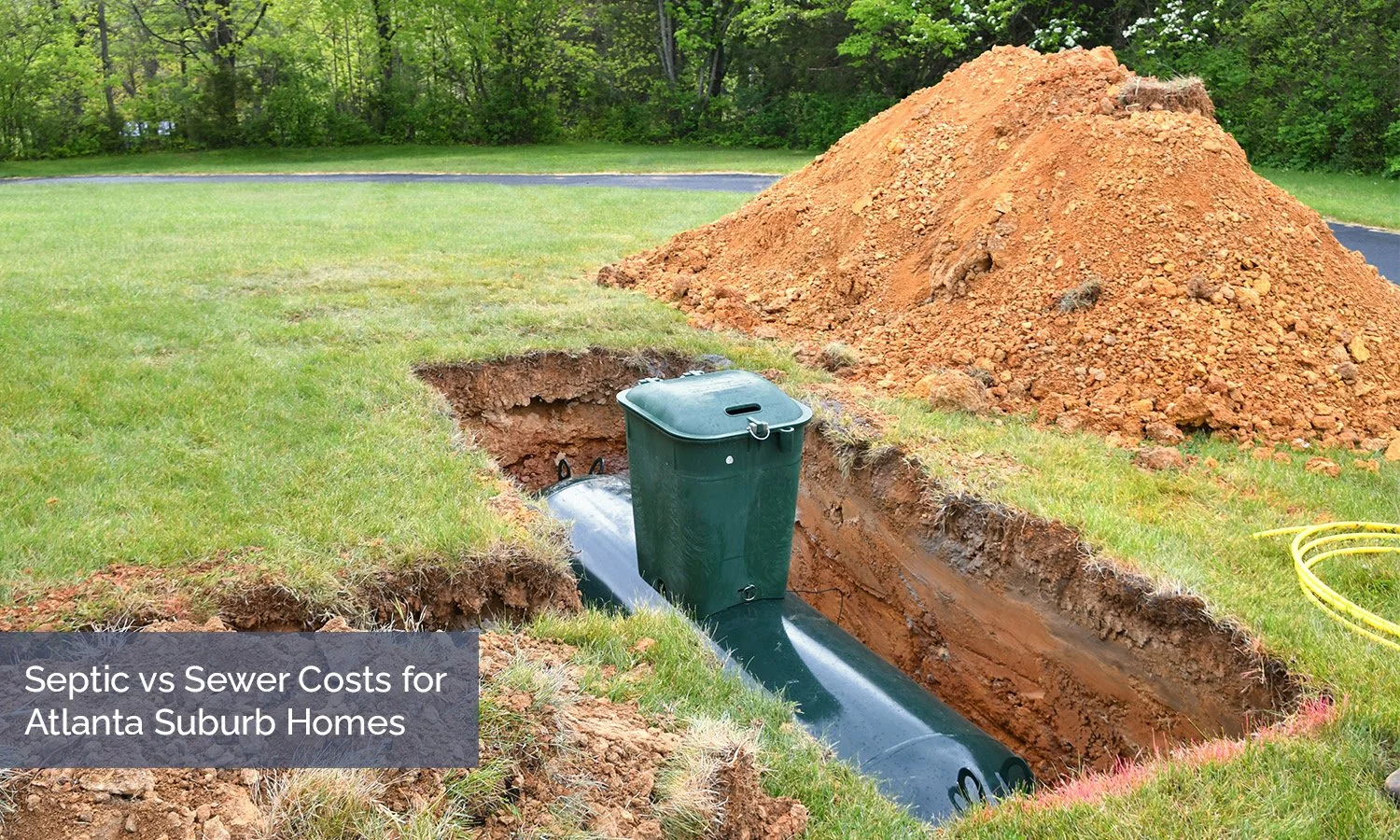
Atlanta's suburban sprawl draws a pretty sharp line in how homes manage waste, and if you're buying property in the area, it's worth figuring out which side of that line you land on. The closer-in communities (places like Marietta and Decatur) run on long-established municipal sewer networks. Venture farther out toward the outer counties and private septic systems buried deep in Georgia's notoriously stubborn red clay become the norm. Neither option is automatically a bad one, and plenty of homeowners are pretty happy with either setup.
The two systems place very different demands on you as a homeowner. With a sewer connection, your job is pretty easy - pay the utility bill and leave it alone. A septic system is a much bigger commitment. You'll need pump-outs every few years, periodic inspections and the occasional drain field repair so everything keeps running the way it should. And if something does go wrong with the tank or the lateral lines, that repair bill is yours alone - no city to call, no shared infrastructure to fall back on.
That's where plenty of buyers land in hot water. Most of them close on a property without ever looking into the waste system and then a few months later they're hit with pump-out fees, permit paperwork or drain field repairs that were never anywhere near the budget. A little research before making an offer can protect the purchase price and the long-term value of the home.
The factors worth paying close attention to are the up-front connection or installation costs, the maintenance schedule, the soil conditions on the property, the applicable county laws and what resale effect either system might carry a few years out. In my experience, any one of these variables can move the numbers on whether a property ends up being a buy - or just a slow financial drain.
Let's break down these costs so you can make the right call.
How Much Each System Costs to Install
Waste management costs in Atlanta's suburbs have a pretty wide range. A new septic system installation will usually run anywhere from $3,000 to $15,000, and the number can climb even higher based on the property size and the type of system it needs. Sewer hookups are a different story, with prices that can land anywhere from $1,500 to well over $20,000. That gap exists because the two options mean very different cost structures, and the property itself plays a big part in which end of the range you land on.
That $1,500 figure is real. But it comes with one condition attached to it. A house has to be right next to the main sewer line for that price to hold up. Every extra foot of distance between the house and that line means more pipe, more labor and more materials. That adds up fast. A home that's even a few hundred feet from the main line can realistically see its total hookup cost climb into the tens of thousands. You should confirm the distance to the line before you ever get to a price estimate.
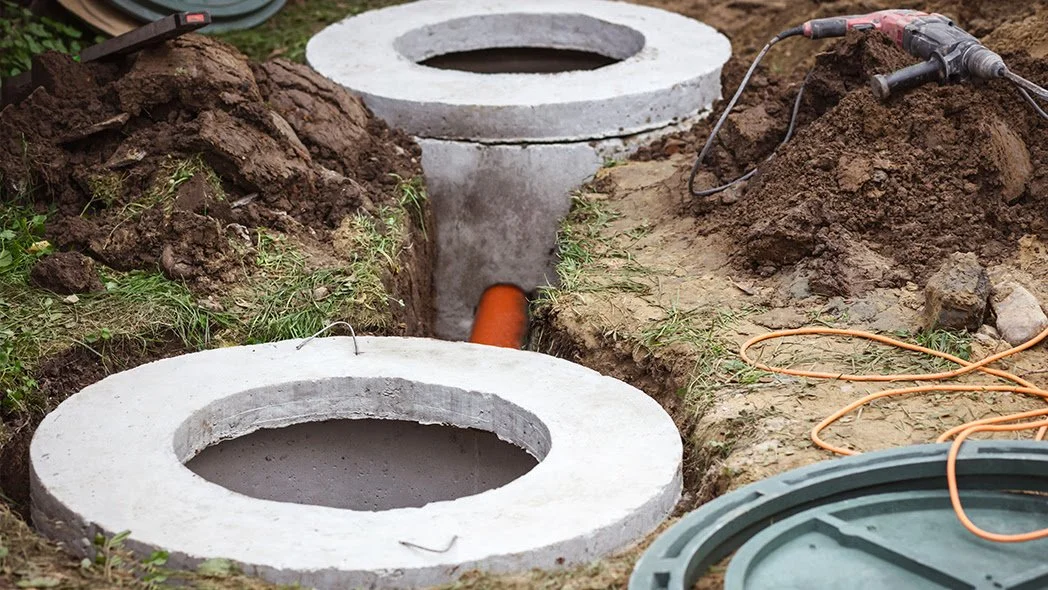
Buyers go into sewer hookups with the assumption that it'll be the cheaper option. But that's usually where the numbers start to fall apart. What you'll actually pay for a sewer connection depends almost entirely on how far the home sits from the nearest access point - and out in Atlanta's outer counties, suburban lots are usually far from one. A quick conversation with the local utility or county office helps you avoid unexpected costs.
Where You Live Shapes Your Wastewater Setup
Where you land in the Atlanta metro area will tell you quite a bit about which system you're probably working with. The outer suburbs (places like Paulding, Barrow and Pickens counties) run heavily on septic. Those lots are usually much bigger, the neighbors are farther apart and public sewer lines that far out never made much financial sense for anyone.
The closer you get to Atlanta, the more that changes. Cities like Marietta and Decatur have been on public sewer systems for decades - the infrastructure is well established at this point, and any new construction in those areas will automatically connect right into it.
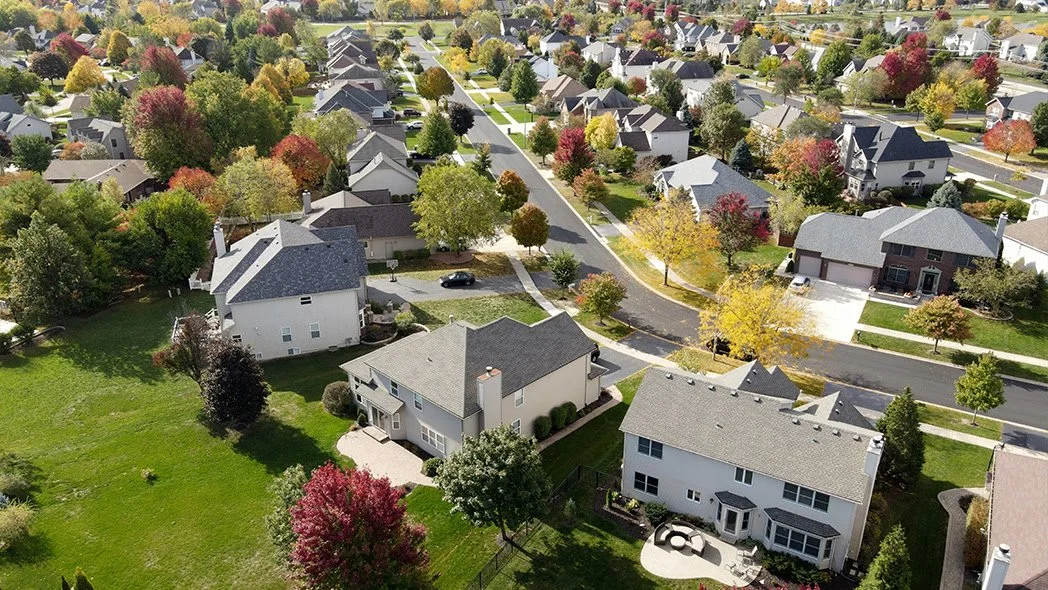
Most buyers don't think to ask about the wastewater setup until they're already deep in the process - and by that point, plenty of them are already pretty attached to the home. Personally, I'd push you to get ahead of this much earlier than that, because it doesn't take much to fall in love with a neighborhood for the commute or the school district, to sign a contract and never once ask what the wastewater setup actually is. The utility setup almost never comes up before the inspection, which is usually too late to help in the final choice.
A general guideline is to let the location set your expectations. Homes inside city limits or near an established town center are a pretty safe bet for public sewer. A half-acre lot in a county that still feels rural more than likely has a tank buried somewhere out back. In any case, your agent or the local county health department can tell you just what's in place - and it's worth asking early on, before you get too far along with a property.
The Trouble With Red Clay and Septic Systems
Georgia's red clay soil has a beautiful look to it - its rich red color really stands out. The downside is that it drains extremely poorly - it's a problem whenever a septic system is involved. A drain field needs the surrounding ground to slowly absorb and filter out wastewater, and red clay just isn't built for that - it resists absorption, holds moisture near the surface and makes life hard for any septic system out there.
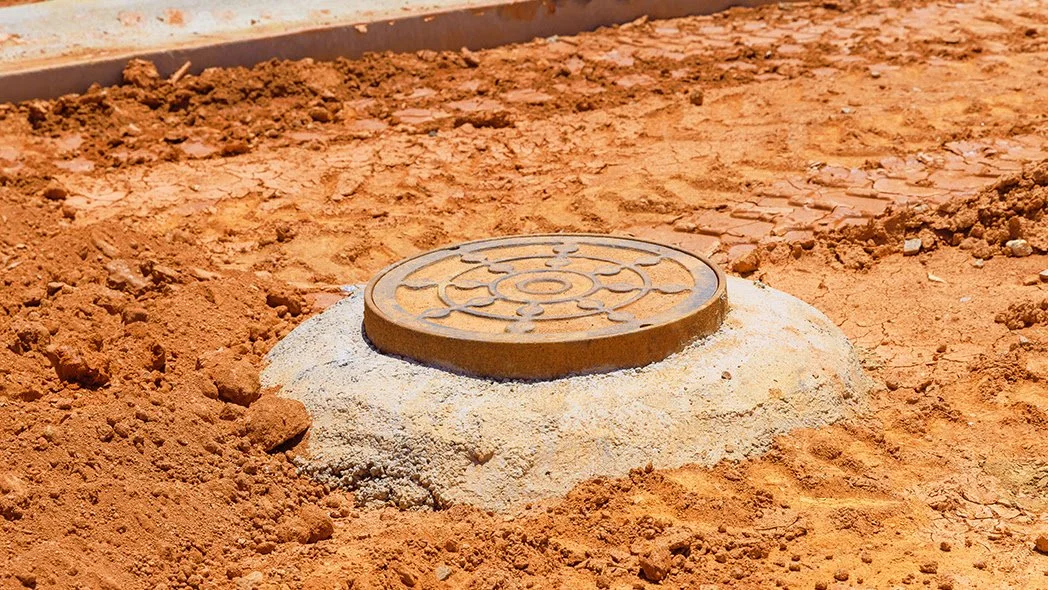
Poor drainage in the soil can take a standard septic system right off the table. At that point, an alternative system is the only path forward - and these systems aren't cheap. Between the higher installation costs and the added maintenance costs over the years, it can all add up fast.
Sloped lots and low-lying or wet areas are worth a careful look before you close on anything. A slope that looks fine can still send wastewater in the wrong direction. Land that already holds plenty of moisture just doesn't have much room to absorb anything more. Buyers find a plot of land that they love, draw up their plans and then get the perc test results back - and find out that the ground won't support a conventional system. That one test can change the financial picture on a buy, and it's one of the more painful lessons I see play out in this process.
What's underground matters just as much as what's above it.
Septic and Sewer Bills Over the Years
The sale price of a home with a septic system is the starting point of what you'll wind up spending on it. Every three to five years, the tank has to be pumped - and in the Atlanta metro area, that'll run you anywhere from $300 to $600 each time. At least it's a pretty predictable expense, which makes it pretty easy to budget for ahead of time. Homeowners connected to a public sewer never have to account for this cost at all.
A drain field repair is usually the number that changes the whole conversation. If the drain field fails, you could be looking at anywhere from $5,000 to $25,000 in repair costs - it's not something most homeowners have budgeted for. Homeowners connected to a public sewer line never have to worry about a bill like that.
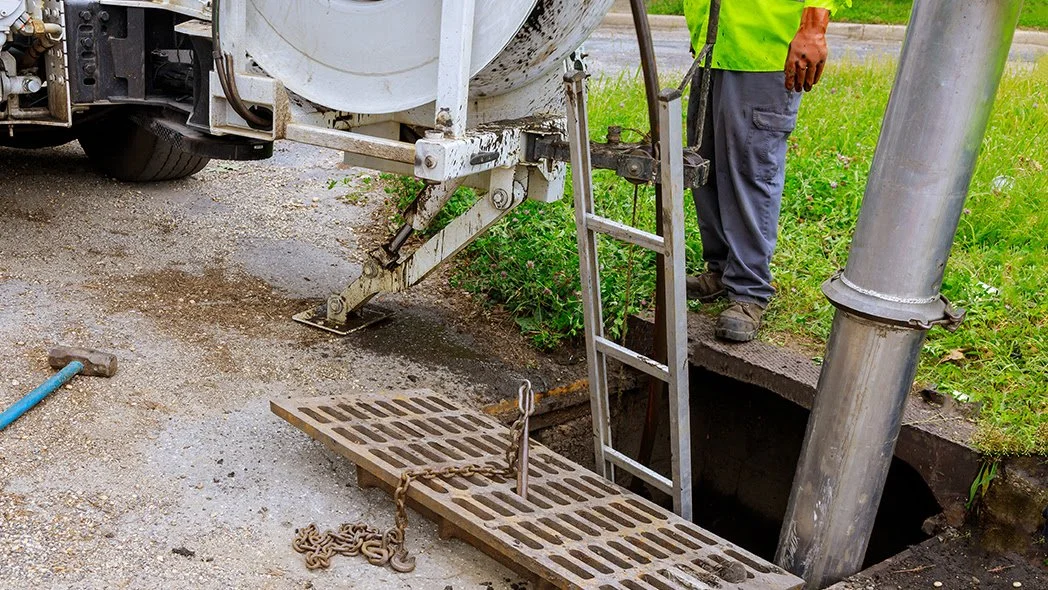
Pump appointments are pretty tempting to put off - and that's right where the costs start to grow. A little buildup in the tank tends to go unnoticed, and if left alone long enough, it can work its way into the drain field. At that point, a normal maintenance bill turns into a full system repair - and those are two very different bills to face.
Public sewer connections have their own normal costs, of course. Monthly sewer fees in the Atlanta suburbs usually run anywhere from $30 to $60, and while it adds up over time, it stays pretty steady from year to year. For plenty of homeowners, that sort of predictability does matter. Others would rather own their system outright and take care of it themselves - even if that means a bit more responsibility on their end. Neither option is free - and the more you know about what each one actually costs over a ten- or fifteen-year stretch, the better position you'll be in to make the right call.
How a Septic System Affects Your Home Sale
In the closer-in Atlanta suburbs and higher-priced markets, buyers and appraisers usually favor homes on public sewer. A septic system adds a layer of friction that can slow a sale down in those areas. In a competitive market, that's not something you want against you.
In more rural areas, it's a different story. Buyers in those markets already know what septic is and what it means - it's just part of life out there, and most of them don't give it a second thought.
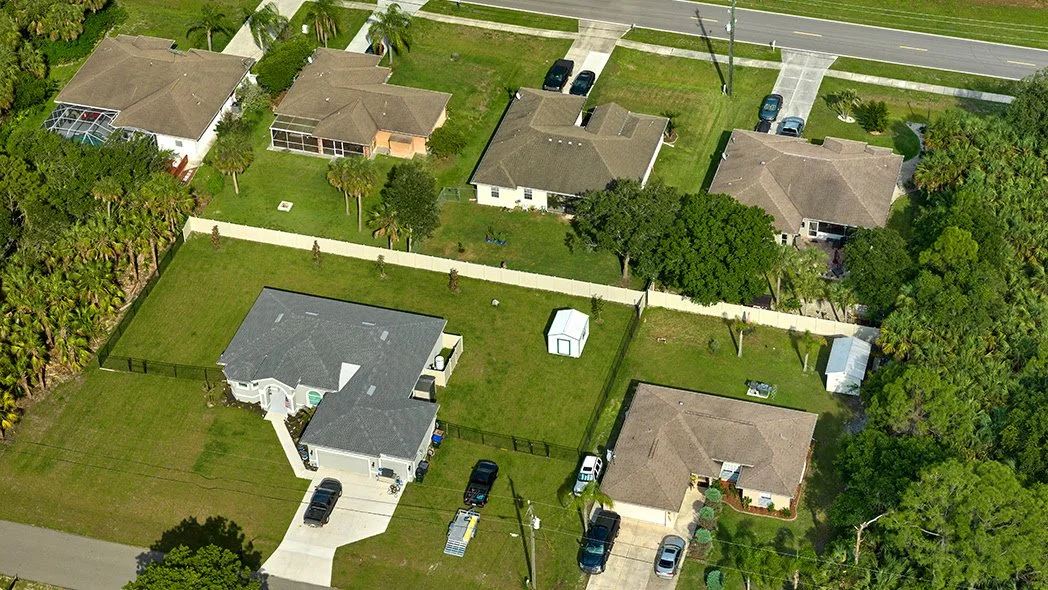
Condition is what moves the needle here. A drain field with early signs of failure can stop a sale cold or pull an appraisal down faster than almost anything else on the property, which is why the records that you've kept up over the years are worth their weight in gold - pump-out receipts and inspection reports give a future buyer something concrete to hold onto, as hard proof that the system has been cared for. That documentation builds confidence with buyers, and it tends to pay off when you get to the negotiating table.
Staying in the home for the long haul is one scenario. But if there's a chance you'll sell within the next decade, the local buyer pool deserves some thought before you put money into a wastewater system. What buyers want can change quite a bit from one area to the next - even within metro Atlanta, so there won't be one universal answer to this.
Permits and the County Rules That Matter
In the Atlanta suburbs, counties like Cherokee and Forsyth each have their own laws around septic installs and sewer connections, and the whole process can look pretty different depending on where the home sits.
For a new septic system, the county health department approval has to come first. The review covers soil conditions, the lot size and the planned system design, and none of it can move forward until that sign-off is in place. That approval process takes a fair amount of time, and neither a buyer nor a builder can do much to speed it along. Before you lock in any hard deadlines, it's worth learning what your county's timeline actually looks like.
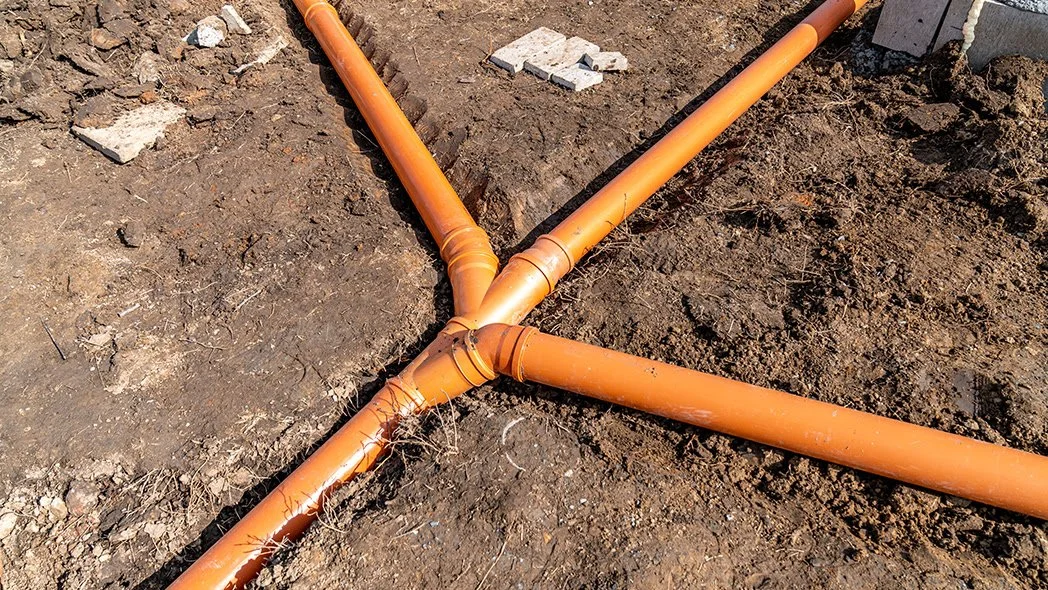
Sewer connections usually mean a few extra layers compared to other utilities. Easement agreements sometimes need to get worked out before a tap-in is even an option, and the utility authority still has to approve the connection on top of that.
For sellers, permits are where it matters most. If a septic system was installed or modified without the right paperwork, that gap usually surfaces during a home sale. A buyer's inspector or attorney will pull the records, and an unpermitted system can stall the deal or stop it altogether. Permit problems that come up after the fact are messy and expensive to sort out, and they put pressure on a transaction right when everything should be moving forward. The paperwork costs much less to manage early - it's worth keeping in mind whether you're the one who builds or the one who buys.
Ask These Questions Before You Sign Anything
None of these are trick questions. A seller who has taken care of their property should have no problem answering every one of them, with actual paperwork to back it up. If the answers start sounding like "I think so" or "probably," pay attention - those are usually pretty reliable signs of what you're actually walking into.
One of the more expensive mistakes that a buyer can make is trusting a seller's word without any documentation to back it up. Septic systems can hide years of deferred maintenance - a walkthrough won't tell you much about what's going on underground. The same goes for sewer connection costs. The distance from the property to the nearest sewer line is a concrete number, and it's something that you want to confirm on paper before you close - not after.

Fortunately, most of this information is pretty easy to track down before any money changes hands. County records will show you what permits were pulled and when. A licensed inspector can go through the system with you and give you an honest picture of its condition. It's also worth having your agent ask for any existing inspection reports early on - well before you're anywhere close to signing anything.
With that information locked down before closing, you won't be left to cover an unexpected expense on your own. Atlanta's suburban properties are an investment, and the ones on private septic are worth a look - they just deserve a bit more attention during the process.
Moving to Atlanta?
The right system does depend on your situation - where the property is, what the soil can take, what your budget allows and how long you're looking to stay. These factors usually point different buyers toward different answers. Neither septic nor sewer is a bad deal on its own. The issue usually starts when buyers go in without a sense of what they're committing to.
The buyers who walk away from closing with confidence are usually the ones who asked their questions early and pushed for some documentation before they ever signed - that's not overthinking; it's just careful preparation. A pumping record, a perc test result or a permit on file with the county are all pretty easy to track down.

Before a single signature goes on anything, get the inspection done, run the tests and get every question answered. Get the paperwork in hand first. What's actually in the ground beneath that property is something you should nail down before it's legally yours - and in my experience, those who skip that step usually wish they hadn't.
A knowledgeable local team can make this a whole lot more manageable. The Justin Landis Group knows these markets well, from the quieter outer suburbs to the neighborhoods closer to the heart of the city, and our agents help you find a home that fits your life. Get in touch with the Justin Landis Group, and let's get you there.