
Should You Test for Radon Before Buying in Atlanta?
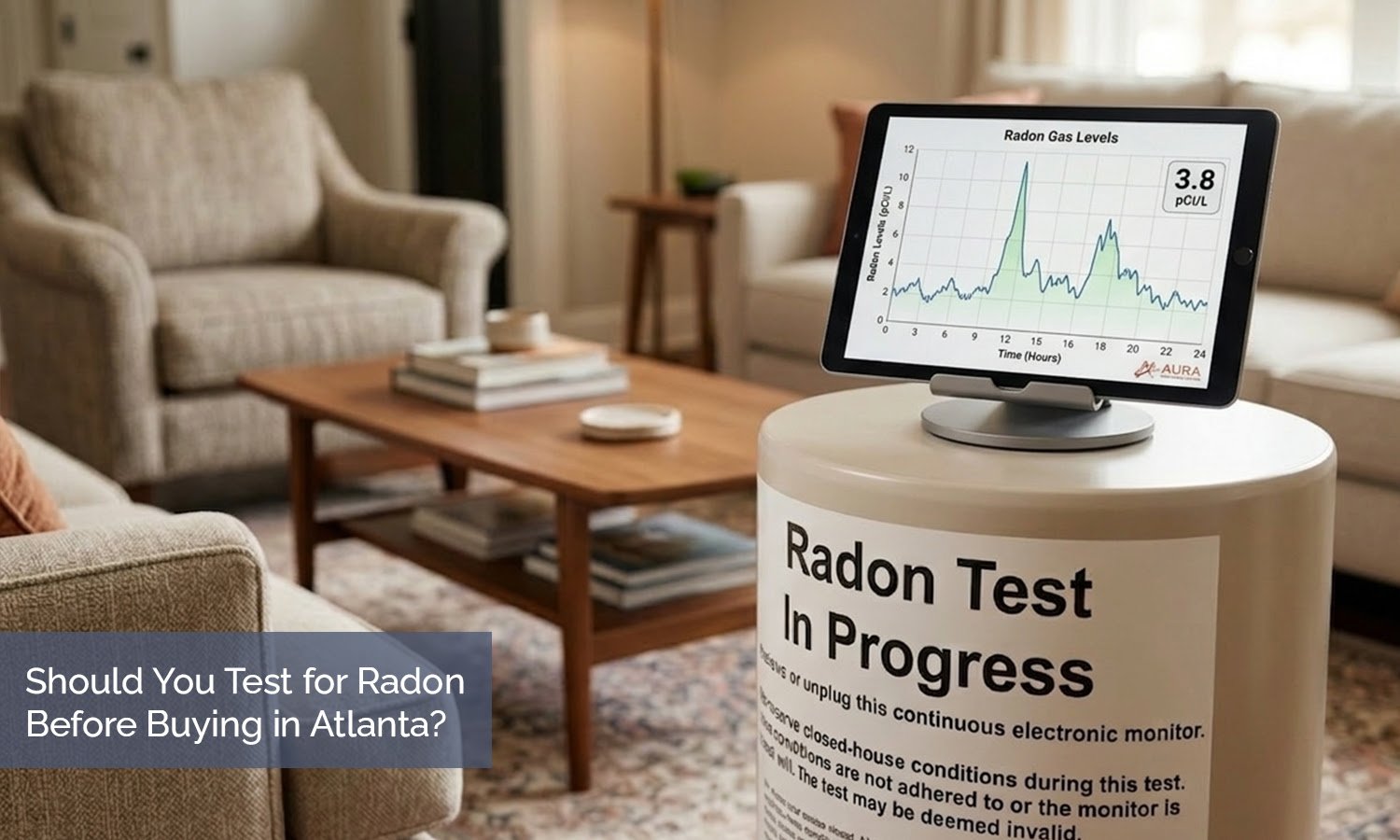
Radon is the second leading cause of lung cancer in the United States, and the EPA attributes an estimated 21,000 deaths to it every year. Georgia alone accounts for roughly 800 of them annually - a number that's hard to forget. Atlanta falls in EPA Zone 2 (a moderate - risk designation where testing is recommended), and yet radon testing is one of the most frequently skipped parts of the entire local homebuying process.
The disconnect between how dangerous radon is and how infrequently it gets tested is a problem. A home can look perfect on paper, pass every other inspection and still have a radon issue that no one ever caught - just because no one ever thought to look for one.
The cost of skipping the test is a timing problem, more than anything else. A high radon reading that shows up after closing puts the entire financial weight on the buyer - no negotiation, no seller contribution and no bargaining power whatsoever. A quick test before closing changes everything. If the numbers come back elevated, the buyer actually has options - they can push for a price reduction, make the remediation a condition of the sale or walk away with their deposit still in hand. Once the deal is signed, every one of the options is gone.
The test itself is pretty easy - it fits right into a normal due diligence window, doesn't need much coordination to set up and usually runs between $150 and $250, based on who you hire. For what will more than likely be the biggest financial transaction of a buyer's life, that's a very small price to pay to check for a confirmed carcinogen.
Radon mitigation after the fact can run anywhere from $800 to $2,500 or more. By comparison, a $200 radon test is a worthwhile investment - and it's probably one of the best financial decisions a buyer can make before signing anything!
Let's find out if radon testing should be on your Atlanta homebuying checklist!
Why Atlanta Homes Have a Radon Risk
Atlanta falls under EPA Zone 2, which is a moderate-level classification that applies to most of northern Georgia and the wider metro area. The region doesn't carry the same level of radon problems as you'd find in parts of the Midwest or Northeast, since it has a moderate rating - and at a big-picture level, that's a pretty fair way to look at it.
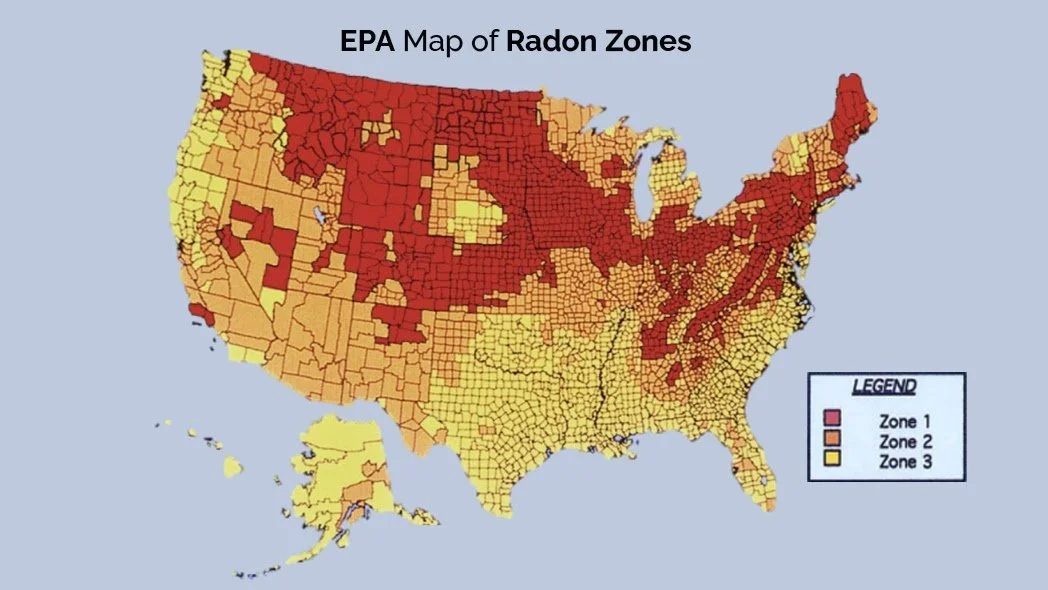
Soil composition in Georgia can vary dramatically from one neighborhood to the next - and sometimes from one lot to the next. A regional average doesn't tell you a whole lot about what's going on beneath any one particular house, since zone ratings are calculated across wide geographic areas. Two homes on the same street can produce very different test results - it's not unusual at all.
The Georgia Department of Natural Resources runs a statewide radon tracking program, and its data confirms this. Even in moderate-level zones, a fair number of homes have still tested above the safe radon levels. A zone designation works as a general guide instead of a definitive answer.
When you're in the middle of buying a home in Atlanta and a Zone 2 radon rating comes up, it's worth putting that number in the right context. What a zone rating tells you is a big-picture regional trend - a general read on radon patterns across a wide geographic area instead of on-the-ground conditions underneath the property that you're looking at. Zones are a planning tool, and they have their place. But they aren't a guarantee about any one home. The only reliable way to know what's actually going on at a particular address is to test the home itself.
What Do Radon Levels Mean for You
The EPA has set the radon action level at 4 picocuries per liter - that's the point where they officially recommend that you take action on the radon in your home. For a bit of context, the national indoor average is only about 1.3 pCi/L, which means a reading of 4 already puts you well above what most households register.
Radon is measured by the amount of radioactive decay that happens in a liter of air every second - that number rises the more gas your home pulls in from the ground beneath it. The jump from 1.3 to 4.0 pCi/L is not a small one, and it carries more weight now that we're talking about the air in the room where you sleep every night - it also helps to remember that radon exposure is cumulative, so years spent at a moderately elevated level add up in a way that matters.
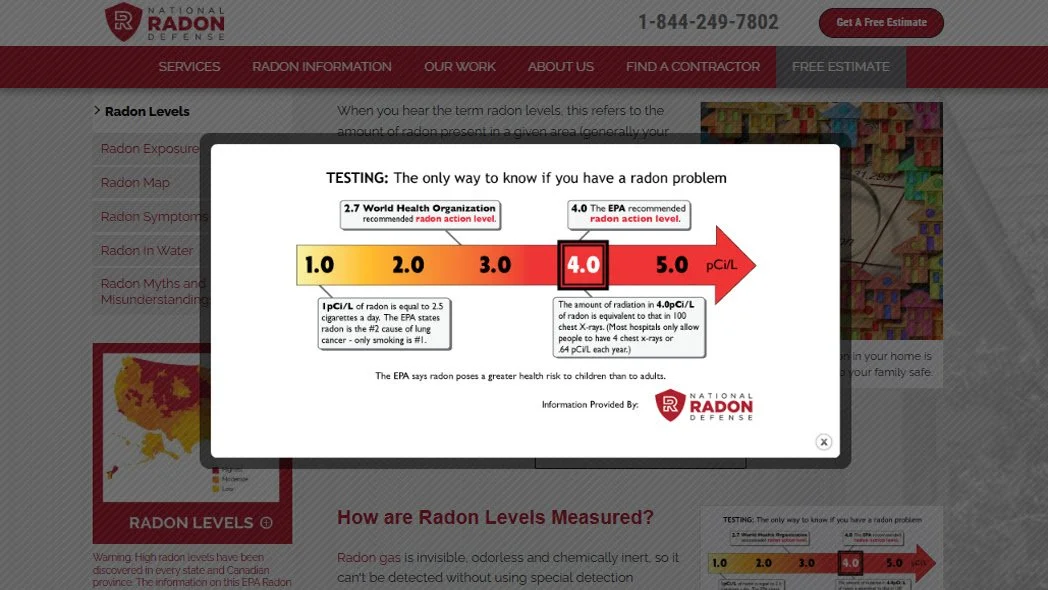
The EPA themselves actually acknowledge that no radon level is safe - their recommendation to act at 4 pCi/L is more of a working threshold than a promise that anything below it is safe. A home with a reading of 3.5 pCi/L technically doesn't need any mitigation work under those standards. The WHO sets its own threshold at 2.7 pCi/L, which gives you a sense of how much the acceptable range can change depending on which body you turn to for input.
Radon is one of those details that almost never come up when you're buying a home. A radon test is sometimes included as part of a home inspection. But it's not necessarily standard, and it doesn't hurt to ask about it up front.
How Your Foundation Lets Radon In
Radon finds its way into a home through the foundation, and Atlanta has quite a number of foundation types out there - each with its own set of entry points. Slab-on-grade homes sit directly on a concrete pad. But small cracks and the gaps around pipe penetrations are all it takes for radon to seep up from the soil underneath.
Basement foundations run into the exact same issue, but in a slightly different form. The joints where the floor meets the walls, any cracks in the concrete slab and the gaps around utility line penetrations all give radon a pretty direct way up into the living space above.
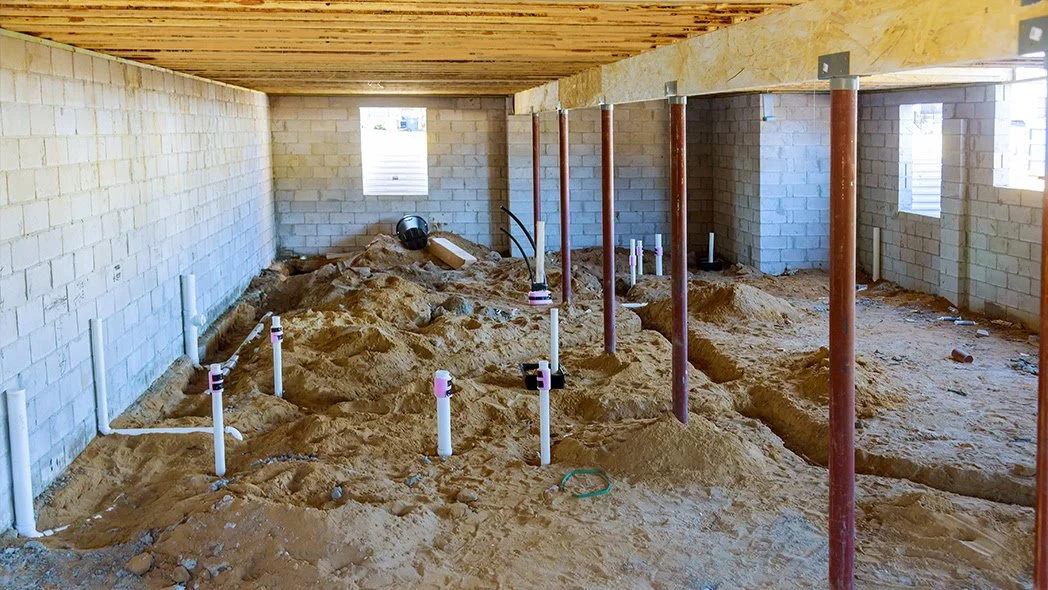
Older neighborhoods across Atlanta also have quite a few homes that were built over crawl spaces. A crawl space sits right on top of bare soil with very little airflow. That combination gives radon a perfect place to build up - right before it makes its way into the rest of the house.
For anyone in the middle of a home purchase, that's worth a close look. Most home inspection checklists are built around what's actually visible - the details that you can physically point to and check. Foundation style is one of the factors that tends to get missed when square footage, storage space and kitchen finishes are already on your mind. The foundation legitimately can affect how much radon a home pulls in over time, and none of that ever shows up on a listing.
As you talk about Atlanta homes with air quality in mind, the foundation type is one of the first details to check. A slab in one zip code and a crawl space just a few streets over can be very different situations from a radon standpoint - and it's a detail worth sorting out before making an offer.
What Should You Expect From a Radon Test
Once you've decided to test, the process is pretty easy. Two types of radon tests are available, and each one has a different job. Short-term tests run for 48 to 96 hours, which fits well within the tight timeline of a real estate transaction. Long-term tests take 90 days or more - and with that timeframe, they're almost never a realistic option when you're trying to close on a home.
Most buyers go with a short-term test, and you have two ways to get one done. DIY kits are easy to find at hardware stores and online - with these, you place a small device in the lowest livable area of the home, leave it there for the full test period and then mail it off to a lab. A professional test works on the same basic concept. But it comes with more precise equipment and none of the doubt about placement or how to manage it. For a transaction this big, that extra confidence is worth something.
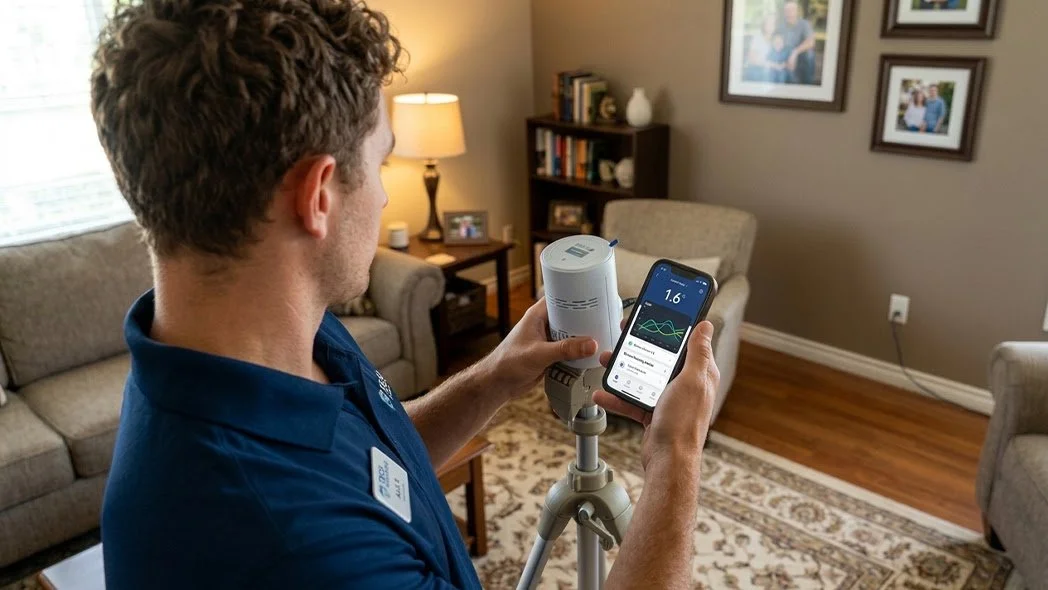
The due diligence period in Georgia moves pretty fast, and a head start is worth the effort. A short-term radon test only takes 48 to 96 hours to turn around, which fits well within that window - as long as you request it at the very beginning instead of a few days in when the time is already tight. If the seller has a recent test on file, it's worth asking for a copy. An independent test will give you a much stronger level of confidence in the results, though - you'll know exactly how the sample was taken and handled.
As for cost, neither a DIY kit nor a professional test will run you much money - and if you weigh either price against what a home actually costs, it's not a line item. For something that carries actual health implications, it's one of the better places to spend a little during the home buy.
What Should You Do When Radon Is High
A high radon reading in a home that you love can be pretty deflating, though in most cases it won't end the deal.
A radon mitigation system is a pretty easy fix - it pulls the gas out from beneath the foundation before it ever gets a chance to make its way into the home. The most common setup is a pipe that runs from under the slab to the outside of the house, with a small fan attached to push the air out. It's not a big renovation by any means, and it doesn't change how the home looks or feels in any way that you'd actually see.
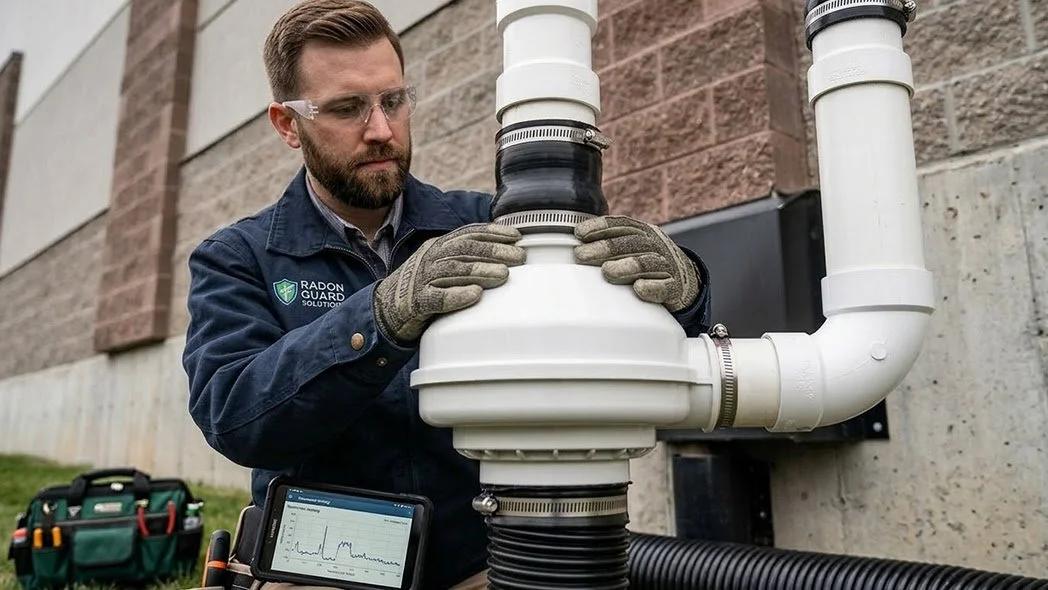
And to their credit, these systems work well. Most of them will get the radon levels down to a safe range and hold them there for years - with almost no maintenance needed along the way. As for the cost, installation usually runs between $800 and $2,500 - the exact number will depend on your home and the contractor that you choose.
To put that number in perspective - relative to the total cost of buying a home, it's not much money at all. Costs like this usually come up pretty easily during a negotiation, or they can be factored right into your offer once you have the test results in hand. The next section gets into just how that part of the process works.
At this point, you have something concrete to work with - a known problem, a fix and a price tag to go along with it. A $2,000 repair is something that you can plan for and move on from. I'd personally take that over a problem with no answer at all.
Radon Results Can Work in Your Favor
Radon doesn't have to be a dealbreaker - and if your first instinct is to panic when a test comes back positive, it's worth stepping back for a second. A positive result is information to have, and it puts you in a strong negotiating position.
If elevated levels do come up on a test, you have a couple of sensible ways to go about it. One option is to ask the seller to have a mitigation system installed before the closing date. The other option is to negotiate a reduction in the sale price so you can take care of it on your own terms. The full financial weight of it doesn't have to fall on you, since you have both options - it's one of the more reassuring parts of the whole process.

Atlanta's real estate market moves fast, and it's tempting to drop the radon conversation the minute you feel like the deal might slip away. That impulse makes total sense. The issue is that the radon doesn't go away just because you didn't bring it up - you'll just pay for mitigation yourself well after you've already closed. An honest ask at the negotiating table will hurt way less than a bill that lands after move-in with no room left to negotiate.
A radon test works in your favor - not against it. The result is just a number, and there's no reason to stay away from it or downplay it at the table. With those results in hand, you have something concrete to point to - it's a much stronger position to negotiate from.
The Small Price That Could Save Your Life
A radon test is one of the least expensive items in the whole home-buy process. A DIY test kit will run you anywhere from $15 to $30, and a professional test usually comes in around $100 to $200. Put those numbers next to the price of the home, and they barely register.
The urge to cut costs during a home buy is very understandable - everything adds up, and it's tempting to let the extras start to disappear from the list. But a radon test is one line item to keep. For less than you'd spend at a decent restaurant, it covers one of the questions that matter most on your list.
The health side of it all is something that you should take seriously. Radon is the second leading cause of lung cancer in the United States, and most of that danger comes from long-term exposure inside the home. Buyers have no sense of how quietly it builds up - radon is colorless and odorless, and without a test, there's no way to know what you're breathing in. Once that registers, the cost conversation tends to look quite different.
Against a $15 DIY kit on the low end, the math is pretty hard to argue with. Even at $200 for a professional test, that's a pretty small number compared to what a home is actually worth - and if everything checks out, it's worth every penny. In my experience, it's one rare line item where you look at it together, and the answer is pretty obvious.
Moving to Atlanta?
A radon test before buying a home in Atlanta is one step that's pretty easy to put off - and just as easy to regret. Those zone averages and regional data are great for a general sense of the area. But they won't tell you what's actually going on inside the house that you're about to put your name on. The only way to know what you're up against is to test, and in my experience, it's one of the easier calls to make in the whole homebuying process. A radon test is fast, affordable, and it fits well within a normal due diligence window, so there's very little reason to skip it.
What makes it worth the time (any health problems aside) is that the results are going to be in your favor, whatever they say. A clean test result gives you some confidence as you move toward closing. If it comes back elevated, at least now you have something concrete to take into negotiations. Either way, you leave with more information than you had before - it's never a bad outcome.

It's a small step. But it carries weight in the whole process - and once everything is done, then you'll be happy that you didn't skip it.
The Justin Landis Group is here for just that. Whether you're after something quiet and suburban or right in the middle of the action, our team helps you find a home that fits your life. Give the Justin Landis Group a call - we'd love to make that happen.