
How Assumable Mortgages Work in Atlanta Home Sales

Atlanta's housing market looks nothing like it did in 2020 and 2021, when mortgage rates were sitting around 3%. For buyers coming into the market, those rates are a distant memory - and the difference in monthly payments on the exact same home can run well into the hundreds of dollars. That gap does damage to purchasing power, and it's pushed families right out of neighborhoods they'd have afforded just a few years back.
That math sends buyers back to the search bar looking for any legitimate edge, and assumable mortgages usually sit near the top of that list. The concept is actually pretty easy - instead of starting fresh with a brand-new loan at today's rates, an assumable mortgage lets you take over the seller's existing loan at whatever rate they locked in years ago. Atlanta listings with assumable loans at rates of anywhere from 2.375% to 4.1% are already out there, and the monthly savings compared to a new loan can add up.
The process has several moving pieces. Lender approval, equity gaps, longer closing timelines and loan-type restrictions are all pressure points where a deal can slow down - or fall apart completely. It's worth noting that most assumable loans are government-backed FHA, VA, or USDA mortgages, since conventional loans typically aren't assumable. From what I've seen, the buyers who do their homework before making an offer are usually in a much stronger position than the ones who run into these walls halfway through the process and have to figure it out on the fly.
With assumable mortgages, the opportunity to save is very real, and it's worth the time to get a sense of how the whole process works before you get started.
See how assumable mortgages could work for your Atlanta home sale!
Not All Mortgages Can Be Assumed
An assumable mortgage is when a buyer takes over the seller's existing home loan (instead of taking out a brand new one), and they also get to hold onto the seller's original interest rate and whatever balance is left on it.
Most buyers go straight to a lender to fill out a loan application and walk away with whatever interest rate the market happens to be at that time - for better or worse. An assumable mortgage works quite differently. The loan is already in place, and the buyer just takes it over from the seller at its original rate and terms. There's no new application, and the buyer doesn't have to work with whatever rates are out there at the moment.

Not every mortgage works that way, though. Conventional loans (the ones backed by Fannie Mae or Freddie Mac) usually don't allow assumptions. Government-backed loans are a different matter altogether. FHA loans, VA loans and USDA loans are all built to let a buyer take them over, as long as the right conditions are met.
Government-backed loans work this way because of how they're structured at the federal level - the government sets the terms for these programs, and assumability has been part of the arrangement from the very beginning. The private lenders behind conventional loans aren't required to follow those same rules, and most of them just don't. What they do instead is add something called a "due-on-sale" clause to the contract, which forces the full loan balance to be paid off the second the home changes hands.
The whole process is actually pretty easy to follow. A buyer finds a home with an assumable government-backed loan and then goes directly through the seller's lender to apply for it. From there, the lender reviews the buyer's finances - more or less the same way they'd look over any other loan application. If everything lines up, the buyer gets to take on whatever's left on the balance and, the actual advantage here, the original interest rate that came with it.
The Low Rate Loan That Atlanta Buyers Miss
Atlanta's housing market hasn't been all that welcoming to buyers. Prices have climbed pretty steadily over the past few years and, with mortgage rates where they are now, the monthly payment on a new home has become pretty tough for families to cover.
An assumable mortgage is an option that doesn't get nearly enough attention - and in Atlanta's market, that's a big missed opportunity. The basic idea is that when a seller locked in a rate around 3% a few years ago, a buyer who takes over that loan gets that same rate. On a $350,000 loan, the difference between that older rate and what rates look like now can reach several hundred dollars a month.
For a young couple that wants to settle in a neighborhood like East Atlanta or Decatur, that monthly savings can change what's actually in reach. The line between a home that you can comfortably afford and one that leaves you stretched too thin to genuinely like where you live is very real, and it matters.

Most buyers never even think to ask about it - and it's probably one of the most passed-over questions in the whole process. Whether or not a seller's existing loan is assumable almost never comes up early in a conversation, and plenty of sellers don't even know to mention it. One quick question about it and the right buyer could be on a very different financial path.
These aren't vague or inflated numbers, either. Every month, that difference lands directly in your bank account, and it does add up over time. Atlanta is a competitive market where budgets are already pretty tight for most buyers, so real monthly savings like that matter over the course of a year.
For buyers in Atlanta, assumable mortgages deserve to come up in the conversation right from the start.
FHA and VA Loans That Are Assumable
That distinction carries a lot of weight - conventional loans make up the large majority of mortgages across the country, which means most of the homes listed in Atlanta just aren't going to be assumable. It's very easy to fall for a property before anyone has even checked what type of loan the seller is carrying. That is worth checking on as early as possible.
A quick call to the seller's listing agent is usually the fastest path to an answer, and it's worth making that call early on before the process gets too far along. Public property records are another option if you want to research it on your own. Once you're in direct contact with the seller, you can always ask for the loan information directly.

Most homes on the market actually aren't candidates for assumption, regardless of how appealing the idea is. A low interest rate on a listing and an assumable loan are two separate factors - one does not automatically mean the other. To find out if a loan can be assumed, you have to trace it back to the loan type itself. That one step alone will eliminate a large portion of what you find on the market.
FHA, VA, and USDA loans are the main loan types where an assumption is even on the table. If a seller happens to have one of them, the whole conversation about an assumed loan might go somewhere - and it starts to feel like a strategy that's worth pursuing. Without one of them in the picture, the assumption just doesn't happen, no matter how desirable that interest rate looks on paper. Most buyers don't find out how narrow that window is until they're already deep in the process, which is why it pays to ask the right questions from the very start.
What the Equity Gap Means for Buyers
One of the bigger challenges with assumable mortgages is what's known as the equity gap. A seller who has spent years paying down their loan will have a balance that's way lower than the home is actually worth - and the buyer has to cover that difference out of pocket.
A concrete example can make this a bit easier to follow. Say a home sells for $350,000. But the seller only owes $180,000 on their mortgage. The buyer takes over that $180,000 loan, which is already a great deal. But they still need to come up with the other $170,000 to pay the seller the rest of what they're owed. That $170,000 can come from savings, a second loan or some combination of the two - and each of the options comes with its own set of factors to think through.

The math on it gets personal pretty fast, and it's worth running the numbers before you lock into anything. A buyer who locks in a 3% rate on the assumed loan can still find themselves financially stretched, because that difference has to be covered somehow. The low rate is very much there and worth having. But it doesn't come free on the front end.
For buyers in Atlanta who have been watching home values climb over the last few years, that equity gap can land at a large number that you'll need to plan around. It's not a dealbreaker by any means. But that's the sort of item that's worth building into your budget before you're too far into a deal.
How the Lender Approval Process Really Works
An assumable mortgage can be a fairly smooth handoff from the seller to the buyer in some ways. But the approval process still has several moving parts. The lender still needs to pull your credit history and verify your income before they'll agree to hand over the loan to you. That step alone can take a while.
It's a real commitment of time. The full process, from application to closing, can take anywhere from 45 to 90 days. A standard home sale often wraps up in a much shorter window, so if you have a move-in date already locked in or a lease that's about to run out, factor that extra time into your plans well ahead of time.
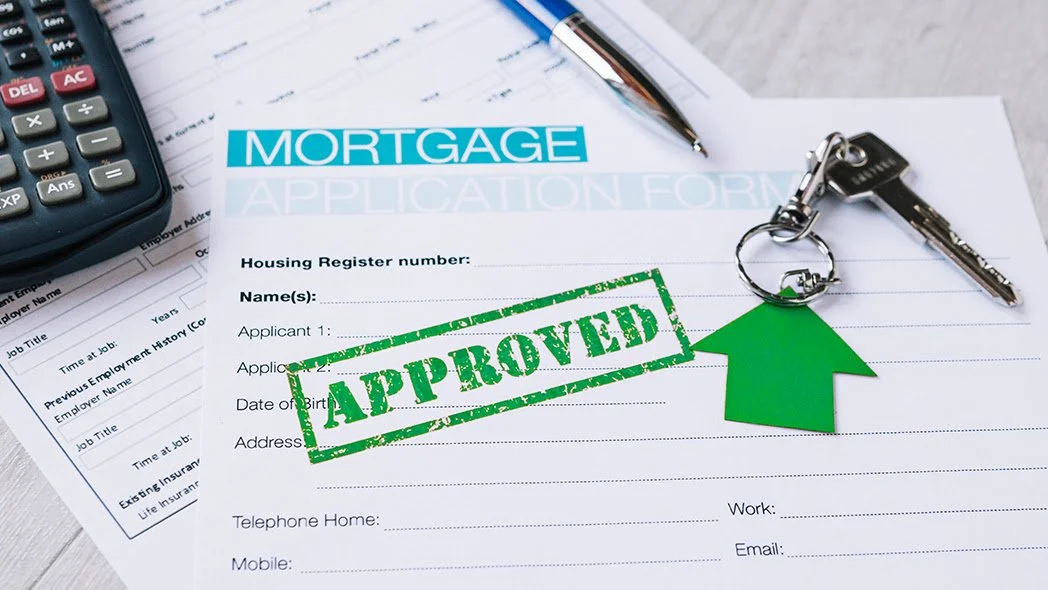
The paperwork side is where buyers run into problems. One missing document (or just a small error on your application) can push the whole timeline back by weeks or sometimes more. Pull everything together as early as possible and stay in steady contact with your lender throughout the process. That alone can save you from unnecessary delays.
Most sellers aren't all that willing to wait two or three months as a deal slowly works toward closing. In a competitive market, a buyer who comes in with a conventional loan can get everything wrapped up in far less time.
One of the best advantages you have going for you as a buyer is an idea of what the whole process looks like from start to finish. Knowing what to expect lets you plan around it, and your deal has a much better chance of actually reaching closing day.
A Veteran Seller's Entitlement Stays With the Loan
One of the most ignored parts of a VA loan assumption is the seller's entitlement. Veterans don't think this through before agreeing to it. When you sell your home and let somebody else take over your VA loan, your entitlement doesn't come back to you - it stays attached to that loan until the balance is paid off.
For a veteran who's planning to buy another home in the near future, that's where the situation can get messy pretty fast. Their VA benefit's tied up for as long as the new borrower is still paying on that loan - that window could stretch on for years. With that open-ended timeline, the timing of the choice carries real weight.

The upside is there's a workaround for this. If the buyer who is taking over the loan is also VA-eligible, they can swap in their own entitlement for the seller's. That exchange frees up the veteran seller's entitlement, so they can turn around and use it on their next home - which is a very different situation than being stuck waiting on somebody else's payoff timeline.
It's worth figuring out before anyone reaches the signing table. A veteran seller who plans to buy again soon can run into a problem if the buyer's eligibility status hasn't been confirmed early on. It's something that doesn't get enough attention. But it can derail the whole process. The wrong assumption here can upend a veteran's timeline for their next move, and with it, what they're able to afford and when they're able to act on it.
The best way to get a straight answer on where your entitlement stands is to find a lender who has actually worked through a VA assumption before. Not every lender has done one, and in my experience, it pays to find one early - well before the process gets too far along.
More Ways to Lower What You Pay
Not every buyer ends up with an assumable mortgage in Atlanta - it's fine (you still have a few ways to get some relief on your monthly payments) even without an assumable mortgage.
A seller-paid rate buydown is worth your attention. The way it works is fairly easy (the seller agrees to pay a lump sum at closing and the money goes toward a temporary reduction in your interest rate for the first year or two). It won't drop your rate forever. But it does give your finances a little time to settle before the full rate kicks in.

An adjustable-rate mortgage, or ARM, is also worth a look. With an ARM, you get a lower fixed rate for a set period, and after that it adjusts with the market. If your plan is to sell or refinance within five to seven years, an ARM might make actual financial sense. The rate will eventually change, which is part of why it tends to work best for buyers who don't plan to stay in the home very long.
To be fair, neither of these works quite the same way as an assumable loan with a low fixed rate - it's actually the comparison I get asked about most. A buydown is temporary by design and an ARM carries a bit of uncertainty over time. That doesn't make either of them a bad option - they just make more sense in the right circumstances. The two biggest factors to consider are how long you're looking to stay in the home and how much flexibility your budget has.
Moving to Atlanta?
Assumable mortgages aren't a magic answer - but for the right buyer in the right situation, they're a tool with actual savings attached. What matters here is how you find these opportunities and what questions to ask along the way. That alone puts you well ahead of most buyers in Atlanta. The equity gap, the longer approval timeline and the VA entitlement issue are all worth planning around ahead of time - these aren't the fine print to gloss over, and I'd hate to see any of them become a problem at the finish line. With preparation and the right input, it's all very manageable.
The great news is that none of this has to be worked out on your own. A conversation with a seller or a lender goes much better if you already know what an assumable loan is, what it's actually going to cost you to cover the gap and what the timeline realistically looks like. That preparation is what takes an interesting-sounding option and turns it into something you can actually use - it also gives you quite a bit more confidence to sit down at the table, which makes the whole process quite a bit smoother.

Every neighborhood here has its own personality - the feel in Inman Park is nothing like what you'll find in Buckhead or East Atlanta. Whether you're pulled toward something a bit quieter out in the suburbs or want to be right in the middle of everything, our team is here so you can get there. We know Atlanta well, and we'd love to put that knowledge to work. Give us a call and let's find your place in Atlanta!