
What Happens on Atlanta Real Estate Closing Day?

Your closing day in Atlanta is almost here, and you're probably trying to work out when everything actually happens. Most home-buying guides you'll find online were written for other states, so what happened to your friends in different cities might not line up with what your agent or lender has been telling you. The timeline feels a bit fuzzy at first. All that paperwork seems like a lot when you're just starting out. The most confusing part for most buyers is that the day you sign the documents isn't necessarily the day you actually get to move into your new place.
Atlanta uses Georgia's attorney-managed closing system, and that means the timeline is a little unusual. You won't walk out of your appointment with the keys in hand after an hour of signatures. Expect to wait 1 to 3 business days between your closing appointment and the day you finally get to take control of the property. It's what they call a "dry closing" - the documents get signed first, and then your lender has to send the money to fund the transaction. Then the county records everything in their system. Only once these steps are finished do the keys get handed over.
This waiting period between the time you sign and the time you get possession can create some problems for coordinating with movers, taking time off from work and transferring utilities into your name. Most buyers also miss just how much advance planning goes into this part of the process, especially since you'll have to wire any funds over $5,000 to your closing attorney at least 1 day before your appointment. Your attorney will talk you through between 20 and 50 documents during a session that usually takes 1 to 2 hours. Understanding this process up front can save you from some expensive mistakes when you finally sit down at that conference room table!
Let's go over what you can expect during your Atlanta home closing day!
Get Ready for Your Closing Day
On your closing date, make sure you've rounded up a few documents to bring along. Your driver's license will be needed so they can verify who you are - it's a pretty standard protocol for any real estate transaction. You'll need a cashier's check made out to cover your closing costs. Personal checks won't work when we're talking about amounts this large, and most lenders and title agencies will only accept certified funds for a transaction like this.
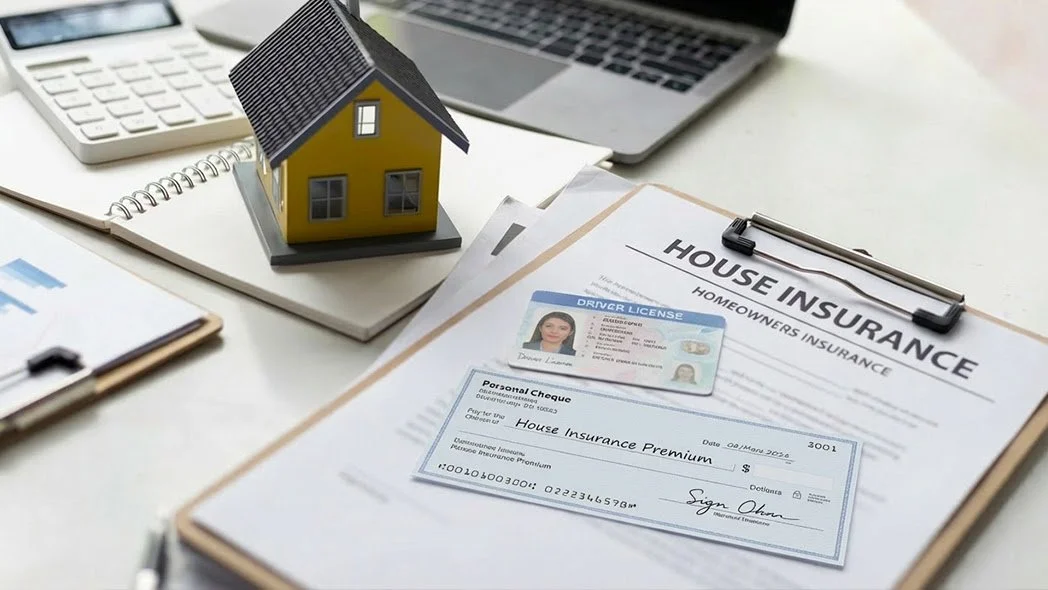
Closing costs usually run between 2% and 5% of what you're paying for the home in Atlanta. Your lender or closing attorney will tell you a more exact number a few days before you're scheduled to close. You'll also want to have proof of homeowners' insurance ready to go, and they're pretty strict about it - they won't move forward with the closing without it.
Your final walkthrough happens right before the closing on the house. Most buyers will schedule this visit about 24 to 48 hours before the closing appointment, where the paperwork gets signed. It's your last chance to check the property and confirm everything is still in the same condition that you remember from your previous visit, and to make sure that the seller finished any repairs they agreed to take care of. If something doesn't look quite right during the walkthrough, you'll usually have enough time to take care of the issue before the paperwork is signed. This little window can be a lifesaver, and it might just stop a big problem from popping up right before you're supposed to close on the house.
Plan to take at least a few hours off from work for your closing day if you can manage it. Most closing meetings will last between 1 and 2 hours, and the exact time depends on how much paperwork will need your signature. A quick lunch break probably won't be enough time to get through everything, and you don't want to feel rushed when you're signing paperwork this big.
Get all your paperwork together well ahead - it makes the whole process run way smoother when the day actually arrives. Your closing attorney or title company is going to send over a list of everything you'll have to bring with you, and it's definitely worth taking some time to look over that list closely a few days before you're scheduled to show up.
Who Will Be at Your Closing
The number of attendees at your Atlanta closing table can change quite a bit, and it mostly depends on how complex your transaction is and who needs to be there. Georgia requires that every real estate closing be handled by a licensed attorney, and that makes Atlanta a little different from other states. In most other places, title firms or escrow agents are the ones who run the show instead.
Your real estate agent is going to be right there with you during the closing to answer questions and walk through the whole process. The seller will be there too, and they'll have their agent with them as well. The closing attorney is the person who pulls everything together and makes sure that the transaction stays in line with your state's real estate laws. Their main responsibility is to stay neutral and look out for you and the seller at the same time.
On rare occasions, a representative from your mortgage company might show up at the closing in person. Lenders usually just send over their paperwork ahead of time, though. Your attorney is the one who takes care of all of the back and forth with your lender anyway, so you won't have to worry about any of that yourself.

The attorney reviews each document with you to make sure everything is accurate and legally sound. They'll also talk about what each form actually means and answer any questions that come up during the process. Their role is to be a neutral third party who keeps the entire transaction fair and legitimate for everyone involved.
Not every Atlanta closing looks like a cordial group of parties around a conference table together. Some closings are actually set up with the buyer and seller in separate rooms. This setup makes plenty of sense when the negotiations have been a bit tense or when the two parties don't want to be face-to-face. When that happens, the attorney and the agents walk back and forth between the rooms to get the necessary signatures and make sure that the process keeps moving forward.
Sometimes you'll walk into a room that feels pretty crowded with everyone around the table. Other times, there might only be a few attendees who need to be there to get everything signed and done.
Your Hand Will Get a Workout
The closing table is where you'll take care of the paperwork, and it's going to be quite a bit. You can expect to sign anywhere from 20 to 50 pages of documents, and the number might be even higher. It depends on the transaction. Your closing attorney will be sitting right there with you to review each document and explain what each one is before your name goes on it.
One of the main documents you'll see is the deed, and it officially transfers the ownership of the home from the seller to you. Georgia actually deals with mortgages a little bit differently - instead of a traditional mortgage document like most other states do, we use something called a deed that secures the debt. It accomplishes the exact same purpose as a regular mortgage would, just with a different name on the paperwork.
Another big document in your closing package is the settlement statement, though you'll see it go by a few different names and which one depends on the type of loan you have. HUD-1 is one version, and Closing Disclosure is another - they do the same job. Each dollar amount from your transaction shows up itemized in one location. Title insurance policies are also part of the stack that you'll receive at closing. One of these policies protects you as the buyer, and the other one protects your lender. Title insurance exists to cover you if any ownership disputes or title problems come up later.
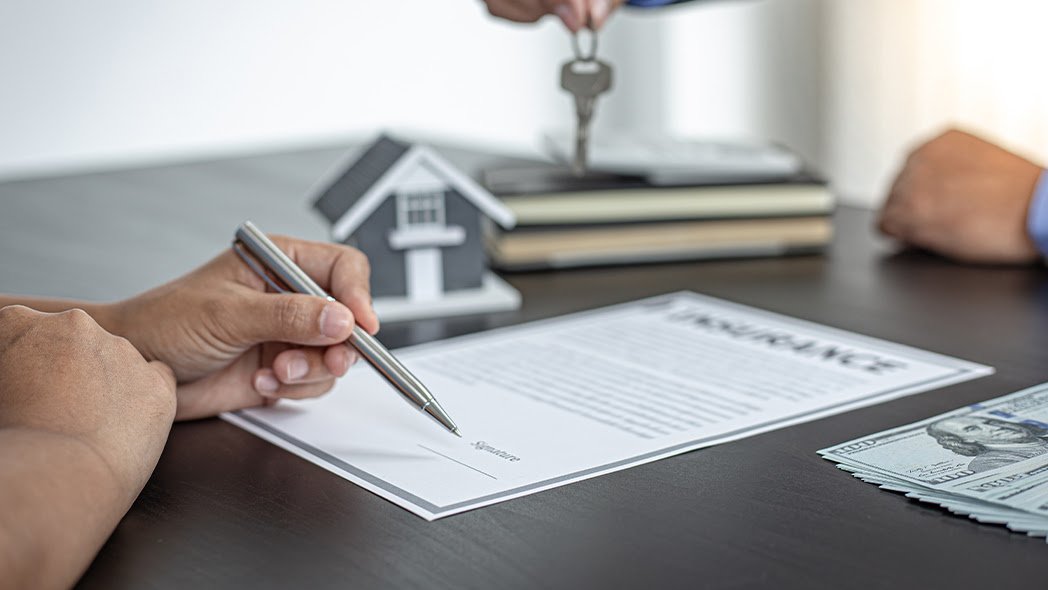
The attorney is going to talk to you about each document and explain what it does and why it matters. Even after they give you the full explanation, take your time and actually read what you're about to sign. Ask them to explain anything that seems off or any section you're not quite sure about before you move forward.
Keep your signature the same on each of your documents. Whenever you have to sign something, use your full legal name each time and make sure that it matches what's printed on your loan paperwork and your ID. Even small variations can slow the process down.
Fair warning - your hand is probably going to cramp up at some point. You'll write out your full legal name 30 or 40 times in one session, and it ends up being a lot more exhausting than it seems. Just shake out your hand for a minute. There's no reason to rush through something this big anyway.
When You Get Your Money
After all of the paperwork is signed and parties are ready to wrap up the transaction, most buyers and sellers expect the funds to change hands right then and there. Georgia actually does closings a bit differently. The state uses what's called a dry closing process, and it means all of the documents get signed and notarized on one day. But the lender doesn't release the funds until later - usually within 1 or 2 days after everyone has signed.
Once you get to signing day, you'll need to bring payment for your down payment and closing costs. A cashier's check from your bank works just fine, and most buyers set this up a few days before their closing date. Attorney fees in Atlanta can run anywhere from $300 to $800. But your closing attorney will give you the exact amount and tell you what form of payment to bring.
As a seller, don't plan on walking out of the closing with a physical check in your pocket. Your proceeds will actually come in by wire, and this happens after the lender has released all of the necessary funds and the title company has finished balancing all of the numbers on their end.

This whole process follows a pretty standard timeline. At the closing table, you'll sign all of the documents first. From there, your attorney packages everything up and sends it over to the lender for their final review. The lender will release the funds within 1 to 3 business days after they've had a chance to go through all of the paperwork. Once that money arrives in your attorney's account, the deed and all of the other documents can finally be recorded at the county courthouse.
The process will probably feel a little different for anyone who's purchased property in other states before. Most other places use what's called a wet closing. The signing and funding happen at the same time in one appointment. Everyone shows up, papers get signed, and the money moves right then, and you're done. Georgia splits these two steps apart, and it does add a few extra days to how long everything takes. The benefit is that lenders get one more chance to verify everything before they release the funds.
Moving to Atlanta?
From the time you walk in with your documents to the final signature on what feels like page 47 of the paperwork and then through those 1 to 3 days until you finally get your keys, Atlanta's dry closing system has a few features that set it apart from other states. It does have plenty of paperwork, and those few days between the closing table and when you get your keys tend to feel longer than they should. A real estate attorney at the table with you makes this whole process easier - they'll double-check the details and protect your interests.
Thousands of these closings happen in Atlanta every month, and those homeowners went through the exact same paperwork and the exact same waiting period that you're about to go through. They all got through it just fine, and then they picked up their keys and moved right into their new place. In just a few days, that's going to be you. When you're finally standing in your new home with your keys in hand, all this paperwork and the waiting is going to feel like it was nothing.

After everything is done, take a few minutes to put all your closing documents somewhere safe - somewhere you can find them later when you need them. Tax season rolls around every year, and there's always a chance that you might refinance later, so keep all this paperwork in one location. For now, though, your new home is about ready for you to move in, and soon you'll be unloading the moving truck and trying to figure out which room gets the couch!
Every part of this city has its own personality, and to find the right area for your lifestyle, it takes some knowledge of Atlanta. Justin Landis Group works with buyers to find homes that actually match what they need - maybe that's a quiet neighborhood away from the city center, or maybe you want to be right where all of the action is. Contact our team, and we'll help you narrow down which Atlanta home makes the most sense for your situation.