
Is a Home Warranty Worth It for Atlanta Sellers?

Home warranties will eat up a large chunk of your closing costs. Sellers struggle to decide if they should throw one in or not. On one side of the debate, warranties can give uncertain buyers more confidence and help you get out of last-minute negotiations over repairs. On the other side, plenty of sellers believe that warranties mostly benefit the warranty businesses themselves, and they don't do much for anyone else involved. Atlanta's real estate market has been very unpredictable, and this volatility makes the warranty call that much harder than it was a few years ago, when sellers had all of the power.
The answer depends on a few factors that sellers miss when they're ready to pay for a home warranty. You want to know if this expense actually helps you sell your home or if you're just padding the warranty company's bottom line!
Let's see if a home warranty makes sense for your Atlanta sale!
Atlanta Home Warranty Coverage and Costs
A home warranty for sellers will usually run between $300 and $600 for the listing period - it's the fee that protects your home as it's actively on the market, and where you land in that price range depends on the plan you choose and what type of coverage is actually included in it. Most basic warranty plans are going to cover the main appliances in your kitchen - your refrigerator, your oven, your dishwasher and other similar items in that category. Your water heater is usually part of the deal as well, and you'll also get coverage for basic plumbing repairs and your heating and cooling system. These items have a tendency to break down at the worst possible time (and it always seems to happen right when you can least afford an expensive repair bill).
Premium plans will give you quite a bit more coverage than the basic options do. Washers and dryers are pretty standard on most of these upgraded plans. You can usually add protection for pool equipment or well pumps as well when you have them on your property. Just remember that each extra item you tack on is going to bump up the amount that you're paying every month.

The fine print on your warranty plan is worth going through before you sign up for anything. A lot of sellers walk into these agreements with the assumption that everything will be covered when something breaks down. But most warranty policies don't actually work that way at all. Nearly all of them have dollar limits on each repair they'll cover, and some even cap the total amount that they'll pay out during your entire coverage period.
Exclusions are worth paying close attention to as well. Pre-existing problems won't get covered. An AC that was already on its way out before you purchased the warranty won't get replaced. Appliances and systems that haven't been maintained the way they should over the years will also get denied for the same reason.
Service call fees are another cost you should know about. Warranties don't cover this part - buyers will still pay between $75 and $125 each time that a technician has to come out for service. This fee pays for the technician's visit to see what's wrong with the appliance, and homeowners pay it even when the warranty ends up covering the repair work.
How Atlanta's Fast Market Affects Home Warranties
The Atlanta housing market moves at a pretty fast pace. Most homes only stay on the market for between 30 and 45 days, and it doesn't leave much time for buyers or sellers to drag their feet. Thinking about a home warranty means you'll need to make your choice fairly soon to match how fast the market moves in this area.
When a sale moves fast, buyers just don't have as much time to worry about every little issue that might become a problem after closing. Most of them will still get an inspection. But they mostly look at the bigger problems and make their choice pretty fast. A home warranty can help take away some of that stress that pops up at the last minute, though it functions a little differently in a hot market compared to when the market is moving at a slower pace.

Atlanta's market has a few seasonal patterns that matter in how buyers respond to your warranty. Spring and early summer bring the most activity and mean you'll see more buyers competing for every property on the market. Warranties can get missed during these busy months when homes are selling fast, and buyers are in a rush to close deals. Fall and winter usually slow down quite a bit, and buyers have more time to review what you include with the sale.
A home warranty might help sell your property. But whether it's worth the cost depends on the market conditions when you're ready to list it. In competitive markets where buyers are looking at multiple homes, they'll see your property as a package instead of focusing on each feature by itself. When activity slows, and buyers have more time to compare listings closely, a warranty is something they'll actually see and value as part of what you're selling. Every market situation gives you a slightly different way to use the warranty to your benefit.
Hidden Gaps That Cost You More
Most home warranties cap their payouts at between $500 and $1,500 per repair. Air conditioning replacement in Atlanta runs between $3,000 and $6,000 (and that's just for a standard system). The math doesn't add up when your warranty covers $1,500 and leaves you to pay the other $4,500 yourself.
Atlanta homes face a particular challenge that home warranties just don't cover well (or at all in most cases). The red clay soil underneath a large portion of properties in the area makes foundations move and settle as the years go by. As your house continues to settle into that clay base, you'll start to see cracks form in your walls, and the floors can become uneven in places. You won't have any financial protection to fall back on when these problems do show up. Almost all warranty contracts exclude foundation problems from coverage right out of the gate.
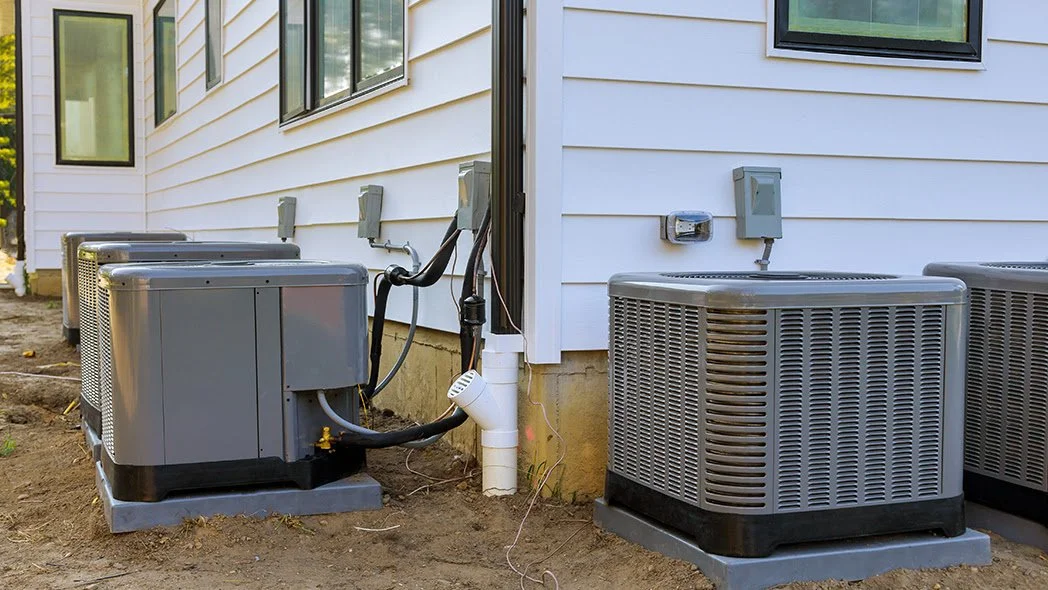
HVAC systems have to run almost all of the time throughout the year. The humidity is so high here. After months of non-stop operation through our brutal summers, your air conditioner is eventually going to break down. Warranty providers love to fall back on their wear-and-tear clauses when this happens. They'll claim that your system just wore itself out from normal use under normal conditions - not from any sudden mechanical failure that would actually be covered.
Pre-existing conditions create a massive headache for sellers who'd like to include warranty coverage as part of the deal. A water heater can pass inspection without any red flags and then give out just two months after closing. When that happens, the warranty company sends its own inspector to look it over, and this inspector discovers rust or sediment buildup packed inside the tank. This discovery gives them their ticket out - they'll deny the claim because they say that the damage had to have started before the policy was finalized. The fact that nobody knew about any problem beforehand makes zero difference to the warranty company.
Warranty providers also choose which repair shops you're allowed to use. They have their own network of approved contractors, and those are the only ones who can take your service calls. When your AC breaks down in the middle of a sweltering July, you won't be able to just pick up the phone and call your usual HVAC technician. You'll be stuck waiting for whatever contractor they assign to your case, and then that contractor still has to find time in their schedule to actually come out. If it happens to be peak season, that wait time could stretch out into days or weeks.
These limitations add up pretty fast if you take a step back and look at what you're paying for each month. Those restrictions matter when you file a claim.
Better Options That Help Sell Your Home
The money you'd spend on a home warranty could probably be put to better use somewhere else. A pre-listing inspection costs roughly the same amount and has a chance to find problems before any buyers visit your home. When you know what needs to be fixed, you can handle those repairs on your own timeline instead of hoping that a warranty will cover them when something eventually breaks (and warranty coverage can be pretty unreliable).

When buyers receive cash instead of a warranty, they're free to hire their own contractors and schedule repairs on their own terms. Most buyers would prefer to do this because they get to oversee the quality of the work directly and can choose contractors that they already know and have worked with before. This gives them a lot more control over the entire process. Sometimes, a fresh coat of paint in your main living areas or a thorough professional cleaning will grab a buyer's attention much better than any warranty package ever could. When buyers visit your house, they're going to form their opinions based on what they see right in front of them. A kitchen that sparkles or freshly painted walls with crisp, clean edges - that's what sticks with buyers when they leave a showing.
You could also put that money toward staging a few main rooms in your house or just freshening up your front entrance area. Fresh mulch and neatly trimmed shrubs send a strong signal to buyers that your home has been well-maintained from the second they pull into the driveway. Once they step inside, a nicely staged living room will make it much easier for them to picture what their own furniture and family might look like in that same space.
Each one of these alternatives gives you full control over how your home gets presented to buyers. The money that you spend goes directly toward upgrades that buyers will actually see and experience when they visit your home - not toward a policy that probably won't even come up when they're making their decision. Each option tackles a different part of what makes your home more appealing to the buyers who come through your door.
When Do Warranties Help Atlanta Sellers
A home warranty can be worth it when you're selling a house that has older appliances or an HVAC system that's been running for quite a few years already. Buyers get a bit nervous when they look around and see that the big equipment in the home isn't brand new anymore. A warranty gives them some reassurance on big-ticket items, so you don't have to go out and spend a fortune replacing everything just to get your house on the market.
Your budget plays into this decision as well. A warranty can be a lifesaver when you don't have a few thousand dollars sitting around to replace or repair items before closing. When your water heater is acting up, or your dishwasher makes strange noises every cycle, a warranty helps you take care of problems like this when your bank account can't cover a big repair bill at the time. A warranty also sends a message to buyers - you know the home has some issues, and you want to take care of them even if your finances are tight at the time.

Inherited properties and long-distance moves are two situations where warranties really help sellers. When you inherit a house or move across the country for a new job, you probably don't know every little detail about how well everything has been maintained over the years. Buyers are going to ask you questions like when was the last time that someone serviced the furnace, or if the oven has always been a little temperamental, and you might not have solid answers for them. A home warranty fills in those knowledge gaps and gives buyers the reassurance they need to feel comfortable with it.
The market in your area might also play into this. A warranty can give your listing a bit of an edge when homes are sitting around longer, and buyers have plenty of options. It's not going to magically sell a house that's priced too high, or that's in rough condition. But it might just be the factor that makes a buyer pick your home when they're trying to choose between two or three similar options.
Warranties can also work as a great negotiation tool when you get the inspection results back. Instead of writing checks to fix every minor item on the list, a warranty covers any future repairs without any of the up-front cost. Plenty of buyers actually like it because it removes the worry about whether the fixes were done right before closing.
Moving to Atlanta?
That seller from the beginning wasn't sure if a home warranty made sense. At this point, they have everything they need to make the right call. Home warranties don't work the same way for everyone because every house is different, the market conditions change from month to month, and the buyers all come to the table with different expectations. A warranty that's worth it for one seller could be a waste of money for another one.
Home warranties aren't going to make or break a sale in Atlanta's market right about now. That said, they might give you some comfort if you have an older HVAC system or appliances that could give out as your house is listed. What I usually tell sellers is to take that warranty cost and weigh it against what else you could do with the same money. A pre-listing inspection could turn up problems that you'd want to fix anyway, or you might just take care of a particular repair that the buyers are going to spot during their walkthrough. Either option can be a smart idea - it just depends on what makes the most sense for your goals.

The warranty choice is your call, and it should line up with the condition that your home is in and how fast you'll have to sell. Your agent may mention that most sellers include one - you don't have to do the same. A warranty might be worth the investment if it helps you feel more comfortable and takes some stress off your shoulders. Look at the options that are out there and weigh what each one brings to the table, and then make the choice that feels right for your goals.
A real estate team can make the entire process of selling or buying a home feel much less stressful. Atlanta is made up of dozens of neighborhoods, and each one has its own feel and character. To match you with the right area, you need an agent who understands the local market at a deep level. Some buyers want quiet suburban streets, and others are more interested in properties closer to the heart of downtown. In either case, the Justin Landis Group has spent years learning this market from every angle. Contact us, and we'll work with you to find just what you're looking for.