
What a Termite Bond Means for Atlanta Home Buyers
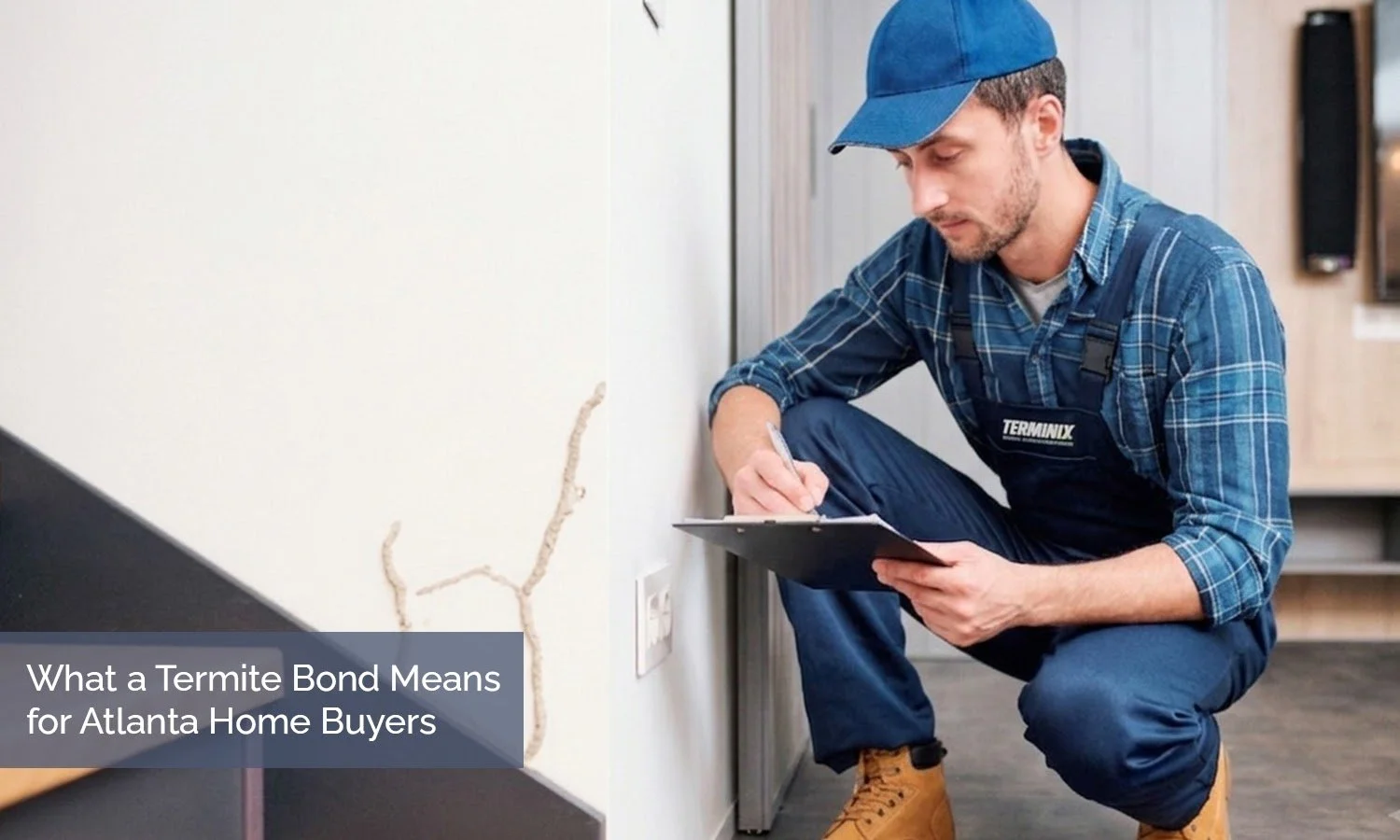
Atlanta home purchases already mean plenty of moving parts, and no buyer needs to run into unfamiliar contract language right at the finish line. For buyers, the term "termite bond" tends to pop up pretty late in the process (somewhere around the inspection reviews or final paperwork), and at that point, the path forward can seem quite a bit less easy than it did an hour ago. That hesitation makes total sense and seems like a disconnect between what buyers expected at the start and what Georgia's housing market ends up requiring.
Atlanta is one of the most termite-active areas in the entire country. Between the heat, the humidity and the older housing stock spread across the metro, termites have just about everything they want here. The damage from termites is a very real and very common problem for Atlanta homeowners. It's not something you can put off and address later.
A termite bond is just a continuing service agreement with a pest control company - it covers inspections, treatments and continued protection for the home. Georgia lenders will also usually ask for a wood-destroying organism (WDO) report before they'll fund a loan. The two are closely related but not interchangeable. This is worth understanding well before you get to closing. And if the home already has an active bond in place, there's a transfer process involved - it's actually something that you can use to your benefit during negotiations.
Most buyers heading into closing don't have much background with termite bonds - which ends up being one of the areas where a little preparation does pay off. In my experience, it tends to be one of the last topics that buyers think to research ahead of time. But even a basic feel for how they work can make the whole process quite a bit less stressful.
So let's break down what a termite bond means for your Atlanta home buying process!
Atlanta Has a Real Termite Problem
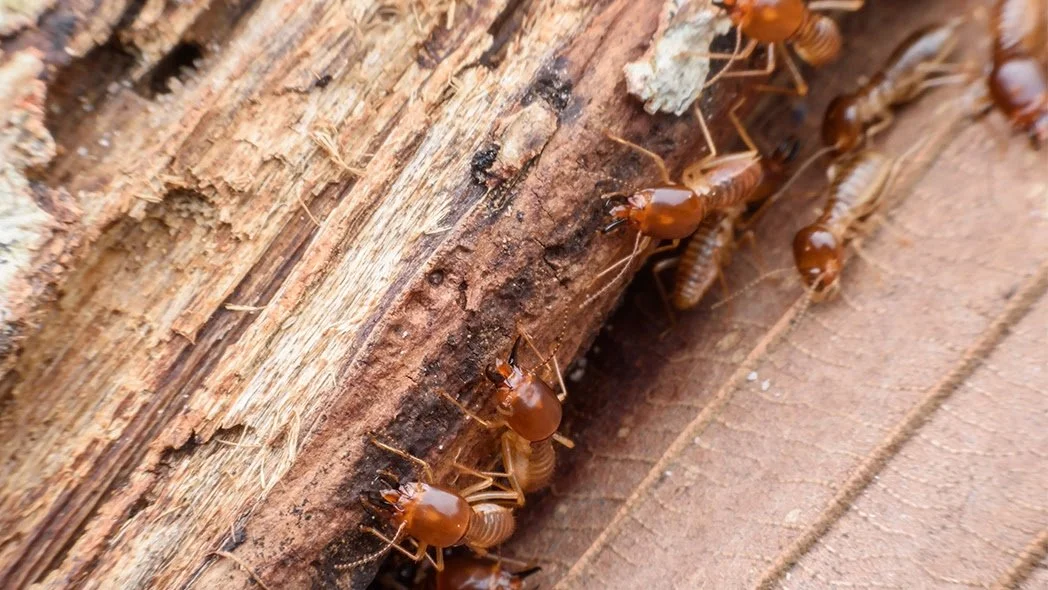
Georgia is home to the Eastern subterranean termite, which is one of the most destructive termite species in North America. A single colony can grow into the hundreds of thousands, and these insects are relentless beneath the surface - usually without a single visible warning sign above ground.
Georgia's warm season is one of the longest in the country, and for termite activity, that's a problem. So Georgia residents deal with active termite colonies for a much bigger stretch of the year. That extended timeline gives termites more opportunity to feed and grow before anyone can tell. The National Pest Management Association estimates that termite damage costs homeowners about five billion dollars a year across the country, and Georgia's share of that number is anything but small.
For anyone who is buying their first home in Atlanta, termites are not some rare or uncommon issue in this region - they're a very common part of homeownership here. First-time buyers often come from states where termites are barely even a consideration, and their previous experience tends to change what they expect once they get to Georgia.
Past termite activity comes up quite a bit in home inspections - even in homes that look like they're in great shape on the outside. The hard part is that the damage tends to build up bit by bit inside wood structures, well before there's any visible sign of a problem. Eastern subterranean termites work their way through the soil and eat from the inside out - so a load-bearing beam can lose its strength long before there's any visible damage on the surface.
Termite protection in Georgia is a standard part of buying a home here - it's not an optional add-on that you can put off until later.
What a Termite Bond Really Gets You
Atlanta runs warm and humid for much of the year, and termites just love it - which is a big reason why termite bonds come up in nearly every home sale in the area.
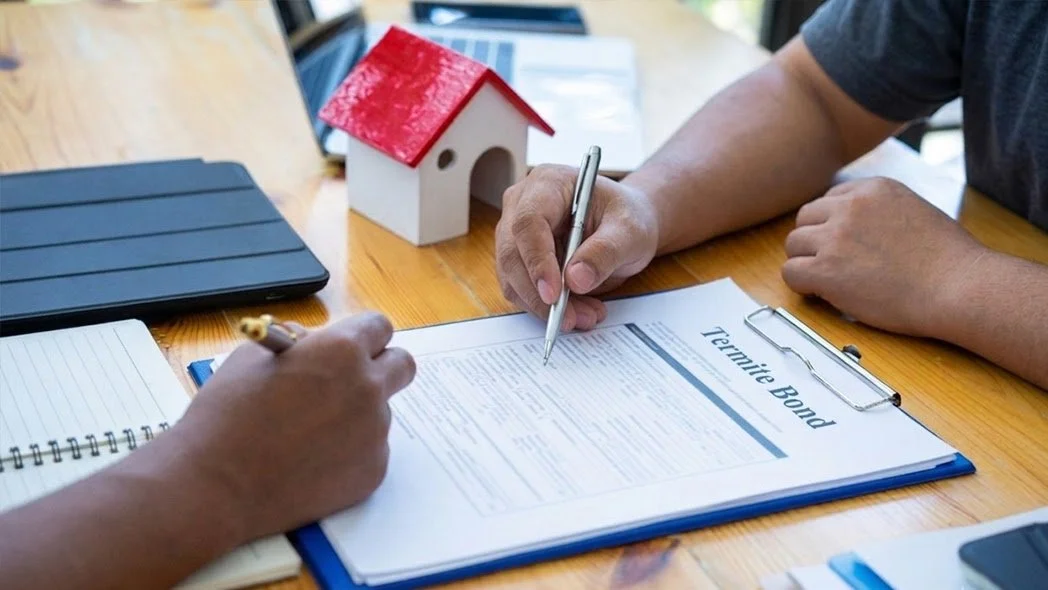
A termite bond is a contract between a homeowner and a licensed pest control company - and what that contract actually gets you is a long-term arrangement. The pest control company commits to coming back on a set schedule to check on your home and to retreat it as needed - the whole point is to make sure that termites never get a chance to take hold.
A bond and a one-time treatment are two very different approaches. A standard spray can take care of an active infestation, and that's it. Once the technician leaves, your coverage leaves with them. You get no return visits, no future inspections and no protection if termites come back. A bond is a whole different agreement.
With an active bond on your property, your pest control company is committed to a return schedule (usually every year) to come back and check for any new signs of activity. If anything does turn up during those visits, the bond's terms will outline what the company is responsible for at that point. Most bonds also need to be renewed annually, so your coverage doesn't lapse, and the company stays accountable to you over the long run.
A termite bond is more of a long-running relationship between you and a pest control company than a single product. The annual fee that you pay is what sustains that relationship - and what keeps your home covered going forward.
Not All Termite Bonds Cover the Same Thing
Not all termite bonds are created equal, and the type a home has can make a pretty big difference by the time you reach closing.
The first type is called an inspection-only bond. With this one, a pest control company comes out on a set schedule to look for signs of termite activity - and their job ends right there. Any damage they find is your financial responsibility to fix.
The second type is called a treatment-and-repair bond, and it covers quite a bit more than the first. On top of the inspection, it also pays for treatment if termites are found - and past that, it covers the cost to fix any damage they caused along the way. For a homebuyer, that last part is what carries the most weight.
A buyer sees an "active termite bond" in the listing details and walks away feeling like they're covered. They close on the house, and an inspection turns up damage about a year later - that's when they find out the bond only ever covered the inspection itself (not the repairs). The full cost to fix the damage lands on them. On an older Atlanta home where the termite history runs pretty deep, that bill can get very, very expensive.
Before you close, ask the seller directly what the bond actually covers. A treatment-and-repair bond transfers to the new owner with the inspections and the financial protection still in place. An inspection-only bond will also carry over to you - but it leaves a gap in your coverage, one that doesn't get any smaller just because the bond has a name that makes it sound like it covers everything.
Why Your Lender Needs a Termite Letter
Buying a home in Atlanta with a mortgage means you'll almost always need a WDO inspection letter before you can close on a property. WDO stands for Wood-Destroying Organism - though nearly everyone in the real estate world just calls it a termite letter. It's a pretty standard part of the home buying process, and the earlier you learn about it, the smoother the process goes.
The closing process comes with a fair share of paperwork, and a termite letter is one more item on that list - though it's not a tough one. A licensed pest control company will come out to the property, do a full inspection, and put together a written report on whether there's any evidence of termites or other wood-destroying organisms. From there, your lender will review that letter as part of the loan approval process.

The reason lenders ask for it is pretty simple - the property is the collateral for the loan. When a bank puts money behind a home purchase, it needs to feel confident that the structure is in sound condition. Termite damage tends to spread slowly through a home in places that a standard walkthrough will never catch, and a dedicated termite inspection is what catches those areas.
The great news is that a termite letter is a pretty easy part of the home buying process. A real estate agent or a closing attorney can help coordinate the whole thing, and it fits comfortably within the normal window between contract and closing. In practice, it's just one of the standard steps in a real estate transaction - not something that's going to hold everything up.
Not Every Termite Bond Will Transfer to You
And it can be - but only if that bond carries over to you once the sale is done.
Not every bond works that way. Some of them are tied directly to the original homeowner, so the coverage just stops the second the property changes hands. At that point, you'd be starting from scratch with a brand new agreement.
Most buyers figure that this type of protection just carries over automatically to the new owner, which is a fair assumption to make. What buyers don't know is that pest control companies each get to set their own terms around transfers, and those terms can vary quite a bit from one provider to the next. Without looking into it, there's no way to know what you're actually working with.

Fortunately, the fix is pretty easy. Before closing, ask the seller to hand over the full paperwork on the bond. The main details to look at are who holds it, what it covers, and whether it can move to a new owner at all. A few minutes with those documents will tell you right where you stand - well before anything gets finalized.
A bond review is something that tends to get buried during a busy closing process - it's understandable given everything else that's on your plate. It's still worth the few minutes that it takes. Should you close on a home with the assumption that your termite protection is active and it turns out it isn't, you're left with a gap in coverage at the worst possible time. Termite damage doesn't wait around while you sort out your paperwork, and a bond review costs almost nothing.
The Transfer Fee at Closing is Negotiable
The transfer fee for a termite bond is usually somewhere in the $100 to $300 range. Compared to everything else on a closing cost list, that's a pretty small number, so it's easy to let slide.
Don't do that.
This fee is negotiable and worth asking about. It's perfectly fair to ask the seller - either as its own line item or included in a bigger set of closing cost asks. The worst they can say is no - it's a pretty low-stakes move for money that could stay in your pocket.

When you're already at the table on repairs, sale price or other closing costs, the transfer fee is one more line item to add to the list. A skilled real estate agent can work it in without it seeming like you're going through every little detail - and in most cases, it can depend on how the ask gets framed.
The transfer fee is actually a reminder of something worth keeping in mind - almost everything in a sales contract has at least a little bit of room to negotiate. Those savings add up fast.
I see this all the time. A few hundred dollars slips away when the big negotiations get all the attention, and the smaller ones slide. Small savings are still savings, and a quick conversation with your agent could put another $200 or $300 back in your pocket before you reach the closing table.
Questions You Should Ask Before You Buy
If you're planning to buy a home in Atlanta, it's helpful to have a short list of questions ready. No real estate expertise is needed - just the right questions to ask.
The first point worth finding out is whether the home even has an active termite bond. If it does, find out which type.
From there, you can ask whether the bond is transferable to a new owner. Most of them are, which is great - but a fee for the transfer usually comes with it, and it's worth asking early who's expected to cover it. In some cases the seller takes care of it and in others it falls to the buyer.

After that, find out when the last inspection was done and when the next one is due. A bond that's approaching its expiration date with no renewal already lined up won't serve you well. Most of this should already be in the seller's disclosure documents. Your agent should be able to track it down if you can't find it.
One more point worth asking about is which pest control company actually holds the bond. Not every company in this industry has a strong reputation, and a bond from a well-established company will give you more confidence than one from a company with a questionable history.
These are fair questions to bring to your agent or raise during negotiations. A reputable seller won't have any issue answering them, and if a few details are still unaccounted for, an agent will know where to look.
Moving to Atlanta?
A home purchase in Atlanta is already a big step, and you don't want to arrive at closing without learning where your termite bond stands. Get that settled before closing day and you'll save yourself from unexpected costs or coverage gaps that you didn't plan for.
The great news is that this shouldn't be that hard. The bond conversation can just be another item on the checklist - not a source of stress. A big part of it can depend on whether you ask the right questions early on, well before it all gets busy in those final days before closing. Buyers who take a little time to actually understand what they're agreeing to usually leave closing feeling confident about the whole process - it's a much better place to be than finding out something was missed after the fact.

It also helps to know what type of bond is in place - whether it's transferable, what it covers and whether there are any renewal fees that you'd be taking on. Those facts can affect your budget in year one, and they're worth a quick conversation with your agent or the pest control company before you sit down at closing.
Atlanta's housing market is one that rewards local knowledge, and we've spent years building that at the Justin Landis Group. Whether a buyer prefers quieter suburban neighborhoods or wants to be closer to the city's energy, our team knows this market well and loves helping clients find a home that feels right from the start. If you have questions or just want to look at your options, contact the Justin Landis Group, and we'll take it from there.