
What a Termite Letter Means in a Georgia Home Sale
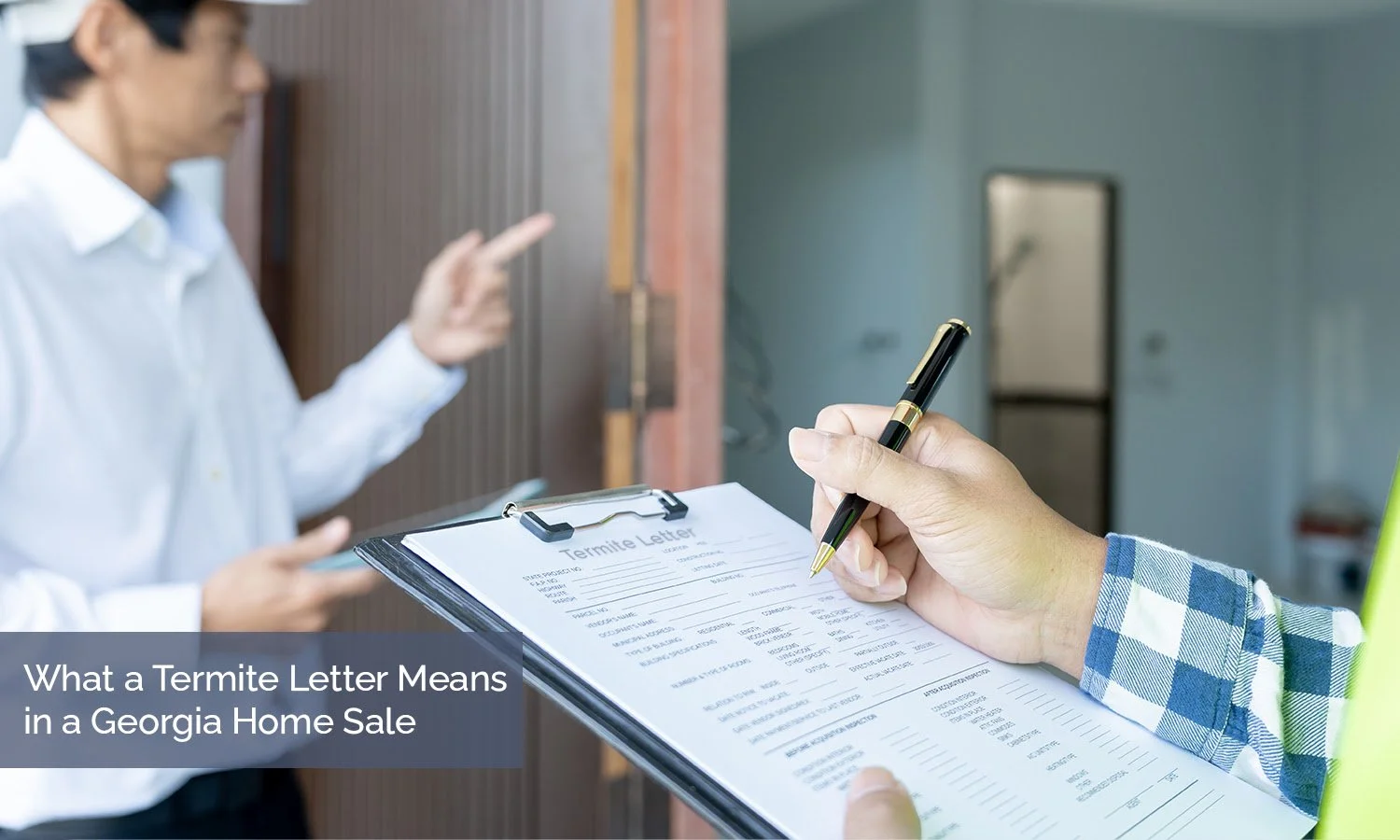
Any home bought or sold in Georgia already comes with quite a bit to manage - contracts, deadlines, inspections and financing all competing for your attention at once. At some point in that process, a "termite letter" will come up, and for most buyers and sellers, it tends to surface right when the paperwork is already at its heaviest. At that stage, even one more step starts to feel like it could slow the whole process down.
This document plays a part in a Georgia real estate transaction, and it's not something to forget. FHA and VA lenders won't close without one. Even cash buyers will usually ask for it before they're willing to sign. When it gets missed or when one of the parties misreads what it covers (and this does happen more than it should), a closing can stall or fall apart completely.
This document is a bit more important here than in most other parts of the country, since Georgia's warm and humid climate keeps wood-destroying organisms active year-round.
Buyers and sellers do much better when they actually know what this document is, what it leaves out and how it fits into the whole transaction. Not every wood-destroying organism problem will show up on a standard home inspection, and the termite letter covers a pretty narrow scope - so it's worth understanding exactly what it does and doesn't include. A full picture of how this works puts each side in a much stronger position.
Let's talk about what a termite letter means for your Georgia home sale!
What the Termite Letter Really Tells You
Almost everyone just calls it a termite letter (it's a pretty fair shorthand), but the full official name is the Official Georgia Wood Infestation Inspection Report. A licensed pest control company is responsible for completing it, and it gets filled out after a physical walkthrough of the property - every accessible room, crawl space and structural area that the inspector can get to.
Wood-destroying organisms are a wider category than the name suggests, and the inspector's job is to flag everything that falls under it. Wood-boring beetles and fungal wood rot are part of that same group, which means a report can come back with findings that have nothing to do with termites.
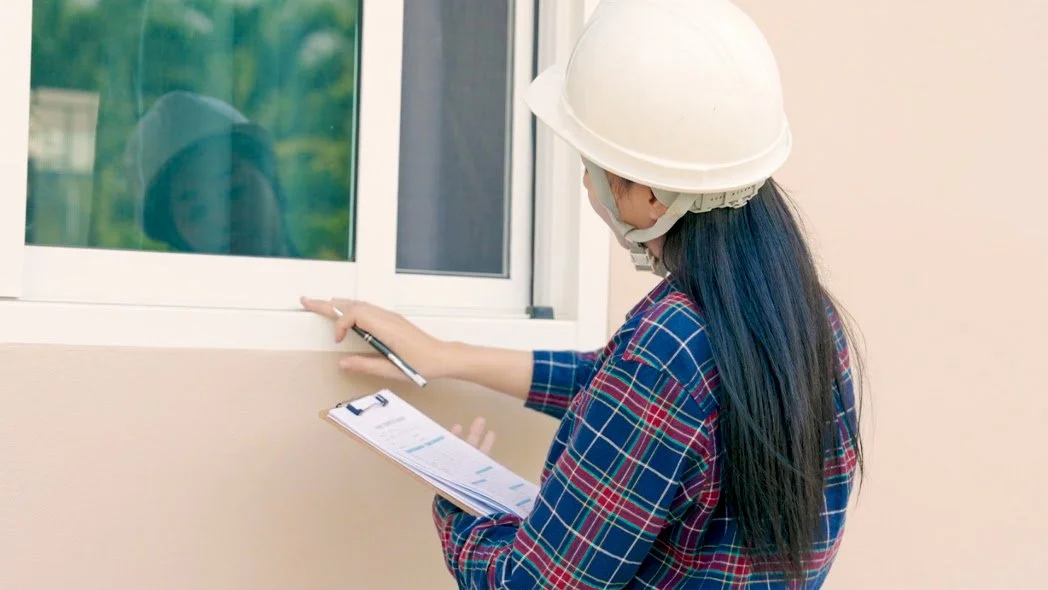
Here's a detail worth keeping in mind as you read one of these reports. What the document captures is only what the inspector could physically see on the day of the visit - and nothing else. A wood infestation report is not a full structural audit, and it's not a guarantee about what could be hiding inside the walls or underneath the floors - this part tends to cause more uncertainty than anything else, and from what I've seen, it's also where buyers wind up drawing the wrong conclusions.
What the report tells you is fairly straightforward. The inspector either found visible evidence of an active infestation or damage, or they didn't. A clean report is a very encouraging sign, no question about it. That said, it's just a snapshot of one visit on one particular day. In a real estate deal, that's a detail worth keeping in mind if a fair amount of time has passed between the inspection date and when you're actually sitting down to go through the paperwork.
Why a Termite Letter Protects Both Sides
Cash buyers aren't off the hook either. Even without a mortgage in the picture, buyers will still ask for a termite letter before they close on a property. A cash buyer still wants to know what they're walking into, and a termite letter gives them a documented answer that comes from an on-site inspection. It's a perfectly fair expectation and a pretty sensible ask, no matter how the deal is set up.
A termite letter is one document that actually protects both sides of a home sale at the same time. The seller gets confirmation that the property has been looked at by a licensed professional, and the buyer gets an honest picture of the property's condition before they commit. Buyers need to know they aren't walking into a property with damage that has never been disclosed. What makes a termite letter stand apart from most other paperwork in a home sale is that it's based on a physical inspection (with findings from an inspector who walked the property in person), not estimates or best guesses.

There's also the matter of timing. Most sellers will schedule the inspection early enough that any problems can be handled before the closing date. That way, if something does show up, there's still time to work through it without derailing the deal. It's a legitimately helpful document that lenders and buyers have come to count on, and it's not hard to see why - it takes the guessing out of one of the bigger financial decisions that you'll ever make.
Who Pays for a Termite Inspection
Georgia has a long-standing custom around who pays for the termite inspection - and it's the seller. None of it's written into law. But it's a practice that most real estate agents and buyers across the state have just come to expect. For anyone walking into the Georgia real estate market for the first time, this is worth knowing well before negotiations even start.
The inspection fee itself is pretty affordable - usually it lands anywhere from $50 to $100. At that price, it's almost never what stalls a deal or stresses anyone out. In the bigger picture of a real estate transaction, it's a fairly small expense. Even so, the contract still needs to be specific about who's responsible for covering it.

With that said, not every deal follows this pattern. The specifics of a sale (a cash offer, a motivated seller or an especially competitive market) can push both sides to handle costs a little differently. A contract is a contract and whatever yours actually says is what counts. Before closing, the smartest move is to read through your purchase agreement closely just to make sure that there are no unanswered questions about who owes what.
For buyers, a little bit of advance knowledge of what's customary in Georgia can make those first conversations with your agent quite a bit more productive - it removes a chunk of the unknowns early on, and it gives you a more comfortable position once the negotiation starts.
For sellers, the smartest move is to build that inspection fee into your budget right at the start of the listing process. $100 is a small price to pay for a smooth closing. Planning for it early means it won't feel like a complication when you get to closing.
What a Termite Report Does Not Show
A termite letter is a report of what an inspector found on one day - that's the full scope of what it's meant to cover. It's not a historical record of the property, and it's not trying to predict what might happen months or years from now. In real estate transactions, it's mostly used to check the box for a lender or to give the buyer some level of confidence before closing.
An inspector can only work with what's actually visible and accessible on the day of the visit. Anything hidden behind a wall, buried under the flooring or tucked way back inside the structural wood just won't make it into the report (it's not a flaw in the process). It's just the nature of what a visual inspection can reasonably cover. A clean report is great news (and I mean that), but it's just a snapshot of one single day - not a full picture of the property.

A clean termite report is a positive sign. But it doesn't give you the full picture. A previous infestation could have been treated and resolved years before an inspector ever walked through the door - and a new report has no way of showing any of that prior history. It's just not designed to. That history matters because it can tell you quite a bit about how the property has been maintained over time.
Ask the seller for any records of previous pest treatments or active pest control warranties as early as possible - a single-day inspection has its limits, so a paper trail can fill in the gaps. If the property has been under an active warranty, there's a chance the pest control company has records worth looking over. The answers that you get back are usually pretty telling.
A Clean Letter Is Not the Full Picture
A clean termite letter is great news, and in any Georgia home sale, it's still a standard part of the process. What it can't do is tell you anything past what was actually visible on the day of the inspection.
A termite treatment from months or years back almost never leaves anything visible for an inspector to find. The damage those termites caused is a whole other story (it can still be in there, tucked inside the walls, under the floors or deep within the framing), and this matters especially for older Georgia homes. A house that has passed through a few sets of hands over the years can carry a pretty long history of pest activity, and most of it never ends up in any official record.
A termite letter is best taken for exactly what it is. The pest control company that wrote it holds no responsibility once the inspection is done. Without a separate treatment plan or warranty contract attached to it, that letter is a one-time snapshot of the property on that particular day. Termites showing up three months after closing means that letter is not going to protect you in any way.

A clean result is always a welcome sign, and most Georgia home sales go through without any problems at all. That said, a clean result on paper doesn't always capture the full history of a property.
For a little extra reassurance, you can ask the seller for records of any past treatments and find out if there's an active warranty that can be transferred over to you as the new owner. A paper trail like that will always tell you far more about the home's pest history than any single letter ever could.
What Should You Do When Termites Are Found
An active termite finding on an inspection report doesn't have to end the transaction - the deal itself doesn't have to be off the table. What it does mean is that each side needs to slow down and sort a few details out before anyone moves forward.
At that point in Georgia, a seller has two options. The first is to pay for the treatment before closing and hand over the paperwork showing the issue has been taken care of. The second is to give the buyer a credit so they can cover the treatment cost on their own after the sale closes.
A seller-paid treatment gives the buyer more certainty before closing. That does matter. The tradeoff is that it does add time to the process. A credit lets the deal move forward a bit faster - though it does mean the buyer has to take responsibility for the treatment on their own after closing.

The negotiation usually depends on how bad the damage actually is. A contained problem in one area is a very different conversation from widespread damage to the structural wood throughout the home. When there's visible damage on top of active termites, the buyer should get a contractor in to look at the repair costs before agreeing to any credit amount.
Deals do fall through on occasion. A buyer might find the damage too extensive, or a seller might flat-out refuse to negotiate. It's not the most common outcome. But it's a possibility worth keeping in mind.
The encouraging news is that both parties usually want to reach the closing table. That shared goal does count for something. With a little flexibility on each side, an active termite finding is something most deals can move past without too much issue.
Steps That Smart Buyers Take in Georgia
Georgia's humid climate and heavy clay soil make for an extremely active termite population nearly all year long. A termite letter is well worth it, and most buyers will check that box without a second thought. For anyone who wants a bit of genuine reassurance before they close on a home, it's just the beginning.
One of the best steps a buyer can take is to request the home's full treatment history. Every past infestation and every treatment that followed will be documented in there, which gives you a much better sense of what you're walking into. Plenty of treated homes are in great shape, and that background knowledge puts you in a much better position to ask the right questions and plan accordingly.

It's also a smart idea to ask the seller about a termite bond. It's a long-term service agreement with a pest control company - they periodically check on the property, and if termites come back, the re-treatment is already covered. Plenty of sellers have one active on the home, and in many cases, it can carry over directly to the new buyer. Termite pressure in Georgia doesn't let up, so year-round coverage is well worth it.
A separate structural inspection gives you yet another layer of protection. A termite letter can tell you whether live termites or any existing damage were present at the time of the visit (which is worth knowing about), but it won't address how any past damage may have affected the home's structural integrity over time. A licensed structural inspector can go much deeper on that front (load-bearing walls, floor joists and support beams) - areas that a standard pest inspection just doesn't cover.
With these pieces in place, then you'll have a much fuller picture of what you're actually paying for.
Moving to Atlanta?
What it leaves out matters just as much as what it includes - and once you see how it fits into the full picture of a real estate transaction, it stops being a mystery and turns into a tool. It's just one part of a bigger and well-documented process - and the more comfortable you get with reading it and with what questions to ask around it, the stronger your position will be by the time you finally get to the closing table.
Georgia's climate has more of an effect on this. The heat, the humidity and the state's seasonal weather patterns all have a very strong effect on how homes age - and on what tends to come up when one is being sold. It's part of why this whole step exists. Most buyers and sellers in Georgia, once they've been through the process a time or two, come to see it as a sensible and worthwhile part of buying or selling a home, not an obstacle to push through. But it's something worth doing right.

Georgia home sales have plenty of moving parts, and the more prepared you are for each one, the better everything tends to go. The right team behind you matters - especially with the steps that seem far more involved on paper than they actually are. If you're buying or selling in Georgia and looking for a team that can take you through the whole process from start to finish (every form, every step, every question along the way), the Justin Landis Group is worth reaching out to. Our team has helped plenty of buyers and sellers arrive at closing with a sense of where everything stood, well-prepared and confident in the decisions they made. In a transaction of this size, it legitimately does matter who you work with.