
How Atlanta Tree Ordinances Affect Your Home Sale
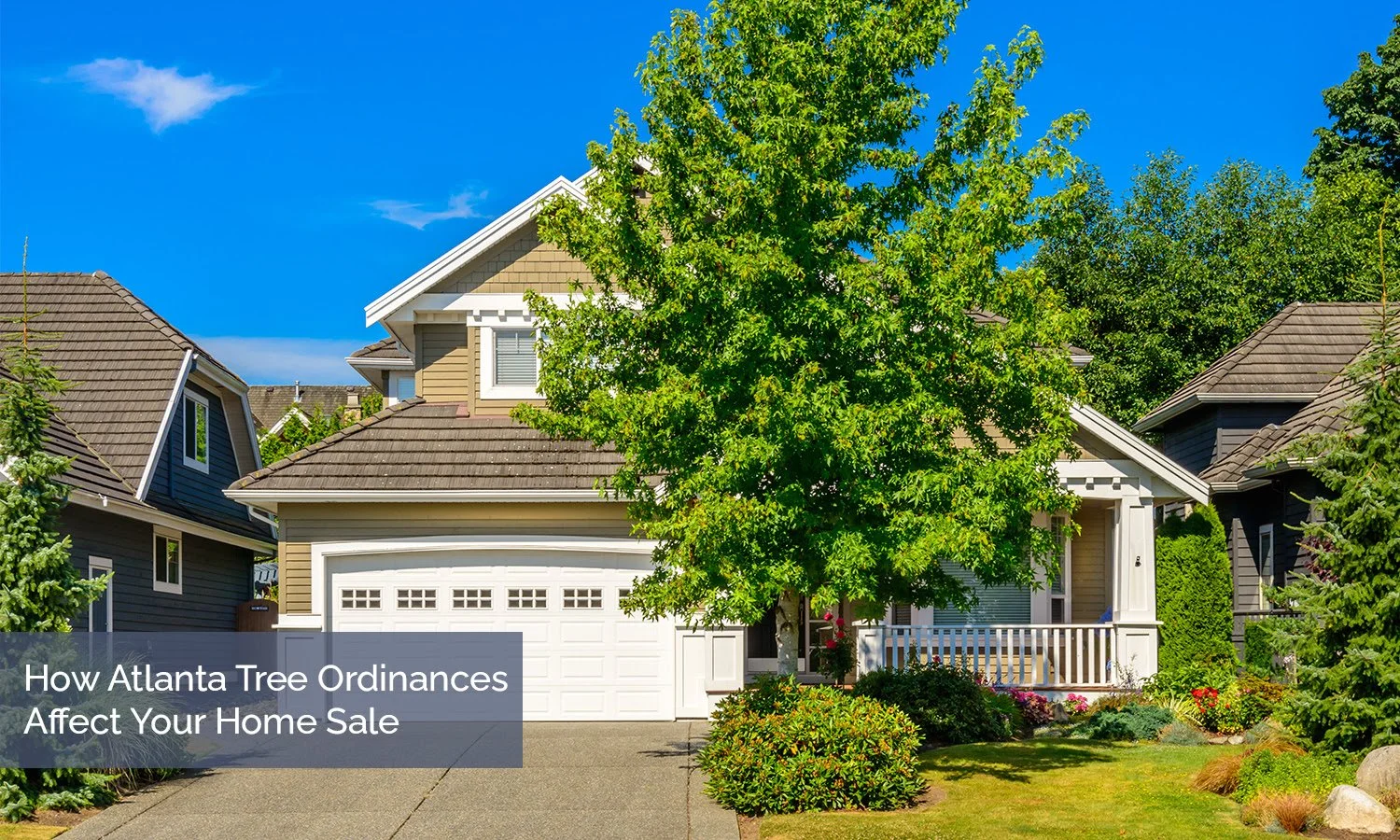
When you're putting a home on the market in Atlanta, the usual concerns on your mind are price, repairs, the home presentation and the right time to list. Trees almost never make that list. For most homeowners, the mature oak out back or the row of pines along the property line feels more like a selling point than a problem. But Atlanta's tree protection ordinance can turn that same tree into a liability pretty fast.
Atlanta has one of the most active urban forestry programs in the entire Southeast. If a tree on your private property hits a certain size, the city is going to need a permit before it can be removed - and those penalties are very real. Recompense fees have shot up sharply over the last few years, and fines for illegal removal can now run as high as $200,000 per acre. For most homeowners, a fine at that level feels extreme for removing a backyard tree.
Sellers who find out about these laws in the middle of a transaction are usually stuck with delays, unplanned costs and some pretty uncomfortable renegotiations. Buyers who skip the tree due diligence can walk away from closing with a compliance problem that actually belonged to the previous owner. Neither outcome is what anyone wants, and both are avoidable.
Early information goes a long way here - and it's a step I see get skipped far more than it should. A tree assessment before a listing goes live can flag permit problems, give sellers the time to sort them out on their own terms and spare buyers from issues that come up during the inspection period. It protects the deal for everyone involved. Atlanta's tree canopy is as much a part of the culture here as the city itself, and the ordinance isn't going anywhere - so it's worth learning a bit about before you list.
Let's look at how Atlanta's tree ordinances could affect your home sale!
What the Atlanta Tree Rules Actually Cover
The measurement Atlanta uses is called DBH, or diameter at breast height. All that means is the width of the trunk, measured at about 4.5 feet off the ground. Once a tree hits 6 inches or more in DBH, it's officially protected, and you'll need city approval before it can come down.
Skipping the permit process can lead to pretty steep financial penalties. In some cases, you might also be required to replace the tree at your own expense, which can make it quite a bit more expensive.
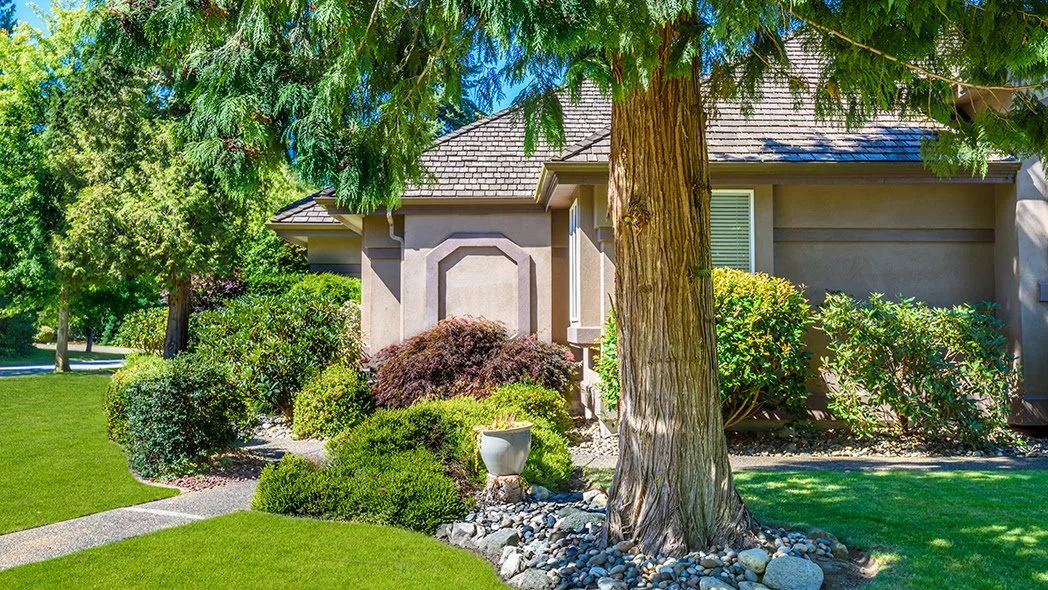
DBH is how the city separates a young tree from a mature one. A thinner tree will probably fall well below that 6-inch mark. Whether it's you or a contractor on the job, it's worth a tape measure before anyone touches a single tree.
This part matters a lot more when you're selling your home. Unpermitted tree removal tends to come up during the sale process - a buyer's inspector or attorney will usually look into past work done on the property. Any gap in the paperwork can create delays that you don't want. Atlanta real estate transactions already have plenty of moving parts without a tree permit issue added to the mix. Sellers are also usually expected to disclose known problems. An unpermitted removal could fall into that category in some situations.
A picture of which trees on your property are protected (and whether any past removal was done with the right permits) puts you in a much stronger position whenever you list it. If there's any doubt, it's a smart idea to contact the city or a licensed arborist sooner rather than later.
Extra Protection for Specimen and Heritage Trees
Atlanta's tree laws cover more than general canopy protection. A tree's size directly ties into how much legal protection it gets - and once a tree on your property hits a set size, the city puts much tighter restrictions on what you can do with it.
Atlanta has two different tree classifications - specimen trees and heritage trees. A specimen tree is any tree that has grown to a set trunk diameter. Heritage trees sit a step above that - they're older trees that the city has specifically designated as worth protecting. They each have tighter limits around removal and any nearby construction.

For anyone buying or selling a home, protected trees can complicate the process. A buyer with plans to add a pool, widen a driveway or redo the backyard might find the city pushing back hard once those trees on the lot come into the picture. Sometimes a single tree's location is enough to stop the whole project from moving forward.
A couple buys a home in Atlanta with a large oak in the backyard, and from day one their plan is to put in a pool that coming spring. When they start the permit process, they find out that the oak is actually classified as a heritage tree under Atlanta's tree ordinance - and the footprint of their pool falls right inside the protected buffer zone around it. The project doesn't move forward.
Situations like this are worth laying out before a deal closes. If a seller knows that a protected tree sits on their property, that's a conversation worth having early - well before a buyer gets that far. On the buyer's side, if you have any renovation plans in mind, it's worth asking about tree designations before you get too attached to a property.
Unpermitted Tree Removal Can Derail Your Home Sale
Atlanta's Urban Forestry Division actively investigates unpermitted tree removal, and a violation can cost you well into the thousands of dollars in fines. For sellers, that's where a quick tree removal can become quite a problem. Buyers and their agents are doing more due diligence than ever, and a sharp buyer's agent who walks the property is very likely going to see bare stumps or missing patches in the canopy. From there, questions will come up - and without any paperwork to back up what was removed, that conversation gets uncomfortable fast. The last headache you want is a paperwork gap that's threatening a deal that you're already deep into.
Unpermitted tree removal can also become a genuine disclosure issue when it's time to sell your home. Some sellers had this work done years ago and just never gave it another thought - which is pretty understandable. Atlanta's tree ordinances don't give any grace period for sellers who didn't know the laws back then. "I didn't know" almost never holds up as a defense.
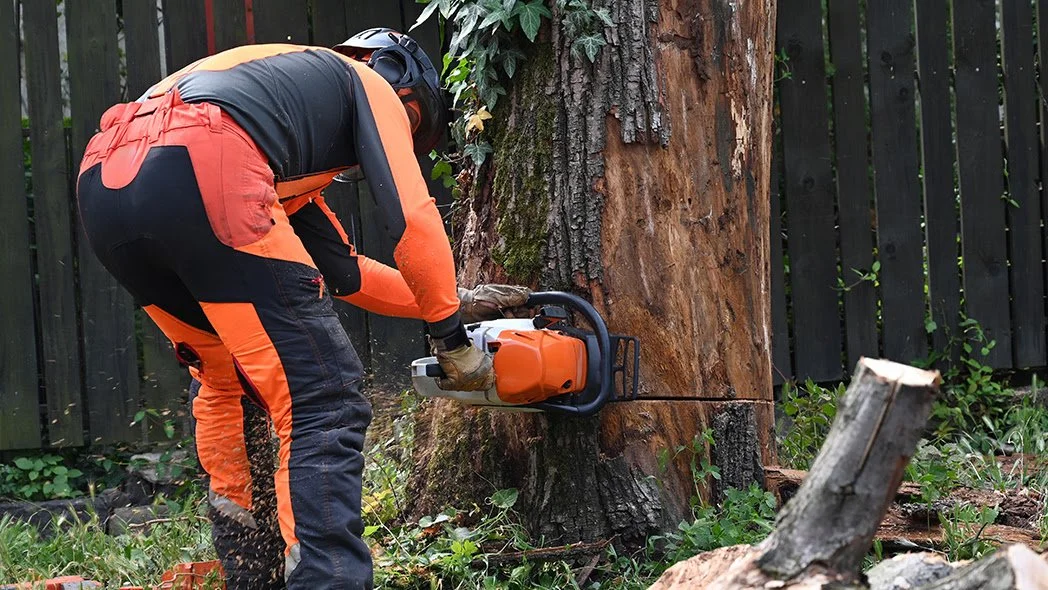
The upside is that it's very fixable before your home ever hits the market. The first step is to pull the records on any tree work that was done on the property and verify that the permits were actually filed at the time - it takes maybe an afternoon. If something is missing from the paperwork, a certified arborist or a real estate attorney with experience in Atlanta's tree ordinances can talk you through your options and point you in the right direction. In my experience, sellers who address this early are usually in a much better position than those who wait for a buyer to bring it up first.
A Tree Permit Can Delay Your Closing
You're under contract, and the clock is working against you in a pretty direct way. Most contracts have firm closing deadlines, and any delay can put strain on your relationship with the buyer - especially when that delay is with a city permit just to remove a tree. Atlanta's permitting process moves at its own pace, and it's not usually a fast one. If a tree on your property has to come down before closing, the time it takes just to get approved needs to be part of your plan from the start.
A fairly common situation looks something like this - a buyer's inspector flags a hazardous tree, the two sides agree that it needs to come down, and then the word comes back that the city is going to need a permit before anyone can touch it. At that point, you have a closing date on one side and a municipal review process on the other, and the city won't speed it up just because your timeline is tight.
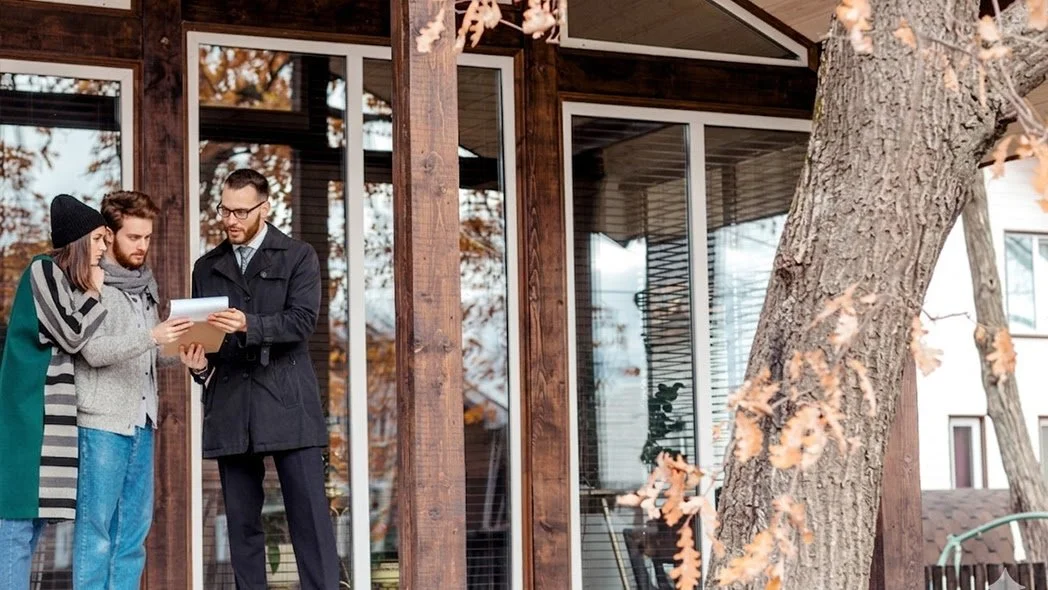
Buyers can lose patience fast when a deal sits in limbo like this. Some will want to renegotiate, and others may just walk away if the timeline stretches on too long. It's the unpredictable gap it drops into an already tight schedule that's so hard to work around. From what I've seen, sellers who run into this are usually mid-contract with very few options left.
One of the smartest moves a seller can make before they list is to walk the entire property first. If trees need to come down, the permit process can drag on - and a signed contract that sits in limbo as you wait on the city is a headache that you don't want. Get ahead of it early and give yourself some room to work with.
These Tree Costs Can Change Your Deal
A tree removal permit gets you most of the way there. But it doesn't necessarily close out your obligations to the city. Even after the work is finished and the permit is signed, the city can still call for replacement plantings - or a financial contribution to what's called a tree bank fund. That balance stays attached to the property until it's resolved, permit or no permit.
The better move is to manage this well before a buyer ever sits down to negotiate. A recently removed tree can leave an open replacement obligation on the property. Any buyer's agent worth their salt will find it during due diligence. Once that happens, it's going to come up in the price conversation - and it's going to come up with a hard number attached to it.

Repair credits are where negotiations can get a bit more layered. A buyer can ask for a credit to cover the cost of planting replacement trees or to cover an outstanding tree bank payment that hasn't been made yet. Not some hypothetical concern but a dollar amount that ends up on the table - and it can change a deal in one direction or another.
What makes this even messier is that plenty of sellers had no idea this unresolved obligation was still out there when they went to list the home. The tree came down, and the work got done. As far as they were concerned, that was the end of it.
The more you know about where matters stand before buyers start asking questions, the stronger your position will be when that conversation happens - and it will.
Your Neighborhood Has Its Own Tree Rules
Atlanta's tree laws aren't a one-size-fits-all situation - they can change quite a bit depending on where in the city a property sits. Every neighborhood and zoning designation has its own canopy coverage minimums, and what passes just fine on one side of town could pretty readily run into some problems just a few miles away.
For any buyer who has development plans on the horizon, it's worth a look well before a deal starts moving forward. A property in one zip code might carry a much higher tree canopy threshold than another property just a short drive away. That gap can have an effect on what you're actually able to build.
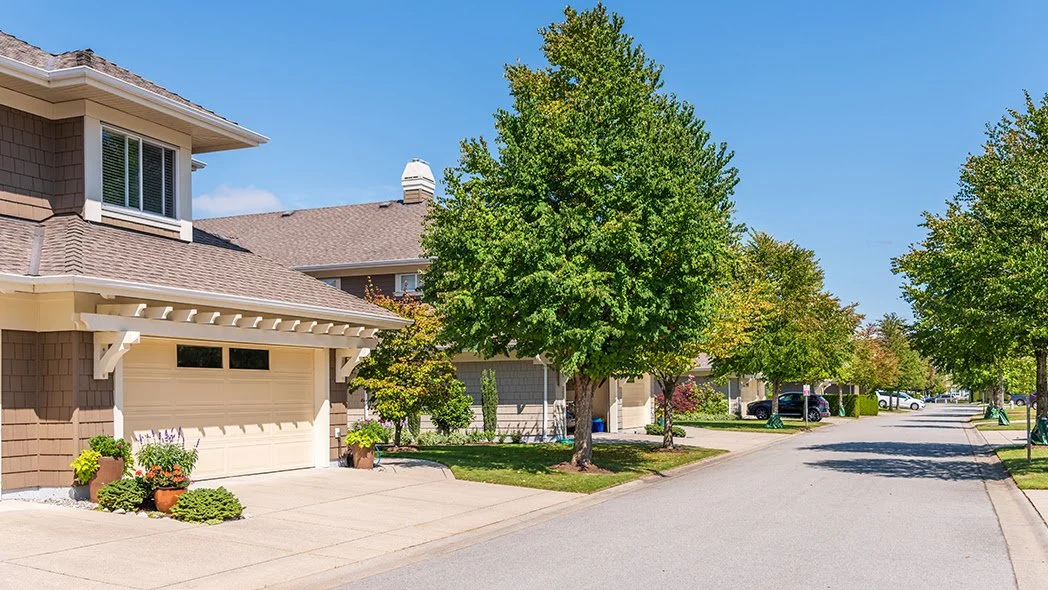
The zoning category matters quite a bit here, and sometimes it carries just as much weight as the neighborhood itself. Residential, commercial and mixed-use zones each have their own canopy thresholds - minimum amounts of tree coverage that a property has to maintain to stay compliant. A tree removal for a new driveway, an addition or a bigger structure could push a property out of compliance even if the previous owner never ran into any problems with it.
Heavy landscaping plans are another area where buyers can get themselves into trouble. A lot that looks wide open and workable might have canopy standards attached to it (those can put a cap on what you're allowed to do with the space), and it's probably the part that I see underestimated the most.
Once you fall in love with a property, your best bet is to look up the canopy thresholds tied to its zoning designation. A local arborist or a real estate agent can usually find that pretty fast. From there, you'll get a much better picture of what the land will and won't allow, what it's going to ask of you and whether any of that fits with what you have in mind. Armed with that information, a deal can go from feeling hopeful to feeling confident.
Talk to an Arborist Before You List
A pre-listing tree assessment is one of the best investments a seller can make before a home hits the market. Just like with a pre-listing home inspection, the whole idea is to find out what's actually on the property, what might need some attention and what might hold up a sale (all before a buyer ever steps through the door) - it gives you time to look into your options as you're still in control of the process.
Atlanta's tree ordinances are pretty strict, and they can change quite a bit depending on which part of the city (or which neighborhood) you're in. A certified arborist can come out to the property with you, point out which trees fall under city or local protection and give you a sense of whether any of them might create complications during the sale. They can also put together a written report that you can share with buyers or their agent if questions come up. Atlanta has plenty of protected trees, and in my experience, this tends to be the step that sellers wish they hadn't skipped.
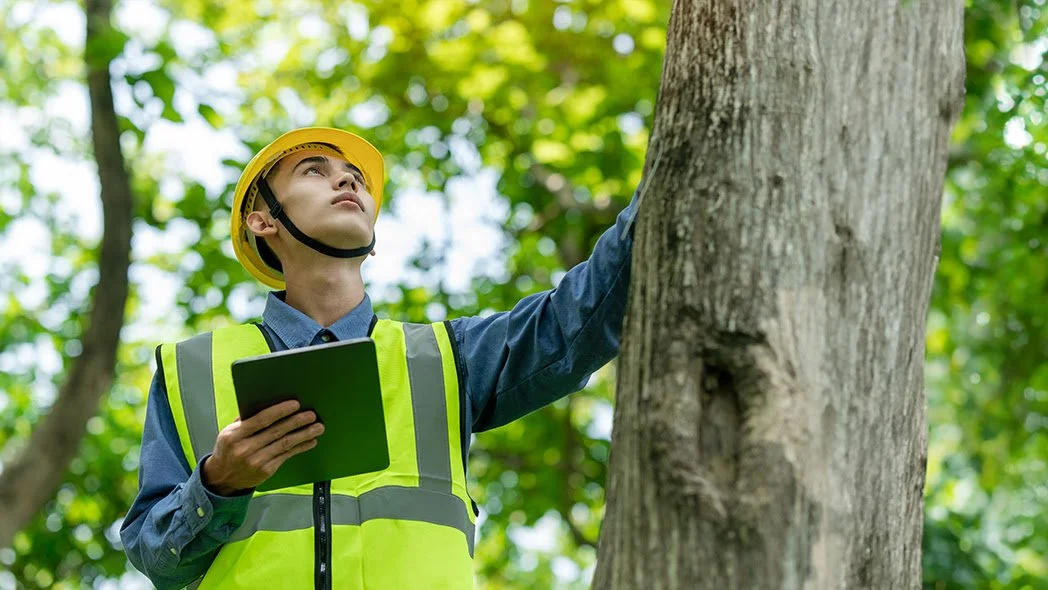
Buyers and their agents will ask questions - count on it. A protected tree that looks damaged, or one that was trimmed at some point without the right permit, will come up during the sale and not in the way that you'd want. Knowing what's there already means that you get to manage it on your own terms before it ever turns into a negotiating point.
Moving to Atlanta?
Atlanta's tree laws are not the most interesting part of buying or selling a home - but they are very real, and they do carry consequences. That said, none of this has to derail your deal. Whether you're about to list or just starting your search as a buyer, a basic familiarity with these protections (and how they actually apply to the property in question) puts you in a noticeably stronger position walking into a transaction.
Most of the uncertainty in this area doesn't come from the laws being hard to follow - it comes from buyers and sellers who just don't know these laws exist. Once you have a clearer picture of what you're working with, the whole process of figuring out where a property stands gets more manageable. A quick conversation with the right pros, well before a deal starts moving forward, can save you issues once you're under contract and the clock is ticking.

Atlanta's real estate market has plenty of moving parts - zoning wrinkles, neighborhood-by-neighborhood differences and yes, tree ordinances that can legitimately affect what you do with a property. An experienced local agent who already knows the area can save you frustration. The Justin Landis Group works with buyers and sellers all across Atlanta, and our team helps you get there with genuine confidence. Whether you're on the buying side and want to protect yourself or you're a seller looking for the best possible outcome, we have the local knowledge to get you there. Get in touch and let our team help you through the process.