
What Happens at the Final Walkthrough in Atlanta?

This inspection usually happens within a day or two before closing, and it's your last chance to make sure you're not about to inherit plenty of problems that aren't really yours. You'll need to make sure that any repairs that you asked for actually got done (and got done right), the appliances are still working as they should be, and the seller didn't break or damage anything during the move-out. Atlanta's market can get pretty competitive with bidding wars and waived contingencies that happen constantly, so you need this final walkthrough even more - especially if you had to skip some of the other inspections just to get your bid accepted.
This walkthrough is one of the biggest parts of the whole process - for most homebuyers, a home is the single biggest financial commitment they'll ever make. You've still got some options on the table if you find problems during this final check (and there's a decent chance you might). Credits at closing, repair negotiations or an extension on the closing date - these are all fair game. Walk right past it or breeze through it too fast, and you're going to have expensive problems that will become much harder to fix after all of the papers are signed!
Let's go over what you can expect during this final step!
Best Time for Your Final Walkthrough
Final walkthroughs usually happen from 24 to 48 hours before your closing date. Agents like to schedule them in that window because it gives you one last chance to check out the property right before it's officially yours, and with any luck, everything should still be in the same condition as before.
Your agent is going to set up the appointment with the seller's agent and make sure that everyone is on the same page about timing and access. Georgia closings always include an attorney who takes care of the paperwork. Spot any problems during the walkthrough and bring them up with the attorney - they're there to look out for you and address any issues before they get worse.

Atlanta traffic deserves some thought when you're planning your walkthrough schedule, even more if you're not all that familiar with the area. A 20-minute drive in the morning can balloon into an hour-long crawl once rush hour hits. Most buyers like to schedule their walkthroughs earlier in the day, well before the traffic starts to build up. Morning light also happens to be much better for seeing the home itself.
Every once in a while, sellers haven't quite finished moving out by the time that the walkthrough happens. Boxes might still be stacked up in the garage, or maybe a bedroom or two still has furniture scattered around. That creates some obstacles and makes it a bit harder to look at what matters. When a house is still pretty full during a walkthrough, buyers can always request a second visit through their agent, closer to the closing date, if possible. The whole point is to see the property in the condition that it'll be in when the keys get handed over - not as it's still buried under the seller's belongings.
An agent's job is to coordinate the moving parts and make sure that the timing works out right for everyone involved.
Test Each System in Your Home
You'll need to test everything that moves or turns on during your walkthrough. Water fixtures are usually the best starting point - turn on each faucet in the kitchen and the bathrooms (every single one). Let the water run for 1 or 2 minutes at a minimum so you can see how well it drains and if the water is actually running hot enough.

Light switches should be next on your list. Go through every room in the house and flip each switch to make sure that the fixtures are working the way they should. This is a bit tedious, sure. But usually it only takes a few minutes to get through it, and it's worth the effort to catch any electrical problems before closing on the home.
The garage door is another item worth checking on. As you're going through the mechanical systems in the home, take a minute to run the dishwasher through at least part of a cycle. Listen closely for any weird sounds that don't seem quite right - these can point to problems that aren't visible on the surface.
Your HVAC system is another big item to check while you're at it. Turn the heat on first and let it run for 1 or 2 minutes, and then switch everything over to the air conditioning. This quick cycle will tell you if the system is actually working the way it should. Walk around to a few different rooms and hold your hand near the vents - you want to feel if the airflow seems steady and strong throughout the whole house.
One more item to bring along is your phone charger. Walk around and plug it into the outlets in different rooms to make sure each one works and delivers power the way it's supposed to.
These systems do take a little bit of time to test, and it's just one more task added to your already long checklist. What makes it worthwhile is the reassurance that you get from seeing that everything in the home works the way it should. When the inspection shows something that isn't working right, you have the opportunity to ask the seller to fix it before closing on the property.
The Inspection Points for Atlanta Homes
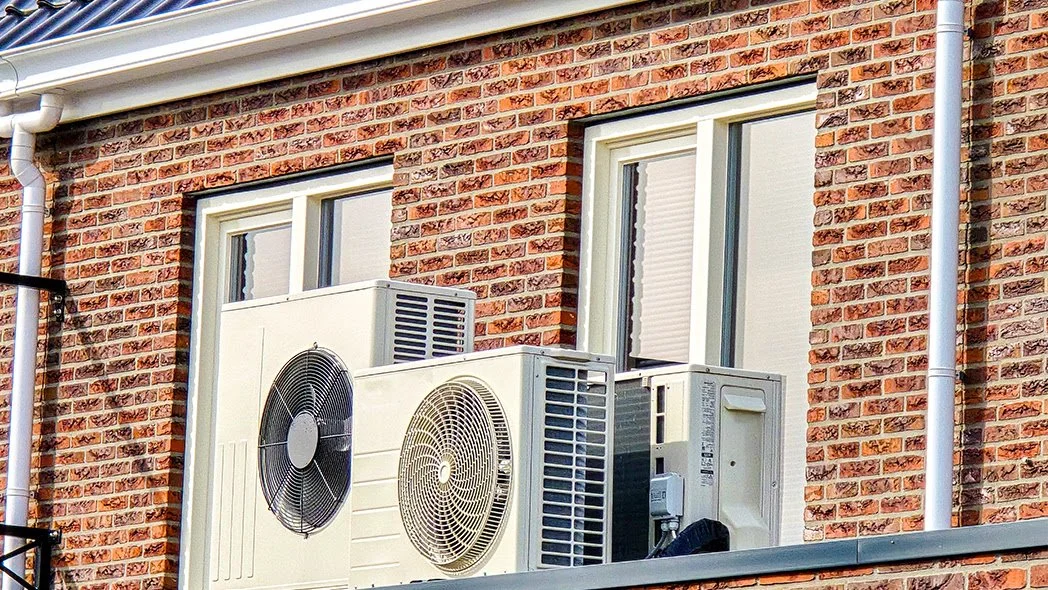
Atlanta's weather puts plenty of stress on HVAC systems, and you should look at this during your walkthrough. Summers are extremely humid, and winter brings sudden temperature drops that wear down the heating and cooling equipment over time. You should actually test the air conditioning to see if it works as it should, and do the same with the heater. Don't trust what the seller tells you - turn the systems on yourself and see how they perform.
Moisture tends to be one of the biggest problems in basements and crawl spaces in older parts of town. Plenty of the neighborhoods around here (like Virginia-Highland and Grant Park) have houses that were built decades before anyone thought much about modern waterproofing methods. Any signs of dampness or water damage in these spaces deserve a look. Stains on the floors and walls can point to past problems. But soft areas are usually worse - they mean there's an active problem that hasn't been dealt with yet.
Termites are a common problem in Georgia, and any evidence of them has to be dealt with before you close on the property. When the inspection report shows termite activity, you should ask for a copy of the termite treatment completion certificate from the seller. This falls on them, and it should already be taken care of by the time you're looking over everything. You should walk around the foundation yourself a few minutes before closing and check any wood that's close to the ground. This gives you a chance to verify that the treatment was actually completed and everything looks right. We get heavy summer storms around here that dump plenty of rain in just a few hours, and that's why you want to check the ceilings and walls closely for any water stains.
You should also look at the areas around windows and doors - water tends to get in through those places. Fresh paint is a common way to cover up old water damage, and if you see any areas that look freshly painted, it's worth asking about them. Atlanta's weather is tough on houses - much harder compared to what homes face in drier parts of the country.
What Should You Bring for Your Final Walkthrough
Your real estate agent should be with you during the final walkthrough.
Agents are trained to spot problems that most buyers would miss, and they also know how to bring up problems in a way that doesn't make it awkward or kill the deal. Plus, if there's ever a dispute later about what was (or wasn't) discussed during the walkthrough, you'll have a professional who was there and can back up your side of the story.
You need a phone to document your inspection and should take plenty of photos and videos of anything that looks off or questionable. The right lighting can make or break your ability to capture problems on camera, especially with the ones that are harder to see. Pull back the curtains and turn on every light in the room before you start taking pictures - this helps your phone's camera actually pick up what you're seeing with your own eyes in person. Take close-up shots of any problem areas you find and grab some wider shots that show where in the room each issue is located.
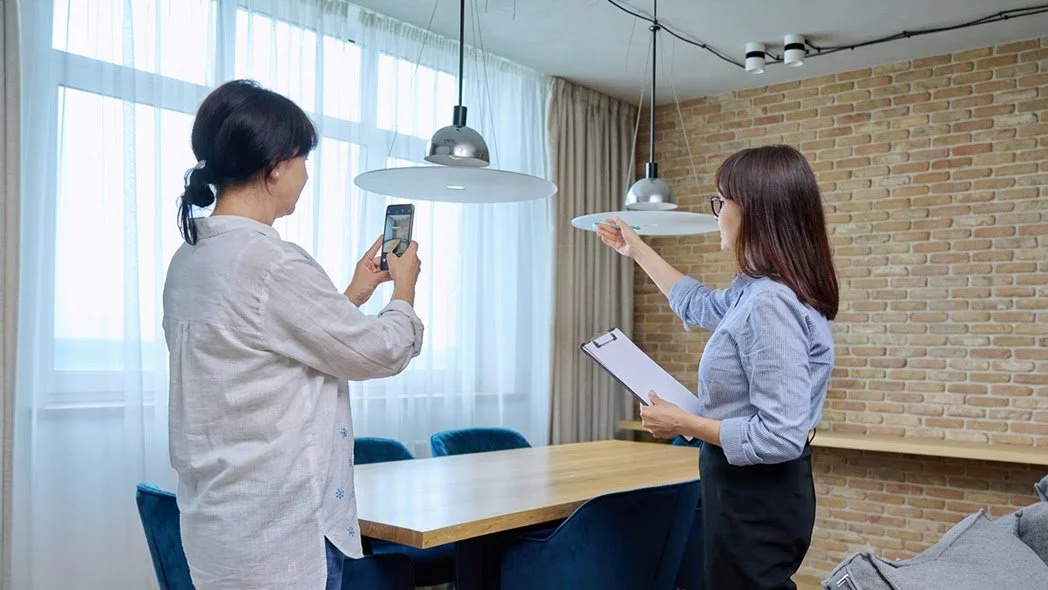
Pack a notepad so you can jot down reminders if needed. Maybe you'll have some measurements to record, or maybe you'll just want to write yourself a reminder about something to bring up with your agent later on. A flashlight is useful if you have to check out dark corners or look under sinks where problems like to hide out. Make sure to throw a phone charger in your bag too - you're going to take lots of photos and videos, and that'll drain your battery pretty fast.
Also, bring copies of all your paperwork along with you. At the very least, you should have the buying agreement and any inspection reports that came back earlier. These documents make it much easier to cross-check what you're actually looking at against what was supposed to be there or what the inspector had written down a few weeks ago. In a lot of cases, sellers will agree to take care of some of the repairs before the closing date, and this walkthrough is your opportunity to make sure that they actually followed through on those fixes.
How to Handle the Walkthrough Problems
Problems are going to come up during your walkthrough - it's just part of the process. When a problem shows up, you'll have to decide how to move forward with it. The severity of what you found helps dictate whether you can take care of it yourself or if you'll have to call in a professional quickly. Small problems like a missing lightbulb or a cracked outlet cover can usually be taken care of before closing on the property. Your agent can contact the seller quickly and ask that they take care of these repairs before the closing date arrives. Most sellers are willing to fix basic items like this without much pushback, and these kinds of minor repairs don't usually turn into any conflict during negotiations.
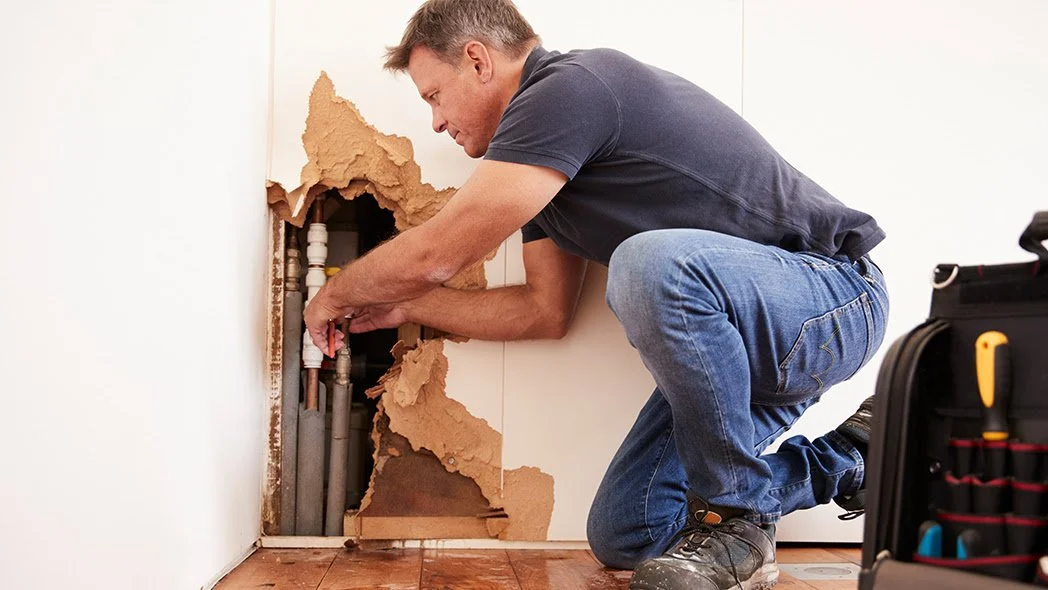
Bigger problems call for different options, and you have a few ways to take care of them. Water pooling in the basement isn't something that you can ignore or patch up with a weekend DIY project from Home Depot. These need professional attention, so you should work out an agreement with the seller. One option is to ask that they take care of the repair before the sale goes through. Another way is to ask for a dollar amount to be credited back to you at closing and have the freedom to hire your own contractor after you move in. If the issue is bad enough, it's fine to push back the closing date until everything gets fixed.
Georgia actually has laws in place that protect you when something like this happens. Most agreements will have language written into them about what condition the home needs to be in by the time you get to closing. How you go about enforcing those terms can get complicated pretty fast if you don't have anyone on your side who knows what they're doing. An attorney can take a close look at your contract and explain what you can demand from the seller based on whatever damage or problems you discover. Your real estate agent can be an asset for inspection problems. They already have a working relationship with the seller's agent and know how to frame your requests in a way that actually moves toward a resolution. Timing matters quite a bit with inspection problems, so bring them up as fast as possible. The faster you take care of these problems, the more options you'll have to get everything resolved before closing.
Moving to Atlanta?
But it's one of the best ways to protect what's probably going to be your biggest financial investment. Any problems that come up are much easier to fix before the sale closes and you get the keys. At this point, you're still in a position to make sure everything is what you had expected before it's officially yours, and the confidence you get from that alone is well worth the time.
So plenty of small details need your attention, and you might second-guess yourself about whether you've covered everything that matters. An early start on your inspection checklist gives you more time to think through what actually matters to you (and what you're okay with passing on). Your real estate agent has been through this whole process many times before, so they're going to catch all kinds of little details that most first-time buyers would miss on their own.

The final walkthrough is your last chance to catch any problems before closing on the home. Taking the time to really look at every room and those little details is one of the smartest moves you can make. The more careful you are at this stage, the better you'll feel when it's time to sign the paperwork and pick up those keys.
When you're ready to make Atlanta your home, you'll find that this city has lots of different neighborhoods to choose from, and each one has its own personality and story. The Justin Landis Group works with buyers every day to help them work out which part of Atlanta is going to be the best fit. Maybe you want something quiet and suburban, or maybe you'd like to be close to the action downtown - and in either case, our team can help you find just what you're looking for. Give the Justin Landis Group a call, and we'll help you track down your dream home!