
Do Solar Panels Add Value to Atlanta Homes in 2026?
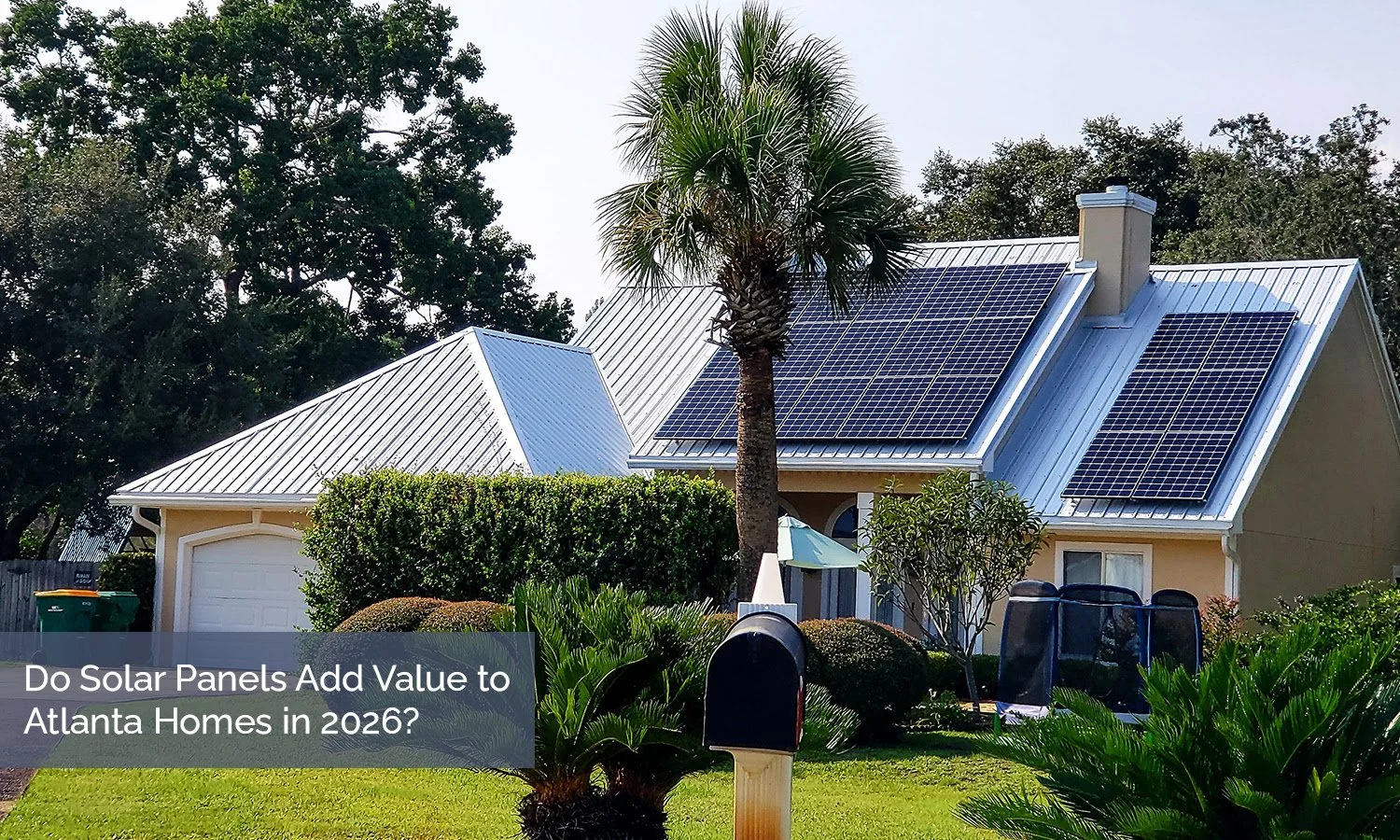
Atlanta homeowners are up against one of the harder financial decisions in the home improvement world. Energy bills rise every summer, installation costs are still pretty high, and the policies around tax credits and utility buyback rates shift constantly. These moving parts add up fast, and if you're in the middle of pricing out a solar system, a close look at what these numbers mean for your own situation is well worth the time.
The added home value argument for solar is genuine - the studies do back it up, and solar-equipped homes have actually sold at decent premiums. That said, Georgia's utility structure and shifting net metering policies have changed the math quite a bit for anyone who is buying in 2026. What made financial sense for a neighbor who put panels up in 2023 doesn't necessarily hold true anymore.
What drives the outcome is your energy usage, how long you're planning to stay in the house and which part of metro Atlanta you're in. Get those three factors working in your favor, and the financial case for solar gets a fair bit stronger. Miss on any one of them and the math changes considerably - every household will land somewhere a little different.
Everything below covers the straight financial picture - the numbers, the latest incentives and the trade-offs to keep in mind before you sign anything. Most of what's out there on this topic either oversells solar or overcomplicates it.
Atlanta homeowners deserve a straight answer, and this overview is here to fill that gap. Let's find out if solar panels are a worthwhile financial move for your Atlanta home!
How Solar Panels Add Value to Your Home
Zillow and the Lawrence Berkeley National Laboratory have done research on this, and their findings line up quite well. Across the two studies, homes with solar panels usually sell for roughly 3% to 4% more than comparable homes without them.
On a $400,000 Atlanta home, that added resale value works out to between $12,000 and $16,000 - about the same as what a full kitchen renovation would run you or a chunk toward a down payment on your next place. That's actual money and it does matter.
Not every home will see the same return, of course - every sale is different, and variables can affect the final number. A pattern that holds up across thousands of home sales is still pretty hard to argue with.
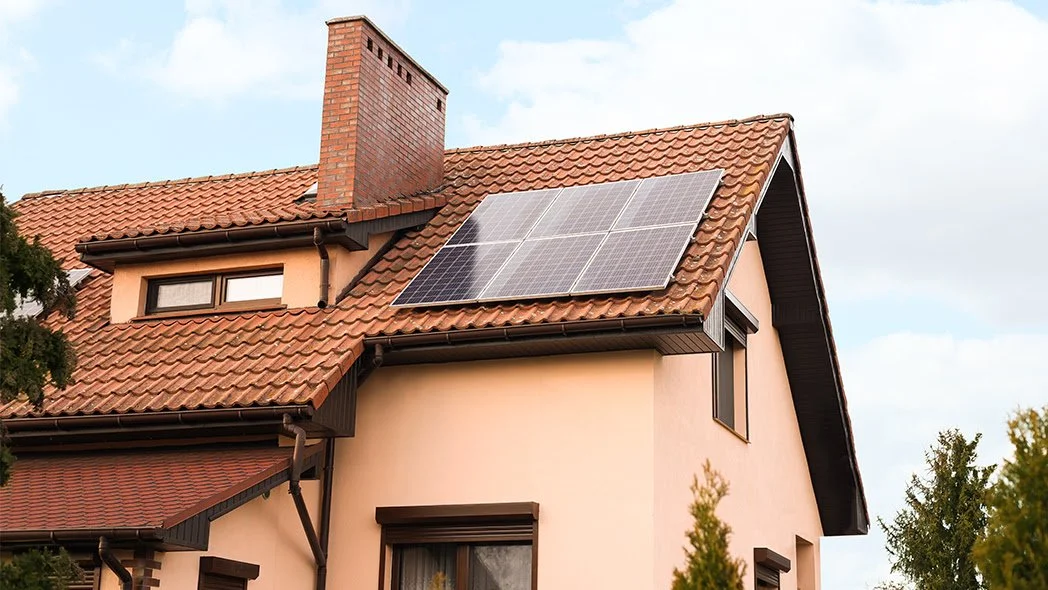
Atlanta homeowners actually have a benefit here that's worth mentioning, and it's about the local market. A percentage-based increase stretches more in Atlanta than it would in a lower-priced market since home values across the metro area have been climbing steadily for years now. A 3% to 4% increase on a $400,000 home is a very different number than that same percentage on a $200,000 home - the math just works out better when your starting point is already high.
A buyer who walks into an Atlanta home and sees solar panels already in place will run through the numbers pretty fast - lower monthly utility bills, no installation process to manage and savings that start from day one. That setup is pretty hard for most buyers to pass up, and it gives your listing an edge over the competition.
How the Federal 30% Solar Tax Credit Works
A higher sale price is great. But it's only one part of the financial equation.
The credit takes 30% of your total solar installation cost and removes it directly from your federal tax bill. On a $20,000 system, that's a $6,000 reduction. A tax deduction lowers your taxable income and only saves you a fraction of what you owe. A tax credit like that cuts your tax bill dollar for dollar - it's a much bigger deal. Seeing the numbers laid out tends to put the choice in a very different light.

The 30% rate is locked in through 2032 and gives you a great amount of time to plan. One detail worth keeping in mind, though - the rate is scheduled to drop once that window closes, and Congress has the power to move that deadline up at any point before then. Homeowners who've already locked in at 30% are going to be in a much better position than homeowners who wind up at a lower rate because they waited. Every year of delay is another year closer to a less favorable deal (it's not meant to pressure anyone). It's just the reality of how the timeline works.
Georgia also has its own property tax exemption for solar installations, which alone contributes a chunk to your total savings - and it deserves its own full walk-through because there's quite a bit to it, and it wouldn't all fit neatly here. But for now, just know that it's a genuine benefit that's working in your favor.
What Georgia Power Pays for Your Solar Power
The rate that Georgia Power credits you for excess energy is below retail - and the difference between what you earn per kilowatt and what you'd pay for that same kilowatt is where a fair amount of the frustration with this setup comes from. Even on a very productive day where your panels are putting out more electricity than your home can use, the credit that shows up on your bill won't come anywhere close to the retail rate that you'd pay for that same power at any other time.
This doesn't make solar a bad investment - not even close. What it does mean is that the "zero electric bill" promise that Atlanta homeowners get sold on is harder to pull off in Georgia than in states with more favorable net metering policies. Monthly bills will usually drop, and in plenty of cases by a decent amount. A full offset is a different story - that's a harder target to hit, and it's where homeowners come away disappointed.

A well-sized system in Atlanta can still make a strong financial case for itself. The returns are actual, and the long-term savings do add up. The math just gets a bit tougher when excess generation earns back less per kilowatt-hour than you're paying for power. That said, a picture of how Georgia Power's billing structure actually works puts you in a much better position to run the numbers and land on a choice that you feel comfortable with.
Your Energy Use Drives the Solar Payback
Solar costs and savings in Atlanta don't look the same from one household to the next. The federal tax credit, the property tax exemption and your monthly energy savings all work for you at once - the only variable is how fast those benefits add up, and it can all depend on how much electricity your home uses.
Atlanta summers are brutal, and air conditioning ends up being one of the biggest energy bills that a household can have. A family with a bigger home running the AC from May through September will pull more from the grid than, say, a couple in a smaller place with lighter usage. That higher monthly bill is a great position to be in for solar - you'll see more savings with higher usage, and that's what drives a strong return on investment.

Before committing to anything, take an honest look at what you're already paying. Monthly bills that are already on the lower end mean the payback period will take a bit longer. The math tends to tip in your favor much faster when you're usually paying $200 or more a month during those hot Atlanta summers. Net metering is also worth factoring in - for example, Atlanta caps the credits that you can earn for any extra energy you send back to the grid. Because of that, you want to size your system around your consumption instead of trying to overproduce.
From what I've seen, the households that get the most value from solar are usually the ones that review their usage before committing to anything. Pull up your last twelve months of utility bills and see what you're actually spending each month - not a rough estimate, but the actual number. That one figure shows far more about your likely return than any ballpark calculation or general guideline ever will.
Who Are the Atlanta Buyers That Want Solar
So what your solar panels are worth is less about the panels themselves and more about who eventually buys your home.
Buyers in higher-end neighborhoods like Buckhead or Decatur usually come in with pretty strong environmental preferences and a longer financial horizon in mind. The sticker price matters to them, of course. But what actually drives their choice is the total cost of ownership over time. Lower utility bills across 10 or 15 years can be a pretty convincing selling point to a buyer like this.
In the less expensive parts of Atlanta, the math works a little differently. A buyer who is already at the edge of their budget will care far more about a lower listing price than about the prospect of smaller energy bills two or three years from now. None of that's a criticism of these buyers - it's just a different set of financial problems.
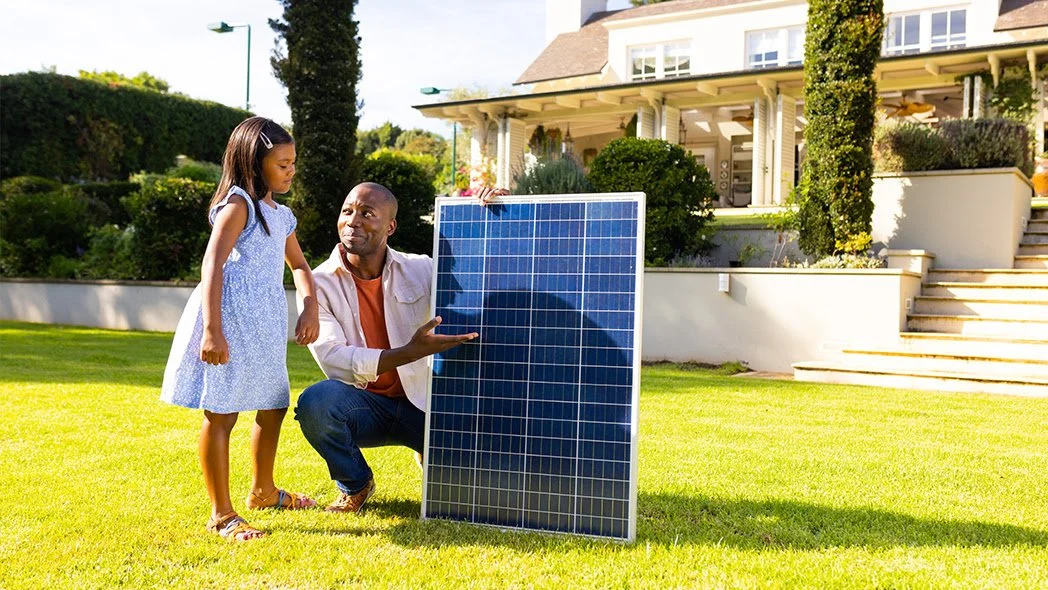
Before anything else, it's a smart idea to find out who your most likely buyer is. The answer to that changes quite a bit based on which part of Atlanta you're in - different neighborhoods draw in very different buyers with very different needs. A local real estate agent will give you a more accurate picture of this than any general guide ever will. Local knowledge is what matters on a question like this.
Solar doesn't carry the same added value in every part of Atlanta - it's something to keep in mind before making any decisions. The benefits are very much there in plenty of cases, but it depends just as much on your neighborhood and your likely buyer pool as it does on the quality or size of the system on your roof.
Solar Pays Off More With a Longer Stay
Net metering deserves a quick explanation before we go any deeper. Georgia puts a cap on how much credit you can earn from excess energy sent back to the grid, which means your monthly savings do have a ceiling. Over a longer time frame, that ceiling matters much less - you'll have more billing cycles to build up those credits and let the savings grow. Over a shorter period, that ceiling matters quite a bit more - if your system produces far more than you use, some of that possible value just doesn't make it back to you in the form of credits.
A ten-year horizon changes the picture quite a bit. With a full decade of energy savings ahead of you, the math starts working in your favor. Energy costs in Georgia have been trending upward for a while now, so the earlier you add your own power source, the better the numbers tend to look over time. And when the time comes to sell, a paid-off solar system is a genuine asset - Atlanta buyers have shown strong interest in homes that already have solar. That interest continues to grow as electricity rates climb.
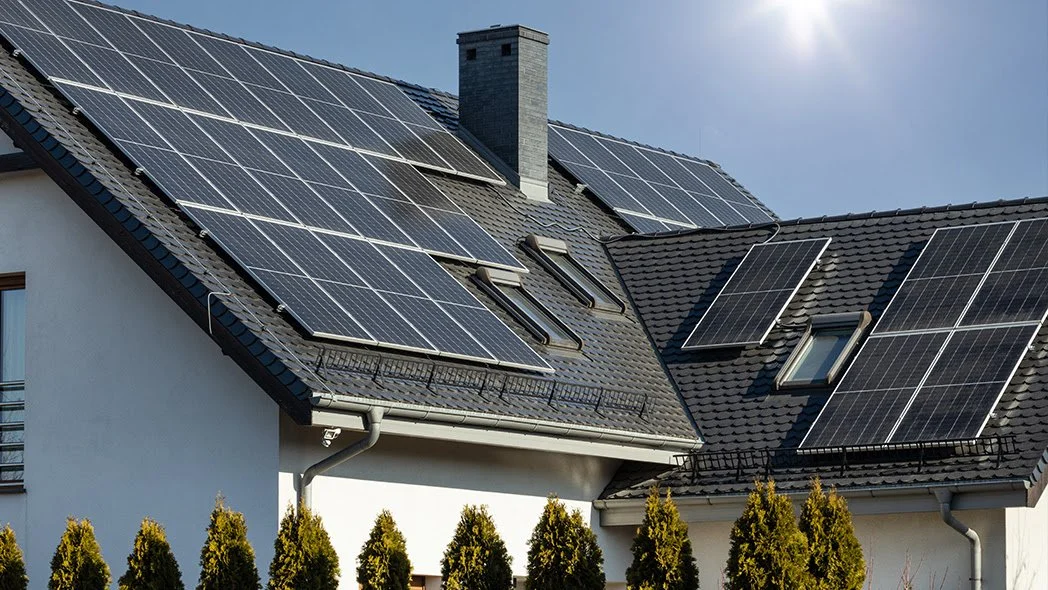
Before you sign anything, take a hard look at where you actually stand in life. Whether you're looking to stay at this address for a long time or already have a move in mind for the next few years, those are valid positions, and neither one is wrong - but your honest answer will change whether solar is a sound financial move at this point or something that's better revisited when the timing lines up.
The system itself never changes. Your timeline does, though.
Moving to Atlanta?
For most Atlanta homeowners, solar does legitimately add value - and the financial case for it is strong enough to take seriously. The answer has more nuance than a flat yes or no. A big part of it can depend on how much energy your household actually uses, how long you're planning to stay in the home and what buyers in your area care about. When all three of these factors line up in your favor, solar can turn out to be one of the best moves you can make as a homeowner.

A few of these variables connect to and affect each other - it's part of what makes this whole topic feel more tangled than it is. The great news is that a careful and honest look at each one (which is what we've gone through together here) puts you in a much stronger position than homeowners who go into the choice without doing that research first. Even a basic understanding of how these pieces fit together matters in whether solar ends up working for you.
Atlanta's real estate market is pretty varied, with quiet suburban neighborhoods on one end and homes right in the heart of the city on the other. The Justin Landis Group works with buyers and sellers all across Atlanta every day, and our knowledge of this market inside and out is what makes us great at what we do. Reach out to us - we'd love to help you find your place in this city!