
What Happens If an Atlanta Home Appraises Low?
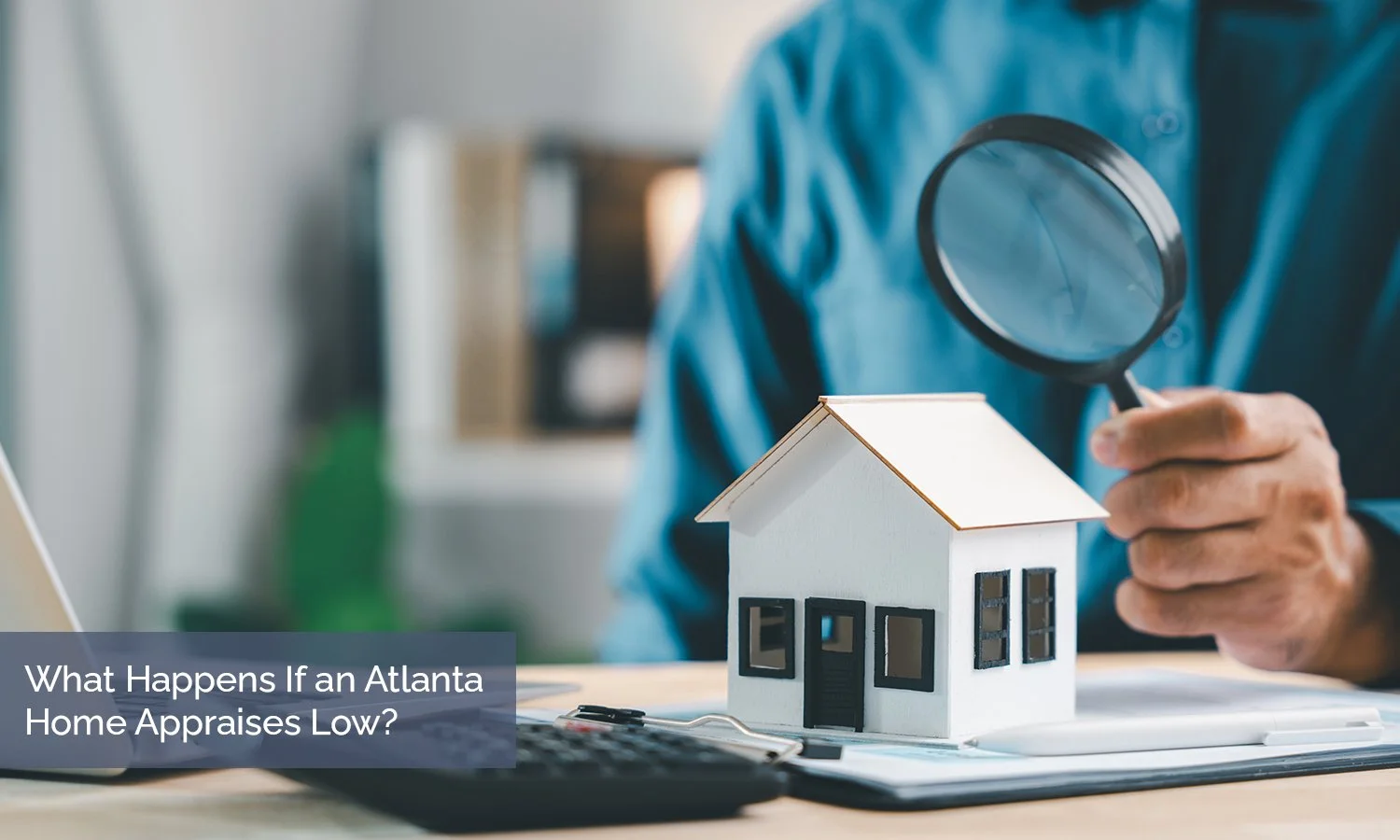
A low appraisal on an Atlanta home can put the whole transaction on pause fast - and for everyone involved, it tends to feel like the deal just collapsed. A buyer who pushed their budget to the limit to win a bidding war is now staring at a number that doesn't line up with what they agreed to pay. A seller who accepted it with full confidence is suddenly left wondering whether the whole deal will hold together. Lenders won't finance anything above the appraised value (full stop), and it puts real pressure on everyone at the table.
A difference between the contract price and the appraised value of a home is stressful for everyone involved. Earnest money suddenly seems like it's at stake, the closing timeline starts to stretch, and each side tends to either dig in or panic before they've even looked at what their options actually are. Too many deals fall apart right at this point - and in most of these cases, they just didn't have to.
Atlanta's market has its own tendencies that are worth keeping in mind. Areas like Buckhead and Decatur move fast (sometimes very fast), and appraisers are only allowed to base their valuations on closed sales, which can lag weeks or months behind where demand is. A low appraisal in a hot Atlanta neighborhood usually just means the market moved faster than the data had a chance to catch up.
A low appraisal doesn't have to be the end of the deal - and buyers and sellers would do well to remember that. Too many treat it like the final word, when it's more of a starting point for a fresh conversation. Plenty of options are still available at that stage, and a sense of what those options are can change where the deal ends up.
Let's start with what a low appraisal means and what you can do about it!
Why a Low Appraisal Is a Problem
Before a lender agrees to put up a large sum of money for a home buy, they want some assurance of what the property is actually worth. An independent appraiser (a person with no financial stake in the deal) gets hired to go out, visit the property and put together a formal valuation. The appraiser will go through the home, take notes and compare it against similar properties that have sold nearby recently. Whatever number they come back with is the number that the lender uses to work out how much they're willing to finance.
A low appraisal happens when the appraised value lands below the agreed sale price. Say a buyer and seller lock in at $400,000. But the appraisal report comes back at $375,000 (a $25,000 difference between those two numbers), and it's what causes the whole problem.

A mortgage is based on the lower of the appraised value or the sale price written on the contract. That difference matters a great deal to lenders. Their reasoning is pretty easy - if a buyer ever defaults and the lender has to take back the property, they need to be able to get their money back. A loan that goes above the appraised value puts them at a financial loss - it's a chance no lender is willing to take on.
The agreed sale price is now higher than the appraised value, and because of that, the lender won't cover the full amount. That leaves the buyer to work out what to do with the difference.
What Causes a Low Appraisal in Atlanta
In a fast-moving market like Atlanta, sale prices can pull pretty far ahead of what an appraiser can back up with data. The reason for that gap is rooted in how appraisers do their job - they have to build their valuations around recent comparable sales, and those past sales can lag weeks or months behind what buyers are actually paying.
Buckhead and Decatur are two examples of this. Those areas tend to see bidding wars that usually push final sale prices well above the asking price, which is great news for sellers. For buyers, it means what they agreed to pay and what the numbers on paper can back up don't quite match.
That gap is right where it can get tough. An appraiser who doesn't have deep roots in a particular Atlanta submarket might not account for how fast that pocket of the city has moved - which turns out to matter quite a bit. Even so, they still use the same data pool that everyone else has access to. What sets a great appraisal apart is local knowledge - specifically, the ability to know where a given neighborhood is headed.
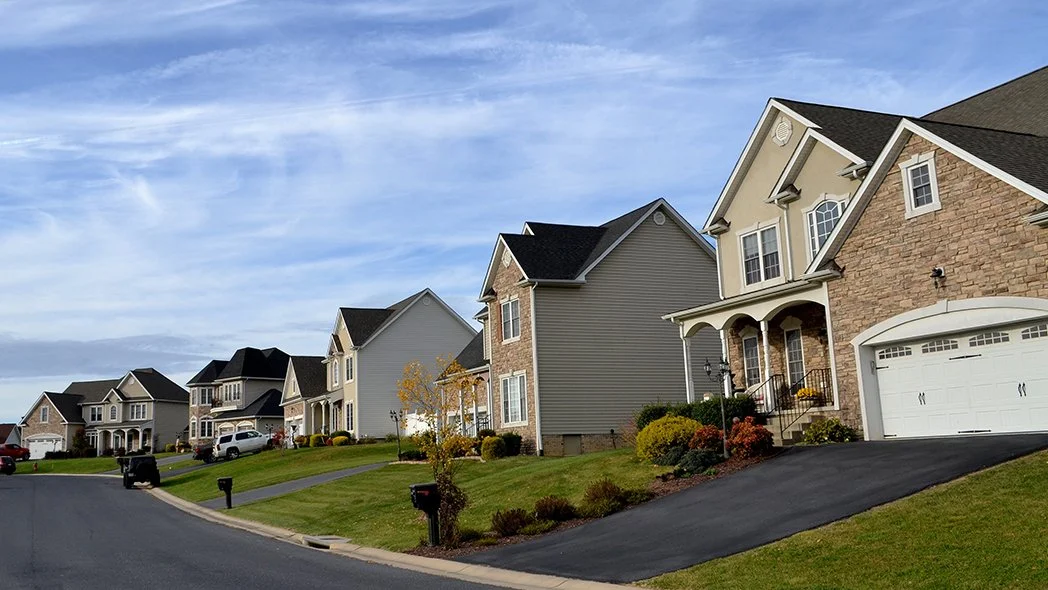
What drives the difference between price and appraised value is emotion. Buyers in competition over a limited pool of homes will push their budgets more than they had planned just to win the deal. That pressure doesn't translate well into a numbers-based appraisal process. Appraisers work from comparable sales data rather than how much a buyer wanted a particular house. Atlanta's demand has stayed strong across all of its in-town and suburban neighborhoods for a while now, which makes this friction at the appraisal stage pretty common in this market.
A low appraisal doesn't mean the home isn't worth what the buyer had agreed to pay. What it means is that the comparable sales needed to back that price up just haven't caught up with the market yet.
Does a Low Appraisal End the Deal
A low appraisal won't automatically kill a home sale. What it will do is change the conversation between the buyer and the seller - and in some cases, that change is in your favor.
Buyers think the deal is dead the second they hear a number that comes in lower than the sale price. That reaction misses the full picture. A low appraisal doesn't end the deal - it just moves the sale into a new phase of the negotiation.

From that point, the situation can go a few ways. The seller can agree to drop the price down to the appraised value, so the buyer doesn't overpay. The buyer can cover the gap out of their own pocket and leave the original sale price unchanged. Or each side can compromise and take on a part of that difference. In the Atlanta market, I see all three of these come up pretty regularly.
None of these paths give you any guarantees, and none of them are easy to work through either - each one carries its own set of trade-offs, and that can depend on how motivated each party actually is and how much flexibility is on the table. A seller who needs to close fast is in a very different position than one who can afford to wait - and the same logic applies on the buyer's side as well.
A low appraisal doesn't mean the deal is dead - not even close. The next section covers how to work through the negotiation and what to push for based on where you are in the deal.
How to File a Reconsideration of Value
When an appraisal comes back low, one of the first steps that you can take is to file what's called a Reconsideration of Value - in the industry, we just shorten it to ROV.
An ROV is a way to ask the appraiser to go back through their work and take a second look. What it's not is a way to pressure them into landing on a number that you're more comfortable with. A legitimate ROV has to be grounded in something concrete - new information they didn't have access to when they wrote the report, or a factual error somewhere in their work. Either one is very different from just being unhappy with the result.

Recent comparable sales in the Atlanta area are going to be your strongest argument for an ROV by far. If the appraiser missed a nearby sale that closed at a higher price with a similar property profile, that's worth bringing up - appraisers want to know about missed comps, because a single skipped sale can throw off the entire analysis. Factual errors in the report are fair game as well. Incorrect square footage, a wrong bedroom count or features like a finished basement or a renovated kitchen that never made it into the report - they are legitimate grounds for a reconsideration.
Your agent will be one of your biggest assets throughout this whole process. An agent knows the local market well enough to pull recent sales data and find comps that actually support your case. That local knowledge does matter. Presentation matters quite a bit as well. A well-organized ROV is far more likely to get a careful look than one that comes in a bit light on detail.
How Both Sides Can Still Close the Deal
Even when a reconsideration of value doesn't close the gap completely, the buyer and the seller usually still have a few decent options to move the deal forward.
The most direct option is for the seller to drop their price down to the appraised value. From the buyer's side, that's a win - they're not paying more than the home is actually worth on paper, and the lender stays comfortable. Sellers usually push back on this, which is understandable. Even so, a price reduction is usually the fastest way to keep a deal alive.

Buyers also have the option to cover the gap out of pocket. If a home is under contract for $400,000 but appraises at $380,000, the buyer would need to bring an extra $20,000 in cash to closing - on top of their down payment. For plenty of buyers, that's quite a stretch. For a buyer who has legitimately fallen in love with a home in a competitive Atlanta neighborhood, it can still be worth it.
That does happen. Plenty of buyers feel like the home is a fit for their family and their long-term plans, and they find a way to make the numbers work. It's a personal call, and only you can say what your budget is able to manage.
The third path is an easy compromise - the seller comes down partway on price, and the buyer covers the rest with extra cash out of pocket. Each side gives a little and gets a little, and plenty of deals that would have otherwise fallen through close this way.
What makes the most sense for each situation can depend on how much wiggle room each side has. If your savings are running thin, it's worth asking the seller to bring the price down. If your budget has room for it and the home is a genuine fit for your life, it can make sense to cover the gap yourself.
The Appraisal Contingency That Lets You Walk Away
If negotiations fall through, your contract has a built-in exit. Most Atlanta home sale agreements include what's called an appraisal contingency - a clause that gives you the right to walk away and get your earnest money back if the home appraises below the sale price.
Without it, you would be locked into the deal even when the numbers aren't working in your favor - it's the last place that you want to end up.

Some buyers do waive the appraisal contingency to make their offer more desirable in a competitive market, and it's actually a legitimate strategy - not a desperate one. In the right situation, it can give you a real edge. The downside is that if your appraisal comes in below the sale price, you're responsible for that gap - either you have to cover it out of pocket, or you walk away and lose your earnest money.
That's also where the emotional side of a home buy can get very messy. Contingencies are easy enough to talk about on paper. But walking away from a home that you've already fallen for is a very different experience. That attachment that you build is genuine, and it makes these decisions much harder.
You won't get pushed into a bad financial situation just because your emotions have gotten ahead of you, since you have an appraisal contingency in your contract. That built-in protection is genuinely valuable. That matters even more when you're still figuring out your next move.
Should You Get a Second Appraisal
A second appraisal is always an option, and either the buyer or the seller can cover the cost. The whole point is to bring in an independent appraiser (one with zero connection to the first valuation) so they can take a fresh look at the property and come up with their own number.
It makes the most sense to look at two factors - how far off the first appraisal came in and how much money is actually at stake. If the spread between the appraised value and the sale price is wide enough, a few hundred dollars for a second opinion starts to look like a very sensible call.

Atlanta is built around some genuinely distinct neighborhoods - it's where local expertise starts to matter. Not every appraiser has the same familiarity with each submarket, and a gap in that local knowledge can noticeably move the final number. In my experience, a second appraiser who has deep roots in a particular area will usually surface comparable sales that the first one either didn't have access to or didn't think to look for. A perfect example of this: an original appraisal once came back with comps from a neighborhood that seemed fair enough on paper. But it wasn't a true equivalent to the subject property. A more locally grounded appraiser came in and found stronger comps, and the number landed noticeably higher.
A second appraisal isn't a sure fix, though. That part is worth keeping in mind. Lenders have the final say on whether they'll even accept a new number, and many will either stick with the original appraisal or go with whichever value is lower. Each side needs to walk into this with grounded expectations. A better outcome is very much possible. But it's not reliable enough to build your whole strategy around.
Moving to Atlanta?
A low appraisal doesn't have to mean the end of the deal - and after everything we've covered, that should make quite a bit more sense. From here, you have some options - go back to the appraiser with new comparable data, have a direct conversation with the seller about renegotiating the price, bring in a second appraiser for a fresh take or walk away with your earnest money in hand.
Most of the deals that reach this point don't actually fall apart, and there's usually a way to move forward. Those options give you a say in what happens next, and they put you in a much better position to make the right call.

Whether you're a buyer or a seller, it's already one of the more stressful experiences most of us will ever go through and a tough situation right in the middle of it doesn't help much. Feeling overwhelmed by where things currently stand is an understandable reaction - and it's also a sign that a local expert who knows Atlanta's neighborhoods well could help.
Whether you're a buyer, a seller, or you haven't quite decided on your next move, our team knows this city well and helps you through every step, right up to the closing table. We've worked through situations like this plenty of times before, and we know how to keep the deal on track. Contact us, and we'll help you figure out the best next step.