
Charlottesville Short-Term Rental Rules for Buyers
Plenty of buyers walk away from closing with a plan already in motion - to list the property on Airbnb or VRBO, pull in some rental income and let the bookings take care of everything else. What most of them never find out until much later is that Charlottesville has its own set of local laws that can put an end to that plan before it ever gets started.
These laws touch on zoning, occupancy limits, permits and taxes - and they don't work the same way from one property to the next. A house that looks perfect on paper could still sit in a zoning district where short-term rentals aren't permitted. For investors who are planning to rent out a second home, plenty of cities have already decided that short-term rentals are only legal in a property where the owner actually lives full-time. This is what separates a property that can earn rental income from one that can't legally take in a single guest.
The most expensive part of this whole process tends to be the assumptions a buyer walks in with - and those assumptions are pretty easy to make when a property looks like just what you've been looking for. Charlottesville's short-term rental laws have shifted quite a bit, and what's on the books looks pretty different from what applied just a few years ago. The framework is still evolving - the Planning Commission is expected to hand new recommendations to City Council soon, which means the laws could change again before you even get to closing day.
This research needs to happen early, and it shouldn't wait until the end of the process. A property that works against your income strategy (because no one asked the right questions early enough) is probably the most preventable mistake I see buyers make in this market.
Here's a rundown of Charlottesville's short-term rental laws so you can buy with confidence!
Zoning Decides If You Can Have an STR
Charlottesville doesn't treat all short-term rentals equally - the gap can make or break a rental investment. A big part of what's actually permitted on a given property ties directly back to how it's zoned. Where that property sits on the map can dramatically change your options.
Zoning in Charlottesville usually breaks down into three main categories - residential, mixed-use and commercial. Each one works with short-term rental activity a bit differently and can vary over time. A property in a mixed-use zone, say, can have quite a bit more flexibility than one that sits in a strictly residential area - sometimes by a wide margin.

For any property that you want to buy, a quick check of the zoning designation is well worth the few minutes it takes. Charlottesville's zoning map is publicly available and free to access, which makes this pretty painless to look into.
First-time investors skip this part and only learn the full picture after they've already closed - which is about the worst possible time to get that news. Zoning is one of the most expensive details to get wrong during due diligence. A bad call here can leave you with a property that won't generate the rental income that you were counting on, or worse, one that puts you out of compliance before you've even had a chance to list it.
Zoning is one of the first details to check when you're looking at a property. Get it checked off early - not as an afterthought.
You Have to Live at the Property
The owner-occupancy law is probably the first detail to nail down before your search gets too far along. In most of Charlottesville's residential zones, the city wants you to live on the property as your primary residence if you want to run a short-term rental there.
That word "primary" is doing work here. The home has to be where you actually live - not a second property or a vacation home that you visit a few times a year. The city wants to see a genuine full-time resident at the address.

For anyone who has bought a second home with plans to generate short-term rental income, Charlottesville puts quite a wrinkle in that plan. The model that works in other markets (buy a property, list it online and let it pay for itself) doesn't hold up here unless you live there full-time. In most of the city's residential zones, a property needs to be your primary residence to even qualify.
What makes this part so frustrating is when it comes up after a buyer has already become very attached to a property. The numbers work, and the house feels right - and then at some point, you find out that the rental model that you had in mind is off the table, and it stings. Owner-occupancy is central to how Charlottesville regulates short-term rentals in residential neighborhoods. The city put it there deliberately, and it matters.
Homes that look great on paper as rental investments won't qualify, and the properties worth your attention could be a very different set than the ones that you'd have otherwise looked at.
You Need a Permit Before You List
Even if a property checks every box for zoning and owner-occupancy, a short-term rental permit from Charlottesville is still needed before a host can list it anywhere.
The permit goes through the city's planning department, and that means there's an application to fill out and an approval window to plan around. It's not something that you want to delay or treat as a minor formality.

The consequences of not having it are very real. The city can impose fines and pull your listing down altogether. Having confirmed bookings with guests who already have flights and travel plans locked in, and then getting your listing removed because the permit was never in place - that's a problem. And the booking sites themselves don't take these violations lightly either.
The upside is that the process is pretty manageable once you know what's actually involved. The planning department has its own set of standards, and it's worth learning the ins and outs of it early in the buying process - well before you're anywhere close to making an offer. The earlier you start, the more time you'll have to put a strong application together before the listing is even ready to go live. A lot of buyers treat the permit as an afterthought to revisit after the closing. The delay alone can push the first booking back by weeks.
Build it into your buying timeline right alongside the financing and inspections. The permit can realistically be ready around the same time that you are. A bit of front-end work is all it takes to make sure that income starts coming in without any unnecessary delays.
How the Lodging Tax Works for Hosts
Once your permit's approved and in hand, the financial side of running a short-term rental in Charlottesville comes into play very fast. The city asks all hosts to charge their guests a transient occupancy tax and pass it along to the city on a set schedule - and it's where more new hosts run into problems than just about anywhere else.
A lodging tax is something that most guests pay without giving it a second thought - it just shows up as a line item on the receipt. Every time a guest books a hotel room, a slice of what they pay goes directly to the local government. Short-term rental hosts fall under those exact same laws, and the city treats a big hotel chain the same way it treats a host renting out a spare bedroom.

The tough part is that they don't warn you about this first. Sites like Airbnb and VRBO don't put much effort into explaining your local tax obligations, and new hosts will run a few bookings without ever realizing that they were supposed to be collecting this tax. Eventually, a letter arrives from the city, and at that point, back taxes and late penalties have usually already started to pile up. The city has very little tolerance for unremitted taxes - this puts you squarely in compliance territory, and the financial and legal consequences pile up fast.
My strong advice is to get familiar with this long before your first guest ever checks in. Pull up the city's tax rate, put an easy system in place to track what you bring in from each booking and lock in your remittance deadlines ahead of time. A little prep work at the start makes an actual difference and puts your rental on stable footing right from the very beginning.
Charlottesville Has Changed the Rules a Lot
Charlottesville has been quietly rewriting its short-term rental laws over the past few years, and the changes have been quite significant. A property that was legal to rent out two or three years ago might not be allowed at all under the laws that are in place.
That can be quite a problem for any buyer who does their homework on a property's rental possibilities before making an offer. A quick online search or a conversation with a neighbor (one from just a couple of years ago) can leave you with a wrong picture of what the city will actually allow. Plenty of buyers go into the process with assumptions that just aren't accurate anymore, and those assumptions can cost them quite a bit.
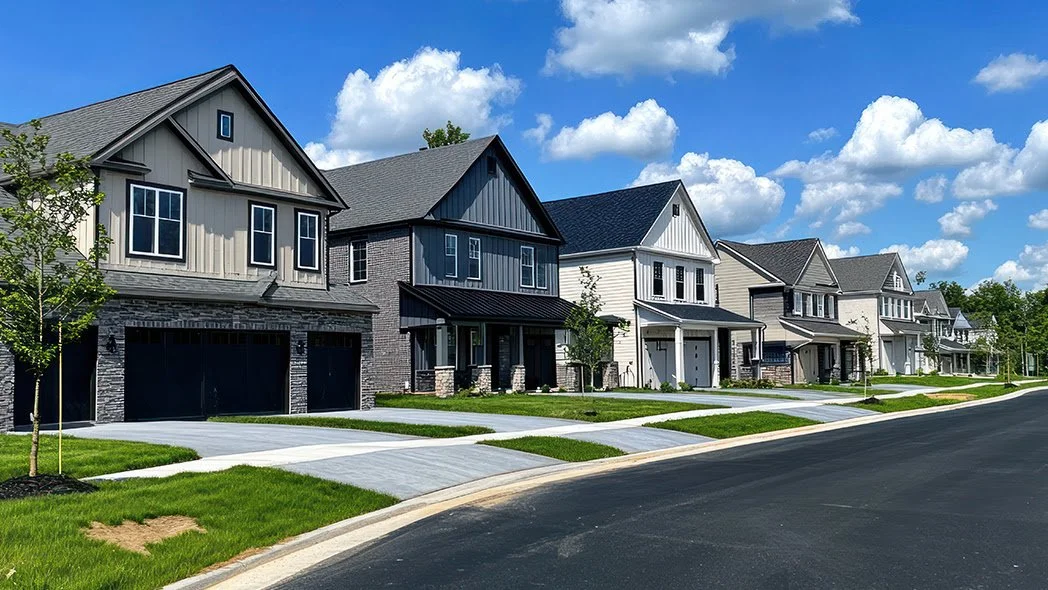
Virginia as a whole has been steadily tightening its short-term rental laws, and Charlottesville is very much part of that pattern. Most cities and counties across the state have been moving in the same direction for quite a while. The general trend has been toward more restrictions, and that direction isn't changing anytime soon.
What this all means in practice is that any research that you've done on a property's rental eligibility needs to be current - not from six months ago and not from a few years back. The city's zoning office is the most reliable place to get a straight answer on this. A quick phone call to them will tell you just what is and isn't allowed for that address.
On any property that you're thinking about as a short-term rental, make that call before you go any further with it - it only takes a few minutes, and what you find out will help shape where the process goes from there.
What Buyers Often Get Wrong After Closing
A property that could bring in short-term rental income is a welcome find, and it's very tempting to get swept up in the numbers before you've worked out the specifics. One of the more painful positions a buyer can land in is when they get all the way to the closing table and the zoning doesn't allow for short-term rentals at all. At that point, the deal is already done, and there's not much that you can do about it.
Plenty of buyers think that if a home was already listed on a short-term rental platform, it's probably fine to rent it out the same way. Past listings don't guarantee anything, though. The prior owner may have been running it without a permit, or the local policies in that area may have changed sometime between when the listing first went up and when the deal closed.

The window between the contract and closing is the right time to look into this. You can pull up the zoning classification for the property and see how it lines up with what the city actually permits for short-term rentals. From there, it's worth checking if the property would need an owner-occupancy designation to qualify - that one detail alone has quietly killed more rental plans than anything else.
A local real estate attorney or a buyer's agent who knows the Charlottesville market well will be able to identify these problems before you sign anything. Local policies here have been in flux for a few years now, and a professional with firsthand experience in this area will give you a far more reliable answer than any general online search will. It's much less stressful to work through this before closing than to sort it out after the fact - and in my experience, the buyers who take the time to look into this early almost never walk away wishing they hadn't.
Check With the City Before You Sign
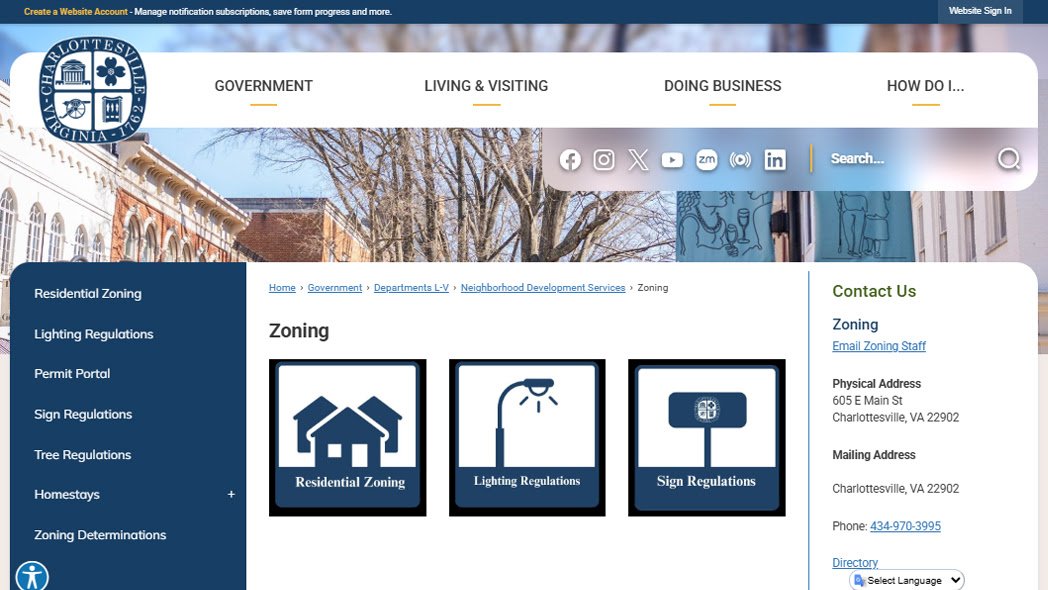
Start by going right to the source on this one. The City of Charlottesville's zoning and planning department is the only place that can tell you with any certainty what is and isn't allowed on a given property. No real estate website, no neighborhood Facebook group and no well-meaning friend will get you anywhere near that same level of accuracy.
Real estate agents work hard and want you to find the right home - short-term rental laws just aren't always their strongest area. Online forums can fill in some of the gaps for general questions, though the information floating around in those spaces tends to be months or years behind the latest laws. Zoning laws change, and no one is going back to update those old Reddit threads to keep you up to date.
One phone call or an email to the planning department is all it takes to find out if a property can even get a short-term rental permit. That single conversation could well be the difference between a great buy and a very expensive one - and by expensive, that means financial damage that runs into the tens of thousands of dollars on a property that never had a real chance to generate rental income. It's a rough lesson to be stuck with once the paperwork is already signed.
The planning department deals with these kinds of questions every day, and its staff is there to help. A quick phone call with a direct question is all it takes (no zoning expertise needed), and from what I've seen, buyers walk away from that call far less stressed than they went in. Just make sure to get that confirmation in writing before you sign.
Moving to Charlottesville?
A rental property in Charlottesville is one of the better moves you can make - the market does have plenty going for it. The path from a "great investment idea" to a "completely legal, income-generating rental" does have some checkpoints that you'll need to work through along the way. But none of them are deal-breakers - it just takes more preparation than you'd plan for when first starting out.
The buyers who do best on these deals are nearly always the ones who start their research early and press for answers when something doesn't seem right. Zoning laws, owner-occupancy restrictions, permits, local taxes and a regulatory picture that never quite stops changing - none of it's fine print that you can afford to skip. Those are the factors that decide if a rental plan works. That homework, done before buying a property instead of after, is what separates a sound investment from a very expensive one.

A knowledgeable local team working with you makes a real difference - especially in a market like Charlottesville, where the laws are layered, and details can change fast. Whether you're after a property that fits a particular investment strategy or just a home that feels right for life in Charlottesville, we have the local knowledge and experience at the Justin Landis Group to handle either one.
Get in touch with our team and let us help you work out the right next step.