
How Radon Affects Home Sales in Charlottesville VA
Radon almost never comes up in conversation until an inspection report lands on the table and everyone has to stare at that number together. For buyers and sellers in Charlottesville, that tends to arrive at the worst possible time - after weeks of negotiation, paperwork and planning, with the whole deal now resting on a result that no one had thought much about before. Plenty of them had never considered radon at all until their agent or inspector first brought it up.
The geology here is what sets this area apart. Charlottesville sits on rock and soil formations that tend to push radon readings higher across a wide spread of homes and neighborhoods throughout the region. It's not some rare edge case that only a handful of properties run into - this comes up in transactions all across the area, and it comes up quite a bit.
A radon test done early in the process (not pushed to the last minute) gives everyone far more room to work with the results. A high reading doesn't have to end a deal - mitigation is a proven fix and usually comes with a very manageable price tag. What it does call for is the right response at the right time.
Radon should get the same level of attention as any other big-ticket item on an inspection report. When it gets treated as a normal part of the process (not an afterthought), and everyone is open about it, most deals move forward just fine. The ones that actually fall apart aren't usually the ones with high radon levels. In my experience, it's the deals where the conversation got pushed to the last possible minute.
Let's get started on how radon can affect your home sale in Charlottesville!
Why Charlottesville Has Such High Radon Levels
The ground beneath Charlottesville plays a big part in why radon is such a concern in this area. The Piedmont region sits on top of very old rock formations that are loaded with uranium, and as that uranium slowly breaks down over thousands of years, it releases radon gas in the process. From there, the gas makes its way up through the soil and into homes through foundation cracks, gaps around the pipes and the other small openings that are almost impossible to ever seal off.
A newer home or a well-built home doesn't automatically get a free pass on this one. The gas comes from the ground itself, and the age of the house or the quality of the construction doesn't affect what's going on underneath it. A brand-new build in Charlottesville can test just as high as a house from the 1970s - sometimes even higher.
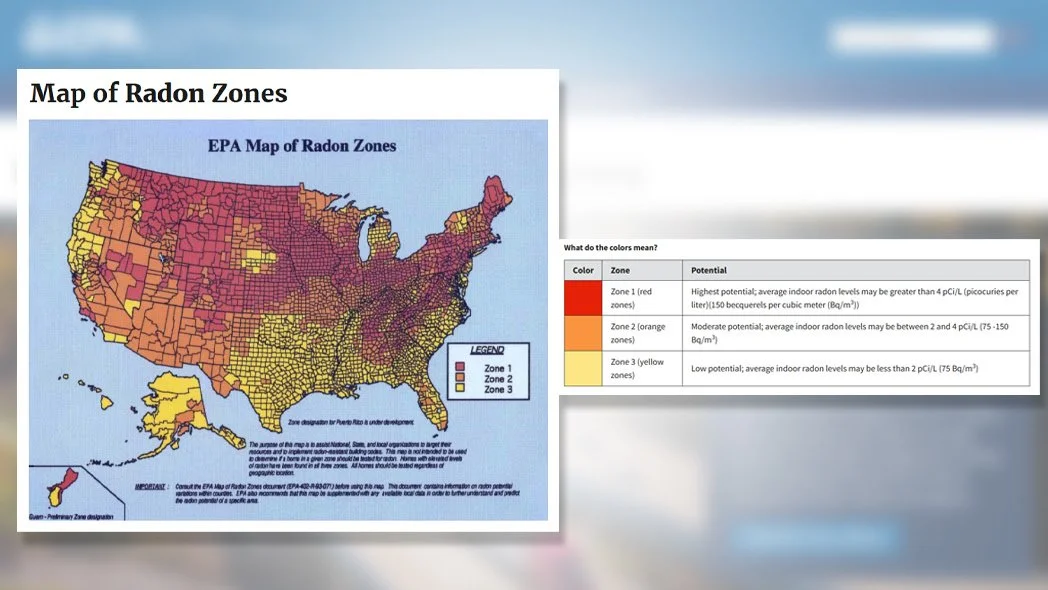
The EPA has actually mapped radon levels at the county level across the entire country, and a large portion of Virginia lands in either Zone 1 or Zone 2 - and this area sits right in the middle of it. Zone 1 is the highest tier, with the worst predicted average indoor radon levels in the country. That designation carries weight, and it matters even more if you're currently buying or selling a home.
For buyers, location carries more weight than the condition of the home - at least where radon is concerned. A freshly renovated house with new flooring and updated systems still sits on the exact same Piedmont geology as everything around it. That same geology produces real and measurable radon activity. Radon doesn't care if a home is a recent flip or a decades-old family property. The ground underneath is what drives the numbers.
A radon test is one of the most worthwhile steps that a buyer or seller can take during a home sale in this area. For a pretty modest ask, it gives you a straight answer to a pretty important question about what's going on beneath the property - and in a region like this, that answer is well worth having.
What the EPA Radon Action Level Really Means
The EPA's radon action level sits at 4 picocuries per liter - that's the point where they officially recommend homeowners take steps to bring levels down, and it has a well-thought-out balance between what's actually dangerous to your health and what modern mitigation technology can realistically manage in a common home.
The part that tends to create a little friction for buyers and sellers is the WHO's threshold. The World Health Organization works off a lower number - 2.7 picocuries per liter - which is a step below the EPA's 4.0. Buyers already know this, and the difference between the two standards is wide enough to give some of them pause - even when a home has passed the EPA limit just fine.
A home that tests at 2 or 3 picocuries per liter sits below the EPA action level. But a passing result doesn't always settle the matter. For buyers, that number alone still leaves room for concern. Some will want to negotiate a price reduction to cover the cost of mitigation, and others may just walk away - even when the levels are well within an acceptable range.
Radon readings carry real weight in a real estate deal - they're invisible and measurable at the same time, which is a pretty rare combination for any item on an inspection report. Most items on a home inspection usually fall on one side or the other - either something is visible, or it's vague. A radon number is neither. A figure on a report does something that a general disclaimer just can't - a buyer can point to it, argue over it and assign real meaning to it. That lands on a single number and shapes how both sides of a deal respond to it.
How Radon Tests Work in a Home Sale
Radon tests in Charlottesville usually fall within the home inspection period. That window is usually pretty tight (sometimes just 7 to 10 days), so buyers and their agents need to move fast and get everything lined up well in advance.
Two main types of radon tests come into play here. Short-term tests run anywhere from 2 to 7 days, and in a real estate transaction, they're usually the first choice - mostly because they fit within a normal inspection window. Long-term tests work differently - they run for 90 days or more and give you more data on a home's radon levels across different seasons and conditions. The tradeoff is that 90 or more days is a long time to wait when a sale is already moving fast, which is why they almost never come into play in that context.
For a short-term radon test to count as valid, the home has to be kept in what's called "closed-house conditions" (windows shut, exterior doors closed, and the HVAC running normally), and this needs to be in place for at least 12 hours before the test begins, then kept up through the entire test period. A single cracked window is enough to compromise the results and might void the test - this does come up, and when it does, it tends to cause problems for everyone involved.
A radon contingency is pretty standard in Charlottesville contracts at this point - most buyers include one, and sellers have come to expect it. What it does is give the buyer the right to either negotiate for repairs or back out of the deal altogether if the radon levels come back above the action threshold. Where the deal goes from there can just depend on the numbers and on how willing each side is to reach a resolution.
Once the test is placed and the clock starts, there's nothing left but to wait - and for buyers, that wait tends to be the hardest part of an already stressful process.
How Radon Can Affect Your Sale Price
Most buyers will push for mitigation over a plain discount, and there's an obvious reason for that. A working mitigation system gives them something they can count on - but a straight price reduction just leaves everyone in the dark about what it was meant to fix.
This part of the process has a way of hitting sellers at the absolute worst time. Most homeowners spend years without ever once thinking about what's going on in the air beneath their foundation - and then a radon result comes back right when the deal is practically done. That frustration makes total sense. When sellers push back on the buyer's requests, the negotiation can stall out or fall apart altogether. And even when it doesn't fall apart, it can drag on long enough to create doubt on both sides.

Sellers who test and mitigate before the home ever hits the market usually have a much easier time from start to finish. The big upside is that they get to lead the conversation instead of scrambling to respond to it later. It's not a massive cost up front, and it tends to pay off in less stress, fewer delays and a noticeably stronger negotiating position when offers start coming in. In my experience, proactive sellers usually come out ahead once the negotiation starts - largely because there's nothing left to defend. There are no curveballs waiting on the other side of the inspection. That certainty is actually worth quite a bit once the back and forth begins.
Next up, we'll get into what mitigation costs and what the installation process looks like - if that's the part you've been waiting for, read on.
A Radon Fix That Keeps Deals Alive
The most common fix for a radon problem is something called sub-slab depressurization. A licensed contractor will cut a pipe through your foundation and connect it to a fan - the fan pulls radon gas out from underneath the home before it ever gets a chance to work its way inside.
A radon mitigation system in Virginia will usually run anywhere from $800 to $2,500 to install. Put that number next to some of the other repairs that can come up during a home sale, and it looks pretty fair. A full roof replacement or some foundation work, as a quick example, can cost many times that amount - and in that context, radon mitigation ends up as one of the more manageable costs a seller might run into.
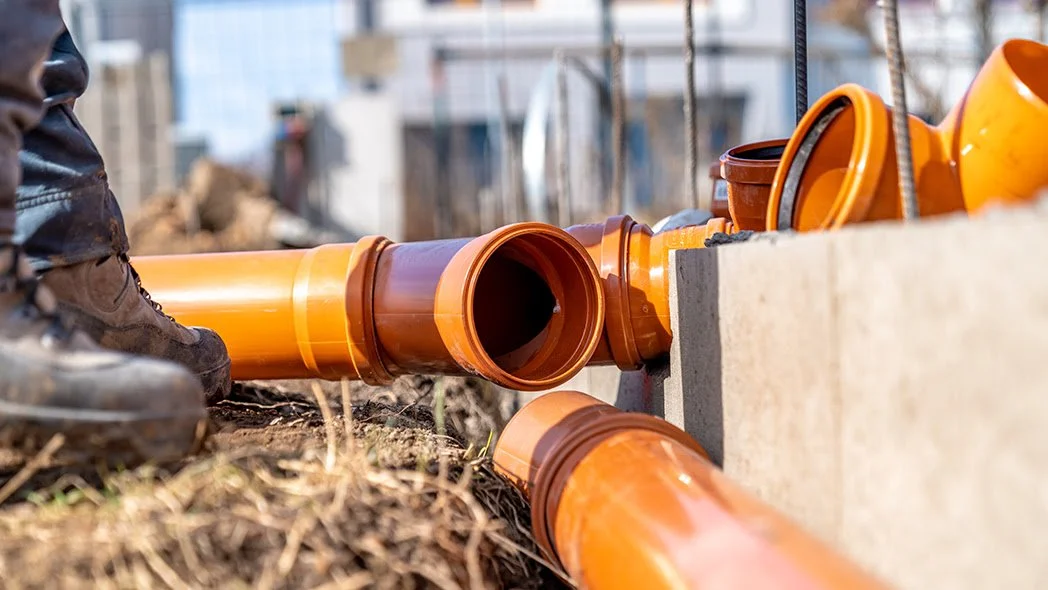
It's worth knowing if radon ever turns into a sticking point in a deal. A mitigation system is a real, fixable problem with a price tag attached. With a defined fix and a defined cost on the table, each side has something concrete to work from, which makes the whole conversation quite a bit easier.
After the system gets installed, the home goes through another round of tests. The post-mitigation results nearly always land well below the EPA's recommended action level of 4 pCi/L, which is welcome news for everyone at the table. For a buyer, that follow-up test carries weight - it gives them proof that the home was treated and that radon levels are now in a safe range.
That proof carries actual weight when a deal is on the line. In my experience, a mitigated home with clean test results gives the buyer and the seller something concrete to stand on rather than a reason to stall or walk away from the deal altogether. What could have very well turned into a long, drawn-out negotiation just falls away at that point.
Disclosure Rules That Every Virginia Seller Should Know
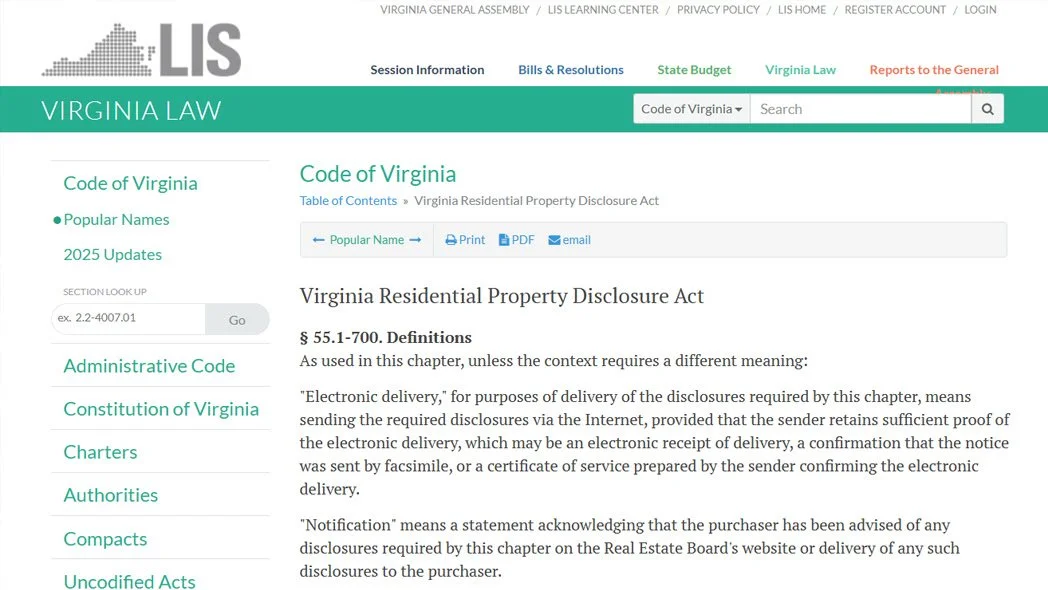
Virginia has some fairly strict property disclosure laws. Under the Virginia Residential Property Disclosure Act, sellers need to share what they know about their home's condition - and yes, that means any radon test results they have.
If a previous test came back with elevated levels and you've been holding that information back, that silence is not a neutral position to be in. A buyer who discovers this after closing has legitimate legal grounds to come after you - and they usually will. At that point, you're looking at attorneys, depositions and legal fees that were very avoidable. The cover-up, more often than not, ends up costing far more than the original problem ever would have.
Quite a few sellers feel very stuck when radon comes up, which is understandable. Radon does carry a stigma. But it's also one of the more fixable problems a home can have. A mitigation system, which is usually just a vent pipe and a fan, can get radon levels down to an acceptable range without any big construction or disruption. Most buyers, once they have had a chance to look into the issue and can see that it's already been handled (or that a plan is in place to take care of it), will move forward with the work without much hesitation.
With a problem this fixable, it's almost never worth trying to hide it. Full disclosure puts you in a stronger position - it shows honest intent, and it gives buyers the information they need to make up their own minds. In my experience, a buyer who knows they have been kept well-educated is far more likely to follow through than one who later finds out they were not told everything.
Radon is a fixable problem. A lawsuit's a much harder one.
Moving to Charlottesville?
Radon gets a bad reputation, and most of it just comes from not learning much about it. Once you do, it gets much less scary - and quite a bit more manageable. In the Charlottesville area, the local geology makes radon a genuine part of the home buying and selling process - it's not going to change anytime soon. Fortunately, a radon test is pretty easy, mitigation is affordable, and a little transparency about what you've found goes a long way toward protecting everyone involved.
For sellers who want to get ahead of this before listing and for buyers who want to know what a test result means for their home, the earlier you get into it, the better. Radon is not a dealbreaker - it's a fixable problem, and most deals that address it directly still make it to the closing table just fine. Plenty of buyers walk away from deals they never needed to walk away from, and in most cases, it came down to no one taking the time to explain what the numbers actually meant.
A home sale has moving pieces, and the right team behind you can change the whole experience. The Justin Landis Group is here to make sure every client feels well-educated and confident from start to finish - even through the parts of the process that feel the most uncertain.
For anyone buying or selling in the Charlottesville area, we'd love to help get you to the closing table with way less stress. Get in touch with the Justin Landis Group whenever you're ready.