
What Are The Average Closing Costs in Charlottesville?
Closing costs cover a few items, and you should know what you're actually paying for here. Title insurance protects your ownership rights in case any legal problems surface later on. Professional home inspections can find big problems you'd never spot on your own - like foundation issues, electrical problems, hidden water damage and other issues. State and local taxes paid at closing help fund public services in your area. Virginia does something different - an attorney has to be present at the closing, and this means another expense that most other states don't mandate. Most buyers skip over the fine print of these fees until it's almost too late, and when that deadline gets close, they scramble to come up with the extra cash or try to renegotiate the terms with the seller.
The first part you'll have to know about how to keep your closing costs low is which fees you can negotiate and which ones are already set in stone. Every loan type has its own fee structure, and each of them works a little differently. Even your closing date can affect how much you'll pay in prepaid interest. Charlottesville actually has a few assistance programs that can help cover this. But a lot of buyers don't hear about them until after they've already closed on their house.
Here's what you can expect to pay when you're closing in Charlottesville!
What Makes Up Your Closing Costs
Closing costs are the fees and charges that you'll need to pay when you buy a home. These are separate costs from your down payment - it's a different expense altogether. You'll need to have these funds available and ready to go at your final signing appointment, as that's the time when everything is due and payable.
A down payment is the amount of money that actually goes toward the home itself - it cuts down on how much you'll need to borrow from the lender. Closing costs are a separate expense, and these cover the administrative services and paperwork needed to complete the sale and make it official. These two amounts need to be ready and available when it comes time to close on the property and get your keys.
Closing costs fall into just two main buckets. The first bucket is all about one-time service fees - expenses like your home inspection and your property appraisal. You'll have to pay for these services once to buy the house, and then you're done with them. The second bucket is a little different because it covers prepaid costs like property taxes and homeowners' insurance. These work differently - you're not charged for anything extra here. You're just paying ahead for costs that you'd have to cover as a homeowner anyway. The home inspection goes into that first category, and you'll need to hire a professional inspector to come out and review the property so you can complete the sale. The lender appraisal works in a similar way - it's another one-time step that your lender will arrange. These two only happen once during the entire home purchase process, so they're one-time costs that you won't have to worry about again.
Property tax prepayments work a little bit differently. Your lender is going to take a few months' worth of property taxes from you up front and then hold that money in an escrow account. Homeowners' insurance premiums get handled in the same way. You'll be responsible for these costs each year that you own the home. Lenders do this to make sure that there's already a cushion of money available right from day one.
A lot of buyers confuse these two, and it makes total sense because they're due at roughly the same time in the purchase process. But each one serves a different role. Your down payment brings down the total amount of money that you'll need to borrow from the lender. Closing costs take care of the transaction itself - the paperwork that needs to be processed, the different fees and the starting costs that will get you set up for your first year as a homeowner.
What Should You Expect for Charlottesville Closing Costs
It's a pretty wide range for what amounts to the same buy. A few factors feed into what you end up paying, and they can be pretty different based on each buyer's situation. The loan type is one of the bigger variables that you have to account for. FHA loans have a different fee structure that doesn't line up with what conventional mortgages need.
The size of your down payment is going to affect the total price as well. Putting more money down at the beginning usually drops some fees a bit. Choosing a smaller down payment will probably add a few extra charges to your bill. Plenty of first-time buyers don't know about this until they're pretty far along in the process. But many of these costs can be negotiated with your lender.

Charlottesville closing costs are going to fall in that 2% to 5% range, and it's pretty common for most of the markets in Virginia and across the country. The fees you'll see on your settlement sheet might be different depending on what your county needs and which title company, attorney or lender you work with.
The Main Fee Categories to Expect
Your closing statement is going to show a few main expense categories, and these categories account for the majority of what you'll wind up paying. Each one takes care of a different part of the transaction. Knowing what they are ahead of time makes it much easier to plan out where your money is actually going to end up.
Loan origination fees will usually run you anywhere from 0.5% to 1% of whatever you're borrowing. It's the fee that your lender charges to take care of the processing and approval work on your mortgage. On a $400,000 loan in Charlottesville, let's say, that would put you somewhere in the $2,000 to $4,000 range.
Title insurance is what protects you and your lender if any ownership disputes or problems come up after you've closed on the house. You can expect to pay somewhere around $1,000 to $1,500 for this type of coverage in the Charlottesville area. The nice part is that you only have to pay for it once, and then you're protected for as long as you own the property. We're talking about protection against all sorts of issues that could go wrong here - hidden liens that weren't known about, errors in the public records or other title defects that could have been missed during the first search.

Home inspections in this area will cost you between $400 and $600, and nobody can make you get one. Most buyers still do it anyway because it shows them the problems that might come up with the property before closing day. An appraisal is something different from an inspection, and it'll run you about $500 to $700. Your lender is going to need one to verify that the home's value matches up with how much money you're asking to borrow.
Attorney fees deserve their own mention because Virginia has a specific mandate that sets it apart from most other states. A licensed attorney has to be present to take care of your closing in Virginia (it's actually what state law says - not optional). The cost for these legal services usually falls between $500 and $1,000, depending on the attorney and on how involved your sale is. This professional will closely review the documents related to the transaction, verify that everything is in order and make sure that the entire deal complies with Virginia state laws.
Some of these fees are negotiable, and others are as they are. Loan origination fees, let's say, can sometimes be brought down if you take the time to shop around or if you're willing to have a conversation with your lender about lowering them. Title insurance rates are a different story because they're regulated by your state, so you won't have much wiggle room there. Home inspection costs are different from one inspector to another, and the price mostly comes from who you go with. Most inspectors charge within a fairly similar range, though, and the price you pay usually goes by the square footage of the home.
How Local Factors Affect Your Costs
Charlottesville deals with closing costs a bit differently than other places, and most of that comes from what's mandated locally and by the state of Virginia. One of the main ones you'll run into is Virginia's grantor tax, and it runs 0.25% of the total sale price. In most transactions around here, the seller ends up covering this particular fee. You'll still want to know about this cost early because it usually comes up as a talking point when the two sides are hammering out the final details.

Student housing is a big part of the market around here, and that's why late spring and summer always get busy. Families are trying to close on properties during those months because of the academic calendar, and all that activity means a ton of demand for inspections and appraisals. Everyone needs the same services during the same narrow window, so you'll probably pay a bit more than usual and wait longer to get on someone's calendar.
Recording fees don't change much between the city and Albemarle County, so you won't see any real difference in what you pay. What matters most is working out which jurisdiction actually deals with your transaction. The city has its own clerk's office, and the county has a separate one as well. They each use a slightly different fee schedule. Your title company will know which applies to your property and can explain the costs.
Charlottesville sits between Richmond and the D.C. metro area, so it pulls in buyers from those two markets pretty regularly. Because of where it's located, you're going to pay a bit more for services here than you would in the more rural parts of Virginia. Local appraisers and attorneys base their rates on what those bigger urban centers nearby are charging, so the costs match up with what you'd see there.
The local market cycle has an effect on title company and attorney availability as well. Academic calendar changes usually mean that more families are moving, and title companies and attorneys get much busier during those peak months. You should book ahead if you need their services, or you might struggle to find anyone who's actually available.
Ways to Cut Your Closing Costs
Closing costs pile up fast. The best way to start is by contacting at least three different lenders so you can compare their origination fees side by side. Lenders vary quite a bit on what they charge for these fees - some of them will charge 1% and others will have the same loan product for half of that cost, or sometimes even less.
Another way to bring down your early costs is to ask the seller to help cover some of your closing costs (called a seller concession). Most sellers in the Charlottesville area will at least think about it, and they'll usually agree to cover between 2 and 3% of the sale price to help make the deal happen. When they do agree to this, that money goes straight toward your closing fees, and it can really cut down on how much cash you'll have to have ready on closing day.

The day you pick for your closing matters for what you pay out of pocket. Closing dates toward the end of the month will cost you way less in prepaid interest, and most buyers miss this until they see the final numbers. You pay the interest that accrues from your closing day through to the end of that month. Closing on the 28th versus the 5th means a few hundred dollars in savings just from timing alone.
Some fees on your closing statement are negotiable. But not every one of them will budge. Title insurance and government recording fees are set in stone - you won't have any luck in changing those. Lender fees work differently, though, and lots of the third-party charges can be lowered or waived completely. The best move is to have a conversation with your lender and ask them which fees they'd be willing to adjust.
Some lenders have relationships with certain vendors they work with all of the time - businesses that do title work, home inspections and similar services. When they send repeat business to these vendors, they can usually negotiate better rates and extend those same discounts to you as their customer. Nobody's going to force you to use them, of course. The discounts can sometimes save you hundreds of dollars, so they're worth a look. Just double-check that a lower price isn't coming with inferior service, though. Your main priority should be to keep your early costs manageable, as you still get great work quality that protects what you're investing in.
Available Programs for Your Home Purchase
A few programs are fortunately around in Virginia specifically to help with this exact problem. Virginia Housing operates down payment assistance programs and lower-rate loan options throughout the Charlottesville area, and each program functions a little differently. But most of them will let you either lower your total closing costs or push them back to a later date when you're in a better position to take care of them.
Each one of these programs sets different qualifications you'll have to meet to even apply. Your household income is the big factor for most of them, and the income limits aren't the same across the board. They'll change based on your household size and the area you actually plan to buy in.
Albemarle County has homebuyer assistance programs available as well, and you can usually combine them with the state options to get even more financial help. A local lender is going to be your best resource for this - they know what's available right now and can talk to you about the application process for each program.
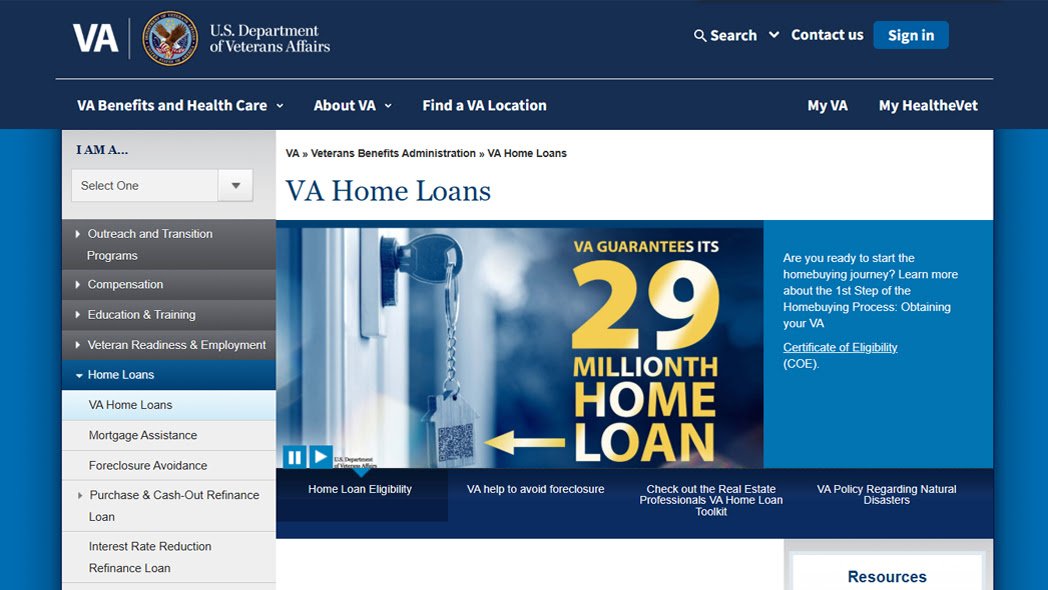
VA loans are one of the best financing options available to veterans, and the benefits that you get at closing add up quite a bit in your favor. Most veterans qualify to buy a home with $0 down at closing, and it's a really big help when you're ready to buy. The closing costs with a VA loan usually come in lower compared to what you'd pay if you went with a conventional mortgage instead. For rural properties around the Charlottesville area, USDA loans could be worth taking a look at as well.
Programs like these help out buyers every day. The hard part is that you'll have to do a little research to find out which ones are available in your area and if you actually qualify for them.
Moving to Charlottesville?
The important part here is what you're actually paying for. Most of these costs are one-time payments, and it's great news. It's different from rent that just disappears from your account each month with nothing to show for it. Every dollar you spend on these closing costs helps you build equity and put down roots in a place that you call home. Talk to some lenders early about what your closing costs will probably look like, and you'll have time to save, budget and find out about any assistance programs or discounts that might apply to you.

When you've already prepared for these costs, the whole closing process feels way less stressful and a lot more fun. The numbers are figured out, and the planning is done, and now comes the fun part - like what paint colors you want and where all your furniture will go! Charlottesville could be your new home, and if that's the case, you'll want someone who actually knows this market. We'd love to help with that. Maybe you want something in the peaceful suburbs, or maybe you'd prefer to be closer to the heart of the city - in either case, our team can help you find your perfect match.
Get in touch with the Justin Landis Group, and we'll help you find your dream home.