
What is a Seller Rent-Back Agreement in Virginia?
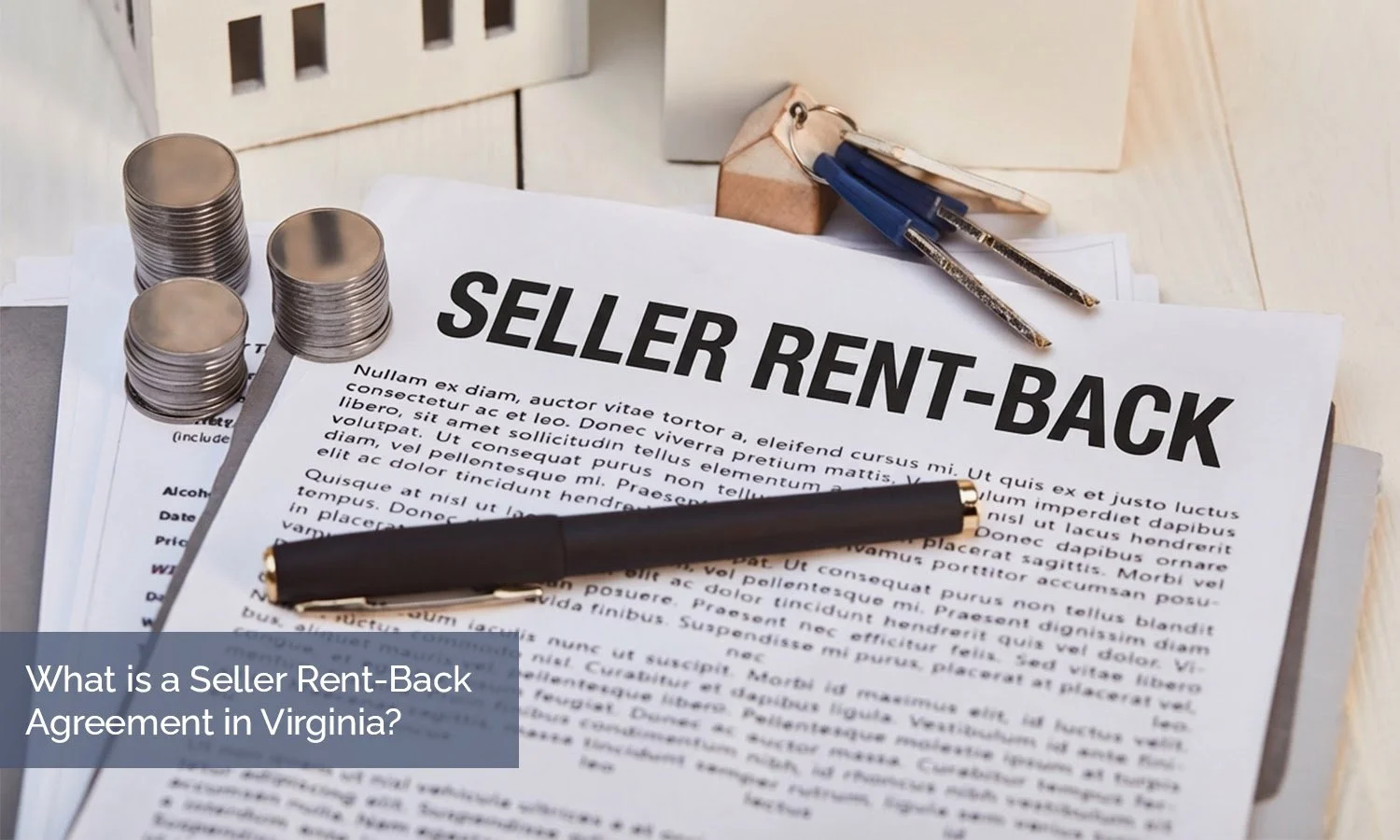
When selling a home, the timing almost never lines up right. Maybe you've already accepted an offer on your old house. But the new place won't be ready for another few weeks - or a couple of months. Maybe your kids need to finish out the school year before the move to a different district. Or maybe your builder ran into delays and had to push your move-in date back, and there's not much you can do about it. For Virginia homeowners who face this situation, the thought of moving everything twice (first into a temporary rental, then all over again into your permanent home) sounds exhausting. Not to mention that it's expensive.
A seller rent-back arrangement can work well for this exact situation and lets you stay in your old home for a set period after the closing has happened - even though the buyer is now the legal owner of the property. Virginia specifies how these agreements have to be structured, and the legal aspects are a bit different from what you'd see in a standard residential lease.
Each side benefits when they nail down the specifics ahead - like the exact length of the rent-back period, the payment amount and who takes care of which responsibilities during the arrangement. Buyers get to protect their investment without having an empty property just sitting there, and sellers get the breathing room that they need to coordinate their next move at a comfortable pace. Where these arrangements usually fall apart is when one party (or both) doesn't understand how rent-back agreements actually work under Virginia law, and what should be a simple handoff turns into something far tougher and stressful than it needs to be.
Here's how a seller rent-back agreement actually works in Virginia!
What Are Seller Rent-Back Agreements
A seller rent-back agreement lets the home seller stay in their property as a renter after the deal closes. Ownership changes hands at the closing just like any other sale. But the former owner gets to stay for an agreed-upon amount of time. The relationship flips - the person who just sold their house now pays monthly rent to live there, and the new buyer steps into a landlord role for however long the agreement lasts.
You might also hear it called a "leaseback arrangement," depending on who you're talking to. But it's the same basic concept. The setup lets the seller stay in the home for a predetermined period after the sale closes, and during that period, they pay rent to the buyer, who is now technically the owner.

Once the sale actually closes in Virginia, these agreements fall under the Virginia Residential Landlord and Tenant Act. When that closing date passes, the whole legal relationship between the parties changes completely. The seller now gets the same rights and protections as any other tenant, and the buyer is now the landlord with the legal responsibilities and obligations that go along with it under the state law.
Virginia has been seeing more of these rent-back arrangements pop up over the past few years. The housing market has become very competitive, and a lot of sellers find themselves needing some extra time to find their next home or to wait for their new place to actually be ready to move into. Buyers who want their offer to stand out will agree to a rent-back period, and it can make their offer a lot more appealing to the seller. This arrangement gives sellers some much-needed breathing room during what is usually a stressful and chaotic transition.
Leaseback arrangements work well for each side of the deal. The seller gets to remain in the home for a set period after the sale officially closes, and the buyer takes ownership of the property while collecting rent from the seller during that time. The specifics and terms get written into the sale contract ahead of the closing day, so the parties know what they're agreeing to before any money changes hands.
How Seller Rent Back Deals Work
The rent-back conversation usually comes up somewhere in the middle of working out the sale contract with the seller. Sometimes it happens right as you make your first offer, and other times it doesn't come up until later during the inspection period. Regardless of when it happens, you and the seller have to come to an agreement on the basic terms before anyone can move ahead with the sale.
What you'll have are actually two separate documents that work together as a package deal. The first document is your standard sale agreement, and it covers the sale of the home itself. The second document is a lease agreement, and it sets out the rental arrangement. These two documents are connected, and they reference one another, though each one takes care of its own part of the transaction.
Once you close on the property, it's officially yours. The paperwork gets signed at that point, and the deed transfers into your name just like it would with any other property sale. But you won't get the keys and move in yet. The seller actually stays in the home as your tenant after the sale goes through. So they go from being the homeowner on one day to being a renter in that same house on the next day.

After the rental period begins, you'll need to sort out who's responsible for which costs. In most of these agreements, the seller pays for the utilities because they're the ones who actually live in the home. The seller will also take care of the basic maintenance and keep the place in decent shape while they're there. As for insurance, your homeowner's policy needs to cover the property since the title is in your name. The seller should carry renters' insurance to protect their personal belongings.
Rent payments work the same way as they would with any tenant. The monthly amount and the payment schedule need to be spelled out in the lease agreement that you and the seller sign. Most buyers and sellers will include a security deposit as part of the deal, too, and it can protect them if anything gets damaged, as the seller still lives in the home.
How Long and How Much You Pay
Most rent-back agreements last between 30 and 60 days in Virginia. This timeframe usually gives sellers enough room to pack everything up, coordinate their movers and get settled into their next place without a rush and keeps the timeline workable for buyers who are already ready to move in. Sometimes these arrangements can extend past the 60-day mark. But the buyer and seller need to agree to the longer term before closing.
Your lender is going to look at how long your rent-back agreement lasts. Going past 60 days can change the terms of your mortgage loan. Banks have to follow regulations on how they classify your property when a seller stays longer than that, and that directly affects what type of loan product they offer.
The rent amount can be structured in a few ways, so buyers and sellers have some flexibility with how they want to work out this part of the deal. A lot of buyers like to set the rent to line up with their monthly mortgage payment, which includes the principal, interest, property taxes and insurance all rolled together. Other buyers lean more toward the fair market rent, and they'll use that figure to set what the seller needs to pay each month. Per-day rates are on the table too, and those can usually run anywhere from $50 to $150 per day.
Per-day rates can be a great option if you're working with a shorter-term arrangement. The main benefit is the flexibility - if the seller needs just a few extra days or wants to leave a bit earlier, it gets much easier to adjust everything. Each buyer is going to have their own pricing strategy based on what works for their goals. Some buyers carry a big mortgage payment, so they'll want the per-day rent to cover a decent chunk of their monthly costs. Other times, buyers may set the price below the market rate as a way to sweeten the deal and get it done faster or sometimes just because they've developed a strong rapport with the seller and they want to make it easier for them.
The monthly rent in these arrangements can vary quite a bit from what you'd see in a standard rental agreement. Sometimes the rate ends up above market value, and sometimes it falls below - it depends on what the buyer and seller work out together and what serves the whole deal best.
Legal Basics for Your Virginia Rent Back
The legal side of a seller rent-back in Virginia falls under the Residential Landlord and Tenant Act. Once your sale closes and the seller is now your tenant, that law is what controls the relationship between the two of you. What this actually means in practical terms is that you'll have to follow Virginia's standard landlord-tenant laws - the same exact ones that apply to any other rental situation in the state.
Everything about this arrangement should be documented in writing - it's the only real way to protect yourself and the seller if something goes wrong later on. The lease agreement needs to state the exact move-out date in very plain terms. You and the seller need to agree on when the seller has to be out of your property, right down to the particular day. The monthly rent amount also needs to be in the agreement, along with the exact day it's due each month (if that's the 1st, the 15th or whatever date works best for your situation).
Security deposits need their own section in the agreement with plenty of detail about how they work. Virginia law caps the amount that you're allowed to charge as a landlord, and the state sets out the timeline and process for returning that money once the rent-back period ends. Your agreement also needs to spell out the maintenance responsibilities - you and the seller need to agree on who's responsible for repairs and for handling upkeep, as the seller is still living there.

Lenders are going to look at these arrangements because they have money on the line with your property. Most of them will want to review the rent-back agreement as a part of your loan approval process. Their main concern is checking that the terms are fair and sensible, and the seller has a firm deadline for when they need to be out of your new home. Some lenders will actually put restrictions on how long the rent-back period can run.
The seller and buyer each need to look at the taxes with this type of deal. Sellers will usually ask if they have to report rental income on a house they used to live in, and the answer isn't always simple. On the buyer's side, you're going to own a rental property for at least part of the year, and it changes how your taxes work. I always recommend you sit down with a tax professional before you close on the deal - it can save you from some pretty unpleasant discoveries when tax season rolls around.
The paperwork can seem tedious and maybe even a bit much when you're working through it for the first time. There's a real reason for it, though - it protects everyone who's a part of the deal! When everything is written down and recorded, you and the seller can both see what to expect during this waiting period, and it helps stop any misunderstandings from popping up later.
Protection for Both the Buyer and Seller
A rent-back arrangement needs to protect each party equally. The seller gets to stay in the home for a while longer, and the buyer technically owns it now, so each side needs solid protections written into the agreement.
A security deposit is one of the first protections to have in place with any rent-back agreement. In most cases, buyers ask for between 1 and 2 months' rent as the deposit amount. This deposit acts as a financial cushion for you as the buyer - it covers you if any damage happens to the property during the time that the seller is still living there.

Another consideration worth planning for is what happens if the seller ends up staying in the house longer than the two of you originally agreed to. Per-day holdover penalties can work very well for keeping everyone on track with the move-out timeline. Once the seller knows there's a financial penalty attached to every extra day they stay, they're usually a lot more motivated to actually get out on time.
The property condition is another big aspect to nail down well before the rent-back period begins. Buyers should do a walk-through of the home and write down everything about its condition at that time. Take lots of photos and document everything about the condition of each room and feature. This record helps a lot if any questions or disputes come up later on about damage that was already there or if something new occurred, as the sellers were still living there.
Insurance is another layer of protection that you can add to the whole arrangement. Most buyers are going to ask the seller to carry renters' insurance for as long as they're still in the home during the rent-back period. Renter's insurance will cover any accidents or damage that might happen while the seller is living there. It just makes sense because it protects everyone if something goes wrong with the property during that time.
Utilities are another detail worth hammering out before closing on the property. For most rent-back agreements, the easiest way is to just leave the utilities in the seller's name for the entire period. When everything stays in their name, the billing process stays clean, and nobody needs to question who's responsible for which charges.
No matter how well you plan everything out, problems can still pop up. Sometimes sellers can't get moved out by the date that you settled on. Property damage can happen as they're still living there. Questions about who takes care of repairs and maintenance during that time can come up. The best protection against these problems is to get everything in writing before the rent-back period starts. Your agreement needs to spell out the move-out date, what happens if they miss that deadline and who's responsible for what as the seller is renting from you.
Moving to Charlottesville?
A rent-back agreement can solve some awkward timing problems that come up when you're selling and buying at the same time. Maybe the seller wants a few extra weeks to close on their next house, or the buyer isn't quite ready to move in yet. This type of arrangement can save a deal that would've fallen through without it. What's important is to make sure that everyone knows what they're committing to and to work out the details before you sign. That way, everyone will feel confident about the whole arrangement.
You might be thinking about a move to this lively city. Charlottesville has dozens of neighborhoods, and each one has its own personality, style and character. The streets here are loaded with history and character around every corner. Finding your way around Charlottesville's real estate market is much easier with experienced help on your side.

The Justin Landis Group focuses on this type of local expertise. Our team works with buyers who want a quiet home out in the suburbs and also with buyers who want a property closer to the energy and excitement of downtown.
Give the Justin Landis Group a call, and we'll help you discover the home that's perfect for you!