
Do You Need a Well Water Test in Charlottesville?
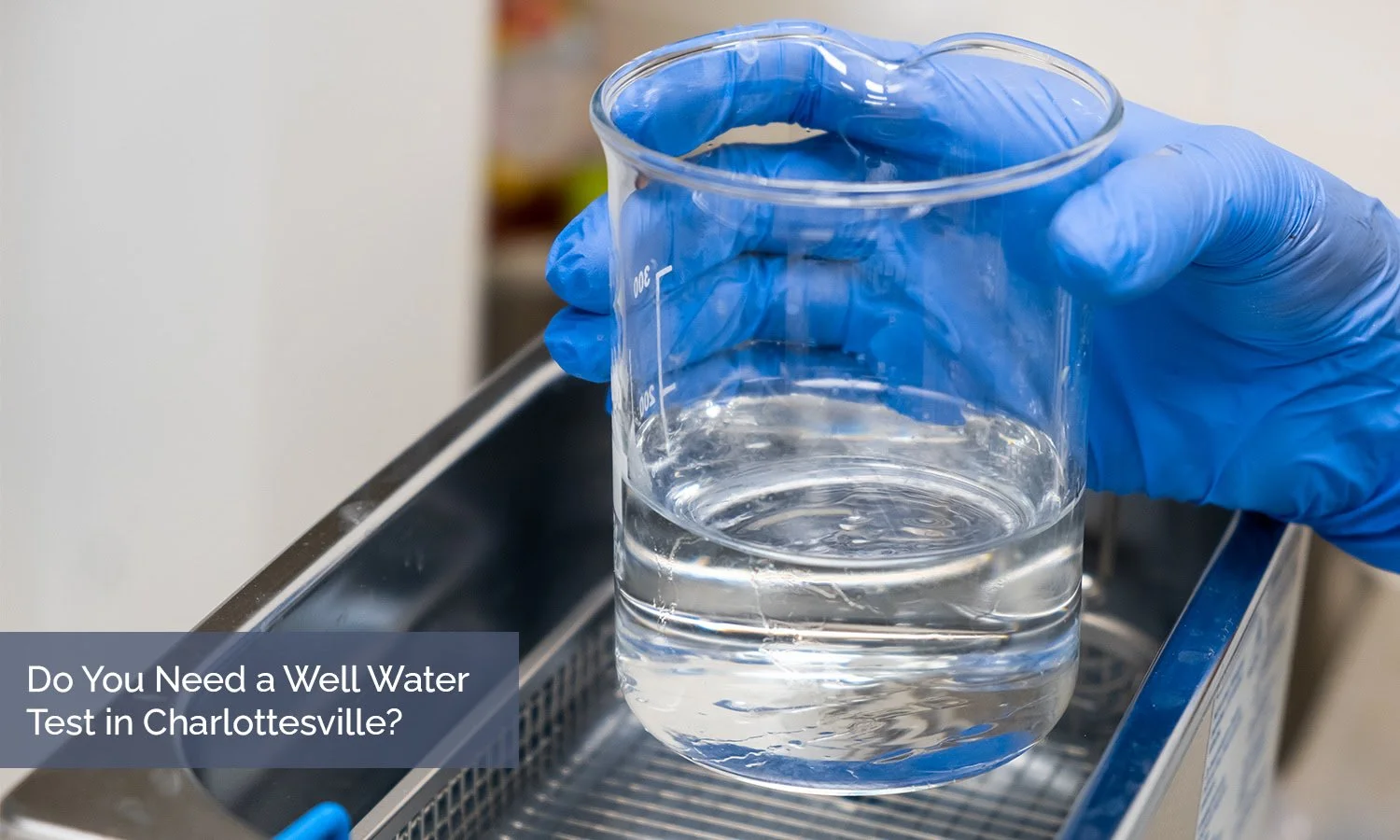
Many homeowners in Charlottesville have lived with their private wells for years without paying much attention to the water quality. The water looks clean enough and tastes fine, and nobody in the house has been sick. But contaminants like radon from the Blue Ridge Mountains or nitrates from nearby septic systems can build up at levels that will damage your health over time. The tough part is that most of these dangerous contaminants won't change how your water looks or tastes until they've already started to cause problems.
Around 1 in 5 residents in the Charlottesville area get their drinking water from a private well on their property instead of from city water. Being one of them means the full responsibility to make sure that the water is safe falls on your shoulders alone. Virginia law only mandates a single coliform bacteria test at the time that a new well is drilled. After that one test, there's no annual testing mandate and no mandates to check for the other contaminants that usually show up in groundwater samples from the area.
Well owners have a dilemma with water testing. Tests aren't cheap, and they take a few days (or even weeks) to get results back from the lab. But skip those regular checkups, and your family could drink dangerous water for years before anyone actually gets sick. Testing on a set schedule helps to catch these problems as they're still manageable and not too expensive to fix. Wait until there's a health problem, though, and you're looking at a much more difficult and expensive treatment situation!
Here's when to test your well water!
Your Charlottesville Well Has Unique Problems
Charlottesville sits right at the base of the Blue Ridge Mountains, and the geography shapes the well water around here. If your home uses a well, your water probably has a few problems that are pretty unique to this region.
The geology in this area shapes what ends up in your water supply. The bedrock around here is made up of granite and other igneous rocks, and as those rocks break down over time, they release radon gas into the surrounding soil and groundwater. This natural process is one of the main reasons why you'll find radon contamination a lot more frequently in Charlottesville wells than you would in other parts of Virginia.
Iron and manganese are two other minerals that usually show up in the well water around Albemarle County. When groundwater flows down through the different layers of soil and rock underneath your property, it absorbs these elements from the ground. The upside is that neither of these minerals will actually hurt you or make you sick. They're responsible for those ugly rust-colored stains you'll find on your sinks, tubs and fixtures, and they're also what gives your water that unpleasant metallic taste that makes you want to skip drinking it straight from the tap.
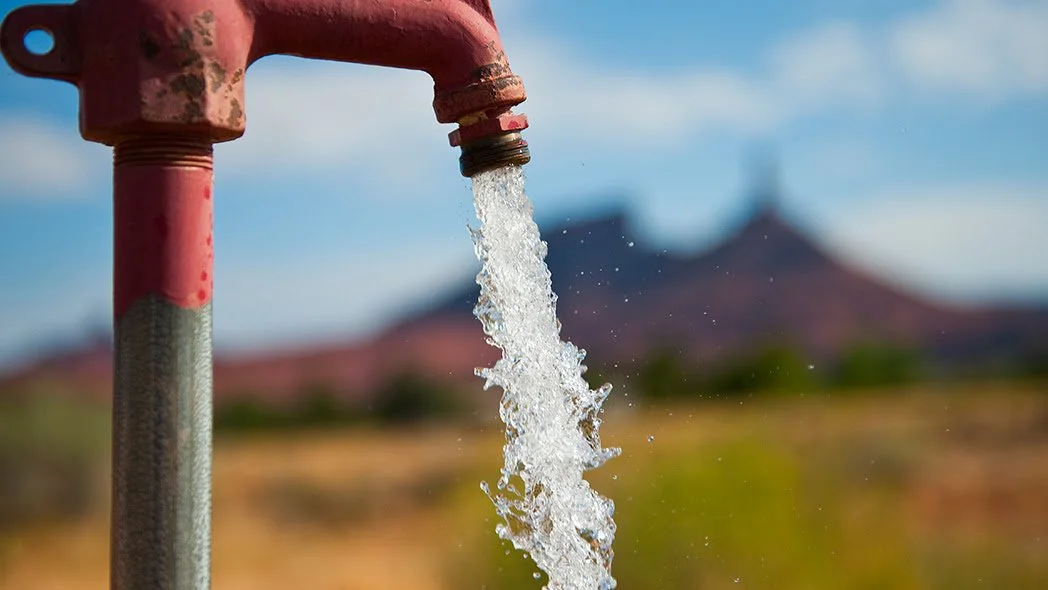
The mountain runoff and the local aquifer system make matters even more tricky. Water moves through the fractured bedrock in this area very differently from how it would move through something like sandy coastal soils. Because of how the rock is structured here, contaminants can travel down through the ground in some fairly unusual and unpredictable patterns.
Your well draws water from these same geological layers every day. Every drop that you drink has made its way up through these underground rock formations, and along the way, it's picked up traces of whatever minerals and gases live in those rocks. A standard water test will give you some numbers and a basic idea of your water quality. But it's almost never going to show you the whole picture of what's in your well. The well water problems around here just look different compared to what homeowners run into in other regions of the country.
What Virginia Requires for Water Testing
Well owners in Charlottesville need to know that Virginia actually has some mandatory testing in place. The state makes you test your water at certain times, and you should get familiar with these before you're actually in a position where they apply to you.
Virginia has a law that calls for testing coliform bacteria and nitrates each time a home with a well is sold. It's really a big protection for buyers, because without that mandatory test, they wouldn't have any way to find out if the water coming out of their tap is safe or maybe contaminated.
Well installations have a built-in testing schedule that you'll need to follow. Drilling a new well means you have 30 days to get the water tested by a certified lab. That month gives you time to collect your samples and send them off before anyone in the house starts drinking or cooking with the water. The lab tests check for all of the standard contaminants and make sure that your new water source is safe and meets basic health standards.
They recommend that well owners test their water every year, and there's good reasoning behind that recommendation. Water quality can change over time - even if your tests all came back clean after you originally purchased the property.
Most of the legal mandates apply during big events - like when you're selling your home, or you get a new system installed. Even if you're not planning to sell anytime soon, your water quality can still change over time. State law sets the bare minimum for what you're supposed to do. Health officials go a step further with their own recommendations for how to protect your water over time. Wells and other underground water sources can move and change without giving you any visible warning signs at the surface, and that's why it makes sense to follow both.
What Contaminants Are in Your Well Water
The law requires certain testing for wells, and that applies to all well owners. For most well owners, though, the bigger question is what contaminants might actually be present in your water. A few substances show up in central Virginia wells a lot more than in other parts of the country. When you know what these contaminants are, you'll have a much easier time catching the warning signs before they turn into problems.
Radon is a big concern around here. The bedrock underneath the Blue Ridge Mountains releases this gas, and it can seep right into your groundwater. You can't see it, and you can't smell it either. Radon is the second leading cause of lung cancer in the United States. Most homeowners worry about the radon levels in their basement air, and it makes perfect sense. Radon can also enter your home through the well water, and a lot of homeowners don't know that.
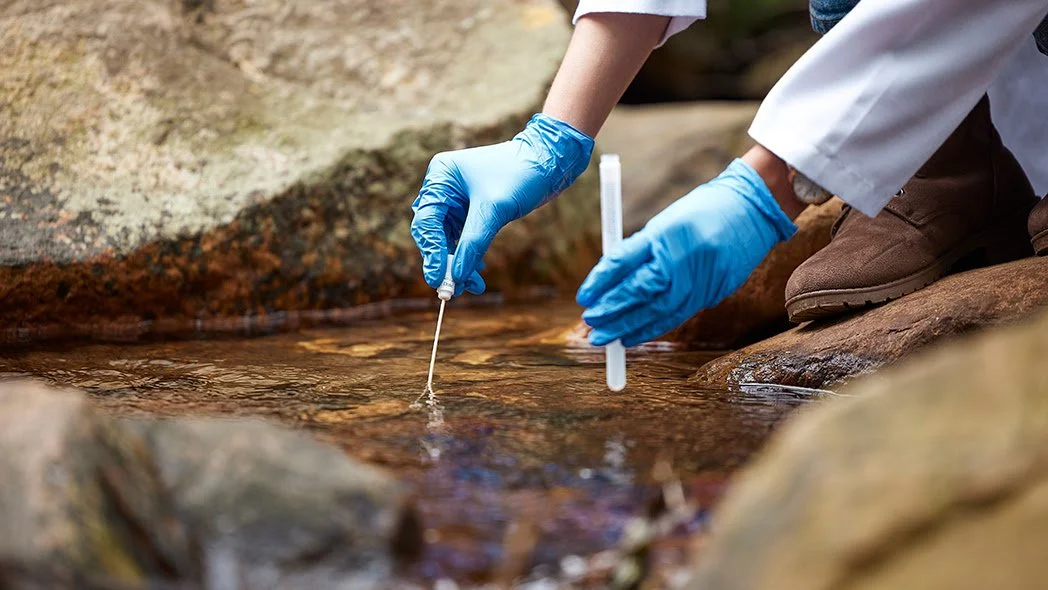
Iron and manganese will ruin your day-to-day life. Reddish-brown stains are going to show up all over your laundry and all over your bathroom fixtures. Your water might taste metallic, or it might look cloudy if you pour yourself a glass. Every load of whites you run through the washer, every time you scrub down your shower, you're going to see those stains and be reminded of the problem.
Arsenic is another substance that sometimes shows up in central Virginia wells. What makes arsenic especially hard to handle compared to other contaminants is that you can't see it, smell it or taste it in your water. Drinking water with arsenic in it over months or years could cause some bad health problems, and it's why testing your water on a regular basis matters a lot. A family could go for years drinking water with arsenic in it and never know that anything was wrong.
The government checklists and laws matter. A well water test will show you what's present in your water. When you have those results, you'll know which steps to take to fix any problems.
How Often Should You Test Your Well
Well water testing should happen at least annually for the basics. Bacteria and nitrates are the two main contaminants that every well owner needs to keep an eye on, and every 12 months, you should check them - that's the standard recommendation. These two contaminants have a habit of appearing out of nowhere or changing concentration levels, and that's why the annual test makes sense. It'll help you catch any problems as they're still small and manageable, rather than waiting around until you have a bad situation on your hands.
Every 3 to 5 years, it makes sense to go ahead and schedule a more complete test. These complete tests cover heavy metals, radon and the other standard contaminants that your basic test covers. Tests like these take a little bit longer to process, and yes, they're going to run you some more money than a basic test will. What you get in return, though, is a much more complete picture of what's in your water supply.

What's going on in your own home might mean you'll have to test more frequently than the standard schedule calls for. Families with young kids or elderly relatives in the house should test more frequently each year. Location matters too - if you live near farms or industrial areas, you should test it much more. The chance of contamination goes up quite a bit when you're close to those kinds of operations.
That testing schedule isn't set in stone, though, and you can always test your water whenever something doesn't feel right. Water that suddenly tastes funny or has a weird smell is a pretty obvious sign that you should get it tested soon. When a neighbor finds contaminants in their well, that's another good reason to test yours as soon as you can. In situations like these, don't wait around until your next scheduled test comes up.
Keep detailed records of all your test results as the years add up. This history makes it much easier to see patterns and track how your water quality changes over time. Call in a water treatment specialist to fix a problem, and they're going to want these records right away - they're essential for working out the right treatment plan for your home.
What Does Water Testing Cost
The price is one of the biggest questions that I get, and most customers want a straight answer before they pay to ship their well water samples off to a lab. The total cost can swing quite a bit based on which contaminants and minerals you want to test for.
A basic bacterial test is going to cost between $25 and $50 at most labs. What this type of test does is to check for immediate health threats like coliform bacteria and E. coli, and it makes it a solid option if your biggest concern is contamination that might make you sick right away.
A more full testing package will usually run you between $150 and $300.
For those on a tighter budget, the Albemarle County Health Department is worth checking out. They have basic testing services, and their staff can talk to you about which tests would make the most sense for your situation. Virginia Tech also has mail-in kits available, and these can be a pretty convenient option if you'd rather skip the whole process of looking for a local lab.
The cost varies quite a bit, and it all comes back to the scope of what you want to test for. If it's your first time with water testing or if there have been some recent changes in taste or smell, bacterial testing is probably where you want to start. More tests can be added later if your first results bring up any questions or if you just want a fuller picture of what you have in it. In either case, the investment is worth it - even the most complete test packages are pretty affordable given the confidence that comes when you know what's in your water.
Moving to Charlottesville?
A private well gives you independence from city water systems - one of the biggest benefits. The trade-off is that you're responsible for your own water quality - something city residents don't have to monitor or worry about. Plenty of well owners in the Charlottesville area manage this same responsibility every day, and you can do it too.
When you test on a regular basis, you can find problems when they're small enough to handle without a big expense. Catching a problem before it gets worse means the fix is usually affordable and simple. But ignore testing and wait for a big failure, and you could spend thousands on repairs - and put your health at risk unnecessarily. It's just basic maintenance, the same way that you'd get your car checked or have a technician service your HVAC before winter hits.

Well ownership requires some routine maintenance, especially if it's your first one. These steps make the whole process much easier and far less stressful in the long run. It protects a big investment, and what matters even more is that it makes sure the water from your taps stays safe and clean for your family for years to come.
By the way, for those weighing a move and wanting to learn what life is like in a new community, picking the right future home matters just as much as taking care of the one that you have. Charlottesville is a lively city, and each neighborhood feels different from the next. To get a real feel for what Charlottesville has to give, you should work with agents who actually know the area well - and that's where the Justin Landis Group comes in. Maybe you want something quiet in the suburbs, or maybe you'd rather be closer to the action in the city. In either case, our team will help you find what you're looking for. Contact the Justin Landis Group, and we'll help you find your dream home!