
How Much Earnest Money Do Atlanta Sellers Expect?

Atlanta home purchases have lots of moving parts, and the pressure starts well before you ever get to the contract stage. One area that gives buyers trouble right around this point is the earnest money deposit - specifically, how much to put down, what sellers want to see and whether going in too low could weaken an otherwise strong bid. First-time buyers in particular usually hit this part a little bit underprepared, and in a market where sellers have multiple options on the table, that can quickly make you look like less of a committed contender.
Earnest money is one of the numbers in Atlanta real estate that actually means something. Sellers look at it closely as a way to read how committed a buyer is, and their listing agents are right there doing exactly that every time they sit down to compare bids. A low deposit can end a deal before it ever starts. The right number sends a message to everyone involved that you have the funds ready and you're not wasting anyone's time.
Atlanta's market runs on its own set of unwritten laws, and they change quite a bit based on the neighborhood, the price point and whether it's a resale or a new build. No one will hand you a guide to any of this - so you'll need to dig into it yourself. From what I've seen, the ones who walk into negotiations with a sense of these numbers usually have a much better chance - and in a market as competitive as Atlanta's, that preparation can make quite a difference.
Here's what Atlanta sellers usually expect around earnest money.
What Earnest Money Actually Is
Earnest money is a deposit that you put down right after a seller accepts your offer. It's not a fee, and it's not a penalty either. More accurately, it's a financial commitment - something that tells the seller you're serious about following through.
Earnest money and a down payment are two separate payments, though buyers use those terms as if they mean the same thing. A down payment is the bigger of the two - it goes directly toward the home's price and gets paid at closing, sometimes in the tens of thousands of dollars. Earnest money, though, is a much smaller deposit that comes into play much earlier in the process. They're both real money, of course. But each one serves a different role and comes at a different point in the transaction.

Once you submit your deposit, it gets placed into an escrow account that's managed by a neutral third party - usually a title company or a real estate attorney. Neither you nor the seller can access it from that point on - it just sits there until the deal either closes or falls apart.
Earnest money exists for a pretty simple reason - it protects sellers from buyers who might back out without any real consequence. When a seller pulls their home off the market for you, they pass up other interested buyers and take on a very real financial risk. Your deposit is what gives them at least some assurance that you're actually going to follow through.
How Much Earnest Money Is Normal in Atlanta
Earnest money deposits in Atlanta usually land anywhere from 1% to 3% of the home's price. It's a decent baseline to have in your head when you're putting an offer together, though the right number for your situation will depend on a handful of factors.
To put some numbers to it, on a $400,000 home, you're probably looking at a deposit of anywhere from $4,000 to $12,000. It's a pretty wide range, and where you land within it will mostly depend on the neighborhood that you're buying in.

Neighborhoods like Buckhead and Decatur usually land on the higher end of that range. They're very competitive markets, and the pricing norms in those areas match up with that reputation.
Other parts of Atlanta usually fall on the lower end of the range. That tends to be true in neighborhoods where homes are sitting on the market a bit longer. A deposit of around 1% is just fine in those slower areas, and no seller will push back on it.
The "normal" number in one zip code can look pretty different from the normal number just across town, and the gap can add up. Atlanta is closer to a dozen smaller housing markets, and each one has its own set of expectations and rhythms.
A buyer's agent will know what's normal for the neighborhood that you're looking at. That local knowledge is one of the bigger advantages they bring to the table. From what I see, buyers who skip that conversation usually either over-deposit or under-deposit - and it ends up costing them something.
A Bigger Deposit Can Help You Win
In Atlanta's more competitive neighborhoods, sellers and their agents look very closely at the earnest money amount on every offer that comes in. A bigger deposit is a vote of confidence - it tells them you're a committed buyer with the financial means to actually close, which carries weight when multiple offers are on the table.
Inman Park is an example of this in action. Multiple-offer situations are very common over there, and sellers have choices in front of them. When two offers come in at similar prices, the one with the stronger deposit tends to get a second look, though it won't always be the final factor. But a bigger deposit can be the edge that seals the deal.

A few hundred extra dollars in earnest money probably won't make a dent in your budget. But it can change the way a seller sees your offer - it tells them you're confident and you've come prepared. Those details matter a great deal to sellers who just want a smooth process through to closing.
In a market like that, it can be one of the better moves that you can make. Not every buyer needs to go down this path, though. If the market is slower and there's less competition around, the extra deposit probably won't do a whole lot.
In a competitive market, a strong earnest money deposit is one of the easier ways to make your offer feel stronger without ever touching the price itself. Sellers want certainty almost as much as they want a great number, and a bigger deposit takes care of that on its own. Your offer price doesn't have to change at all - a bigger deposit sends a pretty strong message all by itself.
How the Due Diligence Period Works in Georgia
Homebuyers in Georgia get a window after their offer is accepted to walk away from the deal and still get their earnest money back. That window has a name (it's called the due diligence period), and it's a standard part of most Georgia home sale agreements.
Within this window, you're free to walk away for just about any reason. An inspection might turn up a few problems that you weren't counting on, or maybe you just have a change of heart - it happens. Your full deposit comes right back to you with no holdups and no delays.

Once that window closes, the picture changes completely. Your earnest money is no longer protected the same way it was before. Walking away at that point means you're most likely going to lose it.
The deposit size is something that sellers pay very close attention to, and it makes sense why. A low deposit after the due diligence period is over doesn't give a seller much confidence that you're serious about making it to the closing table. A bigger deposit tells a very different story - it shows that you have money on the line and you're not going to walk away from that without a strong reason.
Before you put in an offer, it's worth learning about how long due diligence periods in Georgia actually run. The length is negotiable between the buyer and the seller - it's something a lot of buyers don't realize going in. A shorter window combined with a bigger deposit can make your offer stand out in a competitive market, sometimes by quite a bit. Sellers want to feel confident that once due diligence is over, the deal won't fall apart on them. An offer that's put together well with the right deposit and a sensible timeline goes a long way toward giving them just that.
New Construction Comes With a Bigger Deposit
New construction operates by its own set of laws around earnest money, and most buyers don't see just how different those laws are until they're already well into the process. Atlanta builders and developers will usually ask for deposits starting at 5% or more, which is already a large jump from what a standard resale transaction would ask for. With custom builds or higher-end communities, that number can go even higher.
Builders ask for more because a custom home is a time commitment - for both of you. These projects can usually run 6 months or longer, and from the day you sign, the builder is already making financial decisions around your build. Materials get ordered, labor gets scheduled, and the whole project gets set in motion with the expectation that you're on board. A builder needs to know that you're legitimately committed before any of that can get started.
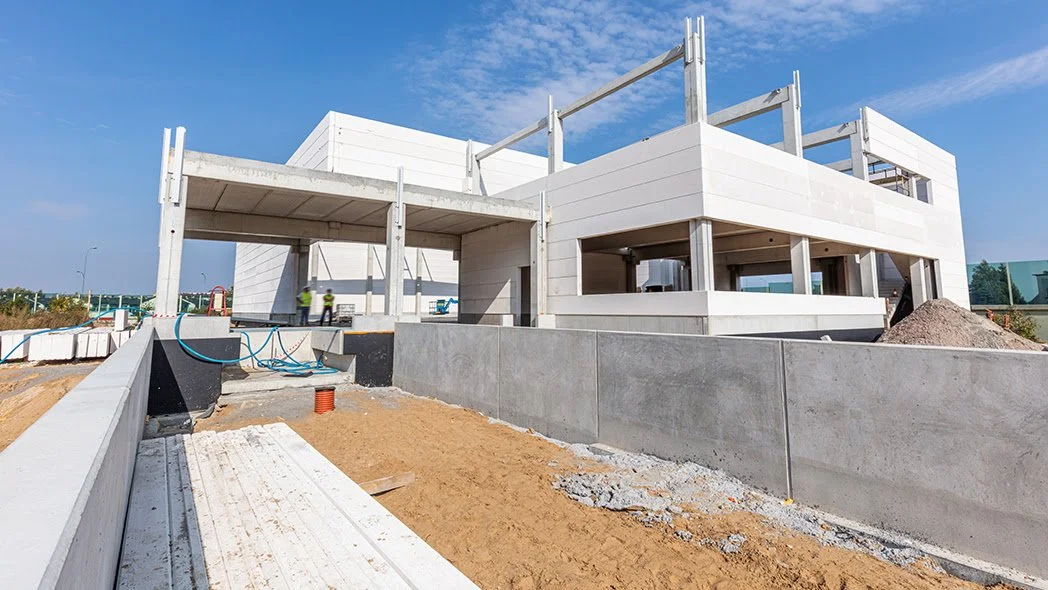
The deposit terms on new construction are another area worth understanding before you agree to anything. Builder contracts don't always work the same way that a standard resale contract does - and in Georgia, plenty of builders use their own paperwork instead of the Georgia Association of Realtors forms. Those custom contracts can have stricter terms around your deposit if you walk away. A real estate attorney, or at the very least your agent, should go through the builder's contract before you sign anything. The deposit structure alone can have an effect on how much flexibility you have throughout the whole process.
What the Market Means for Your Deposit
Market conditions have a huge effect on earnest money expectations. In a low-inventory market where homes go under contract within days, Atlanta sellers have the upper hand - one that usually translates to sellers expecting a bigger deposit right from the start.
In a competitive market, quite a few buyers will go above the standard 1% deposit just to add a little more weight to their offer. That extra money sends a message that a lower deposit just can't match - it shows the seller that you're legitimately committed to this deal. With multiple bids on the table, sellers are just going to favor the buyer who has the most invested. A higher deposit is one of the best ways to show that you won't walk away.
A slower market is a whole different situation, and it works in a buyer's favor. When homes have sat for a while, and sellers are excited to close, a smaller deposit is usually plenty to get the deal done. Buyers have more breathing room in those conditions, and sellers will be far more willing to negotiate on just about everything.
That's why it's a smart idea to check inventory levels before you settle on what to put down. A local agent who actually works in the Atlanta market can tell you whether homes are moving fast or slow at the moment. That one piece of information can do quite a bit to change the number that you land on.
Timing matters a great deal when you put in an offer. The market conditions on the day that you move on it matter just as much as the price that you're willing to put on paper.
What If Your Deal Falls Through
The earnest money deposit is one of the most stressful parts of a home purchase. That worry makes perfect sense once that amount of money is on the line. Most buyers haven't had a chance to learn how deposits work in Georgia before that point arrives. That gap in knowledge is what drives most of the anxiety. The upside is that the laws here are fairly easy to understand once you look at them.
Your deposit's only in danger if you back out without a valid reason covered by a contingency. If the deadlines have all passed and you walk away just because you changed your mind, the seller will have a very strong case to hold onto every dollar of it. That's the most common reason buyers lose their deposit by a wide margin - it should also be said that contingencies are there to protect you in those situations (inspection problems, financing problems and appraisal gaps), so the system does have actual safeguards built into it.

Disputes in Georgia can drag on far longer than either party wants them to. Once the two sides disagree on who the earnest money actually belongs to, the deposit holder (usually the closing attorney or the brokerage) doesn't have the option to just hand it over to one side. A written release signed by each party or a court order has to come first before any of the funds can move. A dispute doesn't mean the money has just disappeared - the process just stalls until the two sides reach a resolution. That can take time. But the funds are still there, and the process does move forward eventually.
Moving to Atlanta?
With a picture of how earnest money works in Atlanta, you're already ahead of most buyers who walk into this without much preparation. That deposit number tells quite a bit about who you are as a buyer, and in a competitive market like Atlanta, sellers are paying close attention to it. A well-placed earnest money amount is one of the fastest ways to signal to a seller that you're committed, financially ready and worth their time. Neighborhood demand, market timing and property type all play into what a fair deposit looks like for your own situation - and once those pieces come together, the whole process feels much less stressful to get through. A local agent in your corner makes that part quite a bit easier and helps you get a better sense of the market and settle on a number.

What a listing page just can't capture are the neighborhoods themselves - the timing, the feel and the little nuances that matter. Atlanta is a city where every pocket has its own personality, from tree-lined suburbs to the walkable streets of its most lively in-town neighborhoods. Some places move faster than others, and it takes on-the-ground experience to know which ones fit your timeline and your lifestyle.
At the Justin Landis Group, we've worked with all kinds of buyers through decisions just like this one. Whether something quieter on the outskirts draws you in or you'd rather be right in the middle of everything, our team is great at matching the right buyer to the right neighborhood. We take the time to know what you're looking for before we start narrowing options down, so the search feels focused instead of a bit stressful. Get in touch with us at the Justin Landis Group when you're ready, and let's find the home that actually fits your life.