
How Mountain Views Affect Charlottesville Home Prices
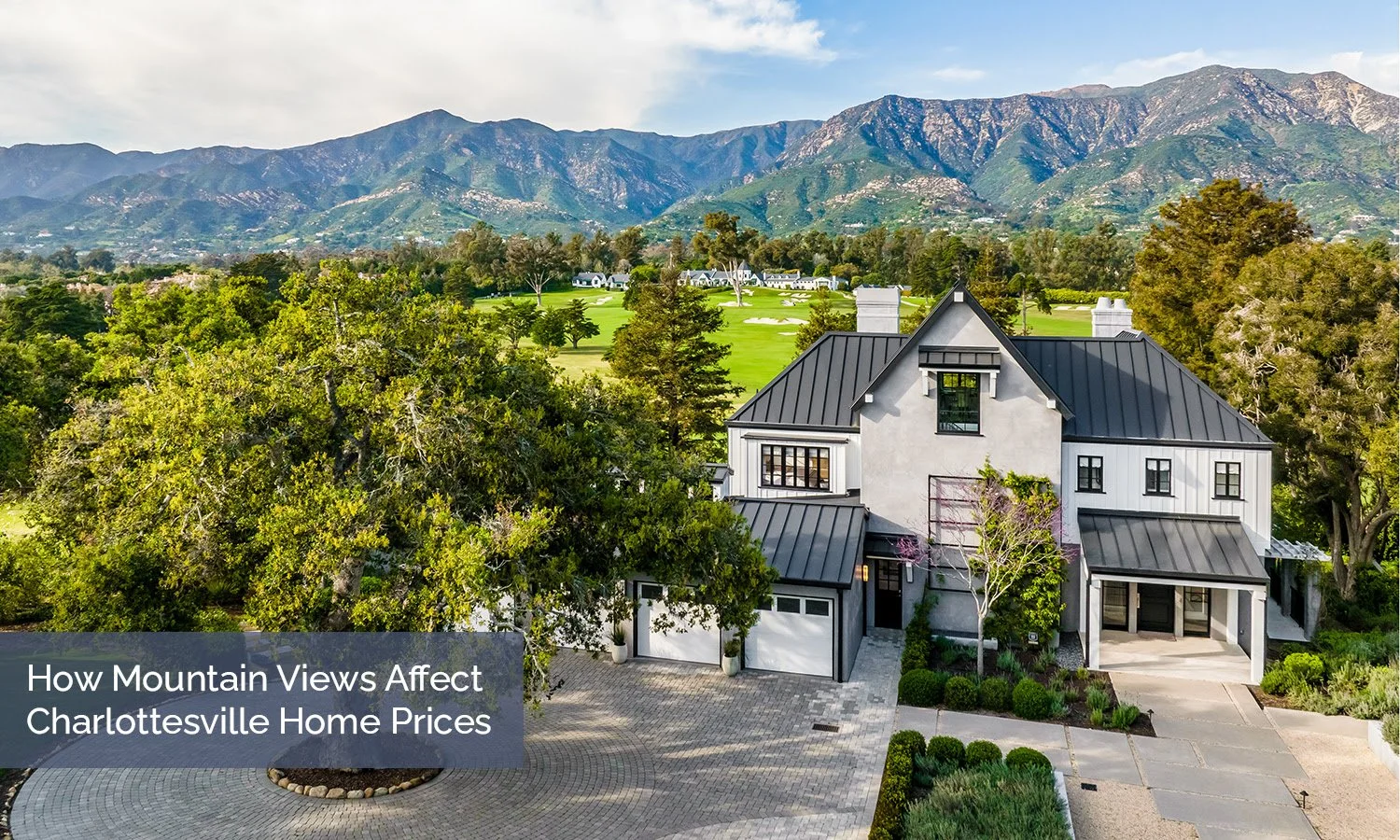
Sellers know it, agents price around it, and any buyer who's ever stood on a porch that faces west for the first time can tell you why. One aspect that makes this market especially interesting is how much that view gets priced right into the listing. A mountain backdrop can add tens of thousands of dollars to an asking price fast, and for most buyers, that premium feels more than justified. A great view is pretty hard to argue against.
Not every mountain view holds its value the same way, and the difference between a fair premium and an inflated one can be pretty wide. Four factors actually drive that difference (protection status, seasonal foliage, sightline quality, and appraisal limits), and each of them works a little differently. Together, they'll tell you whether a buyer walks away with something worth the money or ends up paying way too much for a view that gets blocked by leaves come summer.
Protection status tells you whether the land in front of that view can ever be built on. Sightline quality is a separate matter-it can depend on how much of the ridge you can see versus how much is already blocked. Appraisal limits matter as well - lenders don't always agree with what a seller thinks that view is worth. That gap gives you actual problems at the closing table.
Any buyer who knows these four factors will be in a much better position to separate a view that holds its value over time from one that slowly erodes it. On nearly every mountain-view property that I look at, all four of these get pulled apart, because with an investment this big, mistakes just aren't an option.
Let's get started on how those beautiful mountain views can affect your Charlottesville home's value!
How a Mountain View Raises Your Home's Value
Mountain views can make a home feel like a whole different place. Two houses can share the exact same square footage. But the one with a strong view of the mountains is always going to feel bigger, calmer and even more open. Buyers pick up on this the second they step through the door - long before they ever pull out a calculator.
That emotional pull has a very real effect on price. A great view will push a buyer's budget further than an extra bedroom or a freshly renovated kitchen ever could. Sellers in this market know this well, which is why homes with great mountain views usually hit the market at a premium from day one as a deliberate part of the pricing strategy.
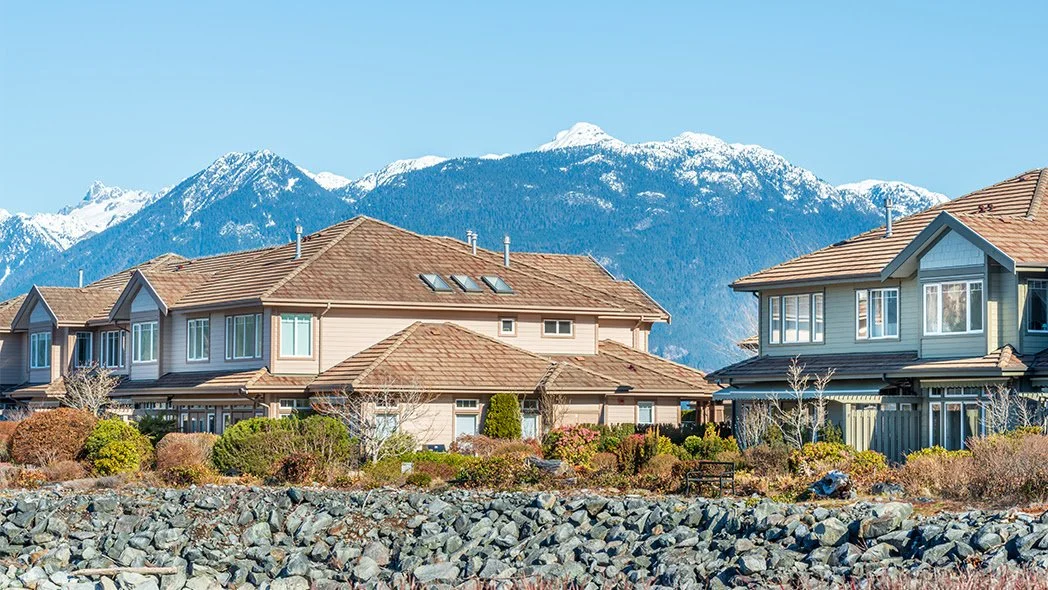
The premium itself is not a small one. Homes with unobstructed mountain views in this area have sold for roughly 10% to 20% more than similar homes without them. That number has held up pretty steady across the market. On an average sale, that gap can work out to be tens of thousands of dollars - sometimes considerably more, and it can just depend on how striking the view actually is.
A status dimension also plays into this, and it's a big one. No amount of money or renovation will get you a mountain view if your lot doesn't have it. That permanence is part of what gives it real weight with buyers, who usually see it as more of a marker of a strong long-term investment. It's one of the very few features a home either has or doesn't. That scarcity is a big part of why buyers are so willing to compete for it - sometimes quite aggressively.
Western Albemarle Has the Best Mountain Views
If mountain views are what you're after around Charlottesville, Western Albemarle County is the place to start.
A big part of what makes these areas so desirable is the combination of elevation and wide-open land. Plenty of the properties out here sit on or near the ridgelines and the pastureland around them, with the sightlines open and unblocked. No dense tree lines, no neighboring rooftops that cut into the view - just wide open skies in every direction from the porch.
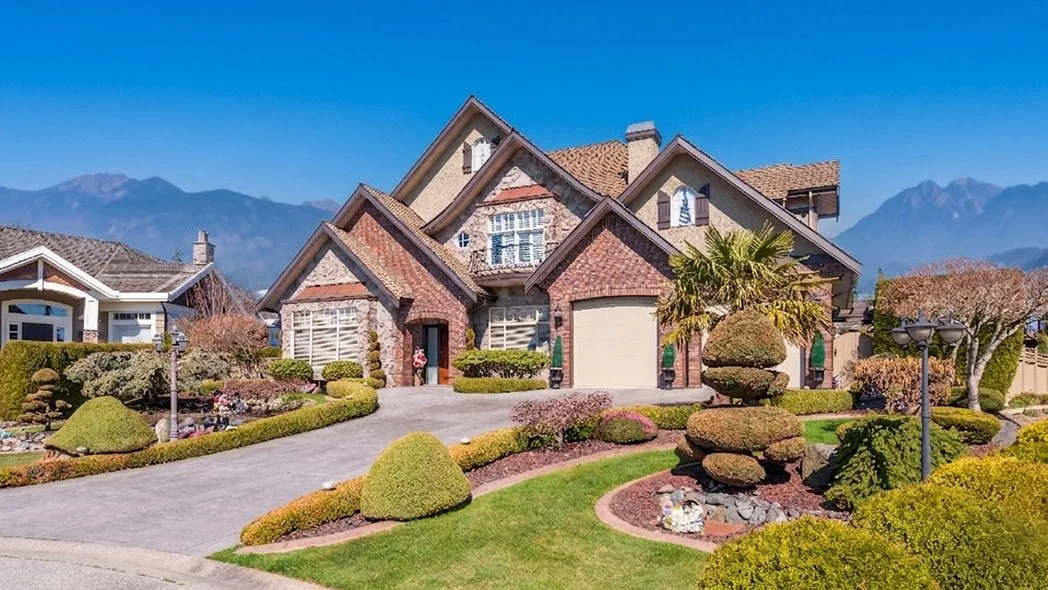
The character of these communities also changes quite a bit from one to the next. Crozet has grown a lot over the last decade and now has its own downtown feel. But Ivy and Free Union stay much quieter and more rural. For anyone who likes a more secluded setting, that distinction can matter quite a bit when it's time to choose where to focus your search.
Recent listings in these zip codes are worth a look, or you can check the Albemarle County property data directly if you want a wider picture of what's out there. Whatever you do, get started by looking at how the sellers and their agents word these listings. A mountain view ends up in the headline almost every time - it's no accident. It's a direct reflection of what buyers are actively after when they start their search in this part of the county. In my experience, that language in a headline usually points straight to what actually makes the property worth a look.
How Much Does a Mountain View Add?
That's a pretty wide spread, and it's not random - some homes land at the top of that range and others barely see a bump, and the reasons are real.
A few factors can push a home toward the top of that premium range. Elevation is one factor - the higher up a home sits, the more of that mountain range it tends to capture. A property that frames a wide stretch of the range tends to draw the strongest buyer interest.
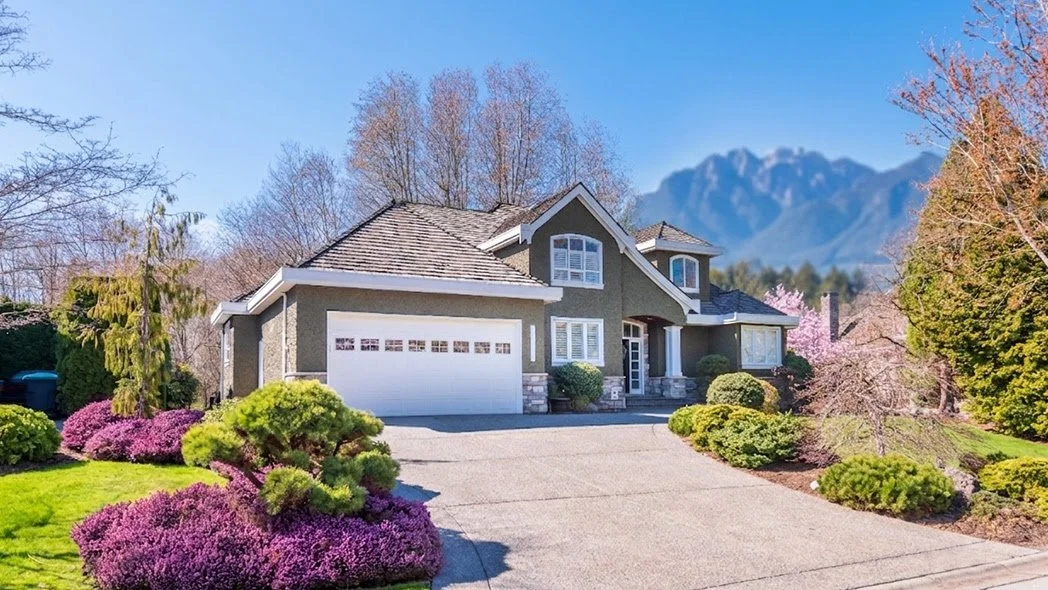
To put some numbers behind it, take two nearly identical homes in the same neighborhood - same square footage, same lot size and similar finishes. If one backs up against a tree line and the other opens out to a full mountain view, the gap in the list price can reach $50,000 to $80,000 or more on a $400,000 home. That price difference is a pretty direct reflection of what buyers are actually willing to pay to see that view every morning.
To put it plainly, that premium doesn't come automatically with every mountain view. A home with a distant or partially blocked sightline won't command the same price lift as one with a sweeping panorama, and the difference between those two can be quite large. Some sellers price as though any mountain view carries full value, which tends to create problems once the listing hits the market. Buyers do their research, and a marginal view won't hold up under scrutiny - at least not for very long.
Does Your View Have Any Legal Protection
Don't fall for a listing - know what's protecting that view. Not all views are created equal, and the ones with legal protection behind them usually hold their value better over time. A conservation easement is a legal agreement that permanently prevents land from being developed, so an open stretch of farmland or forest in front of a mountain view stays just as it is. Zoning designations can also restrict what gets built on nearby land, and some parcels border county-protected areas that can't be touched at all. When a view has that legal foundation behind it, it's a more stable part of what the property is worth.
Lenders and appraisers look at this closely as well. A protected view carries measurable weight in an appraisal - there's a documented basis to believe that it'll last. An unprotected view is much harder to put a confident number on, and when there's no legal protection holding it in place, that uncertainty tends to drag the appraised value down. For any buyer with a mortgage, the difference between the two can affect how the loan gets structured.
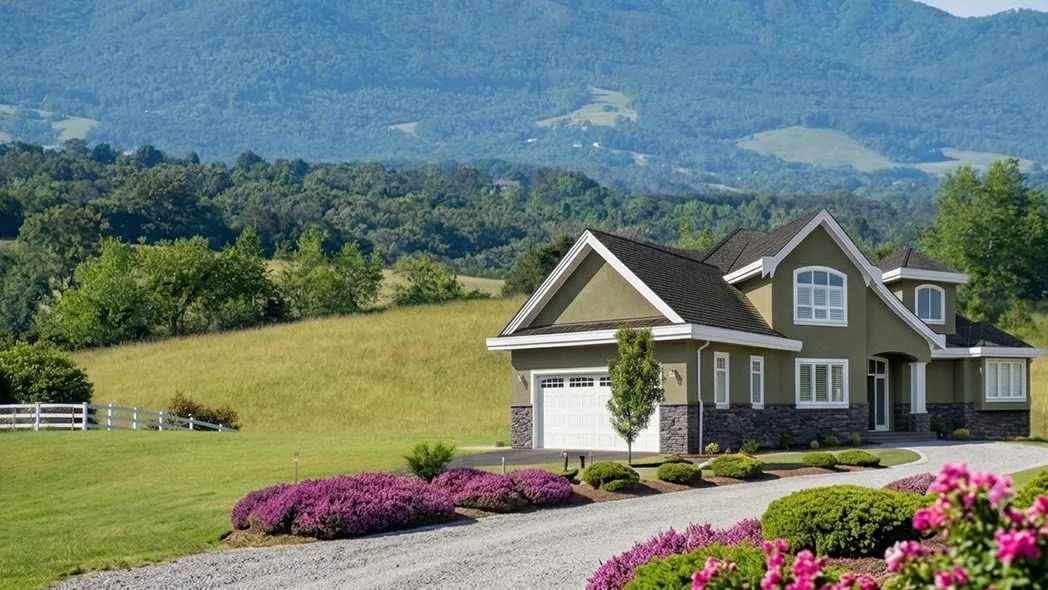
That information is easy to find. A direct conversation with the seller is a great place to start - just ask them what, if anything, is legally protecting that view. The Charlottesville and Albemarle County land records and planning documents are all publicly accessible, and they can tell you quite a bit on their own. To go deeper, a local real estate attorney can review any easement language with you and explain just what it covers - and just as importantly, what it doesn't.
With that information already in hand, you'll go into the deal from a much stronger position - at the negotiating table and with a sense of what you're actually paying for.
A Mountain View That Changes With the Seasons
Charlottesville sits in a corner of Virginia where the trees run thick and the seasons are very dramatic. When you're in the market for a home with a mountain view out there, that combination is worth your close attention.
A view that stretches across the Blue Ridge in January can practically disappear by late June. The hardwood trees along the hillsides and ridgelines leaf out thick and fast each spring, and what looked like a wide-open panorama in the winter will turn into a thick wall of green by midsummer. No new construction, no development to blame - it's just nature doing what it always does.
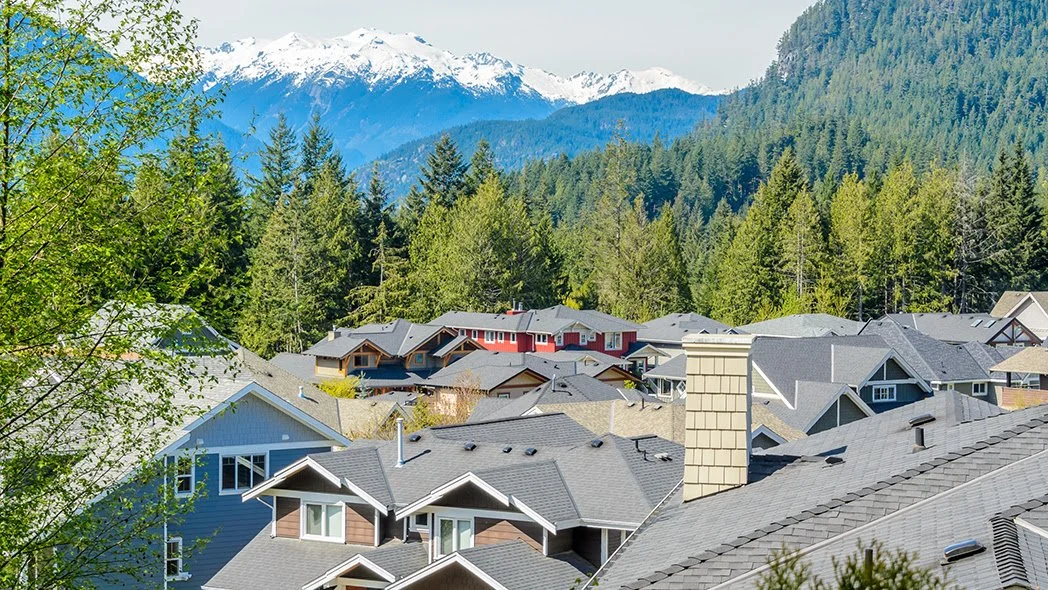
It's a problem that's avoidable, and yet it still comes up quite a bit. A buyer visits a property in the winter, falls in love with that wide-open view, and makes a bid based on just that. That summer, the trees fill back in, and the very view they paid a premium for has all but disappeared until the leaves drop again. Then the whole cycle starts over the next year.
That's why you should see a property in at least two different seasons before making an offer. When that's not an option, ask the listing agent for photos from different times of the year - a decent agent will already have them ready to go, and if they don't, that's worth a conversation on its own. A couple of extra visits or a small set of dated photos can be the difference between a great year in your new home and a pretty rough one.
The View Premium Is Hard to Pin Down
A mountain view is one of the harder features to put a dollar amount on. No two appraisers are going to look at the same property and land on the same number, and the difference between them can be substantial. One appraiser might credit $40,000 for an unobstructed Blue Ridge panorama, and another might credit half of that for the exact same view. Neither one is necessarily wrong, either - each of them draws from a different pool of sales data and relies on their own professional judgment. A view has no fixed price tag, and it probably never will.
For buyers who need financing, that's where deals start to fall apart. A lender will only approve a loan based on the home's appraised value - not whatever number the seller had in mind when they listed it. With a view property, say, a seller might price the home on the assumption that the view accounts for $80,000 in value - but if the appraiser only credits $30,000 for it, the deal can collapse even with a buyer who would gladly pay the higher price. The lender's math just doesn't bend that way.

Sellers in Charlottesville usually feel that their mountain views deserve a premium - and from where I sit, that's a fair way to look at it. A view that a homeowner has seen every morning for years seems priceless. But the appraisal process runs on comparable sales and documented adjustments - not personal attachment. It's a formulaic system by design, and the emotional value almost never translates into a line item on an appraisal report. When a seller's number and an appraiser's number don't line up, the whole deal ends up in a very uncomfortable position - and it tends to happen at the worst possible time.
Before You Buy a Home With a View
When you're thinking hard about a home with a mountain view, it's worth doing a little research before you put in a bid on it. The first detail to find out is whether that view has any legal protection on it. Plenty of properties back up against undeveloped land that could eventually get built on - which means the view that's drawing you in could be gone in five or ten years. A quick call to your local zoning office, or a short conversation with your real estate agent, can usually get you that answer pretty fast.
If at all possible, visit the property more than once - and at different times of the year. Quite a bit changes between seasons, and summer foliage alone can block out a view that looked wide open during a winter walkthrough. A second visit will always tell you far more than any listing photo ever could.
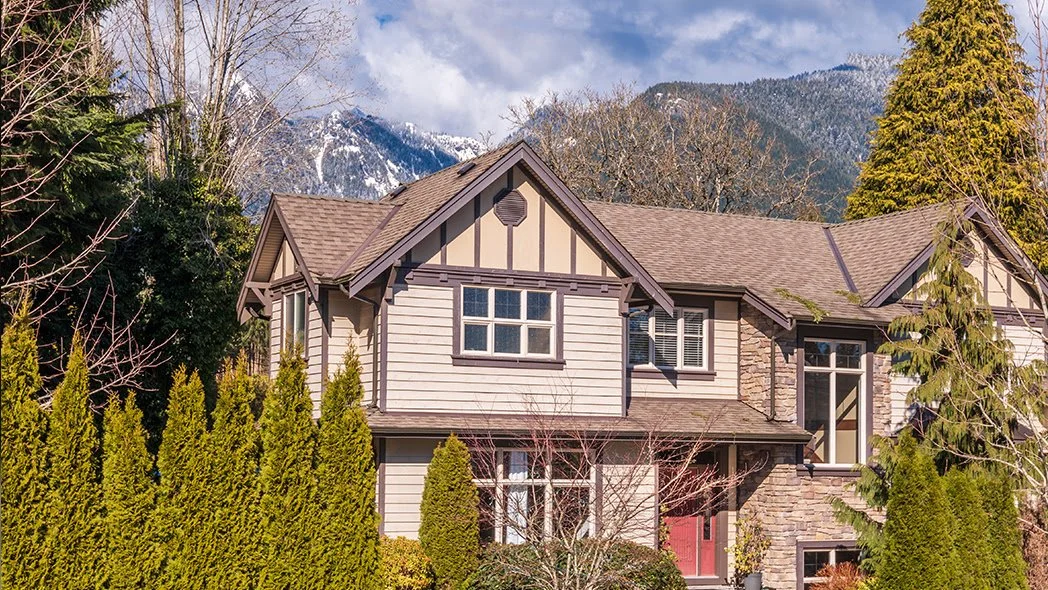
The appraisal is where plenty of buyers run into real problems. Lenders base their loans on the appraised value of the home - not on what you agreed to pay and not on how much you love the place. If the appraisal comes in below your bid price, that difference has to be covered in cash, straight out of your own pocket. It's worth having that conversation with your lender before you fall too hard for any particular listing. In my experience, buyers who skip that step usually wish they hadn't.
Buyers who take the time to work through this will usually walk away feeling more confident in the choice that they made. The ones who rush it tend to second-guess the premium that they paid once the excitement wears off. The view itself almost never disappoints - it's usually the financial side that ends up being the problem. Ask the right questions, run the numbers and think about whether you actually want to wake up to that view - and pay for it - every morning.
Moving to Charlottesville?
Mountain views do add measurable value to a home in this area - just not automatically and not necessarily by the same amount. Western Albemarle is where buyers are most likely to find them, and the strongest price premiums usually land on properties with open sightlines, a decent elevation and some legal protection on the surrounding land. The two factors most buyers don't stop to consider are seasonal changes and appraisal limits - and they're worth thinking through before you sign anything.
No photo (drone shots included) can tell you whether a particular view is worth what a seller is asking for it. That part is about what you feel when you're standing there, and you should back it up with the right questions and an honest look at the numbers. A second or third visit is worth every minute of your time - especially if you want to know what actually protects the land from future development. Before you get too attached to a property, have an honest conversation with your lender. The buyers who put in that extra time usually feel confident about what they paid.
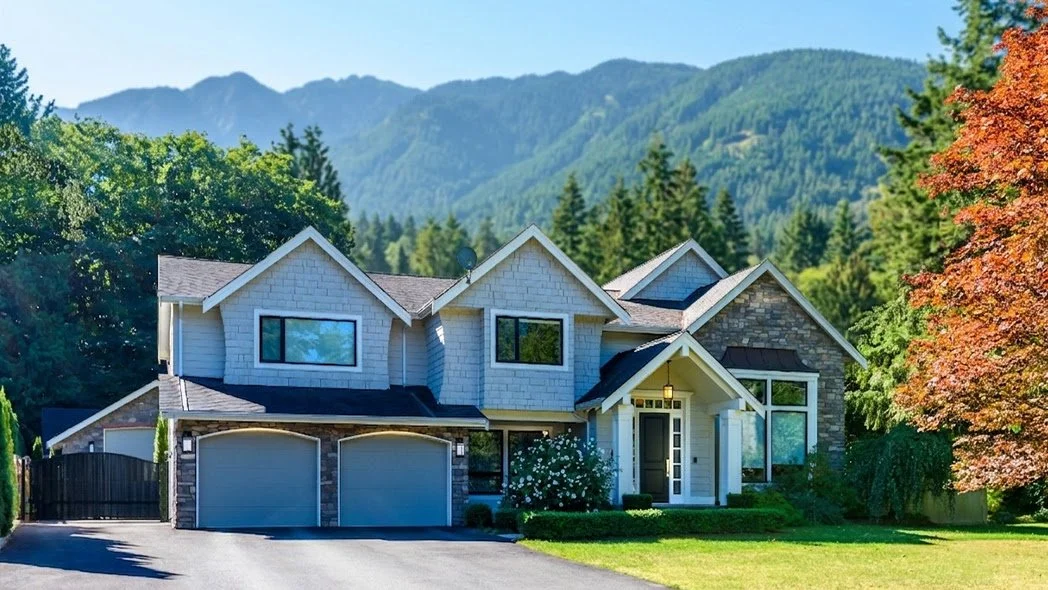
A view like that never loses its appeal, and it tends to make everything you went through to get there feel worth it.
For anyone ready to settle down in the Charlottesville area, a team that knows this market can make the whole process smoother. The Justin Landis Group is exactly that - so get in touch with us anytime, and we'll help you find the right home.