
Charlottesville Wine Country Homes vs City Living
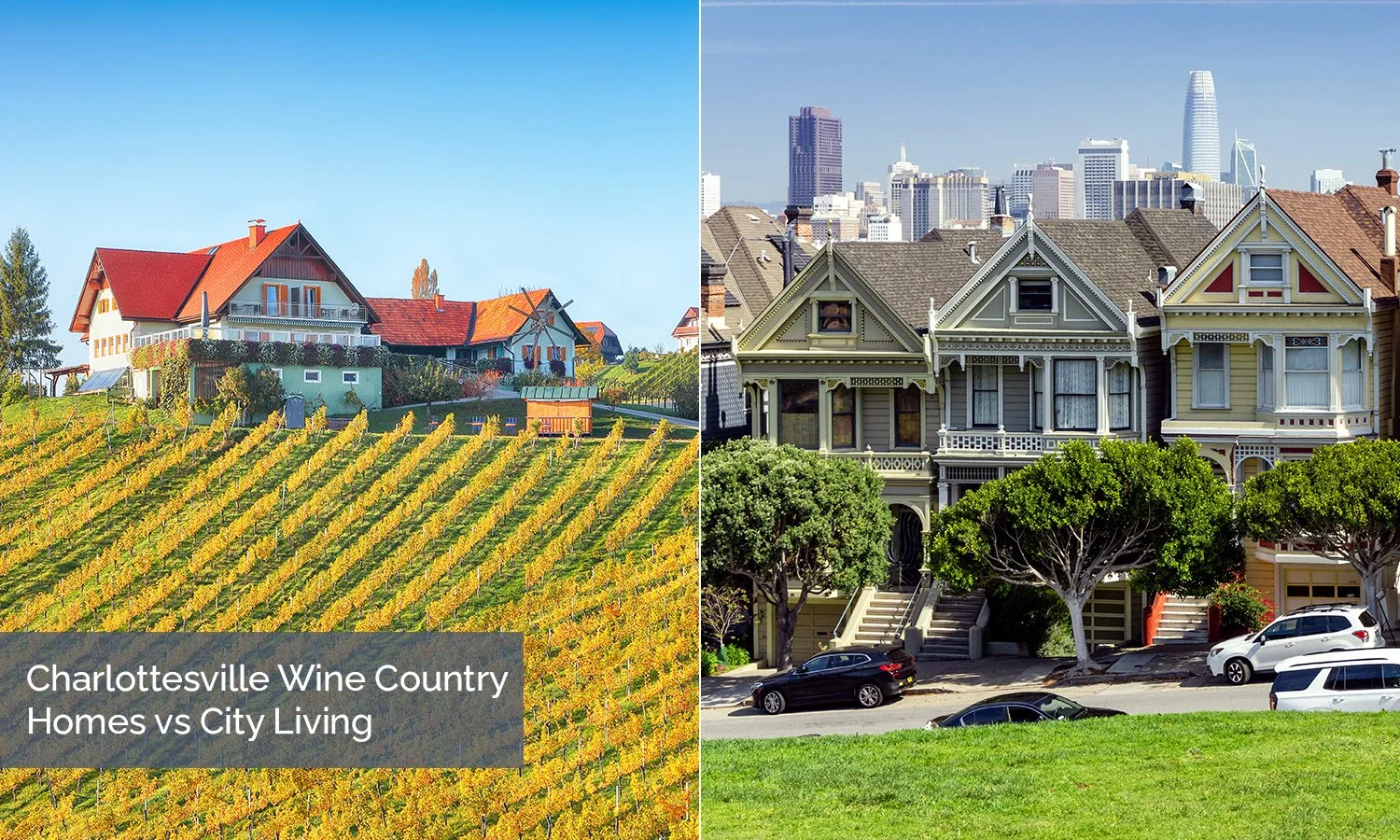
A rural property near Charlottesville's vineyards or a home inside the city limits - for buyers, this ends up being one of the bigger calls they'll make in this market. These two options do pull in opposite directions. One gets you acreage, quiet and the scenery that you'd only see on a weekend trip out of town - the other puts restaurants, employers and day-to-day errands within a short walk or a drive. Neither one is the wrong answer, and each has real appeal. The difference between them is still wide enough to matter for years past the closing day.
Buyers get stuck at this exact point because each lifestyle can seem very desirable during a visit. A Saturday afternoon on the Monticello Wine Trail has a way of making rural life feel peaceful, and a slow walk down the Downtown Mall can make city living feel lively and full. But the real test is a Tuesday morning school run or a drive down a two-lane country road in the middle of January - that's where you get a more honest sense of what day-to-day life is actually like out there.
A confident answer usually starts with a more honest look at the day-to-day realities - factors like commute length, income needs, how much land a buyer wants and what a normal week at home looks like. The lifestyle difference between these two settings is a genuine one. That gap tends to widen with time instead of narrow. Charlottesville rewards buyers who take the time to think it through. In my experience, the ones who do are usually much happier with where they land.
Let's talk through whether the wine country appeal or city convenience works best for your lifestyle!
How Big the Wine Country Really Is
Most people's idea of "Charlottesville wine country" is more compact than the whole of it. The region itself covers a massive stretch of Albemarle County and extends well into Nelson County next door, with hundreds of square miles of rolling farmland, wooded ridgelines and wide-open pasture spread all across the area - far more ground than the name alone would let on.
Two roads largely define this region for most visitors. Route 151 in Nelson County runs right through what locals call the "brew-wine trail," and it's home to popular wineries like Veritas Vineyard and Afton Mountain Vineyards. Route 250 West takes you through Albemarle County and connects the city to estates like Pippin Hill Farm and White Hall Vineyards - and they're all worth the drive.
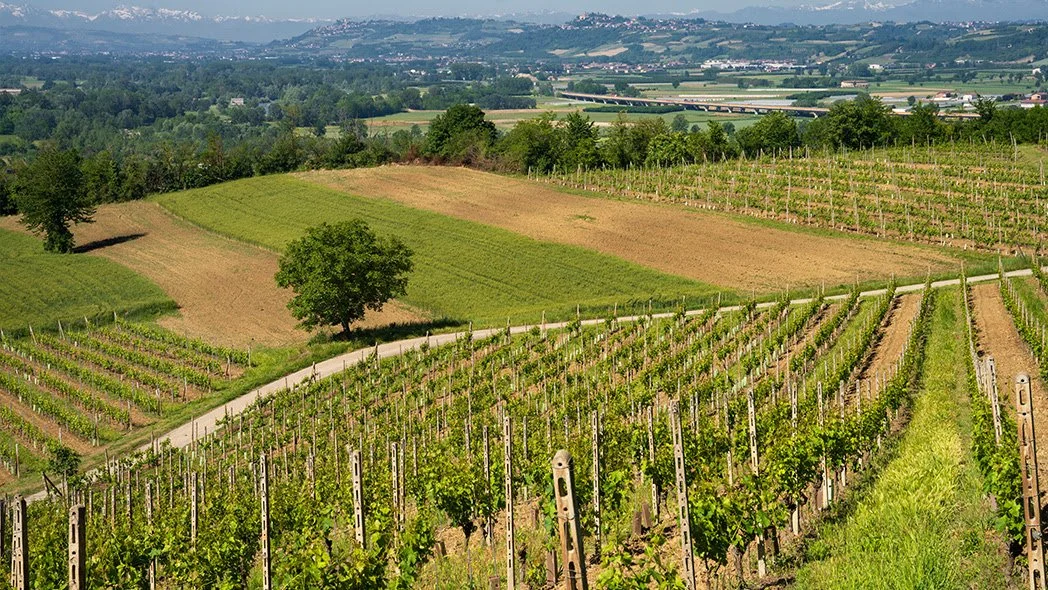
From downtown Charlottesville, the nearest wineries are only about 15 to 20 minutes away by car. The more rural properties out near the far edges of the corridor can push that number closer to 45 minutes, though, and where a home actually sits within that stretch matters in your day-to-day commute.
Plenty of buyers find their way into this market for reasons that have very little to do with wine itself. The land tends to be the main draw - with big parcels, long mountain views and a pace of life that city living just can't match. Some of them have spent years visiting these vineyards on weekends, and eventually they want to settle nearby. What I usually see are buyers who are after the privacy and open space that a rural Albemarle or Nelson County property gives, and the wine country setting ends up being more of a welcome backdrop than the whole point.
A mile or two in the wrong direction can translate to a very different lifestyle in this area, and the exact place that you choose ends up making a real difference.
How Much Space the Same Money Buys
The price difference between wine country and city living is worth a close look. Out in the vineyard corridors west of the city, the same money that buys you a townhouse near the Downtown Mall can also get you two or three acres, a bigger floor plan and a detached garage.
That gap didn't happen by accident. Land near walkable amenities costs more per square foot because buyers are paying for the convenience of the neighborhood just as much as they're paying for the square footage. A short walk to a restaurant or a weekend farmers market gets folded right into the asking price of every home in the area.
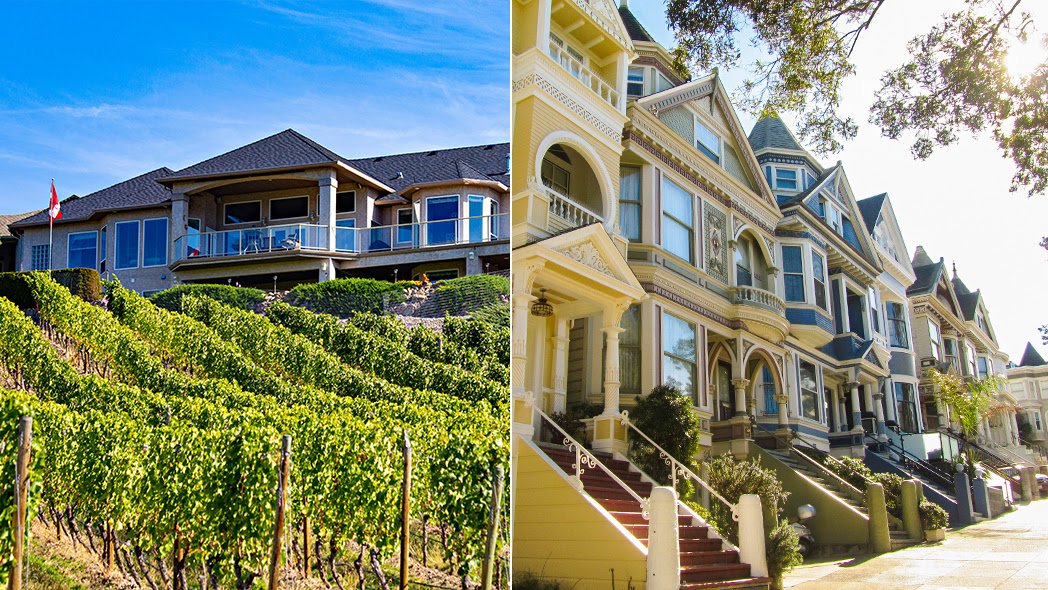
In neighborhoods like Belmont, what buyers are paying for is a lifestyle that doesn't depend on a car. That convenience carries value, and the prices make that pretty obvious. For some, it's a trade worth making - but for anyone who wants a bit more space, a bigger yard to host in or just a garden worth actually tending to, the numbers start to look pretty different once you move a few miles outside of town.
Wine country parcels west of the city are usually a very strong fit for buyers who put square footage and land at the top of their list over walkability. The budget goes quite a bit further out there, and in ways that are pretty easy to compare side by side. That said, day-to-day convenience does take a hit, and it's worth being upfront about that before you get too far into the search. A car trip replaces a walk - it's a genuine lifestyle adjustment worth thinking through.
Buyers who tour these areas with a firm budget in hand will usually come away with very different goals. What that same money can get you just a few miles outside of the city limits tends to change the direction of the whole search.
The Daily Drive and Your Normal Week
Distance tends to look manageable on a map. Actually living with it is a different story. Most wine country properties out here sit anywhere from 20 to 45 minutes from downtown Charlottesville, UVA and the nearest hospital. On a weekend visit, a drive like that's easy enough to forget - but it starts to matter a whole lot more on any given Tuesday morning.
Before you get too attached to a property, it makes sense to think through what a normal week would look like from that address. School drop-offs, a grocery run, a late meeting, a prescription that needs picking up - the little trips add extra time and extra gas money to your day. For families with young kids or for anyone whose job is close to home, that back and forth every day can slowly change what life in a new place ends up feeling like.
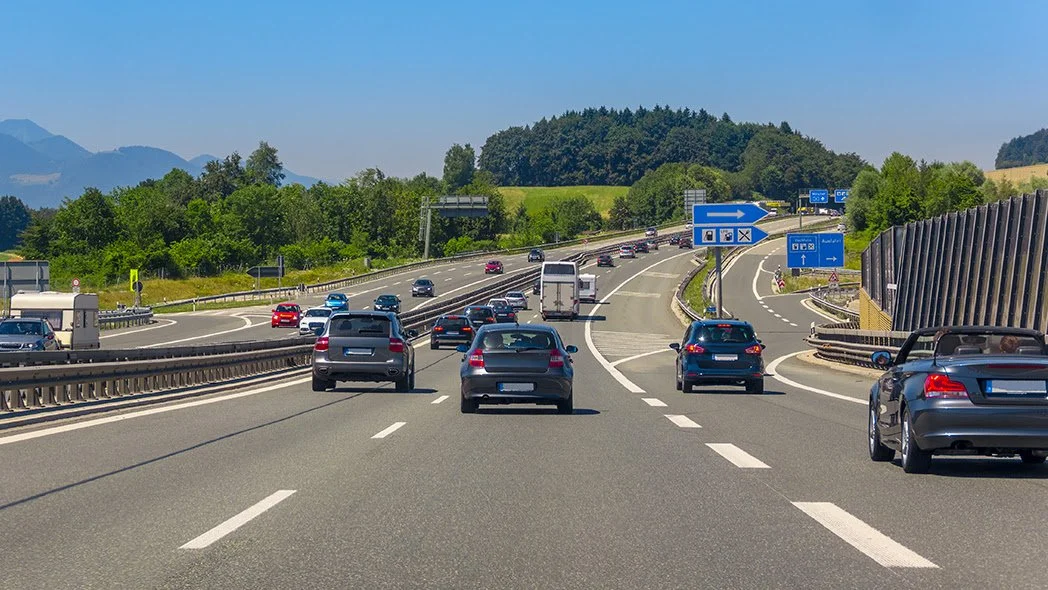
Winter out here deserves an honest look. Rural roads around Charlottesville are usually the last to get cleared after snow or ice, and what's normally a 30-minute drive can quickly turn into something a whole lot longer - a very different experience from a city commute. Some buyers build the extra fuel and maintenance costs into their budget right from the start, and others don't revisit those numbers until a few months after they've moved in.
None of this has to be a dealbreaker, and it's worth saying that out loud. Plenty of buyers make that exact trade-off and never look back (the quiet, the open space, the room to breathe), and most of them will tell you that every extra mile is worth it. What nearly all of them will also mention is that they wish they'd taken the time to think through what their typical week would look like from day to day before making an offer. A Saturday afternoon drive out to a vineyard is a great way to spend the day - a Wednesday morning commute in January is a whole different experience.
At Justin Landis Group, we give clients as much time as they need to weigh access and distance carefully. Someone who knows these roads and these seasons can help you find that sweet spot between the peace that comes with rural land and staying practical about a real day-to-day routine.
Why the Race for City Homes Never Slows
Charlottesville's walkable neighborhoods have been in high demand for a long time, and it's not hard to see why. UVA faculty, young pros and retirees who are ready to downsize all chase the same small inventory of in-town homes - and the inventory hardly ever grows. With so many buyers competing for those few properties, prices hold firm and bidding wars have become a pretty common part of the process - most of all in the popular neighborhoods near the Downtown Mall and the Corner.
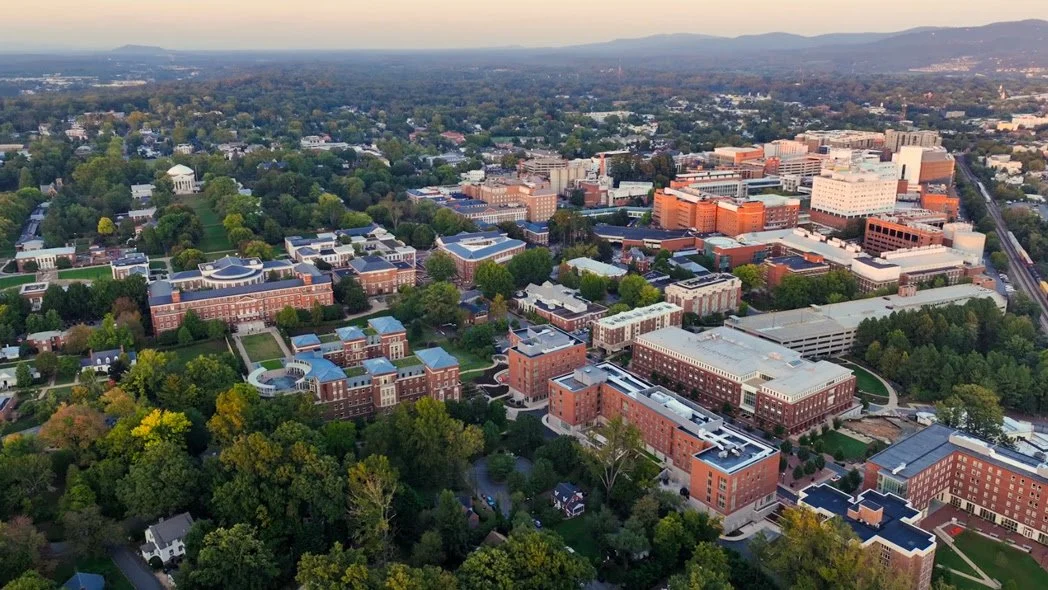
Whether it's a walk to dinner, a live show at the Downtown Mall or a commute that actually leaves some time in your day, life in this area moves at a very different pace. Quite a few buyers find that hard to put a number on until they've lived it. But once they have, it's very hard for them to leave behind.
Some buyers who spent years in suburban or rural areas find that they legitimately love city life once they settle in. The closeness to neighbors, local events and walkable errands has a way of making day-to-day life feel more connected than they ever expected. A bigger yard is something they might miss. But a front porch and a coffee shop around the corner are a trade buyers are more than happy to make - and most of them never look back.
The city does have trade-offs, though. The lots are usually on the smaller side, storage can be tight, and parking isn't always a guarantee. The price per square foot in the more popular in-town neighborhoods also tends to run noticeably higher than it does out in the surrounding countryside. For anyone who wants a little more room to breathe, those are factors worth thinking through. For anyone who puts location and lifestyle ahead of square footage, the city makes a pretty strong case for itself.
Rural and City Life Both Have Trade-Offs
There's something quite restful about a place that goes quiet at night. No streetlights, no car doors, no voices carrying over from a neighbor's porch - just open sky and the sort of dark where you can see the stars. For plenty of buyers who make this move, that alone turns out to be worth the longer commute and the bigger monthly payment.
That same stillness can start to press in after a while, though. Plenty of newcomers make the move out to the countryside with every intention of putting down roots and then find themselves back in the city on weekends just to feel surrounded by crowds again. It's actually pretty common, and it pays to be legitimately honest with yourself about all this before you sign anything.
Rural life also comes with a learning curve that not everyone brings up from the start. When something in the house breaks, a repair person could be a few days out. For those who come from a city, those first few weeks can seem a whole lot longer than they expected.

City life pulls in the opposite direction. The energy there feeds plenty of residents on a level that they don't usually stop to notice - at least not until it's gone.
The regrets cut both ways, though. Former city dwellers tend to miss the spontaneity - the freedom to just pick up and go somewhere without any actual planning. On the other side of that, long-time city residents usually feel like they're perpetually waiting on a little breathing room that never quite seems to arrive.
No lifestyle is perfect, and the actual question is which of the trade-offs you can live with long-term.
A Home That Works for Your Life
Plenty of buyers go back and forth on a home - it's fine. The ones who make the right call are usually the ones who get honest with themselves about what their day-to-day actually looks like.
A common weekend tells you a lot about which home will work for you. It matters whether you like having friends over or getting out to see what's around you, and whether most of your days are spent working from home or you're out early and back late. These aren't small details - they're the sort of factors that will legitimately shape how a home feels to live in once those first few months are behind you, and daily life sets in.
Pets and kids add a whole extra layer to the choice. A property with land can be wonderful for kids and pets alike - plenty of families love that extra space, and it's hard to argue with that. That said, it also comes with a list of responsibilities that never quite go away. But a city home puts parks, schools and day-to-day activities right at your doorstep. That convenience tends to get ignored when you're deep in a home search.

One point worth saying plainly - don't let a single beautiful afternoon make the choice. A property that wins you over on a warm Saturday in September might not hold up the same way come January, after a week of remote work and with a forty-five-minute grocery run ahead of you. Give it a full mental walkthrough across every season and every sort of day that could follow.
The buyers who walk away the happiest aren't always the ones who had the strongest gut reaction to a property. Usually they're the ones who asked the harder questions - and who were honest with themselves about the answers. A little patience goes a long way.
Moving to Charlottesville?
Each side has something to give - it's what makes it so hard to settle on an answer. Space, privacy and a view that changes with the seasons pull hard in one direction. Walkability, community and the low-effort convenience that a city just gives you pull just as hard in the other. Neither option is better than the other - it all depends on the version that fits how you actually live, what your budget can realistically support and what your day-to-day life looks like.
At this point in the process, most of the hard work is already behind you. Go back to those early questions about your weekends, your commute and whether you need space or connection more than anything else. Trust them. In my experience, buyers who are happy with where they land are usually the ones who listened to that honest inner voice - not the ones who let one beautiful afternoon on a vineyard patio make the choice for them.

The finances also matter just as much as the feeling. A rural property and an urban condo can carry a nearly identical price tag on paper. But the total cost of living between the two can be drastically different. Property taxes, HOA fees, commute costs and the price of day-to-day convenience all add up fast - it's worth a close look at those numbers before you fall too hard for any listing.
Reach out whenever you're ready, and we'd be happy to help you get there!