
Gwinnett vs Cobb County: Where Should You Buy?

Gwinnett and Cobb are two names that seem to come up on the shortlist of nearly every homebuyer looking in the Atlanta area. They're both just outside of Atlanta (Cobb to the northwest, Gwinnett to the northeast), they both have great school districts (East Cobb and Gwinnett County Public Schools), and they both have a lot to offer.
The two are also very different when you spend time in them. Gwinnett has an incredible amount of international diversity, and great dining on Buford Highway and grocery stores from around the world. Cobb has the historic Marietta Square and a very walkable town center in Smyrna.
So, you're torn. You want to pick one. But you're afraid of making the wrong choice. So, what should you know?
Today, we're going to go over the costs, the commute, the schools, the culture, and the growth of the two counties. We'll start with a little more general discussion, and save the numbers for later. First, though, you might want to know - why is one "better" than the other?
The answer to that question is, it all depends on what you're looking for. Let's start with the basics - what can you get for your budget in each county?
Where Do You Get More House for Your Money?
In general, you're going to pay more in Cobb than you are in Gwinnett, at least at the median level. You can check current county medians on sites like Redfin, Zillow, or the FMLS data to get a better idea of what you can expect to pay.
East Cobb is generally the most expensive, particularly in the 30062 and 30068 zip codes, and the school zones of Walton, Wheeler, Lassiter, and Pope. Smyrna is a premium area because of its proximity to Truist Park and The Battery, as well as its access to I-285. Marietta, particularly in and around the historic Square, is more expensive per square foot.
Conversely, Lawrenceville (the county seat of Gwinnett) often has more house for the money, as does Snellville, with its established subdivisions and lower entry-level prices. For the same amount of money, you can get a larger home in Lawrenceville or Snellville than you can in Smyrna.

Smyrna's close-in homes are often older ranches from the 50s and 60s, newer townhomes, and smaller lots. East Cobb has a lot of 70s and 80s homes with larger and more wooded lots.
Newer construction in Gwinnett is cheaper the further out you go, so areas like Dacula, Buford, and Hoschton are cheaper than the areas closer to I-85.
It's the longest commute with the most I-85 traffic
The schools aren't rated as highly
The homes need a lot of maintenance or have older roofs and HVAC systems
Always make sure you're aware of things like flood zones and resale history when you're shopping for a bargain.
The Real Monthly Costs of a Georgia Home
The sticker price of a house is not the only number you need to consider - you also need to consider your monthly costs, which include property taxes, dues, and insurance.

Georgia property taxes are calculated based on an assessed value of 40% of the fair market value. Each county has a millage rate they set, with the bulk of the property tax going to the school tax. You also have city millage, if you're in a city like Marietta or Smyrna in Cobb, or Lawrenceville or Duluth in Gwinnett. If your address is unincorporated, you won't have a city tax, so it's worth comparing listings to see.
HOA dues are also common, especially in newer subdivisions, where they may cover things like pools and other amenities. Homeowners insurance will vary depending on the age of the roof, the age of the home, and the location.
Homestead and Senior Tax Exemptions
There's also the homestead exemption. Georgia offers a homestead exemption for your primary residence, which you need to file for by April 1 each year. Both counties offer local homestead exemptions on top of the state exemption.
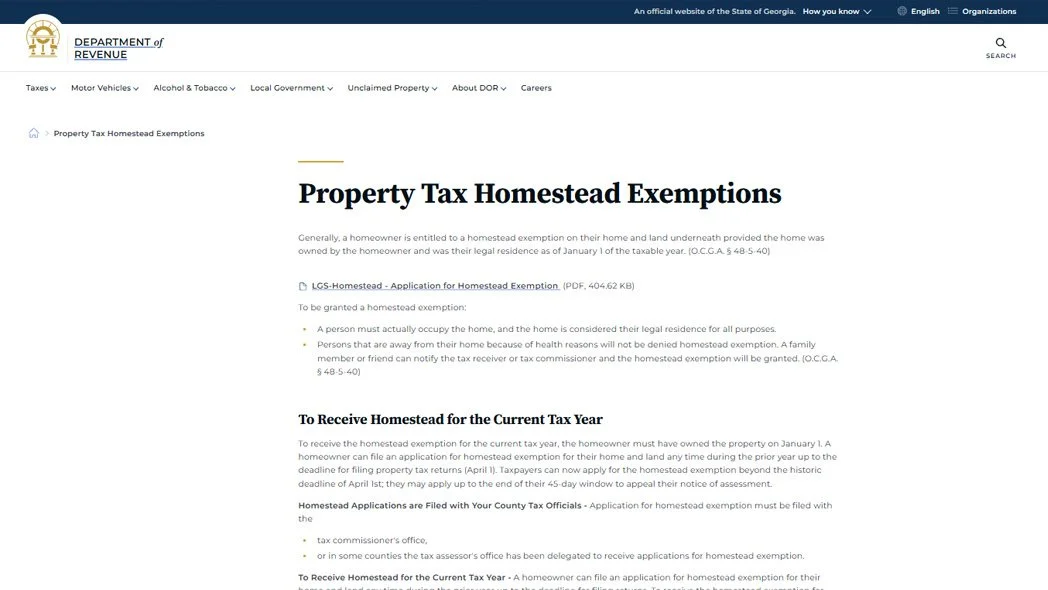
There are also exemptions for seniors for the school tax, starting at age 62 in Cobb and 65 in Gwinnett. You can check the current rules and requirements on the tax assessor website for each county.
Do you see how a cheaper house might have a higher monthly cost? It might have a city millage, or HOA dues, or higher insurance costs because it's an older home.
The Commute From Northeast and Northwest Atlanta
If you're coming from northeast or northwest Atlanta, you're already pretty familiar with the geography. Cobb is to the northwest, Gwinnett is to the northeast. Both counties are mostly car-dependent, with no MARTA rail service to either. Both are served by commuter buses (the Xpress lines from the ATL transportation authority) to downtown and Midtown.
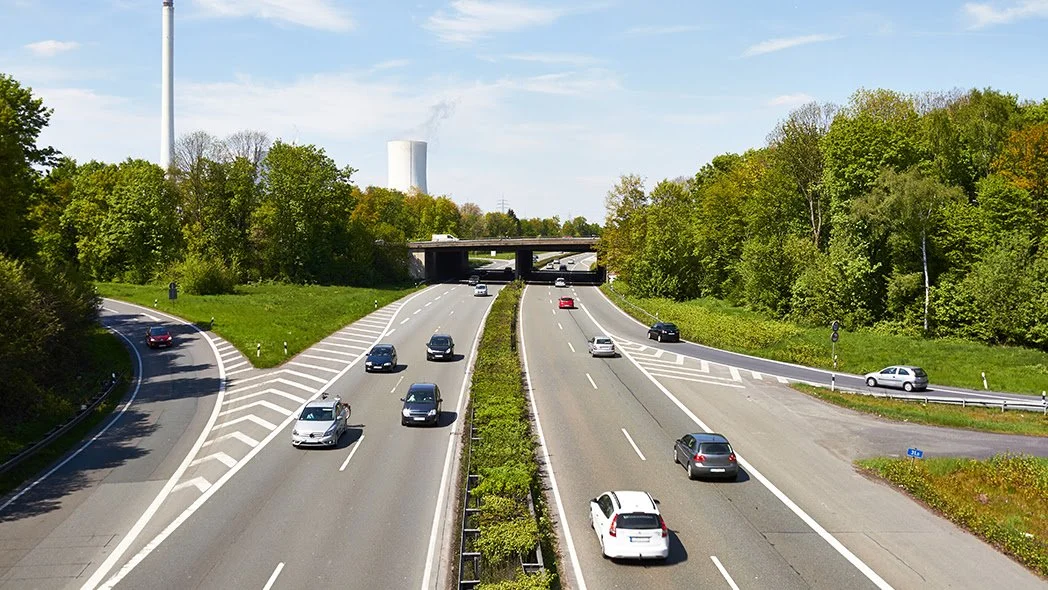
Gwinnett voters rejected a MARTA referendum in March of 2019, with roughly 54% voting no. Gwinnett also narrowly rejected a transit referendum in November of 2020. Cobb also rejected a 1% transit sales tax (M-SPLOST) in November of 2024.
From Cobb, I-75 through Marietta and Kennesaw
From Cobb, I-575 from Woodstock
From Gwinnett, I-85 from Duluth, Suwanee, or Norcross
The I-285 Perimeter, on either the Cumberland/Truist Park side or the Spaghetti Junction (I-85/I-285) side
Toll express lanes are also available through the Northwest Corridor on I-75/I-575, or the I-85 Express Lanes.
Ever wonder how it is that, on a map, your commute is a few miles? But in real life it's an hour of traffic? Well, you're in luck! Try out your commute in real life, during rush hour, before you make your purchase.
School Quality Varies Across Cities and Clusters
In East Cobb, the four high schools are Walton, Lassiter, Pope, and Wheeler. Walton High School is consistently ranked as one of the top public schools in Georgia.
In Gwinnett, the Gwinnett County Public Schools system is the largest school district in Georgia, with around 180,000 students. They won the Broad Prize for Urban Education in 2010 and 2014, and schools like GSMST magnet, Brookwood, North Gwinnett, and Peachtree Ridge are standouts.

As you can see, both counties have variation in the quality of education, depending on the cluster and the city. To compare individual schools, you can look at the Georgia GOSA K-12 report cards. Remember that it's usually not a good idea to take the word of a school listing, because attendance zones can be redrawn, so it's always a good idea to check with the school district's official school locator before making an offer on a home.
You may also consider a longer commute in exchange for a better school cluster, so think about the trade-off between minutes and schools.
Food Variety and the Local Community Feel
Gwinnett County is one of the most ethnically diverse counties in the Southeast. It's a majority-minority county, and no one racial group makes up more than half of the population. You can check the latest numbers for racial and ethnic breakdowns, as well as the proportion of the population that was born outside of the United States, from the Census Bureau's QuickFacts.
With this diversity comes a large number of Korean, Vietnamese, Hispanic, Indian, and Chinese communities. The Buford Highway corridor extends all the way through Norcross and Duluth, and Duluth's Pleasant Hill Road is full of Korean BBQ restaurants, bakeries, and other elements of Koreatown. There are also a variety of international grocery stores. There's also a ton of cultural festivals and events, from Lunar New Year celebrations to the Duluth Fall Festival.

Meanwhile, Cobb County feels a little more like a traditional suburb, with less of a concentration of international dining. However, there are plenty of great areas to visit. Marietta Square is a historic courthouse square with Glover Park and the Strand Theatre, and it's home to the Marietta Square Farmers Market on the weekends. Smyrna Market Village is a walkable town center with a variety of restaurants and events. And, of course, The Battery Atlanta and Truist Park is a great hub for dining, centered around the Braves.
Which County Works Best for Your Life?
Families looking for great schools can choose from the Gwinnett County Public Schools, the largest school district in Georgia, or the Cobb County School District, the second largest. Budget-conscious individuals and families can look to Gwinnett, where the median home prices are generally lower than in Cobb County. People who value diversity can look to Gwinnett, one of the most diverse counties in the Southeast.
Commuters looking for easy access to Midtown, Buckhead, or Cumberland can look to Cobb County, where the I-75 and I-285 highways can get you there in no time. Conversely, commuters looking for I-85 access and Peachtree Corners or Duluth employers can look to Gwinnett County.

Those looking for a unique lifestyle can look to Cobb County, where The Battery Atlanta, Truist Park, and the Marietta Square all offer unique experiences. Similarly, Gwinnett County has a lot to offer, from Lake Lanier near Buford to Coolray Field and the Gas South Arena.
Outdoor enthusiasts can also look to Cobb County, where the Kennesaw Mountain National Battlefield Park is a fantastic destination for a day of hiking.
You Work in Midtown or Perimeter
You have a job in Midtown or Perimeter Center, and you're looking to settle down somewhere. Which county should you buy a house in?
First, think about what you value. Is it commute time? Is it lot size? What are you willing to sacrifice to get more of something else?

If you're commuting to Midtown, Cobb's route is generally going to be I-75 into the Downtown Connector. However, since 2018, Cobb has had the I-75 Northwest Corridor reversible express lanes. Meanwhile, Gwinnett's route is I-85 through the Spaghetti Junction. But you have the option of using the express lanes (which are tolled) through a lot of the county.
If you're commuting to Perimeter Center, you're looking at the junction of GA-400 and I-285 in Sandy Springs-Dunwoody, which means you're usually going to be looking at the top end of the I-285 loop from either county. You can find a closer-in neighborhood in places like Smyrna or Vinings in Cobb, or Peachtree Corners or Norcross in Gwinnett, and cut down on the commute.
As far as public transportation is concerned, neither county has MARTA rail, though the Doraville station is the closest Gwinnett has.
One thing you should be careful of is picking a county to settle in before you've actually seen the specific neighborhoods. It's easy to tour a neighborhood on a weekend and not realize what the commute is going to be like. Make sure to drive the route on a weekday at 7:30 a.m. and at 5:30 p.m. to see what it's really like.
Moving to Atlanta?
There's no right answer here. The choice isn't even between Cobb and Gwinnett counties. The real choice is the neighborhood you want to live in.
You have three filters to consider when making your choice: your budget, your daily drive, and your long-term plans. How many years do you plan to have kids in school? How long until you want to sell? Do you work remotely?
The first thing you should do is seek a pre-approval for a mortgage. This gives you a realistic idea of your price range, and will make you a more attractive buyer when you make offers. Don't forget to calculate the entire monthly cost of the home, including property taxes, HOA fees, and insurance.
The second thing you should do is visit both counties, ideally on a weekday. Spend some time seeing what a rush-hour commute looks like, or what traffic is like when you need to pick up the kids from school.
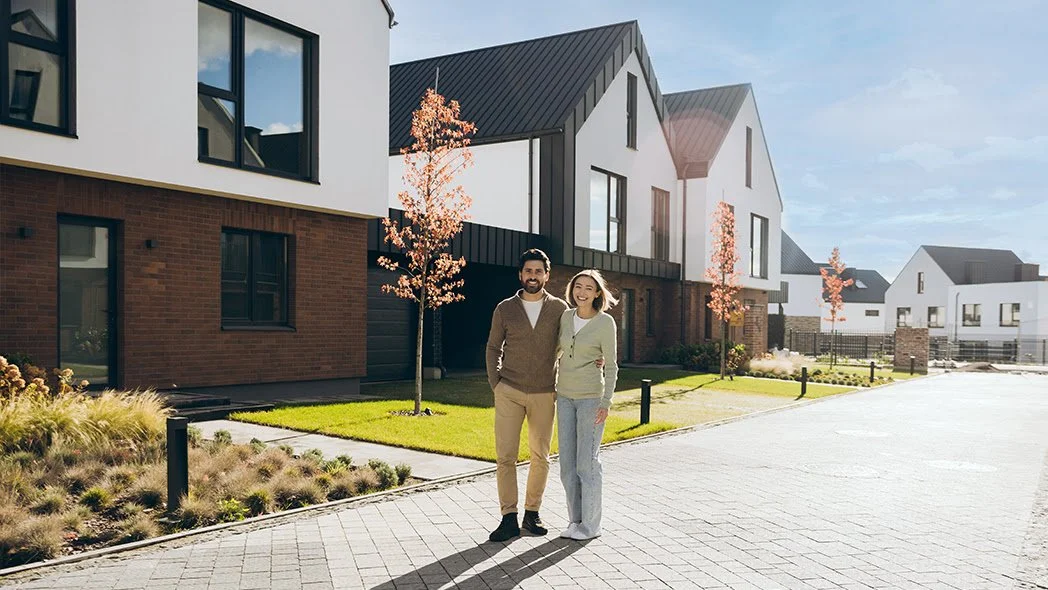
The third thing you should do is visit the same areas. But on a weekend. What's the noise level like? Is parking a hassle? Are there a lot of people around, or is it a quieter neighborhood?
The fourth thing you should do is check the school zones. You can do this using official district locators to make sure the home you're interested in is in the school zone you want.
The fifth thing you should do is check the tax records for each address you're interested in, using the county tax records.
When you put all of this together and carefully compare your options, you'll be able to make the best possible choice for you and your family. That's what smart homebuyers do, after all. You don't want to make a choice you'll regret later, do you?
If you're ready to stop worrying about the county and start thinking about the neighborhood, we can help. At the Justin Landis Group, we know both Gwinnett and Cobb counties, street by street. We can help you find the perfect home for your budget, your commute, and your Atlanta lifestyle. Whether you want a quiet suburb or a location closer to the bustling streets of the city, we can help you find it.