
How Charlottesville's ARB Affects Home Renovations
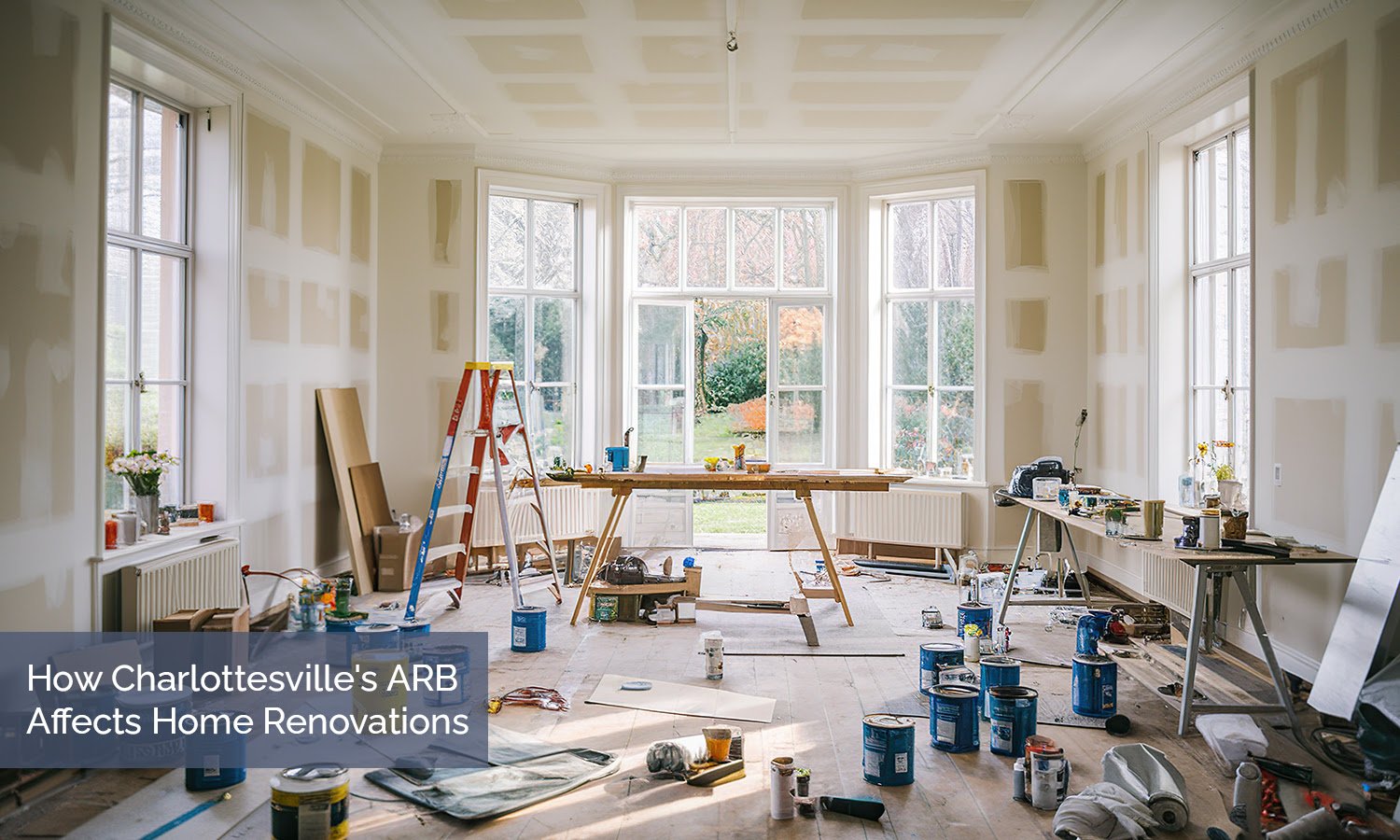
A home renovation in Charlottesville can get tough fast once the Architectural Review Board enters the picture. Plenty of homeowners don't even realize ARB oversight exists until after they've already hired a contractor or ordered materials - at which point, a whole new set of boxes to check suddenly lands on your plate with the money already committed. The board has genuine authority over exterior changes in designated historic districts, and its decisions can delay a project, force a full redesign or mean fines for any work that was done without prior approval.
There's reason behind everything the ARB does. Charlottesville has for decades worked to protect the architectural character of its historic neighborhoods, and the oversight process is a direct result of that commitment. The city very much cares about what these districts look and feel like - the board's whole job is to make sure no single project quietly chips away at what makes those neighborhoods worth the investment to have. Any property owner who understands what the board actually reviews and why will be in a much stronger position well before a single tool leaves the truck.
The approval process is mandatory - skip the sign-off and those stop-work orders, mandatory reversals and civil penalties all become very concrete possibilities for the homeowner. A small first investment (a district boundary check, a pre-application meeting and the right documentation submitted in the right order) pays off for the budget and the whole project timeline. That pre-application meeting alone can shave weeks off the process and cut out a portion of the back and forth - in my experience, it's the step most wish they hadn't skipped. The whole process admittedly has a bit of a learning curve. But it's far more manageable than a forced reversal after the fact.
Let's cover how Charlottesville's ARB shapes your home renovation project.
What the Charlottesville ARB Actually Does
The Architectural Review Board (usually just called the ARB) is a group of city-appointed members whose job is to review proposed changes to buildings in some Charlottesville neighborhoods. When a renovation plan comes through, the ARB takes a look at whether the proposed work actually fits the established character of the surrounding area.
The whole point of the ARB is preservation. Charlottesville has a handful of neighborhoods with a historical and architectural identity, and the board is, in effect, how the city protects that over time. Without some level of formal oversight, small one-off changes across hundreds of properties could quietly add up and erode the very look and feel that gave these areas their value.

Charlottesville has a set of officially mapped areas called Architectural Design Control districts - ADC districts, if you want the shorthand. Owning a home inside one of these districts means the ARB gets a vote on any exterior changes that you want to make to your property.
The review process can take a while, and the scope of the work can have a large effect on how the final project turns out. Mid-project is the wrong time to find this out - and it's a common mistake. At that point, the delays have already piled up, and sometimes the whole design has to be reworked.
The ARB (what it covers, why it exists and how it works in your area) is something that you want to know before any work begins.
Not All Homes Fall Under ARB Rules
The ARB's authority doesn't cover every home in Charlottesville - it only applies to properties that sit within one of the city's designated historic districts.
If your home sits outside those designated areas, the ARB has no authority over your renovation whatsoever. For homeowners around here, that's great news - and it's one of the first details worth looking up before your project gets too far along.

Location matters more than almost anything else for ARB review. A renovation project that needs full review on one street might need zero approval on the very next block over - the gap can be pretty sharp if you're already deep into planning. Two neighbors with nearly identical projects can take very different paths just because of where their property lines fall. It's the sort of detail that can derail a renovation at the worst possible time, and it's also one of the easier details to verify before you settle on a direction.
For a straight answer on that, the City's Neighborhood Development Services office is your best resource. They can confirm whether your address falls within an ARB-regulated district and explain what that actually means for your project. They're also the right call if you're right on the edge of a district boundary and aren't quite sure which side you fall on.
Renovation projects already have plenty of moving parts, and your ARB status is one detail that's worth pinning down before anything else. A call or email to their office will usually get you a straight answer pretty fast, and at that point, you'll know what approvals (if any) are standing between you and your project.
Does Your Project Need a COA
Properties that fall under ARB oversight are going to need something called a Certificate of Appropriateness (or a COA, as we call it) before any exterior work can start. It's the ARB's official stamp of approval and their way to put it on record that a project has been reviewed and approved to move forward.
The types of work that can trigger a COA are actually pretty wide. New windows or doors, a porch addition, different roofing materials and any changes to the front exterior of a building - they all apply. Even a color change on a structure can be enough to pull the ARB into the process.
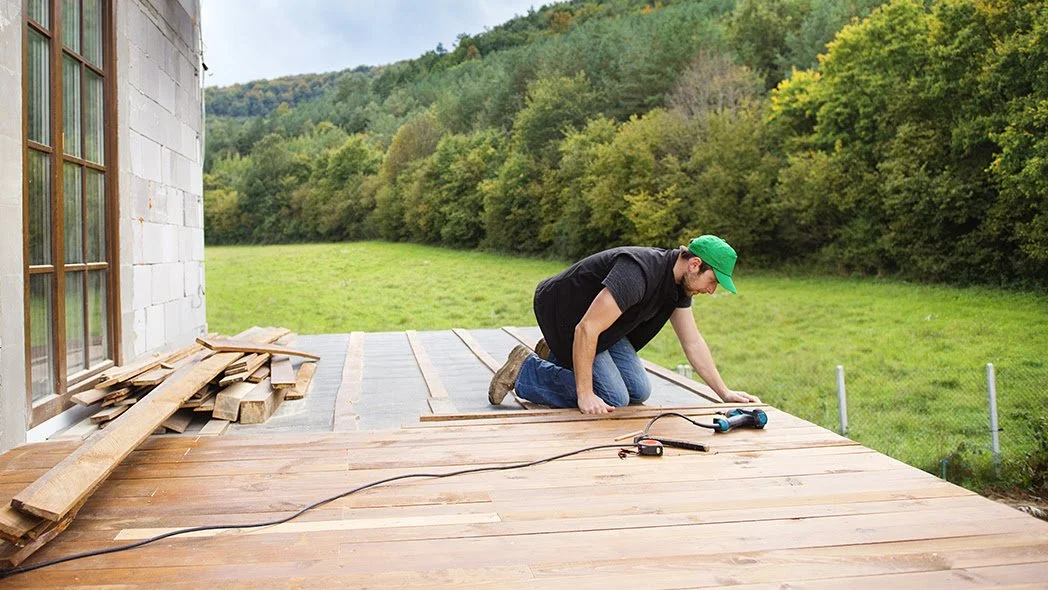
The review process starts when a property owner submits an application that covers the proposed work, and the ARB goes over it at a scheduled public meeting - open to anyone who wants to attend. The board then looks at how well the proposed changes fit in with the historic character of the area and votes to either approve the project, ask for revisions or deny it.
The COA process runs on its own schedule, and it's not going to wait around for your contractor to free up. Plan early - it's the most important step that you can take here, and it's also the most common mistake I see with this whole process. You absolutely don't want a crew standing by and ready to go as you're still waiting for a board meeting date.
Not every small project has to go through the full board review - and that's a relief. A handful of work types have a streamlined path to approval. The next section breaks down which ones qualify and what that process looks like.
Projects That Can Skip the Full Review
Not every renovation project has to go through a full ARB hearing - and for plenty of homeowners, it just won't. If the repair that you have in mind uses materials that already match what's on the house, it might qualify for staff-level approval instead - a whole different process that doesn't need a board meeting at all.
Staff-level approval goes straight through city staff - no public hearings, no board dates to have to wait on and a much quicker turnaround as a result. For a homeowner who just needs to replace a rotting window sill or patch a section of damaged siding, that one difference alone can shave weeks off your timeline before a single nail gets pulled. It's one of the most underused options out there, and most homeowners don't even think to ask for it.
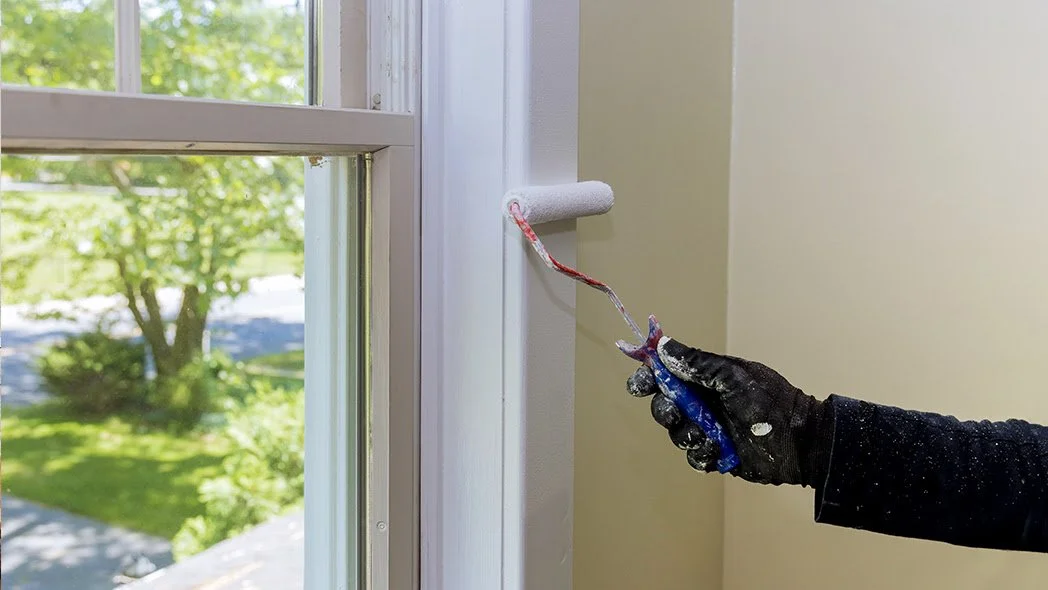
The two requirements for this path are fairly easy to meet - the work has to be pretty minor, and the replacement materials need to match what's already there. That second one is where plenty of projects get bumped into a full review instead of a quick approval. A slightly different color, sheen or texture is all it takes, and plenty of homeowners won't figure this out until they're already waiting on an answer. The closer your materials are to the originals, the better your odds of staying on the faster track.
A quick conversation with city staff early on can tell you quite a bit about which direction your project is likely to head. Most homeowners hold off because they think a long approval process is ahead of them, when the work they actually have planned might qualify for the easier path. Don't write off the quicker option - place at least one short phone call.
Materials That the ARB Will Reject
Material decisions are where most homeowners run into the most issues with the ARB, and this tends to be the most frustrating part of the process - I see it come up more than almost anything else. The board has a very strong preference for period-correct materials, and this preference is behind nearly every call that they make.
Vinyl siding is one of the most rejected materials that an ARB reviews. Even when it looks convincing from a distance, most boards will pass on it and push for wood siding that actually matches what was on the home. Modern replacement windows run into the same problem - the frame profiles and the materials almost never match the era of the structure, which alone is usually enough to get them denied.
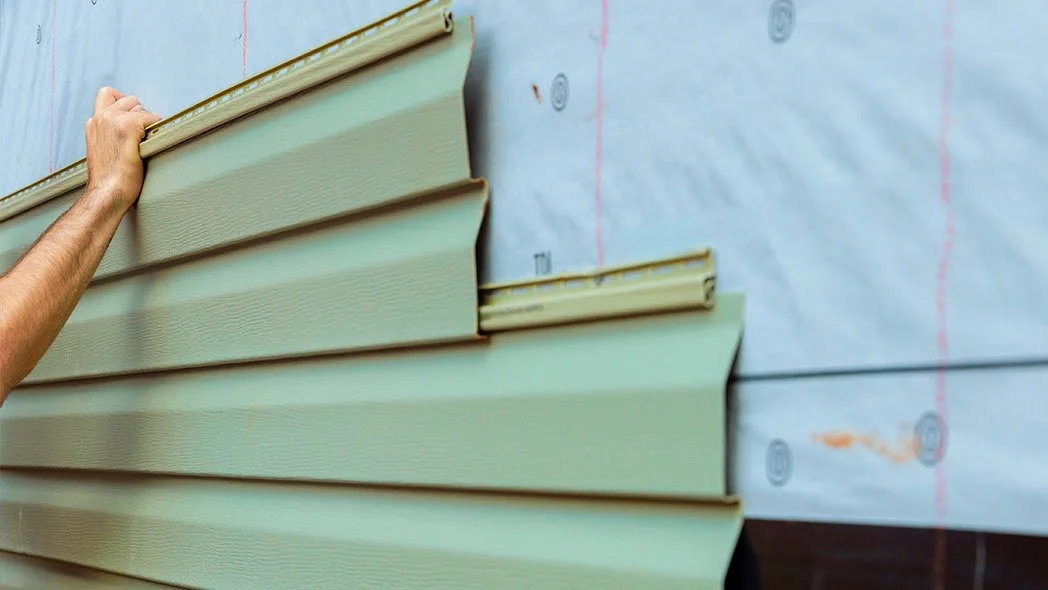
The board's reasoning does make sense - even if it won't make the budget math any easier. Its job is to preserve the character of historic neighborhoods, which means the materials need to stay as close to the original construction as is possible. They see it as a way to protect what gives these areas their value. None of that changes your costs or speeds up your timeline. The ARB holds that line even when the alternatives do the job, are easy to find and are already used freely everywhere else in the city - it's just why the process can seem so frustrating when you're the one writing the checks.
A little research into period-correct materials before you submit your application can save you unnecessary back and forth with the board.
Save Money With a Pre-Application Meeting
A full set of architectural drawings from a licensed architect isn't a small expense - and one of the more painful parts of this whole process is that most homeowners pay for them before the ARB has even seen the concept. The review board can still come back with big changes or reject the design outright, which makes that early cost a whole lot harder to stomach.
A quick meeting with the board before the design phase can tell you quite a bit about where your vision actually lands with them. It won't guarantee approval (and nothing will at that stage), but at the very least, it gives you a much better read on which direction to go before any money gets spent.

The Charlottesville review board holds specific expectations pretty tight, and standard architectural experience doesn't always cover them. A genuine feel for them before anyone sits down at the drafting table goes a long way toward protecting your investment - and in my experience, it also tends to hold the whole project to a far more predictable timeline. The preliminary consultation is also a great opportunity to bring more than one concept with you and to see what gets the most interest from the group. A couple of loose ideas (as opposed to one polished final plan) will leave your options open and usually make for a far more productive conversation with the board.
What Can Go Wrong Without ARB Approval
If there's one mistake that tends to cost homeowners in regulated districts money, it's moving forward on a project without ARB approval first. The ARB holds full authority to issue stop-work orders, and those orders can halt a project at any point in the process - yes, right in the middle of construction.
That alone is worth paying close attention to. But it's only the start of it.
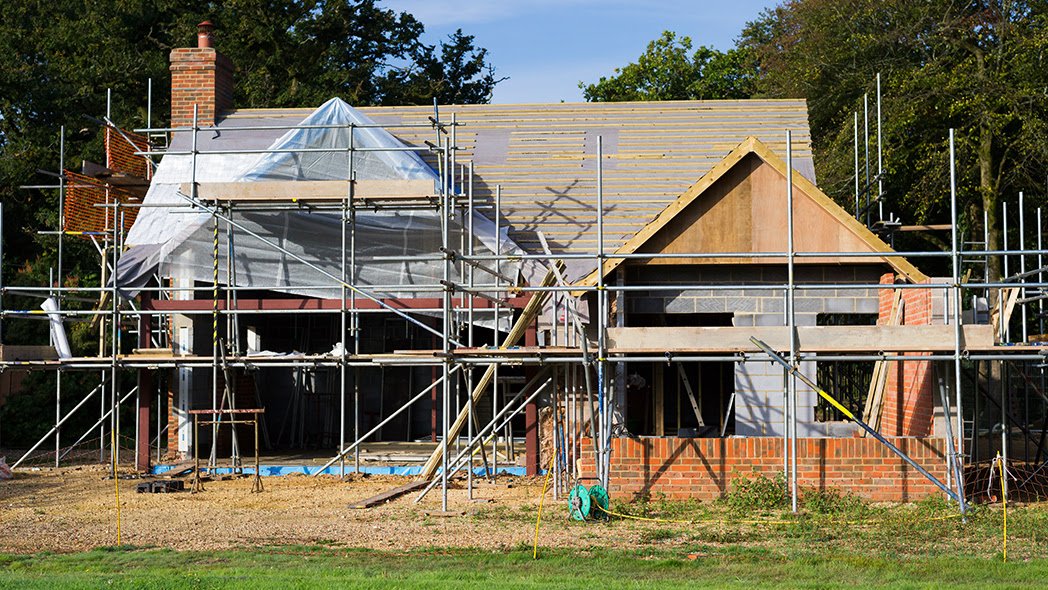
At a minimum, you could be ordered to rip out your finished work, put back whatever was there and cover the entire cost out of your own pocket. Every hour and every dollar that you put into it until that point would just be wasted.
Plenty of homeowners figure they can get the work done first and sort out the paperwork later - on the assumption that it's easier to ask for forgiveness than permission. It's an understandable way to look at it. But the ARB doesn't actually work that way. Retroactive approval isn't a reliable backup plan, and there's no guarantee that the finished work will pass their review after the fact.
Unapproved changes can also cause problems that tend to surface at the time of sale. A buyer's attorney or a home inspector will usually flag any unpermitted work, and once it reaches that stage, it's much messier to sort out.
The whole point of the ARB process is to protect what makes Charlottesville's historic districts worth preserving, and the board takes that responsibility very seriously. The most reliable way to come out with a finished project that gets to stay is to work with that process - not against it.
Moving to Charlottesville?
A quick call to Neighborhood Development Services is free, and it can save you from a situation that's a whole lot harder to walk back after the fact. A small amount of due diligence up front (and I'm talking very little) puts you in a much better position to make decisions with confidence and to stay away from those expensive delays that pile up at the worst time.
Here's one more example worth knowing about - in a historic district, exterior changes are going to need approval before any work can start. In most cases, the process is pretty easy. But if you don't have that information ahead of time, progress can slow down quite a bit. A five-minute conversation up front can answer the questions before they become actual problems.

Whether you're pulled toward a historic district full of character and personality or somewhere a bit newer where design oversight isn't part of the deal, where you buy matters just as much as what you plan for with the place once it's yours. Your long-term plans deserve a home that's actually built around them - and the right match hardly ever just falls into place on its own.
That's where we come in. At The Justin Landis Group, we work with buyers every day who have plans for their next home, and we know how to match those goals to the right neighborhood and property. We help you figure out what questions to ask, who to talk to and what to look for. Reach out, and we'll help you find the right fit.