
How to Buy Wine Country Property Near Charlottesville
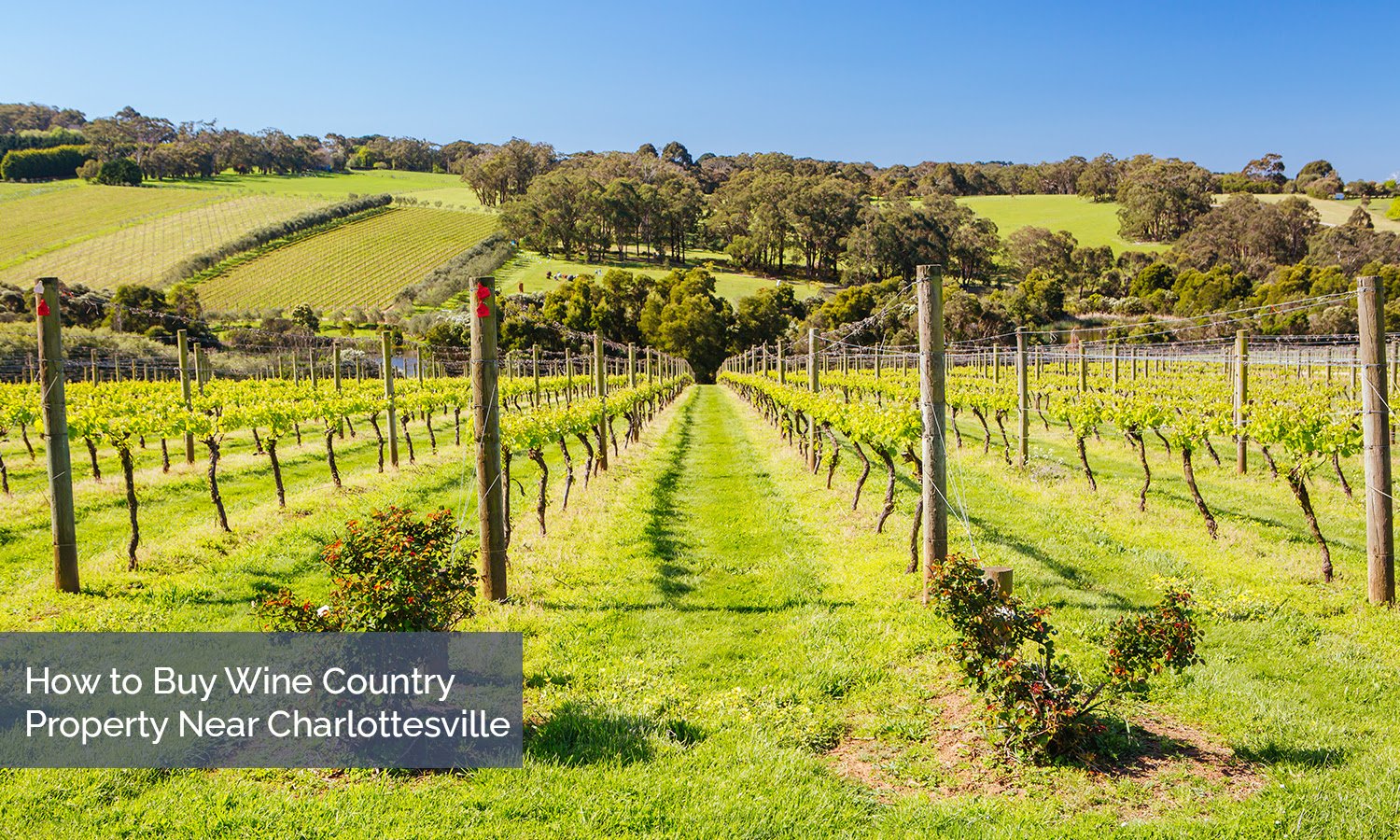
Not many real estate decisions carry quite as much weight as buying rural acreage near Charlottesville with plans to grow grapes or run a winery. The Monticello AVA has earned a national reputation for world-class wine production, and with that comes opportunity - along with a lot of moving parts. Buyers come in with a strong vision of what they want, and they pretty soon find that the path to ownership is far more layered than a standard home sale.
The region attracts first-time agricultural buyers and experienced investors. Each group ends up facing the same challenges. Zoning codes that aren't always well-documented, loan structures that work very differently from residential mortgages, soil assessments that need specialist eyes and land preservation tax programs that need early action if you want to get the most out of them - these are the details that end up driving the process, regardless of experience level. A parcel that looks perfect on a listing sheet can quietly have costs in site preparation, permitting or varietal incompatibility that won't come up until much later in the process. Missing any one of them at the contract stage turns into a very expensive lesson - one that costs far more than the right help from the start would have.
The Charlottesville wine corridor has a way of rewarding buyers who treat this as what it is - an agricultural business acquisition. The right team needs to be assembled well before any offer goes in, instead of after the fact, and you'll have to look through the county ordinances before you get emotionally attached to a property. From what I've seen, the buyers who succeed are the ones who treat every step of the process with the same level of care as the investment itself.
Why Charlottesville Is a Strong Wine Region
That recognition matters, and it's worth knowing why. Wines like Viognier, Cabernet Franc and Chardonnay have legitimately taken root in this part of Virginia - largely because the climate here has quite a bit in common with Bordeaux, France. Not every wine region can make that comparison with a straight face. But this region can.
With that said, an AVA designation is the starting point. The hills, the elevation, the way cold air rolls down through a valley on a spring night - it can vary quite a bit from one parcel to the next (even within the same county). A property that's just a few miles away from a thriving vineyard can have a very different set of growing conditions and a very different sense of what will do well there.
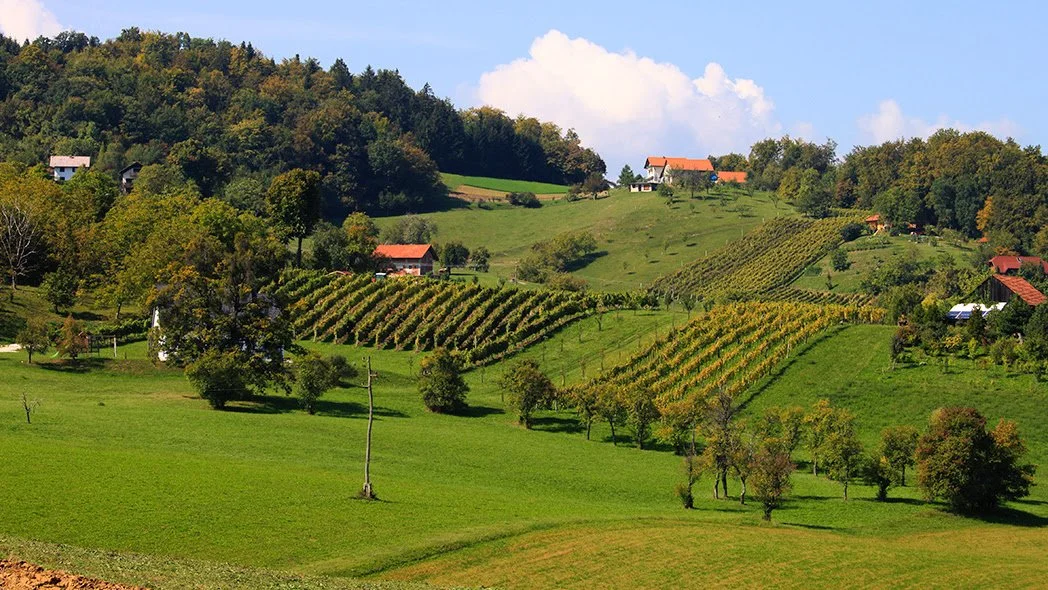
It's worth slowing down here before falling in love with a plot of land. The view pulls in, the farmhouse seals the deal, and somewhere in all that excitement, the microclimate question gets buried. The slope orientation, how the soil drains after a hard rain and the frost patterns on a given patch of ground - those are what actually determine whether your grapes do well or just barely survive.
Two adjacent properties with nearly identical acreage and elevation can produce dramatically different results the minute a vine goes in the ground. The variables that drive this (which way a slope faces, air drainage and soil composition) don't usually show up in a property listing. A site evaluation from somebody who has genuine vineyard knowledge is usually worth the cost, and in my experience, it's one of the better investments that you can make at that stage.
The Real Cost of Vineyard Land
Land prices across Albemarle, Nelson and Greene counties can run anywhere from around $10,000 to well over $30,000 per acre - and with that spread, it pays to know what's driving those numbers before any cash goes out.
A bit of that price variance does come down to what the land itself has to give you. Parcels with road access, manageable topography and soil that already works for a vineyard will usually land at the higher end of that range. Land missing a few of those will usually be priced lower. A lower number on the listing doesn't automatically make it the better investment.
That's where buyers run into problems. A parcel listed at $12,000 an acre can look like a deal on paper, and in some cases, it legitimately is. Raw or undeveloped land can carry some pretty steep prep costs on top of the land price. Road work, drainage systems and site grading can each run well into the tens of thousands of dollars - and that's all before a single vine ever goes in the ground.
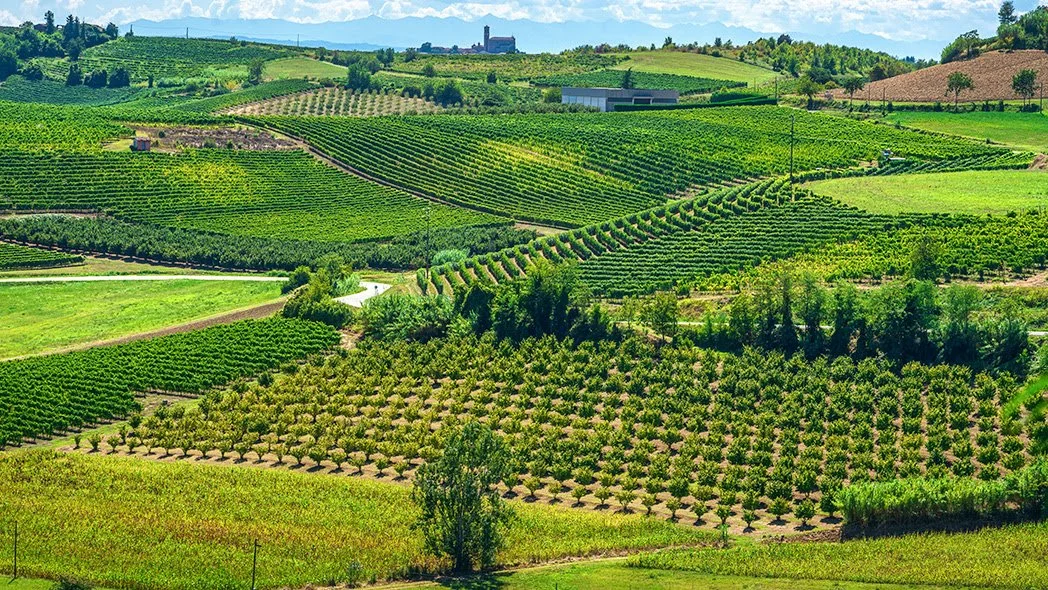
None of this has to feel as stressful as it probably looks on paper. A basic budget just has to go a little bit deeper than the listing price (that number is a starting point and not the full story). What you actually want to account for is everything it'll take to get that land to a point where it can produce. Look at parcels with that in mind, and the comparisons get more grounded - and worth the effort.
One of the first steps to take early on is a land assessment. An assessment will spell out the prep costs for a given parcel so you're not left to guess at numbers after the fact. Buyers who do this early usually have a much stronger hand at the negotiating table - or they at least know sooner when it's time to walk away.
The Best Soil and Slope for Your Vines
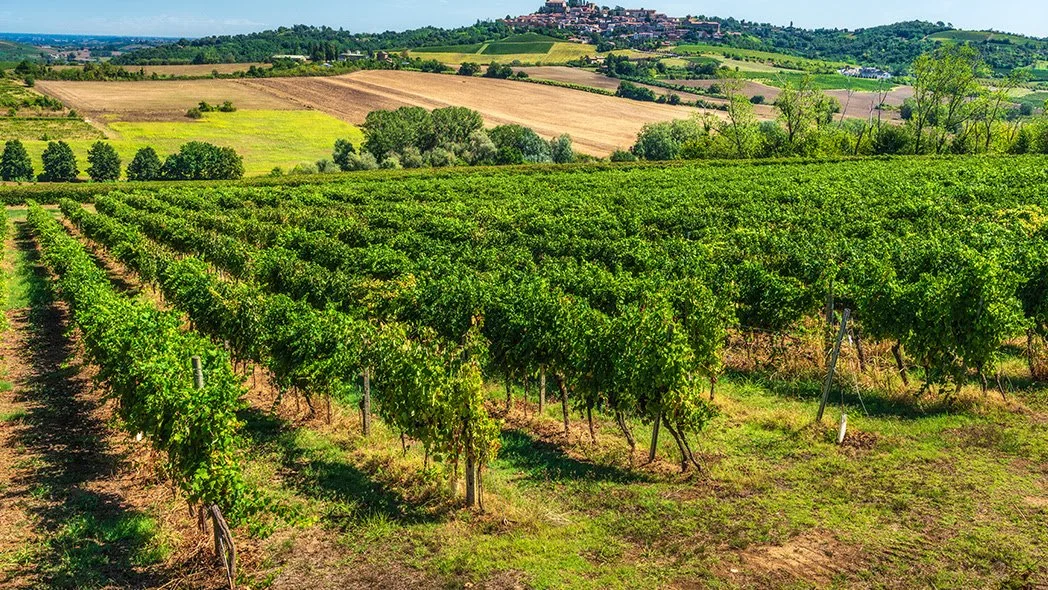
Of the variables that go into growing great wine grapes, soil is probably the one that matters most. For this region, a clay-loam with drainage is the best foundation - when vines sit in waterlogged ground, the fruit tends to come out weak and diluted. A little stress is healthy for a vine. When the roots have to dig and search for water instead of finding it right at the surface, the vine responds with more concentrated and flavorful fruit.
Slope and sun exposure matter just as much as the soil itself. A hillside that faces south or southeast gets quite a bit more direct sunlight throughout the growing season - the extra light is what pushes grapes toward full ripeness before the first frost arrives. Varieties like Petit Verdot and Viognier (which do especially well in the Charlottesville area) do need that added warmth to develop their best flavors.
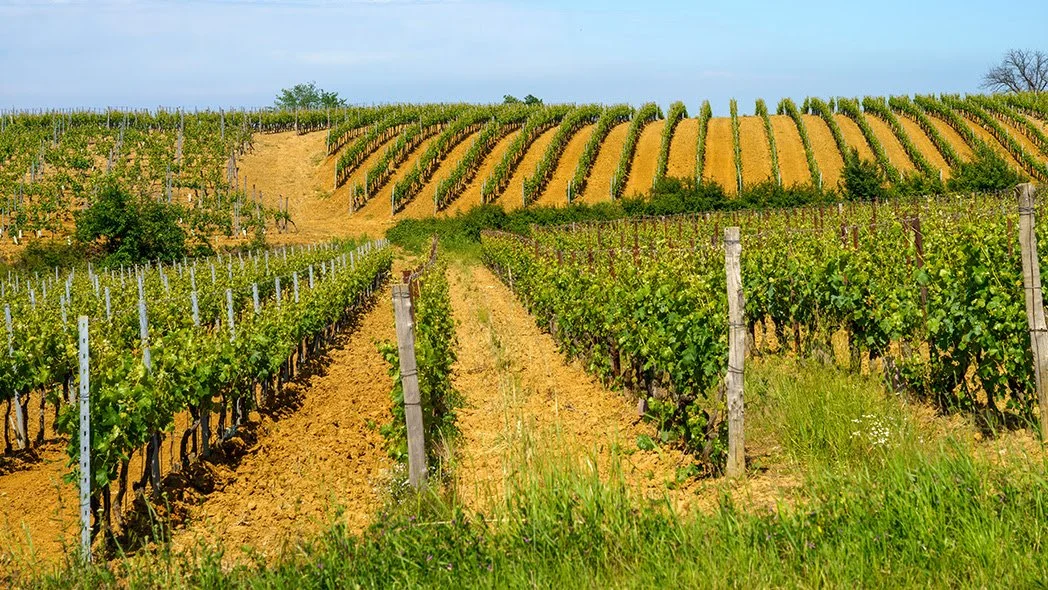
For a vineyard, a beautiful flat field with rich soil is usually more of a liability than an asset. Flat ground holds onto cold air and moisture, and those conditions are practically an open invitation to disease and frost damage. A gentle hillside will outperform it season after season - and it does pretty reliably.
A stretch of land that drains fast after a rain, with a slope that faces the morning sun - those are two of the better details to look for when you're out walking a possible vineyard site. A local viticulture consultant can read the land with more accuracy. At least one conversation with a person who actually knows the region well is worth your time. Your own read on a hillside walk is still a pretty decent place to start from, though.
Farm Tax Breaks That Save You Thousands
Virginia has a program called the Land Use Assessment Program, and it's one of the more worthwhile tax tools available to agricultural landowners in the state. Your land gets taxed based on its use value instead of its market value - and those two numbers are almost never close. For wine country properties, especially, the difference between what your land is worth on paper and what you're actually taxed on can come to quite a bit.
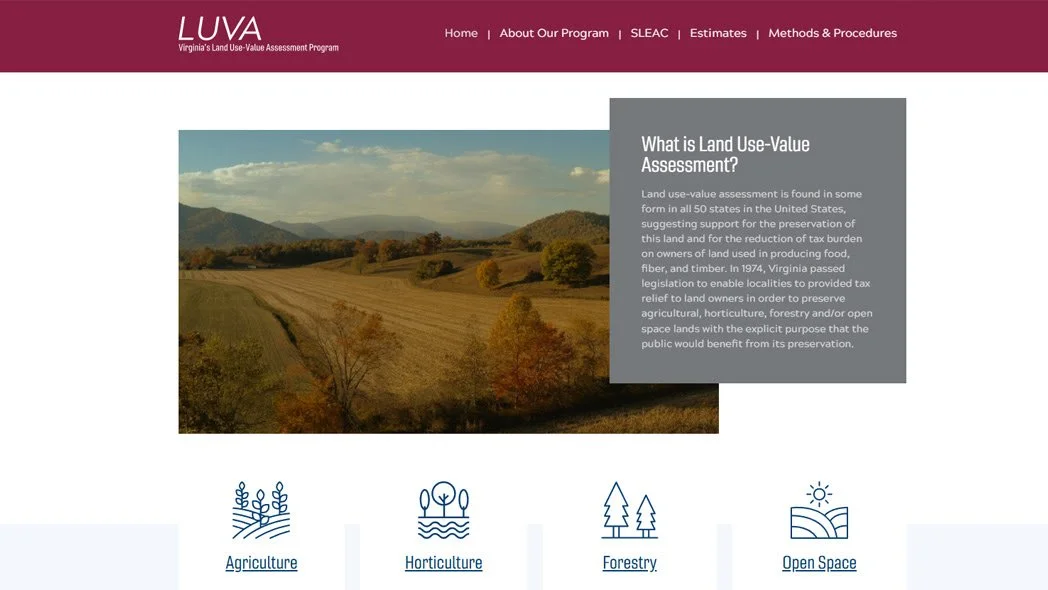
The word that matters here is "actively." The land has to work as a farm or agricultural operation to qualify, and the state sets minimum thresholds for the acreage and for the income that comes off the land. No rural property automatically qualifies for this benefit. That's not how it works at all.
The application process is another area to get ahead of early. Virginia ties land use applications to local deadlines, and those deadlines won't wait for you to close on a property or get settled in. Missing the filing window during the year that you buy could leave you waiting a full year before you're even eligible to apply. A full year of market-rate taxes on land that's meant to be a working agricultural operation adds up very fast.
This particular program is worth close attention for first-time buyers with no background in agriculture. The tax savings can be large enough to change whether a deal even makes financial sense. A local real estate attorney or your county's commissioner of revenue can talk about the exact qualification timeline for wherever you're buying - and I'd have that conversation well before you go under contract.
Land Use Rules You Need to Know
Zoning is one area where buyers run into issues, and it deserves a close look. Albemarle, Nelson and Greene counties all have their own set of ordinances, and what you build or run on a given part of land will depend quite a bit on where that land sits.
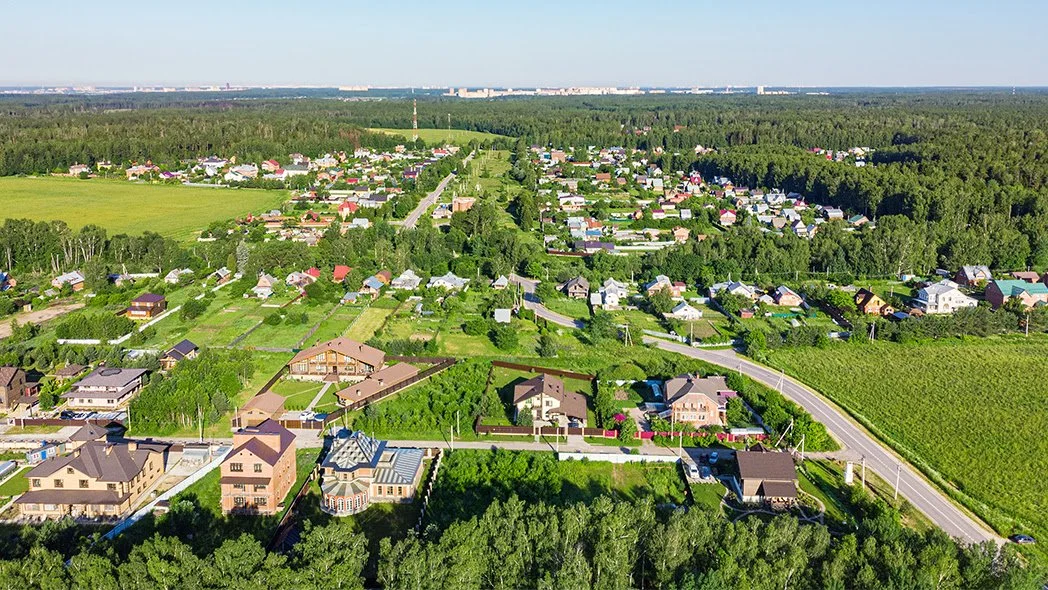
Before anything else, get a sense of what you want to do with the property. A private estate with a small personal vineyard will have far less to deal with than a commercial winery that's open to the public - and once you get into the details, that difference can become significant.
A tasting room or event venue can add quite a bit to a property. But you'll probably need a use permit on top of your standard agricultural zoning. Not every parcel deals with this the same way - some will allow it without any extra steps, and others will put you through a separate approval process that can take a few months. Setbacks are another layer to work through - production buildings and event spaces usually need to be kept at a set distance from your property lines and roads.
A single missed ordinance can be enough to undo a business plan that you've spent months on. The land might check every box on your list, but still have restrictions that would keep you from building the winery facility that you actually need. Before you get too attached to any particular parcel, it's worth looking at the zoning records first.
Nelson County has long been one of the more winery-friendly jurisdictions in Virginia - it's a big part of why Route 151 ended up with such a dense concentration of them. Even with that reputation, the local laws around commercial events and retail sales still involve quite a few variables - and they take quite a bit to sort through. Albemarle and Greene work under their own separate frameworks, and what's allowed in one county won't necessarily apply in the next one.
Build the Right Team Before You Buy
Wine country property plays by its own laws, and most of them don't have much overlap with buying a home. The land is the product itself and the house, the barn, the fencing - they're all secondary to what's in the ground beneath it. The question is whether the soil produces quality grapes - it's not something that just any agent is equipped to size up.
A general agent is great for the transaction side of a purchase. But their expertise doesn't quite cover the vineyard evaluation. A viticulture consultant fills in that gap - and it's well worth it to have one on your team from the start. These specialists take a hard look at the soil composition, slope, drainage patterns and sun exposure to give you an honest read on what the land can realistically support. It's the analysis that actually tells you if a parcel has genuine vineyard value or just a pretty view.

Soil and drainage assessments are one of the areas where buyers have come to regret a shortcut. Bad drainage alone can make a patch of land nearly impossible to farm well - and a standard home inspection won't catch it. A drainage problem that turns up after closing is one of the more expensive lessons a land buyer can learn.
On top of the viticulture evaluation, an environmental surveyor is also worth adding to your team. Their job is to flag land use restrictions, protected areas and any other limitations that could affect what you can do with the property. An agricultural attorney rounds out the group and works with the legal pieces - water rights, any farming laws, and any easements already attached to the land.
How a Vineyard Purchase Really Works
Vineyard financing works very differently from a standard home loan. Plenty of conventional lenders aren't built to look at agricultural land, and many of them will decline these applications outright - or come back with terms that don't come close to what the property is actually worth.
Agricultural lenders (and programs like the USDA Farm Service Agency in particular) were built for situations like this. The FSA has loan programs designed specifically around farm and vineyard purchases, and their lenders know how to look at land that can produce genuine agricultural revenue. A quick conversation with an FSA-approved lender early in the process (before you get too attached to a property) is well worth your time.
The timeline and the down payment also look quite a bit different with agricultural loans. Most lenders want anywhere from 25% to 30% down, and the approval process tends to run considerably longer than a standard residential mortgage. Plan for that extra time from day one - a delayed approval can push your closing date back.
The financial gap is also something that you should map out before you get too far into this. From the day you close to the day your vineyard starts to bring in revenue, that could span multiple years - and the gap has to be funded somehow. There's no wrong answer as to how you'll cover operating costs and carry the property through that stretch - but you do need to have one in place to move forward. An agricultural lender will talk about that timeline with you in full detail, and an experienced advisory team should do the same. Those conversations are well worth a place on your calendar early on.
Moving to Charlottesville?
Wine country property near Charlottesville is the market that pays off for buyers who do their homework. The region has genuine depth (the wineries, the scenery, the whole culture around it), and the investment opportunity is equally real - it does take a fair amount of due diligence, though.
The buyers who feel best about a land buy are usually the ones who pumped the brakes early - asked the hard questions before they got emotionally attached to a property and assembled their team well before any offers were made. That patience takes most of the stress and uncertainty out of the whole process.
Few investments feel as satisfying as a stake in a wine region that's still on the rise nationally. The Charlottesville corridor has the land, the climate and the community to support it - if you're attracted to a private estate, a working vineyard or something in between. What it does ask of you is that you know what you're buying ahead of time. It all starts with the right questions and the right team in your corner.
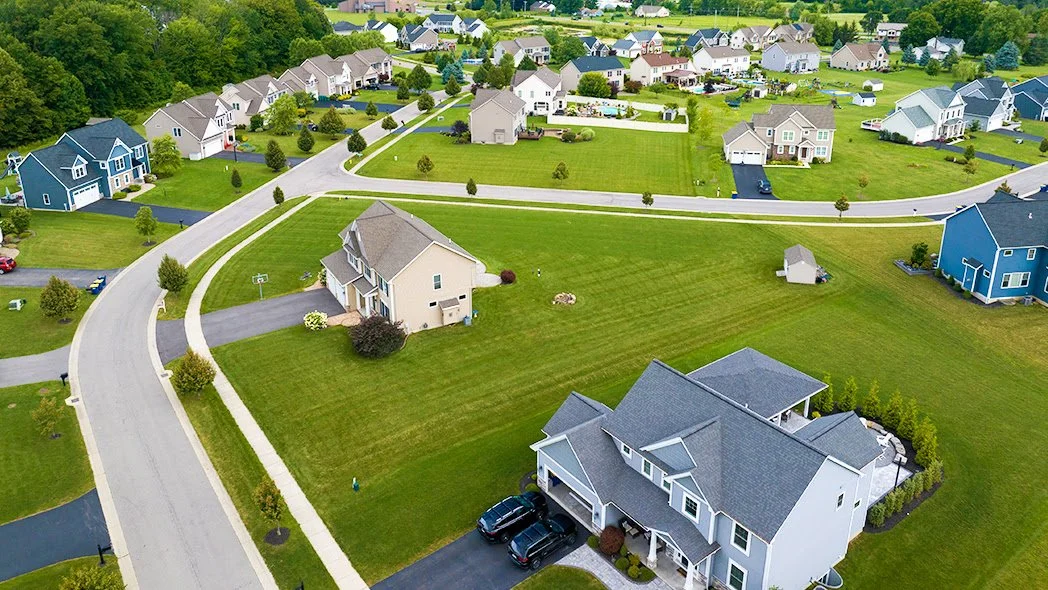
Local expertise carries real weight in this market. Soil composition, water rights, agricultural zoning, vineyard infrastructure - none of these are details that a standard property search will surface on its own. An experienced guide who actually knows this land and how deals like this usually come together can be the difference between a property that works for you and one that quietly frustrates you.
At the Justin Landis Group, we work with buyers all across the Charlottesville wine country corridor, and we'd love to find the right fit with you. Drop us a line whenever you're ready, and we can take that next step together.