
How to Buy Charlottesville Wine Country Properties
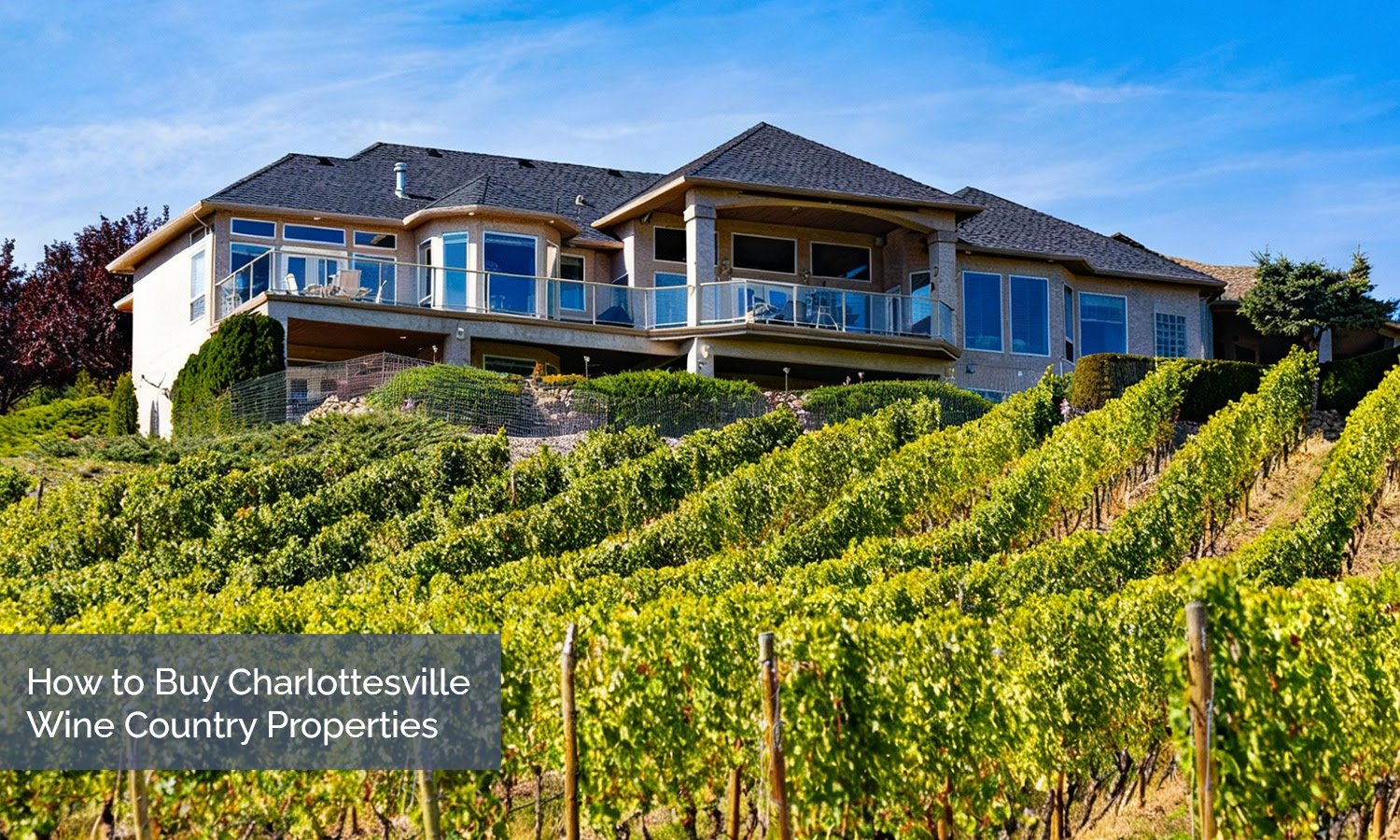
Charlottesville's wine country isn't the same place it was just a few years ago. Property values have shot up by 20% to 30% since 2020, and the Monticello AVA recently took home Wine Enthusiast's 2023 Wine Region of the Year award. A lot of investors dream about owning their own vineyard in this beautiful part of Virginia, but the financial reality can be pretty intense when you start to look at the numbers. Raw land inside Albemarle County now sells for around $45,000 per acre. An established winery that's already up and running will cost you anywhere from $900,000 to $20 million.
You're also buying the federal recognition and the ability to put that prestigious designation right on your wine labels. Land with similar soil quality outside the boundaries costs way less money, sometimes just a fraction of the price. A turnkey winery lets you start making money from your tasting room almost right away. Raw land is a different story, though. You get to choose which grape varietals to plant and how to develop your vineyard, but first, you'll need to invest $25,000 to $35,000 per acre for vineyard development. Then you wait - your first harvest won't come for at least 4 years.
Albemarle County requires a minimum lot size of 21 acres, but that's just the beginning of what you need to know. Farm wineries that were established after 2015 have to dedicate at least 5 acres to grape production if they want the right to host events on their property. Conservation easements can become another big consideration because they usually limit the type of commercial development that you might need for your business plan to actually work. Highway 151 and the Monticello Wine Trail are where most of the tourist traffic flows through the region. These roads can make the difference between a tasting room that thrives and one that barely stays afloat. Proximity alone isn't enough to guarantee that visitors will find you, though.
Let's talk about how to find your perfect property in Charlottesville's beautiful wine country!
The Monticello AVA Price Premium
The price difference between properties inside and outside the Monticello AVA is pretty dramatic when you start shopping around. A beautiful parcel of land might cost $10,000 an acre if it sits just outside the boundary line. The exact same type of property on the inside of that AVA line could run $25,000 or more per acre. It's a big increase in price, and there's actually a very good reason for it.
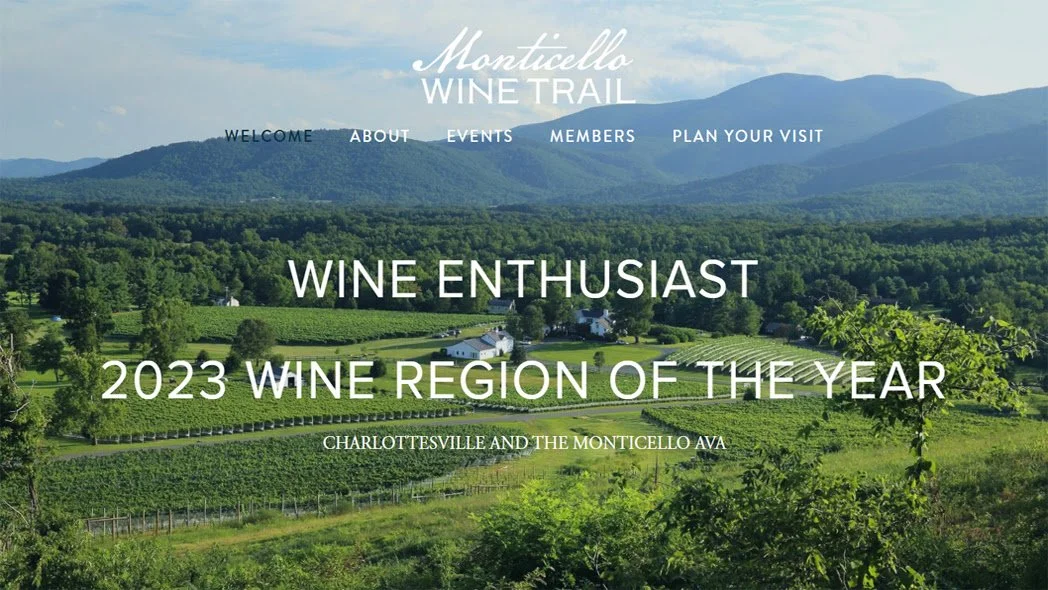
The Monticello AVA has been federally recognized since 1984, and the boundaries were expanded again in 2011. Any wines that get made from grapes that are grown inside this area can legally carry the Monticello name on their labels. That designation is a stamp that tells customers these grapes are grown in the exact same region where Thomas Jefferson first started experimenting with Virginia wine production.
Wine buyers usually gravitate toward regional names that they already know and trust. Put Monticello on a wine label, and you can charge more for that bottle because customers also associate that area with quality and historical importance. The properties near Jefferson's estate benefit from an automatic connection to America's earliest experiments with wine in this country.
The AVA designation takes care of the storytelling and context. Properties that sit outside the boundary could have the same soil and the exact same weather patterns throughout the year. The problem is that they just can't put that valuable Monticello name anywhere on their bottles.
Some parcels actually sit right on the edge of the AVA boundary line, and these properties can be worth looking at when you know what you're getting into. The most important step is to check where those boundary lines fall before making any bids on a property.
Your Choice Between Vineyards and Raw Land
Buying one of these places means you walk in and everything is already up and running. The vines are mature and making fruit, and the cash flow from wine sales starts from day one.
Raw land has a different appeal, though. The price tag looks a lot better, and you get to build just what you want from scratch. The catch is that vineyard development actually costs between $25,000 and $35,000 per acre. Most buyers underestimate this expense.
And then you have to wait. New vines need at least three to four years before they can produce a decent harvest. During that whole time, you'll still be paying for maintenance and labor, but you won't have any wine to sell yet. Your bank account has to be able to cover a few years of the costs with zero income from the vineyard.
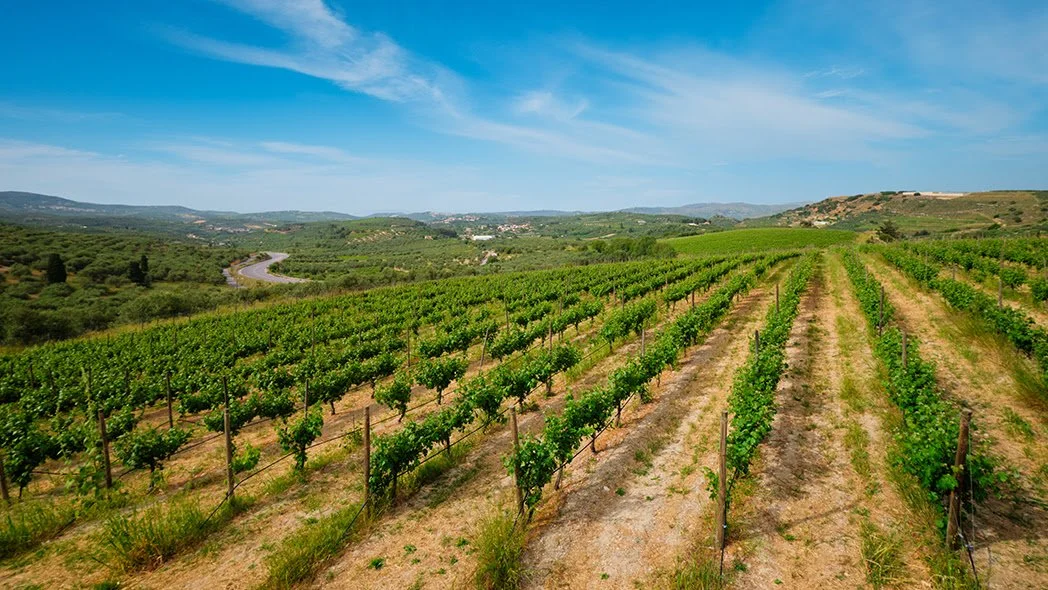
Some of the best vineyard properties along Carter Mountain actually started out as bare hillsides. The owners took years to turn them into premier wine-making estates. Other buyers purchased existing operations and then just refined and improved what was already in place. Both strategies lead to spectacular results when done right.
The emotional side of buying a vineyard is big, and I see it play out differently with every transaction. Some buyers fall in love with the romance of old vines that have been making fruit for decades. These buyers want to inherit that history and become the next chapter in an established story. Other buyers have a different mindset, though. They need a blank canvas to build their own legacy from the ground up. No amount of proven success will convince them to work with vines that somebody else planted and trained. Both ways are valid, but they create very different property searches.
When you're looking at an established vineyard, you need to think about what you're buying for your money. The age and health of the vines should be examined very closely by an expert who knows what to look for. Also, make sure that the grape varieties that are currently planted are actually the ones you want for the wines you want to produce. Any old equipment on the property might need expensive replacement sooner than you'd like.
Zoning Rules for Your Farm Winery
Virginia has some pretty strict regulations for farm wineries and the operators who run them. Anyone interested in buying property for a winery needs to get familiar with these requirements first. Otherwise, you could get stuck with land that doesn't qualify for what you want.
Farm wineries in the state need to check a few boxes before they can run legally. There's a minimum acreage requirement, and you have to grow a set amount of grapes each year, too. These numbers can change based on where you are. Albemarle County wants you to have at least 5 acres of land. Drive over to the next county, and suddenly you need 10 acres just to get started. The best way to know what you need is to call up your local agricultural office and ask them about the property you're interested in. They'll have the information on file.
Albemarle County has a few different agricultural zones, and the requirements for wineries change quite a bit based on which zone you're in. Wanting to host weddings all summer long means that you need to find the right zone - some will let you go for it, and others won't allow even a single wedding on your property. The county went ahead and updated these policies back in 2019, and the changes have made a big difference for local wineries. The new regulations are far more generous than what we had before. Wineries can now schedule more events throughout the year and provide more activities for their guests. It's a smart idea because it gives vineyard owners multiple revenue streams instead of just wine sales alone.
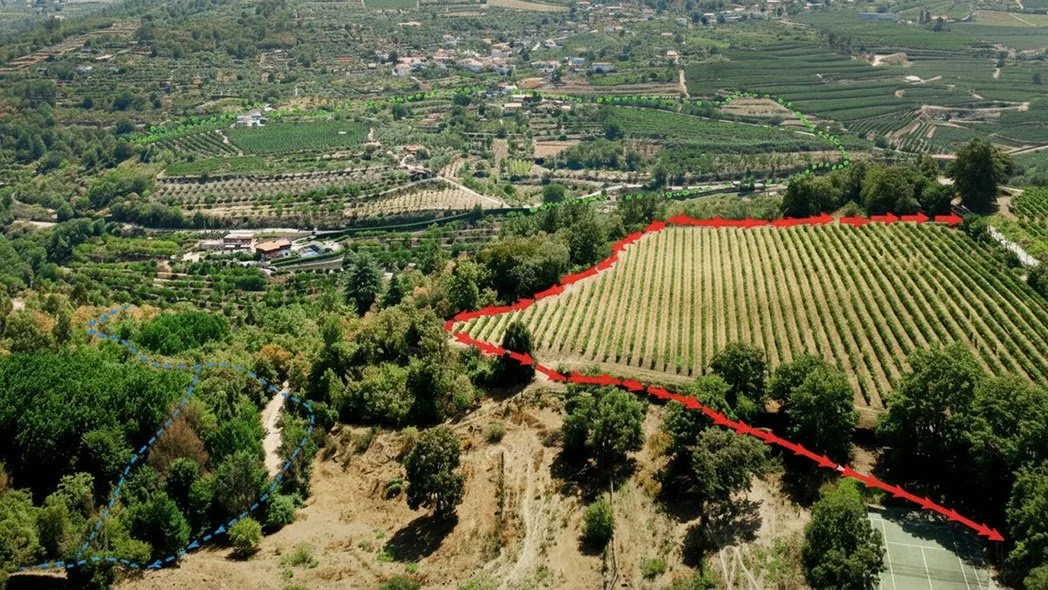
Water access can make or break a rural vineyard purchase. These properties almost never connect to city water lines. You have wells and ponds as your options, and that's about it for your water supply. For vineyard irrigation alone, this arrangement can work out okay. But when you add a tasting room into the mix, everything changes. A busy tasting room will pull much more water than just the vines ever will, and most wells can't deliver that volume day after day.
Some properties have permanent conservation easement restrictions that make commercial development impossible for what you want with the land. Sellers don't always bring this up in their listings or during early conversations, either. I always recommend that you check for any easements right as you get seriously interested in a property.
Properties that already have grandfathered uses can be absolute gold for buyers who know what to look for. The previous owner may have had permits for activities that zoning laws wouldn't allow anymore. It'll pass on to the new owner as long as you file the right paperwork and follow the right procedures during the sale. You'll also want to confirm these grandfathered rights before closing.
Popular Wine Corridors for Your Vineyard
Vineyard location is probably the single biggest choice you'll make, and I see buyers underestimate this all of the time. Your property has to draw visitors consistently if you want the business to actually generate decent revenue.
Properties within about 30 minutes of Charlottesville are worth more money, and it makes perfect sense. Tourists can get to these places without having to dedicate their whole day just to the drive there and back. The exact same logic works for the vineyards along Route 151 in Nelson County or Route 53 near the Monticello Wine Trail. These two roads have become big wine destinations now, and visitors actually plan whole weekend trips just to visit the wineries along them.

First-time buyers don't usually realize where the wineries actually make most of their money. The tasting room is where the revenue happens, and this usually beats traditional bottle sales by a pretty wide margin for smaller operations. The customers have to come through the door, try your wines, and have a great time. After they have a great experience with you, they'll buy bottles to take home and tell everyone they know about your vineyard.
The clustering effect near places like Blenheim Vineyards and Trump Winery creates something really beneficial. When multiple wineries are located close together, the whole area turns into a destination that draws bigger crowds, which benefits every business in the vicinity. The visitors plan to spend an entire day in the area and hit three or four different wineries. Everyone wins because visitors stay longer and spend a lot more money when they can also visit multiple venues without driving all over the county between stops.
Seasonal traffic patterns are going to make up a massive chunk of your annual business. Fall is when everybody and their cousin wants to come out and see the leaves turn colors and drink wine at the same time. The spring gets busy too because that's when the vines start to bloom, and visitors love to see that. Your parking lot has to be big enough for the usual traffic and tour buses if you want to capture that market. The road that goes to your property needs to be able to handle the extra cars without turning into a traffic jam. The hotels and bed-and-breakfasts need to be reasonably close by because visitors don't want to drive an hour back home after they've been wine tasting all afternoon!
The Full Cost of Your Vineyard
The sale price is only the start of your financial commitment. Most buyers have no idea how expensive the development gets, and by the time they figure it out, they scramble to find money for costs that they never saw coming.
A brand new vineyard is going to run you about $25,000 to $35,000 per acre before you're even able to think about making wine. Most of that money gets eaten up by the vines themselves, and then you need trellises for support and irrigation to maintain everything. Labor costs add up fast, too, since the planting has to be done right the first time. A tasting room is necessary if you want any foot traffic at your vineyard, and yes, the tasting room is its own massive expense that sits right on top of all your other startup costs.
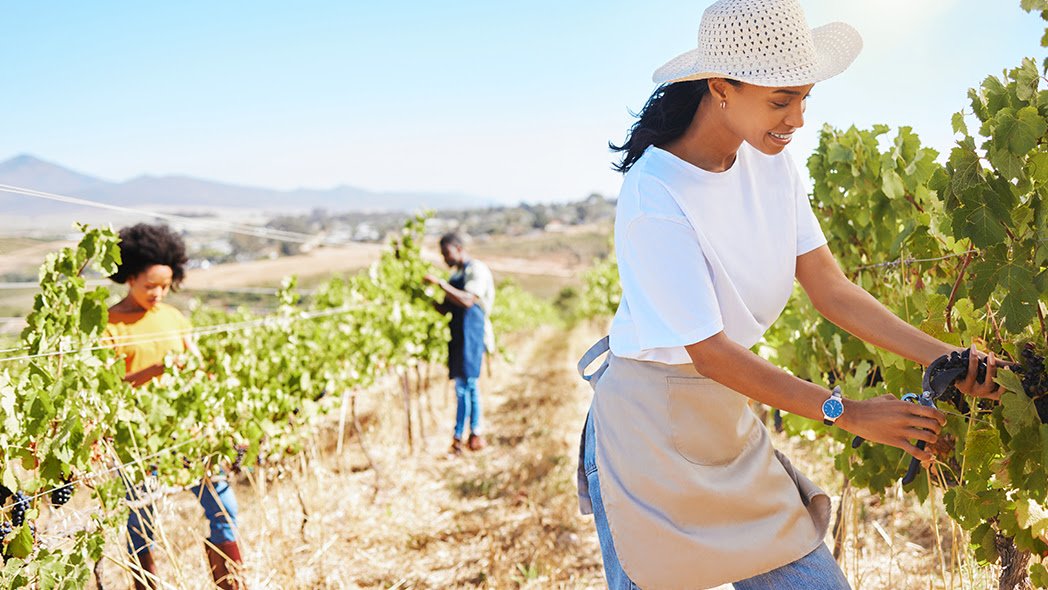
Equipment costs are overwhelming when you add them all up. You'll need tractors and sprayers and all kinds of harvest equipment just for vineyard maintenance. You'll also need fermentation tanks and barrels, and a bottling line if you're producing wine on site.
The timeline for profitability is where most new owners have a hard time with the reality. Your vineyard won't produce quality grapes for at least three years, and real revenue won't come for five to seven years. Some properties need a full decade before they actually become profitable. During this time, you're paying $3,000 to $5,000 per acre each year just to maintain the vines and keep them productive.
Virginia does offer some financial relief through Farm Credit programs and SBA agricultural loans that are specifically designed for vineyard operations. These programs let you spread out your initial investment over more manageable payment terms. Agricultural tax assessments are where you can save a lot of money, though, because they can cut your property tax bill by 70% to 90% when you qualify.
Leaseback arrangements with existing operators have actually become a smart option for a lot of new owners. You get a monthly income right away as the previous operator continues to run everything, and you also have time to learn how the business actually works without the pressure to jump in blind.
Moving to Charlottesville?
The dream of owning a vineyard property sits right at the intersection where romance meets reality. You've probably seen how many moving pieces go into buying a wine country estate, and each choice you make along the way actually shapes the property you'll eventually have. Yes, the premium for land inside the Monticello AVA can make your wallet hurt a little bit. It's worth it, though, because you're buying into the prestige and marketing power that comes with that particular label. The choice between an established vineyard and raw land changes your timeline and the amount of work you'll be doing in those first few years.
The zoning requirements and tourism access points we covered earlier reveal the amount of homework that goes into choosing the right property. Virginia's agricultural laws have their own little oddities and personality. Understanding them well will give you a smooth buying process instead of months of unexpected headaches. The financing piece matters more than almost anything else. The market has stayed competitive since that big surge in interest during and after COVID, and inventory is still pretty tight with prices that show just how desirable wine country living has become.
The wine community here makes every bit of effort worth it. More than 40 wineries already call this region home, and Thomas Jefferson recognized the grape-growing possibilities here over two centuries ago. You'll wait 3 or 4 years for that first harvest to come in. The investment has proven to offer both an excellent lifestyle and a strong business opportunity. Virginia's natural beauty also pairs very well with what Charlottesville has to offer culturally, and the wine community continues to grow stronger every year. All these elements combine to create something unique.
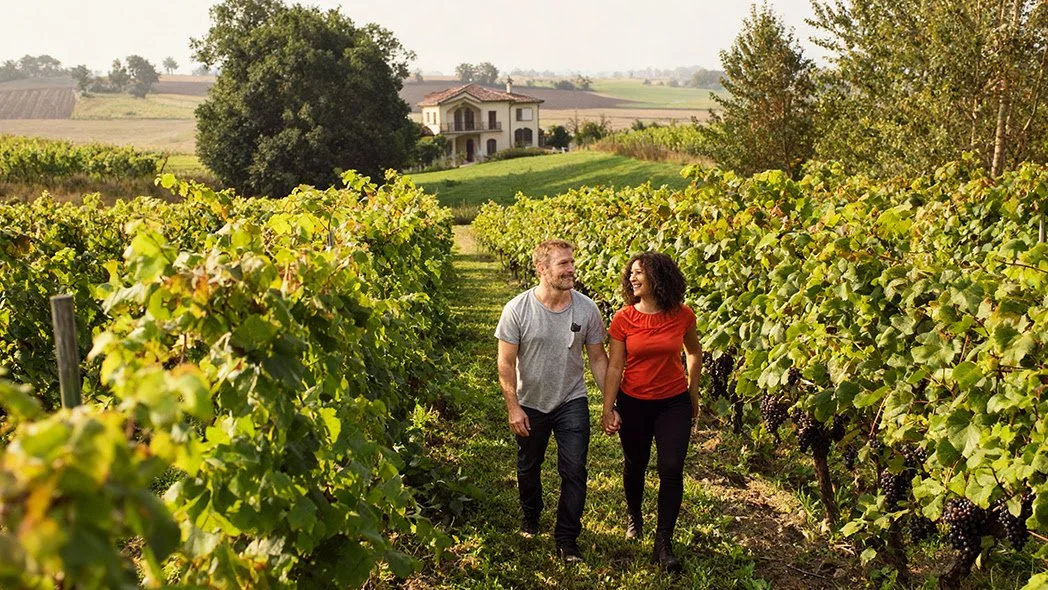
The Justin Landis Group helps buyers find properties that actually match what they're after in Virginia wine country. Some clients want a vineyard that's already making wine and ready to go. Others want raw land where they can build their own operation from the ground up. We've been in this market for years and know the ins and outs. Zoning laws can be confusing here, and you'll need the right contractors and vineyard managers on your side.
The Justin Landis Group can connect you with the best professionals in the business and can talk about the entire process. Give us a call and we'll help you find what you need!