
How to Buy a Vineyard Estate Near Charlottesville
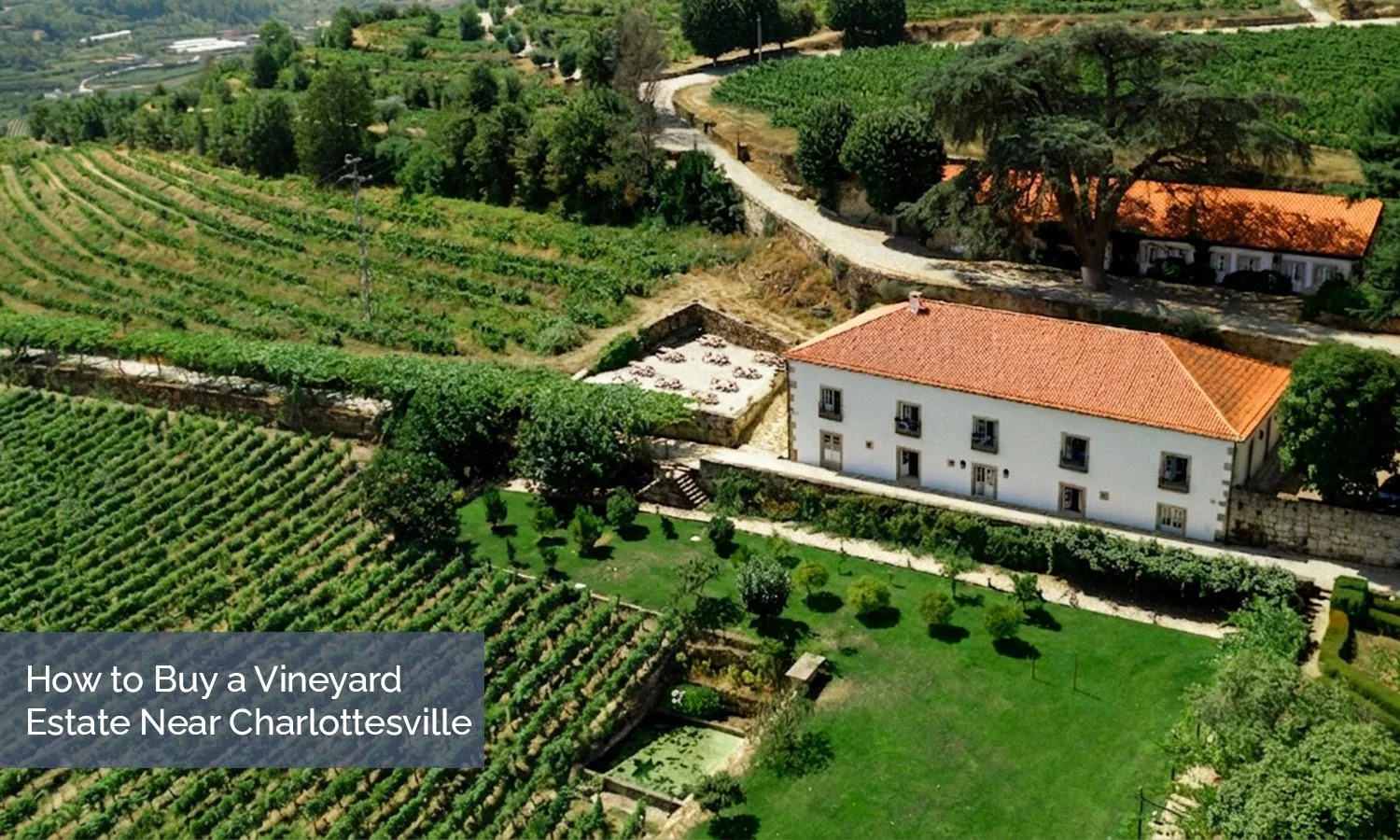
A vineyard estate near Charlottesville is about as personal as any property that you'll ever buy. The Blue Ridge views, the rows of maturing vines, the sense that the land itself gives something genuine back - it all carries an emotional weight that most properties just don't have. That pull is real, and it's a big part of what makes these estates worth pursuing - but it can also lead buyers to move way too fast on properties that deserve a more careful review.
Vineyard property doesn't work the same way as a standard home buy - not even close. Soil chemistry, vine age, water access, agricultural zoning and equipment condition all have a big say in what a property is actually worth, and not a single one of them ever shows up in a listing photo. Buyers who come into one of these purchases with a common residential mindset will walk away with a property full of expensive problems - the kind that cost far more to correct than they would have cost to head off.
Before anything gets put on paper, the land itself deserves a look - and a soil analysis is the best place to start. A soil report will tell you far more about a vineyard's long-term outlook than the listing price ever will, and the difference can matter quite a bit. Vine age is another big one to weigh. Mature vines take years to take hold, and the value they bring is something younger plantings just aren't going to have yet. Water rights and irrigation access help round out the picture, and each one deserves a careful review - above all in regions where seasonal conditions can swing quite a bit from one year to the next.
A strong acquisition team (one that covers agricultural and real estate expertise) is worth every penny at this stage. My advice would be to have them in place well ahead of any deadline, before the clock starts to push you toward rushed decisions.
The right buy takes some patience to get to - walk the land, look at the vines, bring the right experts in and let due diligence run its course before any pressure to commit starts to build. Patience at this stage is discipline.
What Sets the Monticello AVA Apart
The Monticello American Viticultural Area is one of the most respected wine regions on the entire East Coast - a stretch of Virginia wine country centered around Charlottesville, with a name that carries some genuine history behind it.
For the better part of three decades (the late 1700s into the early 1800s), Thomas Jefferson worked to grow European wine grapes at his Monticello estate, and he never quite managed to pull it off. His passion for Virginia wine left a mark on the region's identity, and this history is a big part of what makes the Monticello AVA label mean as much as it does.
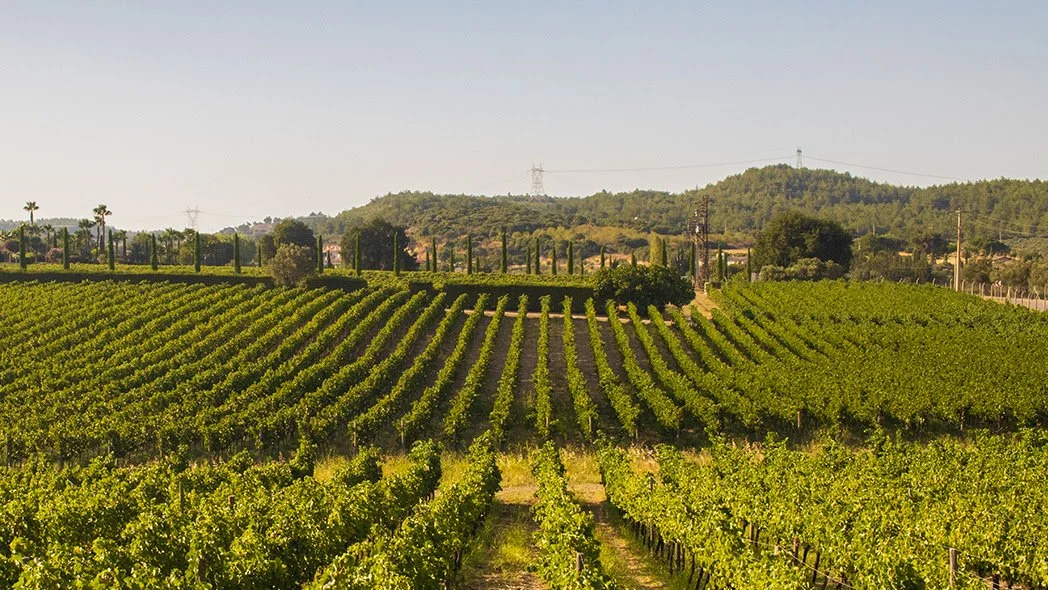
An AVA is a federally recognized label that tells wine buyers that the bottle actually came from a particular place on the map. A region can't just claim one - it has to prove that it has its own distinct geography, climate and soil before the federal government will officially approve it. The Monticello AVA went through that process in 1984, and it's been building ever since. With more than 40 wineries now within its boundaries, it's a region that has earned its place as a respected name in the wine world.
For anyone who is in the market for a vineyard property, this designation carries some actual weight. A parcel that falls inside the AVA is allowed to put the Monticello name on its wine labels. That alone tends to draw far more attention from dedicated wine buyers and collectors, and it also makes the property considerably easier to resell when the time comes. One point to keep in mind, though - not every parcel near Charlottesville sits within the AVA boundaries. The boundary lines are specific, and some of the surrounding land falls just outside them, which has a direct effect on what a future owner can and can't legally print on their labels.
The True Cost of a Vineyard Estate
Vineyard estate prices near Charlottesville run anywhere from around $1 million to well over $10 million - a pretty wide gap, and there are legitimate reasons why the numbers spread out that much.
Two properties can look nearly identical on paper and still carry very different price tags, and a big part of that difference can depend on what's already in place when you buy it. An established tasting room, a full equipment inventory and mature vines that are already in production - that can add real value over raw land that still needs years of development before it ever earns a dollar. Mountain views and road frontage will also drive prices up considerably in this area, and most buyers are more than willing to pay a premium for them.
You want to get a genuine feel for where the market actually stands right now. A local real estate agent with vineyard experience can talk about the comps and help explain why one property fetches a higher price than another.
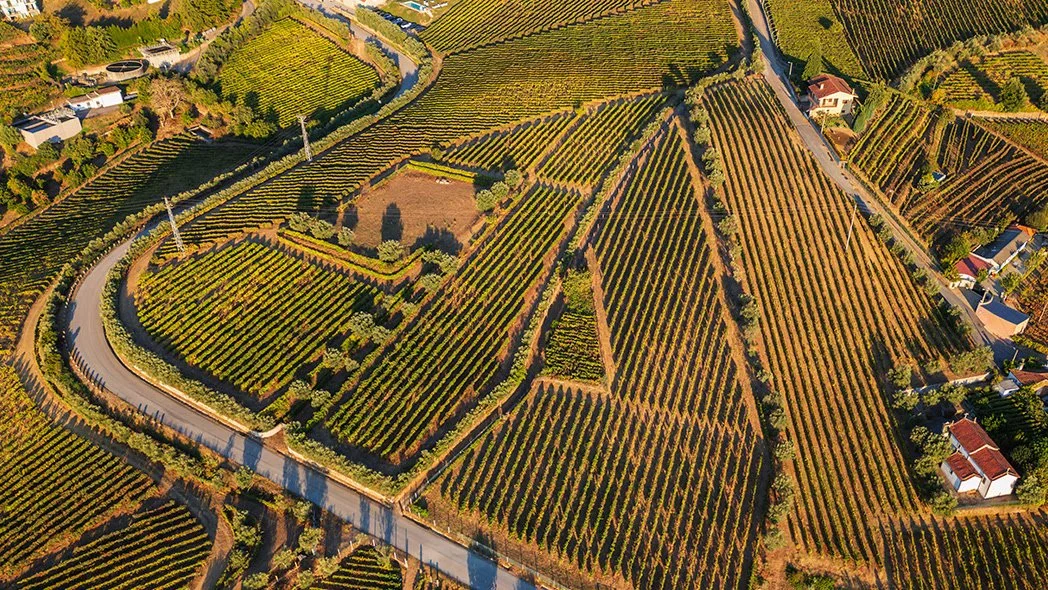
The price you pay is just the beginning - it's worth learning about before you get too deep into the process. Property taxes, irrigation, labor, insurance and general maintenance are all recurring costs that continue even after closing day. Plenty of buyers walk in with their eyes fixed on the listing price, only to get stretched thin by costs that they hadn't planned for. It's one of the most common financial miscalculations that I see, and it's also one of the more expensive ones.
Before you fall in love with a property, make sure those costs are already built into your budget. The land and the vines could be just what you've been after - it's the fun part. A vineyard estate is a long-term financial commitment, though, and the price you pay is only the beginning of the full picture.
Check the Vines Before You Buy
The vines on a vineyard property deserve just as much attention as the house, the acreage, and everything else that goes into a choice like this. A lot of vineyards have problems that aren't obvious from a quick walk-through, and most buyers would just miss them without some background knowledge of what to look for.
Vine age is one of the first factors to look at when you go through a property, and it has a direct effect on the value of what you're actually taking on. Vines that are at least three years old have had enough time to develop deep root systems and produce fruit that's worth selling commercially. Younger plantings are a different situation - they can take anywhere from three to five full years before they're even ready to generate a commercial harvest.
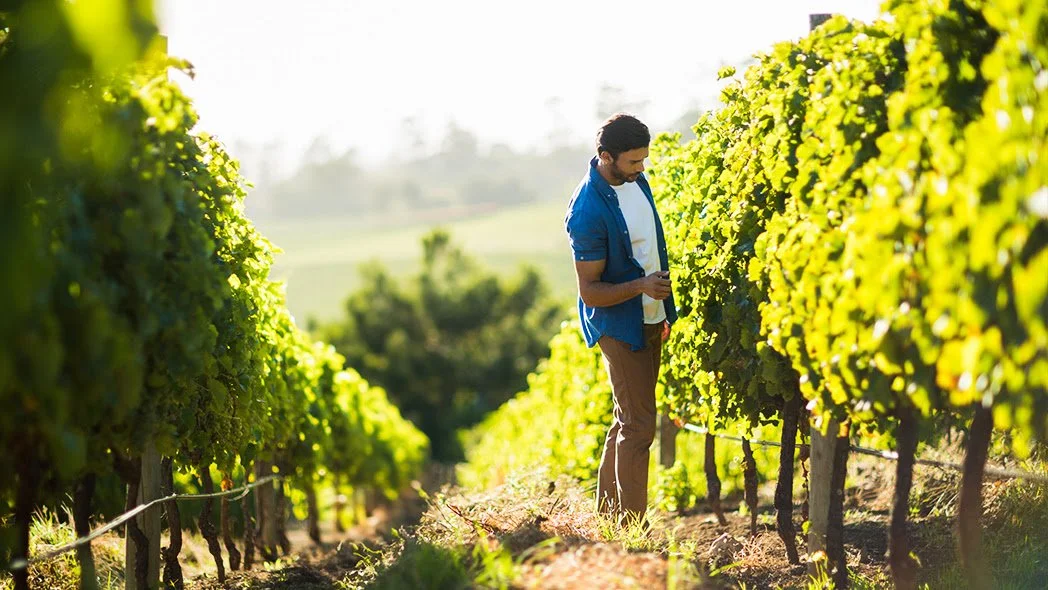
A property with new or recently replanted vines is, practically speaking, a property that won't generate any revenue for years. The costs still pile up (labor, water, management) with no harvest income to balance the books. A lot of buyers don't stop to crunch those numbers before they sign, and the financial gap can be a real hit.
Vine health is the other big part of this. Diseased or worn-out vines that need to come out and get replanted can run up costs that most buyers just weren't ready for, and those costs add up fast. Before you make any decisions, you should hire a viticulture consultant to come walk the property with you. A skilled one will look at the condition of the vines, tell you what varieties are planted, and give you a straight answer on whether the vineyard can produce - and on what timeline.
Water Rights and Access on Your Land
Agricultural zoning in Albemarle County and the surrounding area can vary quite a bit from one parcel to the next - and plenty of that land zoned for farming won't necessarily allow you to run a tasting room or host public events.
Quite a few buyers enter the farmland market expecting ownership to mean total freedom - build what you want, run the operation any way you want, no questions asked. The county tends to have a few opinions about that, though. The laws can change quite a bit by location, and some counties place limits on the size of your structures, caps on how many visitors you're allowed to have at one time, or restrictions on whether a commercial kitchen is even permitted on the property at all. A quick call to the county planning office (preferably well before you get too deep into the process) can answer most of these questions.
Water access is another part of this that deserves attention early on. A commercial vineyard should have a reliable water supply - and not every property delivers that. Some parcels pull from wells that don't produce the volume a working vineyard actually needs, and surface water rights are a whole separate legal issue layered on top of that. A property without a viable path to enough water is a tough investment to justify, no matter how everything else looks on paper.
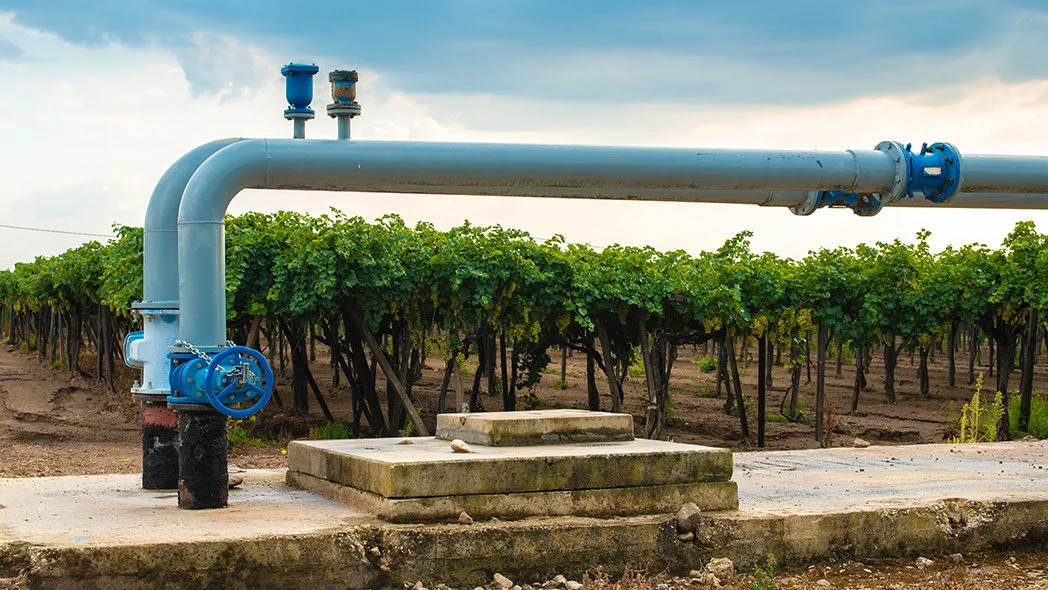
Have a real estate attorney go through any water rights documentation. Water rights aren't something you want to sort out after you've already closed - an attorney will catch problems that are hard to find on your own.
The Right People in Your Corner
The right team is probably the single most important asset you'll have in this whole process. A general real estate agent can be great - and they'll take care of most home sales just fine. But a vineyard estate is a very different property. Farm and ranch credentials, or at least some real background with agricultural land, can make a real difference in what your agent notices and flags for you along the way. Most wouldn't trust something this large to anyone who has never worked with soil reports, irrigation rights or crop history.
A viticulture consultant is another expert worth adding to that team. Vine age, drainage patterns, whether the existing plantings are actually worth keeping - none of that's something a standard home inspection will ever cover. A consultant will dig into it, and the perspective they bring is its own discipline. On a vineyard property, that expertise carries real weight.
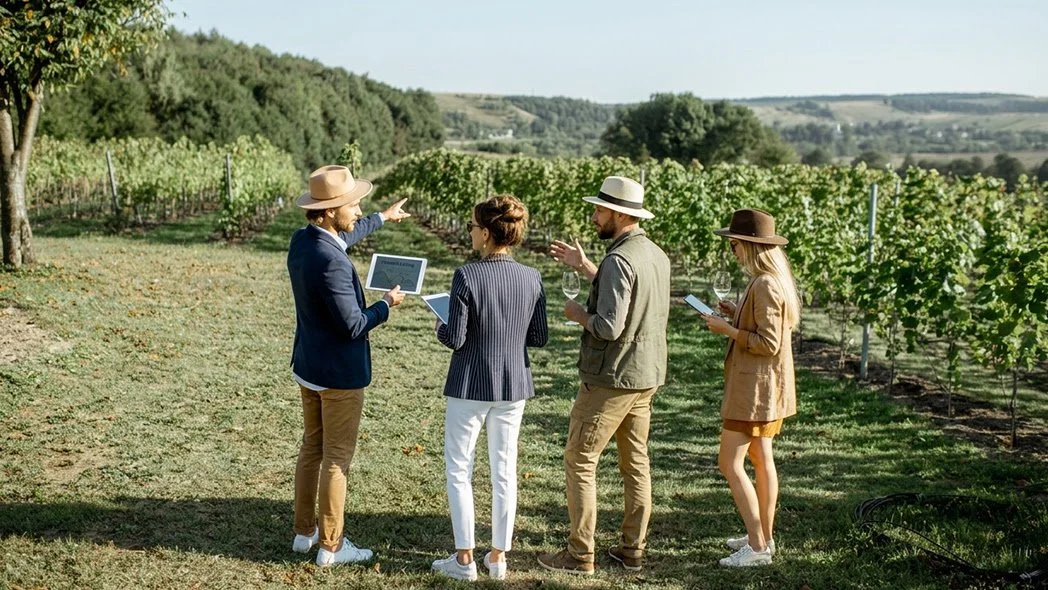
On the legal side, an attorney who specializes in agricultural land will read a farm deed with a very different eye than a general practice lawyer - farm deeds have their own wrinkles and nuances that most general attorneys just don't run into very often. The same goes for your lender. A financing partner who works with farm property will know how to structure a loan against income - producing land - it's a level of expertise most conventional lenders don't have. You'll slow your whole timeline down considerably if you don't figure this out until you're already deep in the process.
Buyers who line up their team early tend to reach closing with quite a bit fewer loose ends. Every specialist on that list fills a gap that the others just won't cover - and on a property this tough, that overlapping layer of coverage is what protects you.
How to Get the Deal Done Right
With the right team already on your side, it's time to put together an offer - and a vineyard estate just works differently than a standard home sale. Equipment, irrigation systems and even the crops that are still in the ground at the time of sale can all be part of the deal.
Those facts are well worth pushing on, and all of it is actually negotiable. A seller may want to return and finish the harvest before the property officially changes hands, or they might just be happy to leave tools and equipment behind as part of the deal. That conversation about what stays and what goes is worth having early - before anyone gets too attached to their own assumptions. Whatever the two of you agree on, make sure to get it in writing.

After an offer gets accepted, the inspection and due diligence period kicks in - and this stretch of the process is where patience pays off. Water rights, soil health, well systems and any structures on the property all need a close look. A title search on rural land can also take longer than you would think. Easements or old deed language may need to be worked out before anything can move forward.
Buyers who take their time usually come out in a better position. The most common way buyers walk away with problems they could've avoided is by racing through due diligence just to reach the closing table faster. Farm closings take longer than most real estate transactions. That extra time is normal. Give the process the room it needs, and you'll be in a much stronger position when you finally sign.
What Comes After You Buy a Vineyard
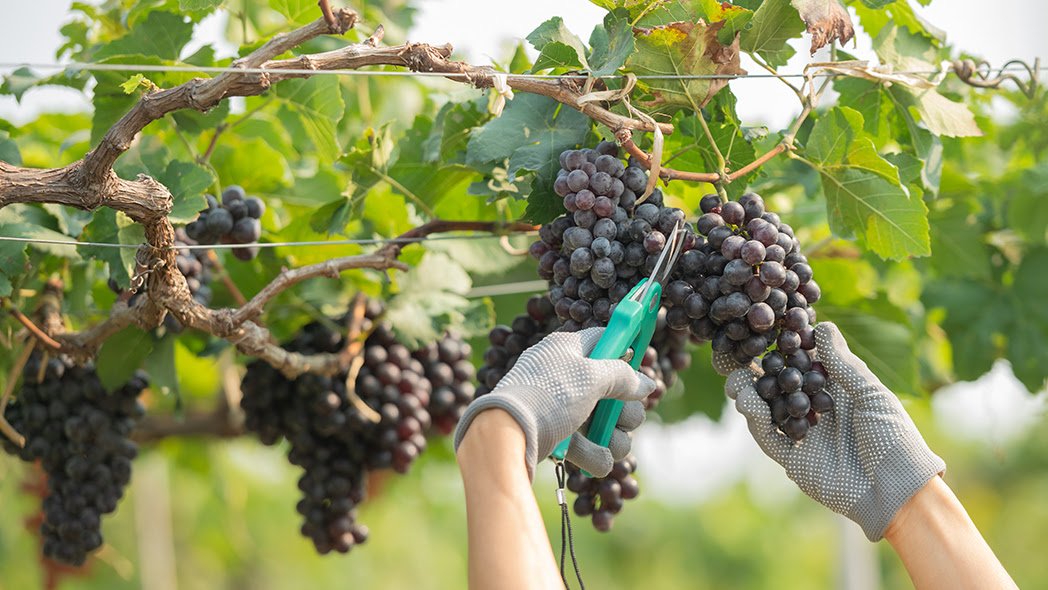
Once the paperwork is signed and the land is yours, the work begins. Grape growing is extremely physical, and it's tied to the calendar - which is something some new owners underestimate going in. Late winter is when pruning starts, canopy management takes over all through the summer, and then harvest pulls it all together in the fall. Each of these phases needs your full attention at just the right time - the vineyard's schedule doesn't move for anyone.
Most new vineyard owners bring on at least one experienced viticulturist or farm manager in those first few years, and it's one of the better early decisions you can make. Grape growing has a genuine learning curve to it, and it helps to have a person who already knows the land and the varieties in the ground.
A tasting room is a great goal to have. But it does bring a whole extra layer of planning with it. Virginia has its own licensing process for farm wineries, and Albemarle County can add its own land use laws on top of that. A local attorney is worth bringing in early - well before any construction gets underway.
Charlottesville's wine community is welcoming to new producers, which is a relief if you're just starting out in the region. The Monticello Wine Trail tends to bring growers and winemakers together, and newer owners usually find a mentor without much effort at all. Everyone here has a stake in the region's wine reputation - and from what I've seen, they're more than happy to help it grow.
A vineyard estate is not passive ownership - it's a long-term commitment that asks for your time, your patience and your willingness to stay with it through the harder stretches. With honest expectations and the right people around you, it's also one of the most rewarding endeavors a piece of land can ever ask of you.
Moving to Charlottesville?
The first step doesn't have to be a dramatic one. A property tour, a quick call to the county planning office or a casual conversation with a local agent who actually knows agricultural land - any one of them gets you a bit further along than you were yesterday. Once you've made the move, the momentum tends to take care of itself.
Vineyard properties are unlike anything else in real estate - they touch on agriculture, zoning law, long-term land planning and the traditional buying-and-selling side of the market all at once. An agent who understands all of the layers is the only way to go about it.

The Justin Landis Group works with buyers at every point along the way - whether you're still in the early "just looking" phase or you already have a property in mind and are ready to move on it. Our team is here to take you through the whole process with as much help and support as you need. When you're ready to take that next step, get in touch with the Justin Landis Group and let's get you home.