
How UVA Affects Charlottesville Home Prices in 2026
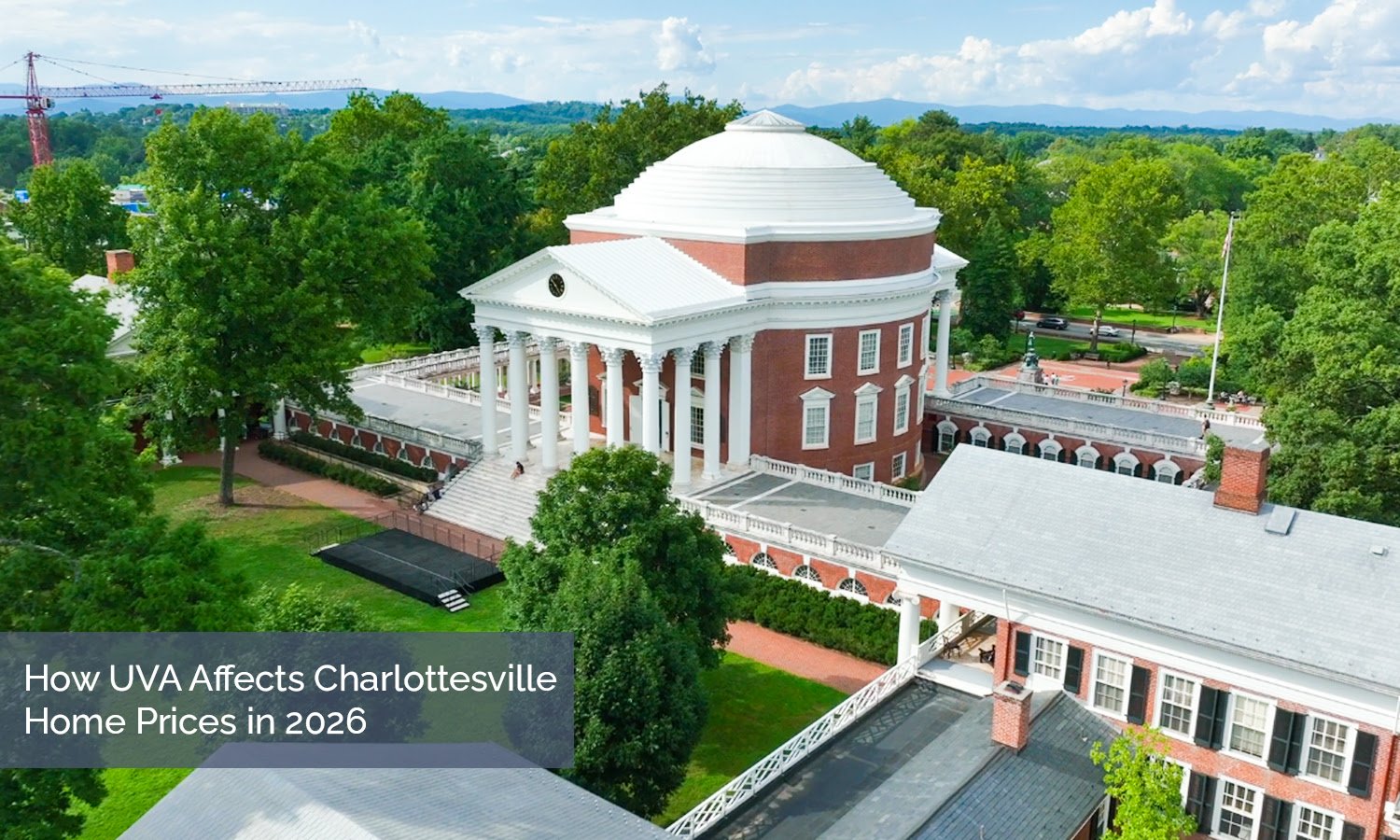
Charlottesville home prices move differently than other mid-sized Virginia cities. Markets like Roanoke, Lynchburg and even Richmond run on fairly predictable cycles - the kind that move in step with regional job growth and interest rate changes. Charlottesville just doesn't work that way, and the buyers who arrive with that same set of expectations usually run into problems pretty quickly.
The University of Virginia is the single biggest driver of this market. Very few housing markets have an anchor institution that generates this steady and layered demand - but Charlottesville does. Faculty and staff relocations, new hires at UVA Health, graduate student enrollment and a $1.2 billion research pipeline all pull from the same limited pool of available homes that the other local buyers are also trying to get into. That means pressure on a market that was never all that large to begin with.
A nurse practitioner who just accepted a position at UVA Health and a first-time buyer who has been steadily saving for three years can wind up in a bidding war over the exact same $450,000 house in Fry's Spring. It's not two separate buyer pools - it's one pool, and it stays active whatever the wider Virginia market happens to be doing.
Charlottesville prices usually hold firm, and a number of the neighborhoods there carry a premium that barely budges even when the national market starts to cool. In my experience, the buyers who go into this with a sense of why that's the case (and which areas it applies to most) usually wind up in a much stronger position when it's time to negotiate.
Let's get into how UVA shapes Charlottesville home prices in 2026!
How UVA Can Support the Charlottesville Housing Market
UVA's workforce spans its academic side and its medical operations, and with more than 30,000 employees total, it ranks as one of the largest employers in the entire state of Virginia. For a single university, that's a very large footprint.
The medical side of all this matters a great deal on its own. UVA Health is a full academic medical system - it draws patients and specialists from all over the region, and scientists from around the country make it a destination in its own right. An institution at that scale doesn't slow down just because the wider economy pulls back. That stability has a real and long-term effect on the residents who live and work in Charlottesville.

Plenty of mid-sized cities with a comparable population don't have anything remotely like this. Without a large research university or a teaching hospital in the mix, those cities tend to see their home prices move up and down with national economic patterns without much resistance. Charlottesville has a floor underneath its housing market that most comparable cities don't have.
The more than 30,000 employees at UVA are permanent full-time workers who need places to live, set themselves up and buy into the local market as genuine long-term homeowners. That steady and built-in demand doesn't disappear when interest rates change or when buyer confidence dips nationally.
Whether Charlottesville home prices would hold up the way they do without UVA here is a fair question - and in my experience with this market, the answer shapes everything else relating to real estate in 2026.
Thousands of Local Jobs Help Hold Home Values
The same pattern played out again in 2020. As the wider economy was struggling, Charlottesville's housing demand held steady, and the reason comes back to university employment (and it kept going). A recession couldn't stop it, a pandemic couldn't stop it, and historically, almost nothing has.
A little nervousness about buying a home is natural, and that hesitation is worth respecting - but it's also worth a look at what type of market you're actually in. A housing market built around a well-established employer works very differently from one that depends on a single private industry or seasonal work. Markets like those usually move with the national economy, up and down and pretty sharply. Charlottesville doesn't work that way. The city isn't immune to price fluctuations (no market is), but the floor here tends to hold up better when conditions get tough at the national level.

Between UVA and the hospital, we're talking about thousands of jobs that pay salaried income. That steady paycheck feeds directly into the local market - a reliable pool of qualified buyers and renters that shows up year after year, whatever the wider economy is doing. Most markets just don't have that sort of foundation underneath them.
For anyone who is still weighing whether the timing is right to buy, that sort of stability is legitimately worth keeping in mind. It's not a guarantee of anything, of course. Charlottesville just has a long history of holding its value more steadily than most markets - one that stretches back decades.
Homes Near Grounds Come With a Premium
Homes near UVA's Grounds carry a premium built right in. Neighborhoods like Belmont, Fry's Spring and the North Downtown corridor usually run 15 to 25% more than similar homes just a few miles away.
A fair chunk of that price gap traces back to walkability. If a buyer wants to walk to campus, grab dinner on the Downtown Mall or just leave the car in the driveway, they're willing to pay a premium for it. Faculty, staff and long-term residents all feel the same pull - quick access to campus life and day-to-day amenities matters quite a bit to this crowd.
That said, it's worth asking whether the premium makes sense for your situation. Neighborhoods just one ring farther out (places like the Barracks Road area or farther along Route 250) still give you pretty decent access to UVA, and they don't carry that same price tag. A little less convenience in exchange for a fair bit more purchasing power - for plenty of buyers, that math tends to work out just fine.
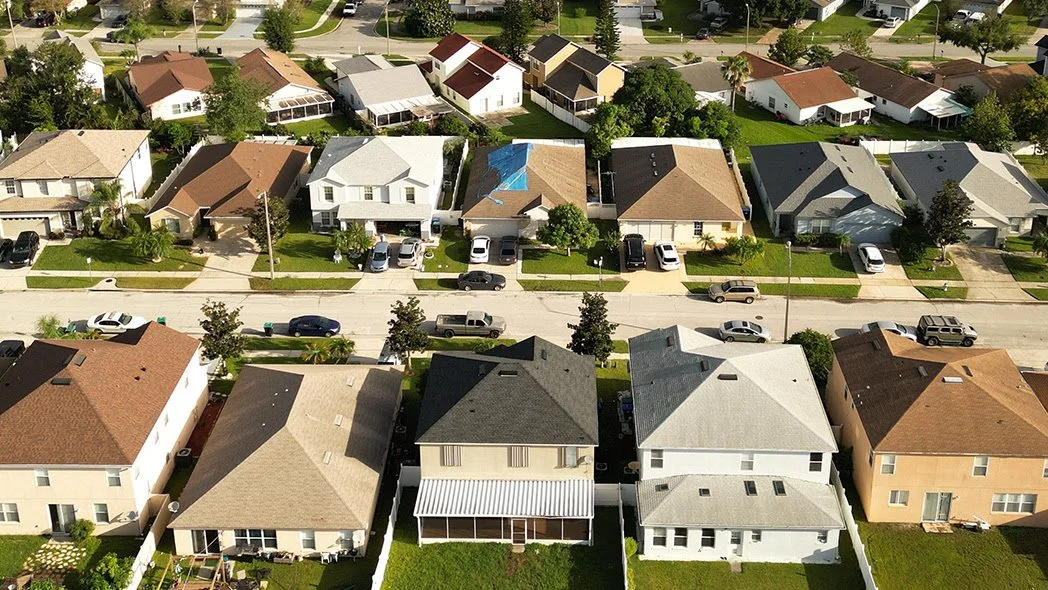
What makes sense for one buyer won't necessarily make sense for another - and most of it starts with why you're buying the place. That little bit extra for proximity is probably worth every penny if you work on Grounds and want a five-minute walk to the office. A buyer who is more focused on long-term appreciation might actually be better served by one of the outer neighborhoods - where prices have more room to climb, and there's plenty of upside left at resale.
What I'd say is this - neither option is a bad one. The inner neighborhoods give you the lifestyle - the outer ones give you room to grow. Each one has merit, and the right answer can depend on what you're after.
Student Rentals Are Pushing Out First-Time Buyers
Investor-owned rentals near UVA have slowly been cutting into Charlottesville's starter home supply for years. Properties under $400K (the kind that would normally go to a first-time buyer) are being purchased by investors who plan to rent them out to students or young faculty. That leaves very few options for anyone who just wants a place to call their own.

The frustration is real, and it makes total sense. A first-time buyer who has spent years (sometimes a decade or more) just to build up a down payment can still lose a home to an all-cash investor who can close the whole deal in a matter of days. It's not fair, and plenty of buyers in that price range have had to either expand their search considerably or just step away from the market for a while.
The city of Charlottesville has started paying closer attention to all this. Local leaders have been actively talking about zoning adjustments and rental density limits in some neighborhoods - though at this point, nothing big has actually been passed or put into effect. These are still live conversations and wherever they end up, it will have an effect on anyone who's trying to break into the market at the entry level.
When buyers lose out on enough of these homes to the same competitive buyers, it's understandable to question whether homeownership in a city like Charlottesville is still realistic. The question deserves a straight answer. The university is obviously one of the great parts of this city, and there's no argument there - it also keeps rental demand unusually high all year long, which puts extra pressure on buyers who don't have an investment angle or a UVA connection to lean on. Most of these buyers aren't coming in with all-cash bids or institutional money behind them. They're just buyers who want to find a home in a city they already love.
How UVA Health Growth Affects the Home Market
UVA Health has been on a steady growth trajectory for years, and the campus still isn't close to finished. New clinics and research buildings continue to rise, and with each one, another wave of surgeons, specialists and scientists makes the move to Charlottesville - most of them arrive with serious money. The hiring has been steady, and there's no actual sign that it will let up anytime soon.
We're talking about buyers who are very comfortable at the $600,000 to well over $1 million price point. The ripple effect from buyers at this level can reach well beyond the luxury tier. Those effects show up in neighborhoods that had nothing to do with the luxury market even a year or two before.
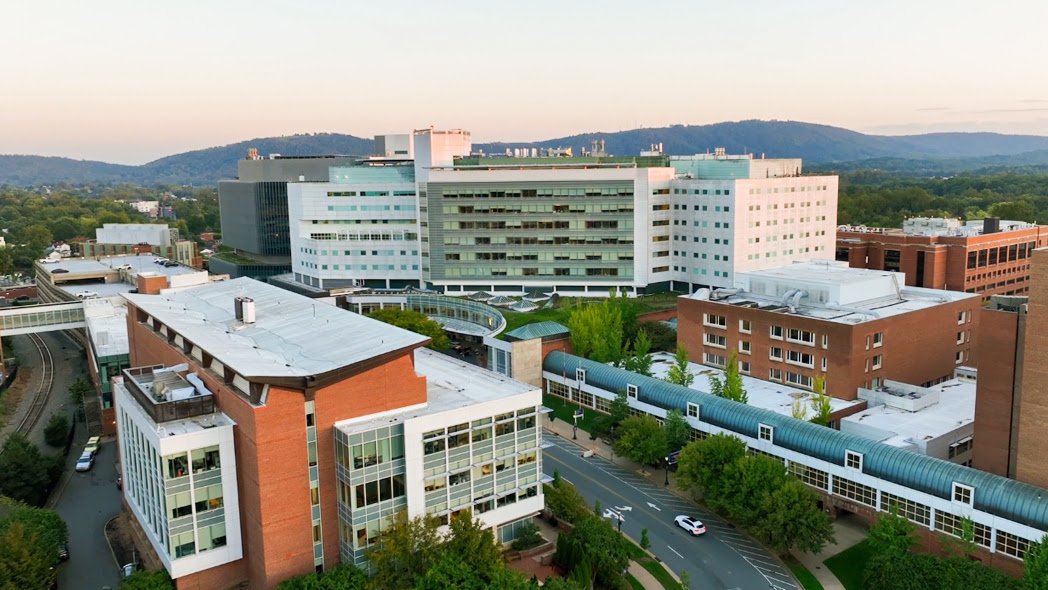
When a large wave of high earners floods into a market and starts to compete for a fairly limited number of premium homes, a fair number of them will move their search toward mid-range neighborhoods - the places that have plenty of square footage, decent schools and a manageable commute to the medical campus. It's a sensible move and one that I see play out all the time.
What that redirect actually does to mid-range neighborhoods is worth a hard look. Prices start to move up in areas that were never built for that level of demand - and they can move fast. A neighborhood that felt affordable two or three years ago can sit in a very different place once well-funded buyers arrive and start to go after the same homes. For anyone who already owns in one of these areas, that pressure can translate into measurable equity growth.
What Every Buyer Should Know Before 2026
Information (the kind that changes outcomes in this market) is worth quite a bit, and you want to know where to find it before any real decisions get made. UVA's Office of the Architect puts out updates pretty regularly on all its planned construction and campus expansion projects. It's a great resource if you want to get a read on where the city is heading - which parts are going to see more foot traffic, more demand and development over the next few years.

Local MLS numbers are worth a close look in Charlottesville, and with reason - this market doesn't move in step with the wider national real estate patterns the way most other cities do. UVA has this strong hold on the local economy that even fairly small differences on campus (a new research building or a change in enrollment projections) can have a very real effect on home values in the area.
City-level zoning discussions are also worth following. As the university expands, city planners have to respond to that growth, and those conversations usually come up early - well before any ground breaks. Follow them closely, and you'll get a read on where new housing or commercial development is likely to land next.
Interest rate changes matter here just as much as they do anywhere else. With a market this closely connected to a single institution, local conditions can carry just as much weight as the national economic picture. A buyer who keeps an eye on both sides of that will have a much better read on what they're walking into.
The goal was never to predict everything down to the last detail - no one can do that. What actually matters is that you go into it with a level head, the right sources at your fingertips, and a feel for how this market operates. From what I've seen, the buyers who walk away happy aren't always the ones with the deepest pockets - they're the ones who did their homework.
Moving to Charlottesville?
Charlottesville is a market that rewards attention. The employment stability, the neighborhood premiums, the squeeze on entry-level inventory and the ripple effect from the medical campus (none of it happens by accident) all connect back to the same underlying forces, and as you start to see how they fit together, the price tags no longer feel arbitrary and start to feel more like a natural outcome.
That said, there's quite a difference between what you know about a market and what it takes to actually move through it with confidence. The fact that homes near Grounds carry a premium is a decent place to start - but the actual value is knowing which streets within that area are the right fit for your situation or whether a neighborhood that's just one ring out might serve you better. That local knowledge takes years inside the market to develop - it's what separates a home that you feel legitimately confident about from one that you second-guess for years.

Most buyers have already done their homework, and most of them are already fairly prepared when they come in. Even so, a conversation (street by street, neighborhood by neighborhood, priority by priority) tends to add a layer that independent research alone just can't quite cover.
If a move to Charlottesville is on your radar (whether it's your first home, a long-term investment or a relocation for UVA or UVA Health), we at the Justin Landis Group help you figure it all out. Talk to us when you're ready, and we'll help you find the right home in the right neighborhood for the right reasons.