
Charlottesville vs Albemarle County Property Taxes

Property near Charlottesville comes with something plenty of buyers don't even think about until they're already pretty far into the process - whether a home sits inside the city limits or just outside them determines who taxes it, at what rate and for what services. Two homes on the same road can fall under very different jurisdictions, and each of them has its own assessment schedule, its own tax rate and its own budget and spending decisions. That difference can mean hundreds of dollars a year, and it can go either way.
Virginia's setup can add a wrinkle that most other states don't have. Independent cities and counties are treated as separate governing bodies here, which means a Charlottesville address and an Albemarle County address will never fall under the same taxing authority. For buyers coming in from out of state, that structure can take some adjustment - especially when a move of just a few hundred feet can drop you into a very different tax situation.
The tax situation is worth a close look before you get too attached to a particular property - the stakes are real, and each jurisdiction sets its own rates, runs its own assessment schedule and makes its own calls about where that revenue goes. A home on one side of a boundary line can carry a very different annual tax bill than a nearly identical home right across from it - and over the years that you own the property, that gap tends to quietly add up.
It pays to know how each side of that jurisdictional line works when you're buying in or around Charlottesville - it's a detail I make a point of covering early on because it plays directly into what you can comfortably afford and what you're actually seeing back in the form of services for your tax dollars. A contract signed without a sense of where a property sits jurisdictionally is the sort of issue that trips buyers up - and it's very avoidable.
Let's dig into these property tax differences so you can make the right call!
How Virginia Splits Cities and Counties
Virginia runs its government a little differently than most states. That tends to confuse buyers who are new to the area. Cities and counties are treated as separate governing bodies here - there's no shared jurisdiction, no overlap and no gray area between them.
For the Charlottesville area, the city and Albemarle County are two separate taxing authorities - and the line between them is absolute. A home inside Charlottesville's city limits pays its property taxes to the city, and a home just outside those limits in the county pays them to Albemarle. You never owe both - it's always one or the other.

Buyers who move to Virginia from another state are used to a setup where cities sit inside counties and share at least some version of that same tax structure. Virginia doesn't work that way at all. Cities here are independent from the counties around them, and the difference reshapes how property taxes get calculated and billed across the state. It's actually one of the topics I cover more than almost anything else when a client is new to the market.
First-time buyers run into this a bit - two homes practically side by side, maybe just a street apart and yet each one falls under a different jurisdiction (its own government, its own budget and its own tax system). The line between a city and a county doesn't have any marker that you'd see on the ground - there's nothing visible about it. What it does have is an effect on your wallet. The side of that line that your home ends up on can make your tax bill look very different.
The city-county structure is the piece that you want to know first - the numbers won't mean much without it.
What Are the Local Property Tax Rates
Charlottesville's property tax rate runs right around $0.95 per $100 of assessed value, and Albemarle County's rate lands a bit lower at $0.854 per $100. These two numbers can change from year to year, so you should contact each jurisdiction's commissioner of revenue directly for the most up-to-date figures before any final decisions.
The dollar amounts are where it gets more interesting. On a $400,000 home, Charlottesville's rate works out to roughly $3,800 per year in property taxes, and Albemarle's rate on that same home comes to about $3,416 per year - a gap of around $384 annually. Over 10 years of homeownership, that difference can quietly amount to a few thousand dollars.
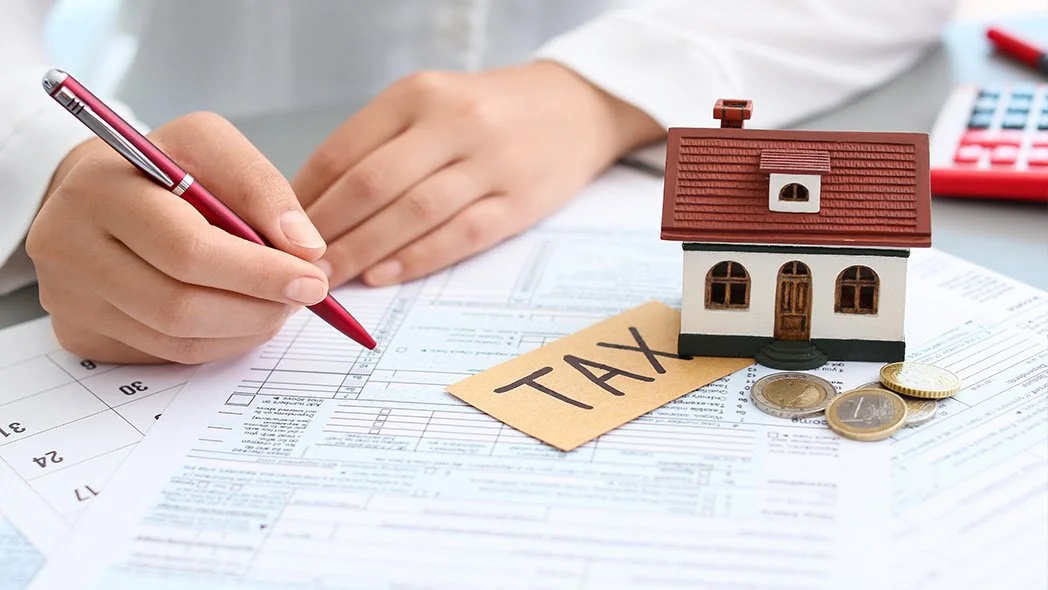
The raw tax rate is only part of it, though. Each jurisdiction has its own strategy for calculating the assessed value of your home, and those methods don't always land on the same number - even for two very similar properties that are just a few miles apart. The assessed value is the figure that your tax rate gets applied to, which means a lower rate doesn't automatically translate to a lower bill. In my experience, the assessed value is the number that matters more for most buyers, and it tends to be the one that gets the least attention.
Tax rate comparisons are a great place to start. But to know what you'd be paying, you do need to look at how each area actually works with property assessments. The two locations do post resources on their websites, and a quick phone call to either office tends to be the most reliable way to get accurate numbers for your particular property.
How the Assessed Value Affects Your Tax Bill
In Charlottesville and Albemarle County, property is assessed at 100% of fair market value (so your tax bill is based on what your home would sell for, not the price that you paid for it years ago). This is a detail that matters. Your tax rate can hold flat from one year to the next, and your annual bill can still creep up - sometimes by a fair amount. All it takes is for home values in the area to rise, and in this market, that's more or less what they've been doing.
A longtime city homeowner (say, one who picked up a modest place fifteen years ago) is an example of how this can play out. The rate on their property has probably barely budged the entire time. But the assessed value of that same home could have doubled or more. No renovations, no additions (not a single change to the property itself), and the market just moved around them. What they're left with is a tax bill that looks nothing like what they were paying back when they first got the keys.
That's probably the most common frustration I hear from longtime owners in these areas. Their annual bills go higher year after year - and nothing at all about the property has actually changed. Not the home - not the lot - not a single detail about it. The only number that moved is what a willing buyer might pay for it on the open market - and the tax assessment tends to follow that figure pretty closely.
If buying is on the table in either of these areas, pull up the assessed value history for the past few years before you lock anything in. The rate listed is a snapshot - and a pretty incomplete one at that.
Where Your Tax Dollars Actually Go
Property taxes don't exist in a vacuum. Every dollar that you pay gets routed to a very particular place. In Charlottesville and Albemarle County, where that money ends up matters quite a bit.
Charlottesville's higher rate goes toward city-run infrastructure and the Charlottesville City Schools. Albemarle's rate covers the Albemarle County Public Schools and a wider set of county services, which makes total sense given how spread out the county is. Your money just ends up in different places.

A family with young children might legitimately care about school district performance. Both systems have their own strengths, and especially for parents, that one factor alone can change everything. A retiree with no kids in the schools might look at the exact same numbers and walk away with a whole different answer - far more focused on road maintenance, public safety or proximity to services than on which district has the better test scores.
That distinction does matter. The word "value" means something different for everyone - it can all depend on where you are in life and what you actually use day to day. The bigger question is whether what you're paying for lines up with what you need.
The buyers who walk away happy with their choice are usually the ones who looked at what each area delivers in terms of services first - and then worked the numbers from there.
How a Higher Home Value Affects Your Taxes
Property values across Charlottesville and Albemarle have been on a steady climb for a few years. For anyone who has plans to sell, that's great news. The downside is that your annual tax bill tends to rise right along with your home's assessed value.
For homeowners, that's where it starts to hurt. Even if the tax rate itself hasn't changed, a higher assessment still translates to a higher bill - and in plenty of households, those increases have been moving faster than wages have over the same period.

What homeowners don't know is that it doesn't have to be the final word. The city and the county give property owners the right to appeal their assessment if they feel the number doesn't accurately match what their home would sell for on the open market. A fair number of residents have already gone through that process and come away with a lower assessment - and from what I've seen, more qualify than would ever think to try, though it does take some preparation and effort to get it right. But it's a legitimate option and one that most homeowners never even think to look into.
An appeal is just about the evidence that you pull together to support a lower value - details like recent comparable sales in your neighborhood or facts on any conditions that are dragging your property's value down. Neither jurisdiction makes this too hard to do on your own, and plenty of homeowners do manage it without outside help. That said, some do bring in a professional to help strengthen their case, which is a great move. If your assessed value has shot up in a way that doesn't quite match what homes around you are actually selling for, that gap alone gives you a pretty great starting point for your appeal.
What the Line Means for Your Life
Plenty of buyers deliberately search for homes just outside the city line to use the lower county tax rates, and it's a fine way to go about it. The savings can add up - a chunk of money over the years. The address that you land on also shapes your commute, your neighbors, your school district and how close you are to the places and routines that you count on every day.
Honesty about how you live day to day will serve you well here. A home deep in the county might save you some money on paper. But if you work downtown and spend most of your evenings in the city anyway, the tradeoff is a fair bit of extra time on the road each day. A remote worker or anyone who wants more space and quiet could find that same county address to be a near-perfect fit.
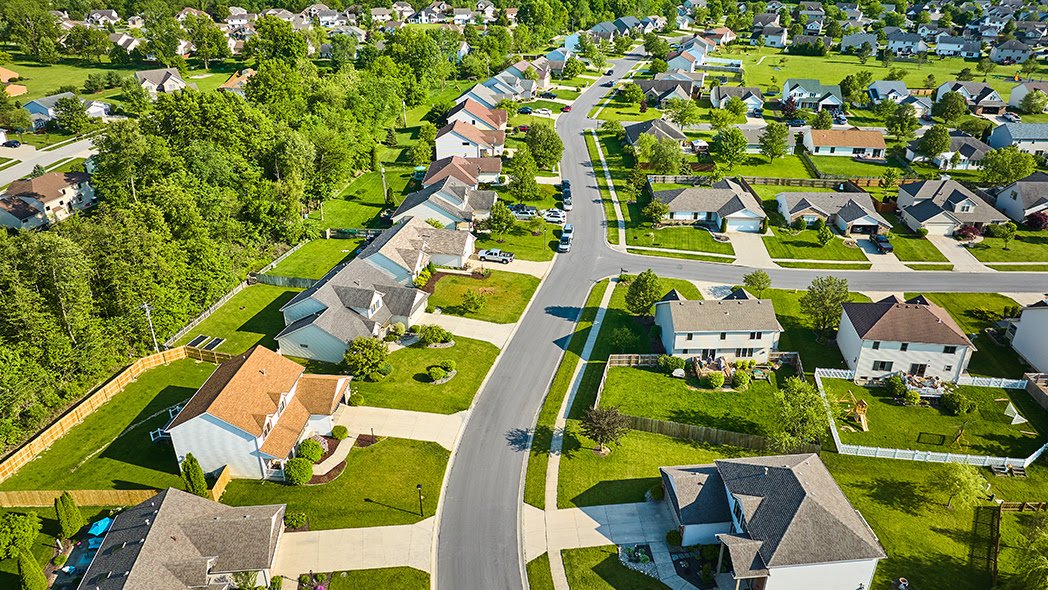
School preferences are another factor that's worth a close look. Charlottesville City Schools and Albemarle County Schools are two separate systems - with different attendance boundaries, different staff and different programs available to students. For families with kids in the mix, that one detail alone can carry far more weight than the tax rate ever will.
The financial side matters - I'd never argue otherwise. A lower rate is hard to ignore and worth weighing. It's just one part of a much bigger picture, though. A home that actually fits the way that you want to live your life carries a value that a spreadsheet just can't capture. Every buyer will arrive at a different answer - it's just as it should be.
Moving to Charlottesville?
The numbers alone only tell part of the story - it's what makes this comparison worth having at all. Two buyers can look at the exact same rate sheets and walk away with very different conclusions, and either one of them would be right. A dealbreaker for one person could be a total non-issue for the next, which is a big part of what makes real estate decisions so personal. The boundary line ends up carrying a lot of weight in the final choice.
It's worth a quick check-in with each jurisdiction's commissioner of revenue before you get too attached to any of the numbers here - just to confirm the rates are current. Tax rates do change from year to year, and what was accurate when this was written might not match what ends up on your bill. A quick call or visit to the right office can save you a fair amount of frustration - and it's much easier than rebuilding a whole budget from scratch. Most commissioners of revenue have websites that are easy to work through and can point you in the right direction.

The right home in the right place - that's just where we come in at the Justin Landis Group. Whether it's city living, a quieter area just outside of town, or somewhere right in between, our team knows how to connect the right buyers with the right neighborhoods.
Get in touch with the Justin Landis Group, and we'll help you find your place.