
The Do's and Don'ts of Charlottesville Historic Homes
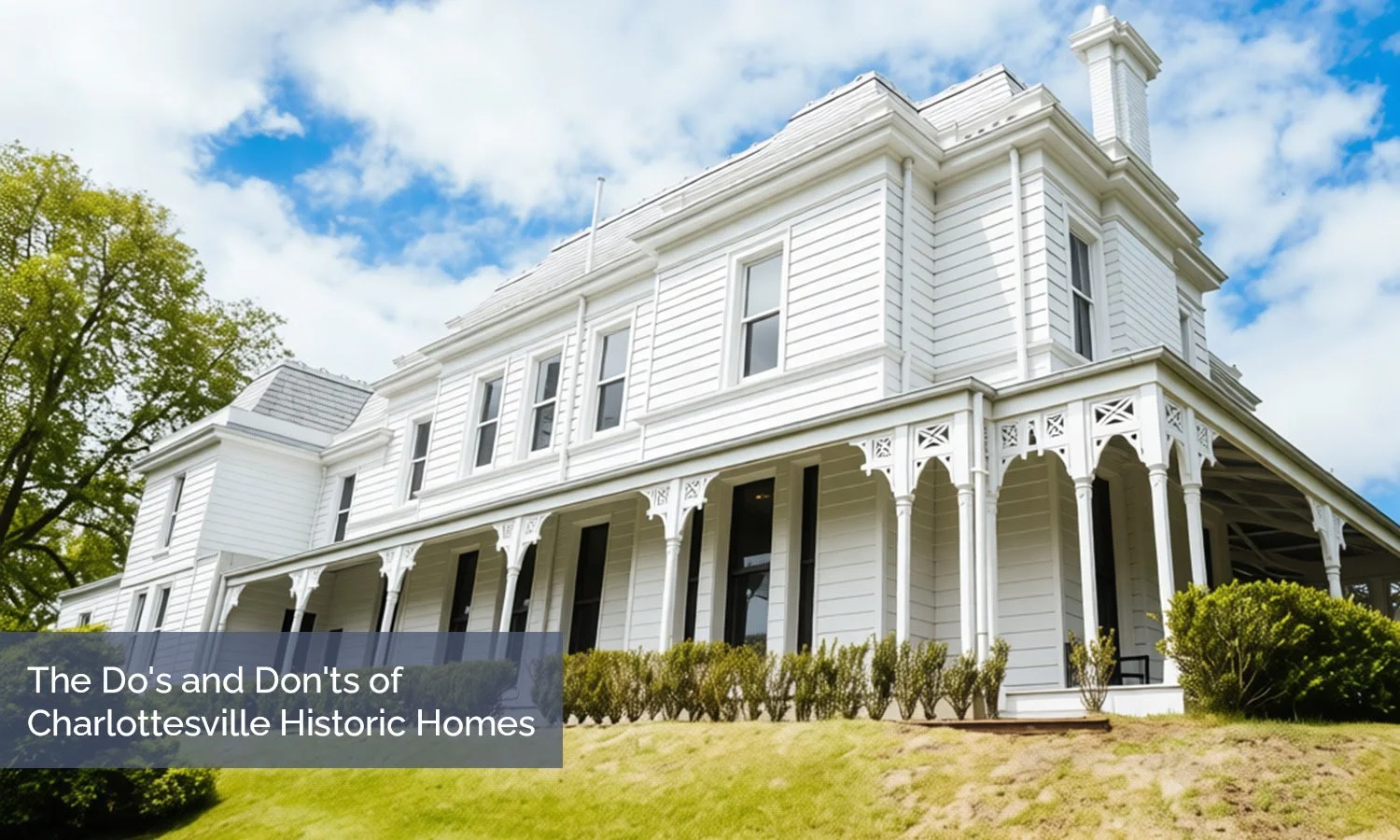
A historic home in Charlottesville has plenty going for it - tree-lined streets, Federal and Colonial Revival architecture and neighborhoods that hold their character decade after decade. What most new owners don't quite account for is that the appeal comes with a set of laws, and those laws come into play the minute renovation plans are on the table.
The Charlottesville Board of Architectural Review holds authority over any exterior work done within the city's historic districts, and the tax credit programs connected to approved rehabilitation follow strict federal and state standards. Every step in that process matters. Missing even one step can mean fines, lost credit eligibility or work that has to come down and be redone at the owner's expense. That tends to happen when owners come into the process without a solid sense of what the review board is looking for.
It pays to know those standards before you break ground - it's one of the better moves you can make as a new owner. The laws cover everything from window replacements to paint colors to the type of siding considered right for a given structure and period.
Virginia's combined state and federal rehabilitation tax credits can cover as high as 45% of eligible costs on qualifying projects, which is a number worth having front and center on any big renovation budget - it's an actual offset, and you'll have to know which costs qualify and how the application process works before any work begins.
Let's talk about the main do's and don'ts so you can move forward with confidence.
What Makes Charlottesville Historic Homes Stand Out
Charlottesville's historic homes like to make an impression before you ever set foot inside. The Federal and Colonial Revival architecture near UVA's Grounds and the Downtown Mall has a weight and character to it that new construction just doesn't have. Wide plank heart-pine floors, handmade brick and original woodwork - these are the touches that stay with buyers long after they've walked through the door. The craftsmanship of an older home is hard to put into words and harder to replicate.
That emotional pull is real, and it shows up in the numbers. Homes in Charlottesville's historic districts are usually priced higher than comparable properties just outside those boundaries - location is part of it. But a fair amount of it's also just what buyers are willing to pay to live somewhere with that character.
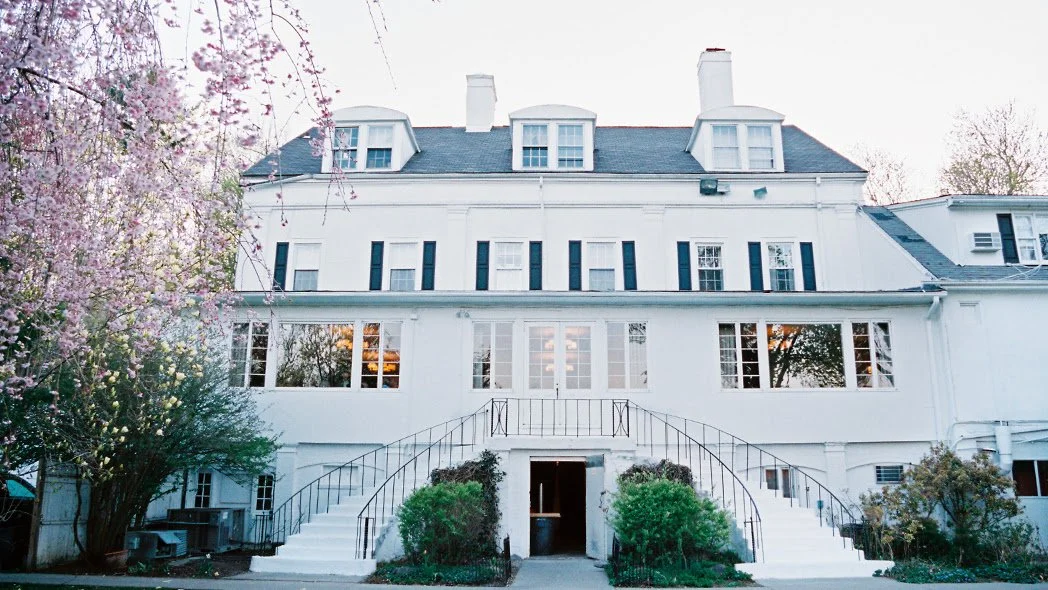
The laws in a historic district aren't there to make your life harder - they're there to protect the exact character and feel that drew you to the neighborhood. Exterior modifications, additions and even some maintenance work are going to need to go through a review process first. Buyers who walk in with that mindset usually have a much smoother experience than those who treat the restrictions as a fight. Still, what those laws actually look like on a day-to-day basis is worth a look.
Get the Board's Approval Before You Start
Historic homes in Charlottesville have a few extra steps that are worth knowing about early on. The Board of Architectural Review (the BAR) is the city body that oversees exterior changes to properties in the historic district, and any modifications visible from the street are going to need a Certificate of Appropriateness before work can start. It's the city's formal green-light that your plans are a fit for the neighborhood.
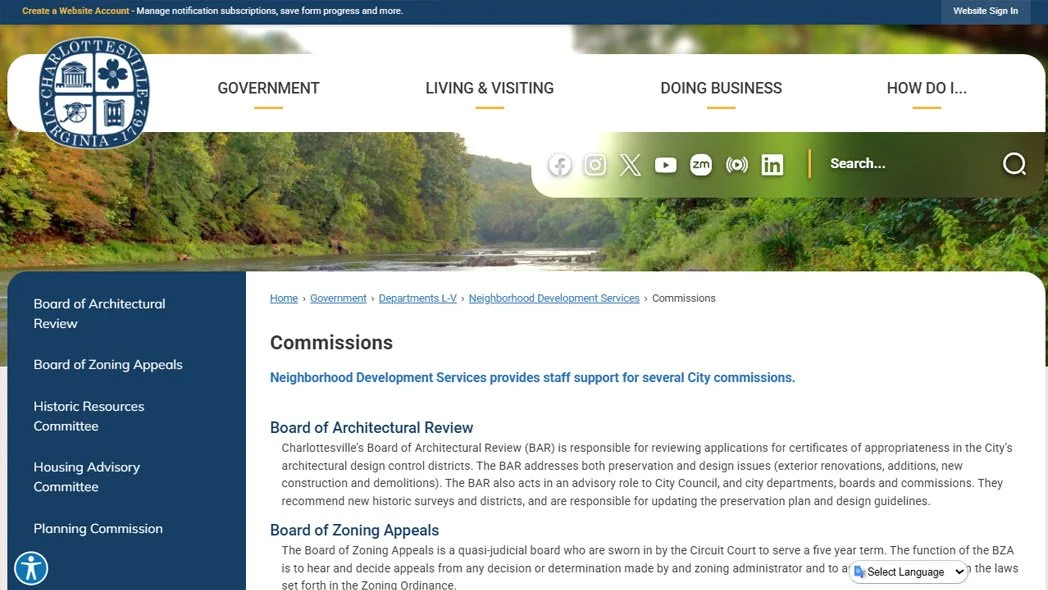
Skip that step, and the costs can pile up very fast. Without the right permits, a homeowner can wind up with fines - or worse, get ordered to pull all that work back out. That could mean you spend thousands of dollars on brand-new siding, only to have to rip it all back off again.
That said, this process is a bit more approachable than it sounds. At the end of the day, the Board just wants to see changes that last and stay true to what made the neighborhood. A quick conversation with them before a project gets off the ground is usually the better move, and in my experience, it can save you time.
Not every project actually needs full Board approval, which is a relief if yours is on the smaller side. Those repairs and like-for-like replacements can fall under a separate set of guidelines. It's always worth a quick check before assuming anything either way.
Keep the Original Materials in Your Home
Replacement windows and siding can seem like an easy way to cut costs, and for most homes, that can be true. In Charlottesville's historic districts, vinyl replacements are a different matter - they can pull your home's appraised value down and make it considerably harder to qualify for state and federal historic tax credits.
The second part is actually worth your attention. Swap in vinyl and your property will become ineligible for them altogether - it's not a small consideration when you run the numbers on a renovation.
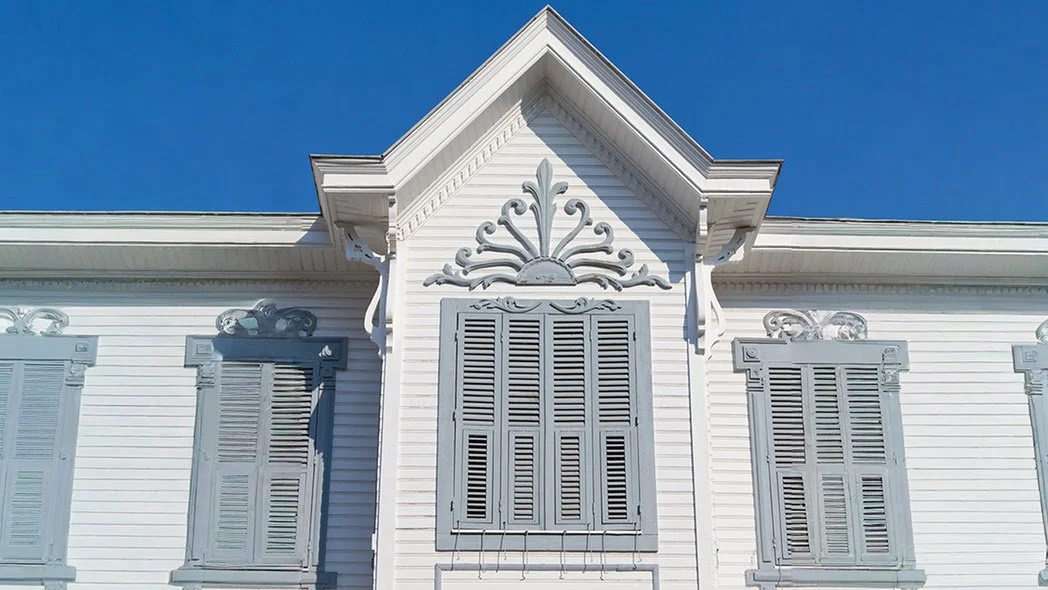
Original wood, brick and millwork matter to appraisers and buyers in this market. A home that has held onto its historic character tends to sell differently than one that's been updated with mass-manufactured materials - and usually not in the seller's favor. A local appraiser who specializes in historic properties is well worth your time - a knowledgeable one gives you an idea about what replacement materials have done to sale prices in your neighborhood.
The materials themselves are worth a second look. Old-growth wood (the kind that was used in original windows) is harder than anything you'd find in a standard product. It's a type of wood that modern manufacturing can't produce, and once it's gone from your home, it won't come back. With vinyl, you're trading away something that can never be reproduced. Follow that trade - it's worth asking if the short-term savings actually outweigh what made your home worth preserving.
The Surprises That Come With a Renovation
Most homeowners go into a renovation with the assumption that whatever happens inside their own four walls is their call - and for basic cosmetic updates like a fresh coat of paint or some new flooring, that's mostly true. Those kinds of changes are yours to do with as you see fit.
Structural changes are where it gets quite a bit tougher. A load-bearing wall, as another example, will nearly always need a permit before anyone lays a hand on it. Add to that the possibility that the wall is part of what gives the home its historic character, and now you're looking at a formal review process on top of the permit. That review is a separate layer of approval, and it can take time to work through.
Historic staircases are another area where this comes up more often. Any project that touches one (if you're changing it or pulling it out altogether) tends to bring a level of scrutiny that plenty of homeowners go in pretty unprepared for. In some cases, the staircase is considered a defining feature of the home - a designation that carries weight with reviewers.
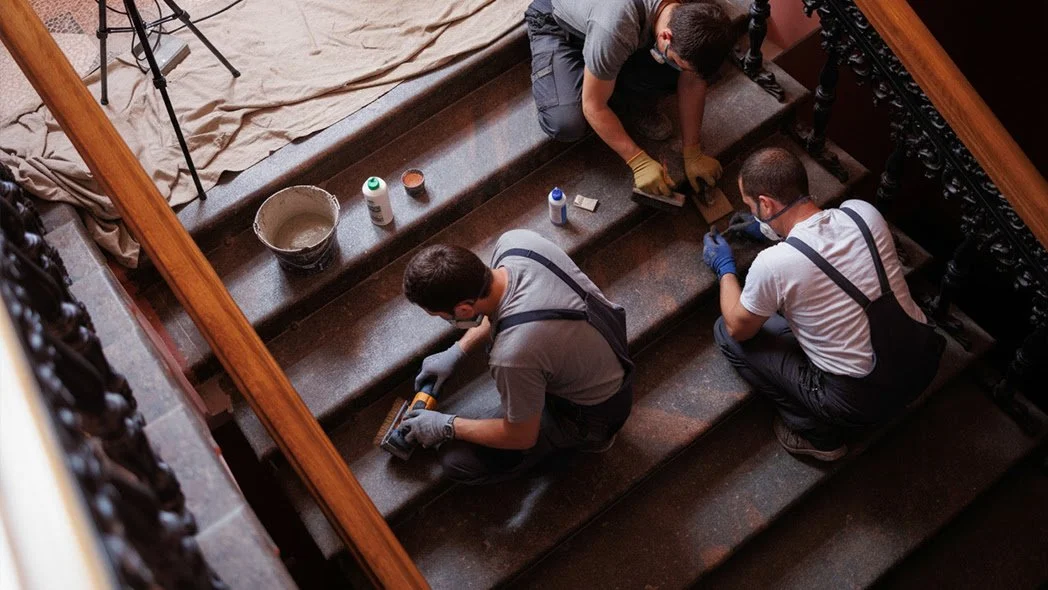
The hard part is that these reviews don't always come to light until you're already deep into a project. At that point, the news that your work needed prior approval can cost you time and money. It's not a situation you want to be in if it can be avoided.
Before any tools come out, a quick conversation with your local historic preservation office is well worth it - they can tell you right where your planned changes land, and I'd make that call before anything else gets started.
Historic Tax Credits That Save You Money
Virginia homeowners who restore a historic property are eligible for a 25% state tax credit on all qualified rehabilitation work. On a full restoration project, that credit can come to a very large amount of money. Keep that in mind as well - if your home also generates income, a federal 20% credit could apply right on top of that.
The two credits fall under what's called the Secretary of the Interior's Standards for Rehabilitation. The Standards don't ask that you restore the building as an exact replica of the original - new work just needs to be compatible with the home's historic character.
To put a number to it - a $200,000 qualifying rehabilitation project could return $50,000 to you through Virginia's 25% credit alone, which is a decent chunk of money, and it's worth every bit of the effort to claim it.

These credits only work if the project goes through the right approval process - before and after construction. Missing that pre-approval window means the entire project could get disqualified, no matter how well the work was done. At that point, no level of craftsmanship will bring those credits back.
The financial return on patience is hard to argue with. A preservation consultant, or your local historic district office, helps you through the whole process right from day one and is the most reliable way to make sure those savings actually come through.
The Real Value of a Historic Home
A home in a historic district has a genuine edge on resale value, and it's not a small one. Original windows, trim and woodwork that are still in shape can push an appraisal well above what a similar home outside the district would get. Appraisers in these areas know what to look for, and they do see when the bones are right.
That relationship works the other way, too, though. Unapproved changes to a historic home can drag its value down - and sometimes by quite a bit. A replacement window that doesn't match the original style, or a porch that was rebuilt without the right permits, can become a headache the minute an appraiser or a future buyer takes a hard look at the property. In some cases, those problems have to be fixed before a sale can move forward at all.
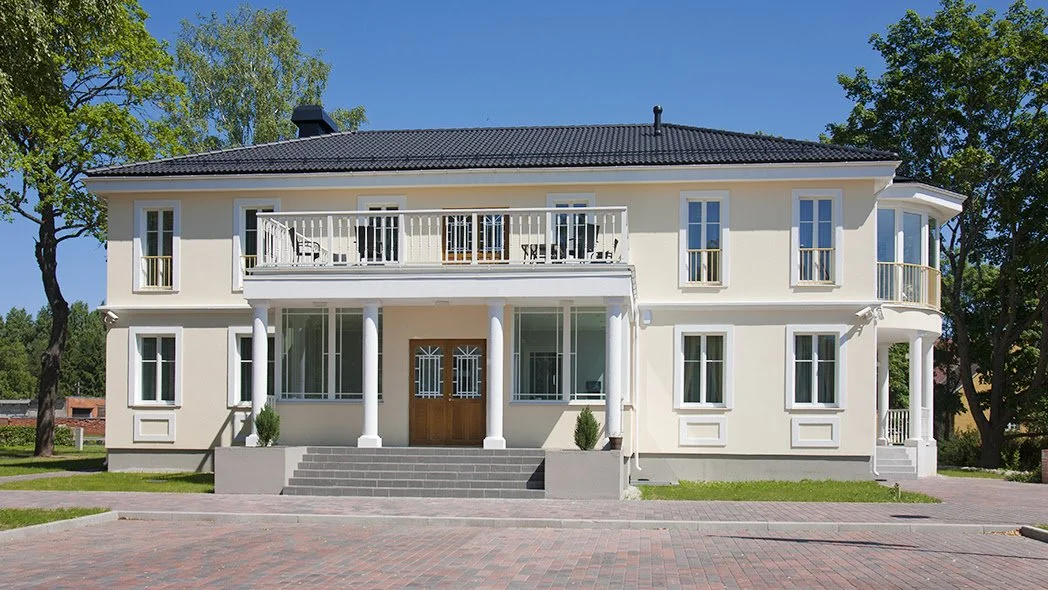
Your home's historic character and sound financial decisions don't have to be at odds - they do work together. The same features that give your home that one-of-a-kind feel are the exact ones that drive the price up for buyers who actually want that. Buyers in these markets are looking for something they can't find in a newer neighborhood, and the original bones are a big part of what draws them in. All that effort you put into those features pays off.
The Upgrades That Help Protect Your Home Value
Original hardwood floors are one of the best places to start restoring a historic home. The wood carries a character and a depth that no modern replacement can replicate, and a refinish is one of the few ways to bring it all back without losing what made it worth the effort.
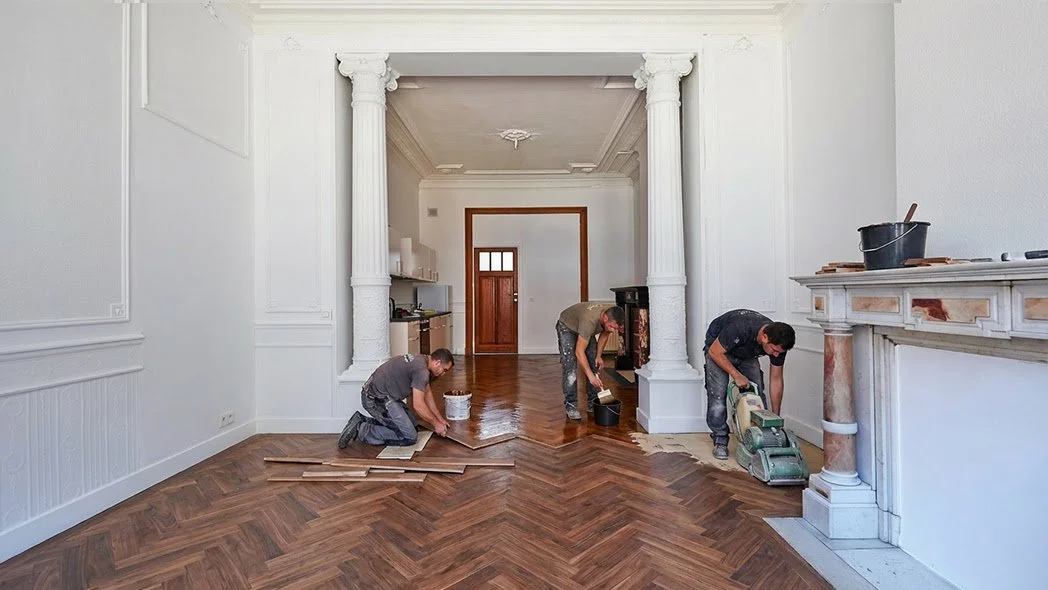
The same idea extends to everything hidden inside the walls. A new HVAC system, updated plumbing or rewired electrical work are all worthwhile upgrades - not because anyone will ever see them, but because your life gets noticeably better with each one. No one sees a new pipe or a fresh circuit, but a drafty room in winter or a breaker that trips at the worst time is what everyone in the house will feel.
Period-correct fixtures are another worthwhile investment - the right lighting, hardware and trim can make a space feel like everything in it was always meant to be there, instead of a room full of parts that were pulled from a catalog. Little bits like these are what tie an interior together and make it feel like actual care went into the whole space.
That said, modern additions that clash with a home's original design can do damage, not structurally, but to the character and the feel that made the home worth buying. A boxy rear addition or wide aluminum windows might add to the square footage. But that usually comes at a cost. The BAR in Charlottesville also has a say over exterior changes to historic properties, so you should find out what needs approval before plans get too far along. The upgrades that hold their value are usually the ones that feel like they actually belong there.
Moving to Charlottesville?
A historic home in Charlottesville is legitimately one of the more rewarding projects a homeowner can take on. The character, the craftsmanship, and the deep sense of place that these properties carry are hard to find anywhere else. As I've covered, though, that reward comes with actual responsibility - Board approval is needed before any exterior changes are made, the original materials need to be preserved, the tax credits have their own set of conditions, and you have to put some careful thought into which upgrades actually add value versus which ones quietly take it away.
Homeowners who do well with historic properties are usually the ones who treat the guidelines as part of the process instead of as a hurdle to get past. That change in thinking carries more weight than it ever gets credit for. The home ends up better protected, better liked and fun to live in over the long run.
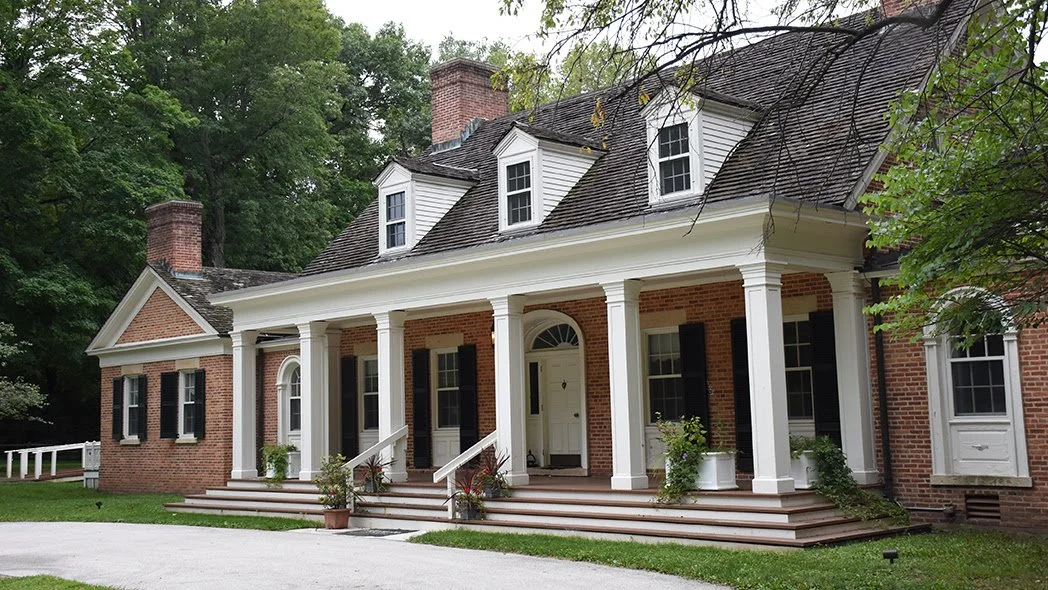
None of this has to be as hard as it might feel. The steps get quite a bit more manageable when you know what they actually are. What you do now has a genuine effect on what your home is worth years from now, and the best part is that your investment goals and the home's history point in the same direction.
With that in mind, the right help on your side matters just as much as anything else when it's time to buy or sell a historic home. The Justin Landis Group knows this market well, and we can help match you with a property that legitimately fits your lifestyle and your long-term plans. Reach out, and we'll help you find the right one.