
Charlottesville vs Waynesboro: Where to Buy Your Home?
Charlottesville and Waynesboro are in Virginia's Blue Ridge region, and they sit right off the same interstate highway. On a map, they look like neighbors. Look at home prices, and you'll see some differences. The median home price in Charlottesville reached $590,000 in October 2025. Over in Waynesboro, that same figure sat at just $290,750 for the same month.
Your commute could be 30 minutes longer or shorter, depending on the city you choose and where you work. The school districts are also quite different if you look at the test scores. And how you spend your weekends will probably depend quite a bit on whether you're 10 minutes from UVA's campus or 15 minutes from the entrance to Shenandoah National Park.
Most home shoppers check out properties in each of the cities before they make a final choice - comparing them directly can help. Cultural amenities matter to some buyers, and they're happy to pay a premium for them. Other buyers want to put that money toward a bigger home and maybe pay off the mortgage a few years earlier. Either choice makes sense depending on what you value most. The tough part is that you'll need solid information about the job market in each area, the day-to-day logistics and what each community actually feels like - all of the details that the listings never bother to include!
Let's compare these two wonderful Virginia cities to find your perfect home!
Home Costs and Property Taxes
The price difference between these two cities affects what you can afford. A $300,000 budget in Charlottesville will get you a small townhouse or maybe a modest starter home that probably needs some fixing up. Move that same $300,000 budget over to Waynesboro, and suddenly you're in the market for bigger single-family homes that have yards and a whole lot more square footage.
The recent sales data shows a large price difference between the two areas. Waynesboro homes are going for about 20 to 30% less than comparable properties in Charlottesville. A three-bedroom home with updated features in Waynesboro might list at around $275,000. That same exact home in Charlottesville would probably cost $350,000 or more.
The University of Virginia plays a massive role in why prices can be so different from one neighborhood to another. Every year, the university brings in thousands of students, faculty members and staff who all need a place to live. That steady stream of new residents makes demand high, mainly for properties that are close to campus. Areas near UVA usually cost quite a bit more than other parts of town, and it makes sense - most would rather skip the long commute if they have the option.
Property taxes are also something that you should compare between these two cities. Charlottesville is in Albemarle County, and Waynesboro is in Augusta County, so they each have different tax rates. Augusta County has lower rates, and what that means for you is a smaller property tax bill every year if you choose Waynesboro, though it might not sound like much right away. But after just a few years, that difference becomes large for your housing costs.
Some Charlottesville neighborhoods are going to give you a better deal than others. Locations that sit a bit farther away from the university and downtown are usually more budget-friendly, as long as you don't mind not being right in the middle of the action. That said, these cheaper Charlottesville areas will usually run you more money compared to what you'd pay for a comparable place in Waynesboro. The price gap does narrow a bit when you compare the most expensive parts of Waynesboro to the cheapest sections of Charlottesville. Even then, Waynesboro still wins out on price.
Jobs Available in Both These Cities
The University of Virginia and the UVA Health System make up most of the job market in Charlottesville. Together, these two employers hire thousands of workers across education, healthcare, research and all kinds of administrative roles. There are plenty of opportunities in the area for anyone in medicine or academia. Registered nurses here make around $72,000 a year on average, and administrative staff at the university usually earn between $45,000 and $65,000 based on their role.

Waynesboro took a different path and built its economy around manufacturing instead. The city has a few factories and industrial plants that produce all kinds of products - textiles, food products, you name it. These places are actually big employers in the area, and the pay is pretty decent for production work and warehouse jobs. Entry-level manufacturing roles start at around $38,000 a year. Workers who've been around for a while or have learned some technical skills on the job can pull in $55,000 or more.
Waynesboro benefits from its location right on Interstate 64. That highway connection opens up commuting options to Richmond or to parts of Northern Virginia for anyone who can land a higher-paying job outside the immediate area. Plenty of residents make that choice - they'll earn bigger salaries while still enjoying much lower housing costs back at home. They accept the longer drive.
Remote work has changed some aspects for these cities. Charlottesville has better internet overall, and you'll find a handful of coworking spaces scattered around for when you have to get out of the house for a change of scenery. It also pulls in plenty of remote workers from the tech and creative fields, especially the ones who want easy access to what the university offers. Waynesboro's internet is reliable in most neighborhoods, and your budget will stretch a lot further when you want a dedicated office space at home. Flexibility might actually matter a lot more to you compared to what's going on with the local job market. You work remotely full-time.
Daily Life in Each Community
Once you're off the clock and just living your normal life, these two cities feel quite different. Charlottesville has a downtown area that's loaded with restaurants - we're talking about what seems like just about every corner has at least one place to eat. Walk around for just a few blocks, and you'll count dozens of different dinner options available to you, and most nights of the week, you'll be able to find live music somewhere in the area. Every Saturday morning, the Downtown Mall hosts a farmers market where you can pick up some local produce, and you'll almost definitely run into at least a few neighbors.

Waynesboro moves at a much slower pace than most cities, and locals like that quality. Saturday mornings are usually reserved for a hike along the Blue Ridge Parkway, or if you'd rather stay closer to town, the trails at Ridgeview Park are always a solid choice. Downtown has become much livelier over the past few years - new breweries and cafes continue to open up all of the time. The YMCA draws a decent crowd for evening activities, and after a long workday, most locals head to one of their favorite hangouts to unwind and catch up with neighbors.
Fall in Charlottesville means UVA football takes over your weekends. Game days pull in thousands of fans into town, and the traffic around Scott Stadium can get pretty intense. Restaurants fill up hours before kickoff, and parking anywhere within walking distance is almost impossible to find. Some residents love the energy and excitement that comes with game day. Others would rather skip town for the weekend and let the crowds do their thing.
The two towns have easy access to groceries and healthcare, so you're covered on the essentials. Charlottesville does have a bigger hospital system, though, with more specialists on hand for whatever medical needs might come up. There are also a lot more contractors and service providers to choose from, and that helps when you need work done. Residents in Waynesboro usually make the drive over to Charlottesville for some of their medical appointments or when they need something they can't find closer to home. The drive takes about 30 minutes, so it's manageable without being too much trouble.
Charlottesville has cultural events scheduled all year round, with theater performances at UVA, musicians who come through the Pavilion and art galleries and bookstores scattered throughout the downtown streets. Waynesboro takes a different strategy and leans more heavily into outdoor activities and community-centered events - summer concerts in the park happen pretty regularly, and seasonal festivals usually draw big crowds from all over the area.
Schools That Work for Your Family
Schools are going to matter quite a bit when you're deciding where to live with kids. Charlottesville City Schools and Albemarle County Schools score higher on the state assessments than Augusta County Schools do. It's not a massive gap, and each of the three districts has some strengths. The reading and math scores have stayed the same over the years, though, with Charlottesville and Albemarle ahead year after year.
Charlottesville and Albemarle schools usually keep their student-to-teacher ratios on the lower side compared to Augusta County. For families, what this actually means is that kids get more one-on-one time with their teachers throughout the day. All three of the areas have gifted programs and education services. But Charlottesville gets access to more focused programs, and this mostly depends on location since the city is right next to UVA, and the university connection brings some extra resources and opportunities.

Extracurricular options look pretty different between these two places. Charlottesville students can choose from a much wider range of arts programs and academic clubs. Waynesboro focuses more on athletics and trade programs, and that makes sense for the community. As far as places to hang out, Charlottesville has plenty of coffee shops and bookstores near the UVA campus. Waynesboro has a recreation center and a few parks where local teens usually meet up.
Daycare is going to cost you quite a bit less in Waynesboro. Most families save between $200 and $300 each month compared to Charlottesville rates. The tradeoff is in the options. Charlottesville has many more daycare places available to choose from, and those extra options can be pretty nice when the waitlists fill up, and you'll have to find an opening somewhere.
The two cities have youth sports leagues for families who want them. Most parents in Waynesboro sign their kids up for programs that the city's parks and recreation department runs. Charlottesville has those same kinds of leagues, and parents can also enroll their kids in programs that UVA puts together through its community outreach. The summer camps are similar - Charlottesville tends to have a bigger selection. Waynesboro still has quite a few solid programs to choose from, though.
UVA has something pretty special for students in the local area. Having a high schooler at home makes this worth hearing about. Kids who are still in high school can enroll in college courses or participate in research programs on campus. This type of experience on a college application makes a student look much better, and it also gives them a chance to test out different career interests years earlier than they'd normally be able to. Access to something like this isn't common, so local families are in a strong position to make use of it.
How to Get Around the Cities
Charlottesville sits roughly 2 hours from Washington, D.C., when traffic cooperates. Waynesboro ends up a bit closer to Richmond - you're looking at around 90 minutes if road conditions are decent. Interstate 64 runs between the two cities and works out well most of the year, but it really matters once winter weather arrives, and those mountain passes can get hard to drive through.
You'll need to think about parking if you live or work in Charlottesville. Most of the spaces around UVA and the downtown mall fill up pretty fast during business hours, so you should budget some extra time to circle around and find a space. Be ready to pay for parking if you're in any of these areas regularly, or you might run late. Waynesboro has a much more relaxed parking situation all around town, with plenty of availability.
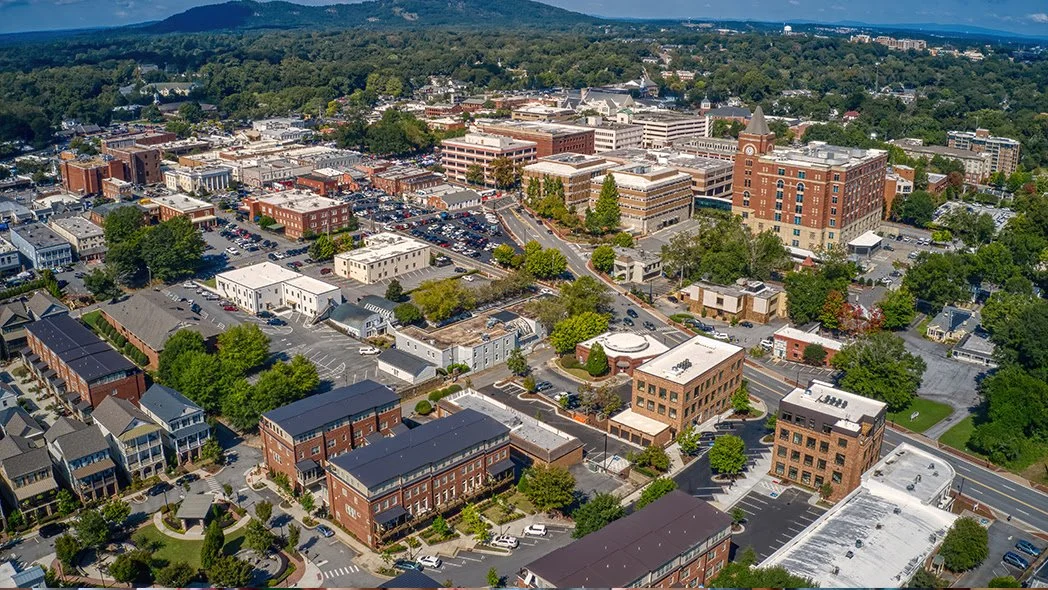
Charlottesville is definitely the better choice for walkability and bike-friendly options. The city has quite a few bike lanes and greenway trails connecting the different parts of the area. Downtown works especially well if you have to run multiple errands - you can park once and walk from place to place without returning to your car. Waynesboro doesn't have nearly as much in terms of dedicated paths or sidewalks, so most residents drive just about everywhere for their day-to-day errands.
Charlottesville has an Amtrak station right in the downtown area, and you have the option to take a train when you have to travel. It's convenient for trips to D.C. and other destinations to the north since you can skip the highway traffic. Waynesboro doesn't have any passenger rail service, so you need a car for just about everything - regular errands, weekend getaways and longer trips all mean you'll have to drive.
How much you'll spend on gas depends mostly on where your job is and how much you're driving each day. A commute from Waynesboro to Charlottesville is about 25 miles one way. That round trip, 5 days a week, adds up to around 250 miles. Gas prices are usually a bit cheaper in Waynesboro, too, and that adds up over time when you fill up the tank multiple times.
You should think about winter weather on I-64 because it can affect your commute, no matter which city you choose. The highway passes right through Afton Mountain between the two cities. Snow and ice can add quite a bit of extra time to your drive, and when storms get bad enough, the highway might close down completely.
Moving to Charlottesville?
Charlottesville and Waynesboro are two very different takes on Virginia living, and what's right for one family might not feel right at all for another. Which city is actually going to be the better fit depends on what matters most to you in your day-to-day life - maybe you want walkable neighborhoods with easy access to the weekend farmer's markets, or maybe you're more focused on finding affordable housing and top-rated schools for your kids. The two places have plenty to give - just in their own ways.
Visit the two cities before you make any big decisions. Try to go during different seasons if you can manage it, because the weather can change how a place feels to you. Spend time walking around the neighborhoods you're looking at, and do it at different times of the day. Work with real estate agents who know their local markets well and who can help you find properties that match what you need and your budget. The more you can get a feel for what your day-to-day life would actually be like in each place, the better sense you'll get of which city is the right one.

Either city is going to land you in one of the most beautiful parts of Virginia. The Blue Ridge Mountains are right there all around you, and the historical landmarks are scattered throughout the area for whenever you want to check them out. For career advancement and personal development, the two cities have plenty of ways that'll help you move forward in life. Outdoor activities are easy to find, cultural events happen all the time, and the neighborhoods usually have that close-knit community feel where your neighbors actually care about you.
Once you've decided on one of these Virginia cities as your next home, a local expert in your corner does matter. The Justin Landis Group works with buyers throughout the area to help them find the homes that match their needs - maybe a quiet street in a mature neighborhood, or maybe a place closer to downtown where all of the restaurants and the nightlife are.
Contact the Justin Landis Group, and we'll help you work through the local market until you find the right place.